
VA Form 21-4192 Errors That Stall TDIU Claims in 2026
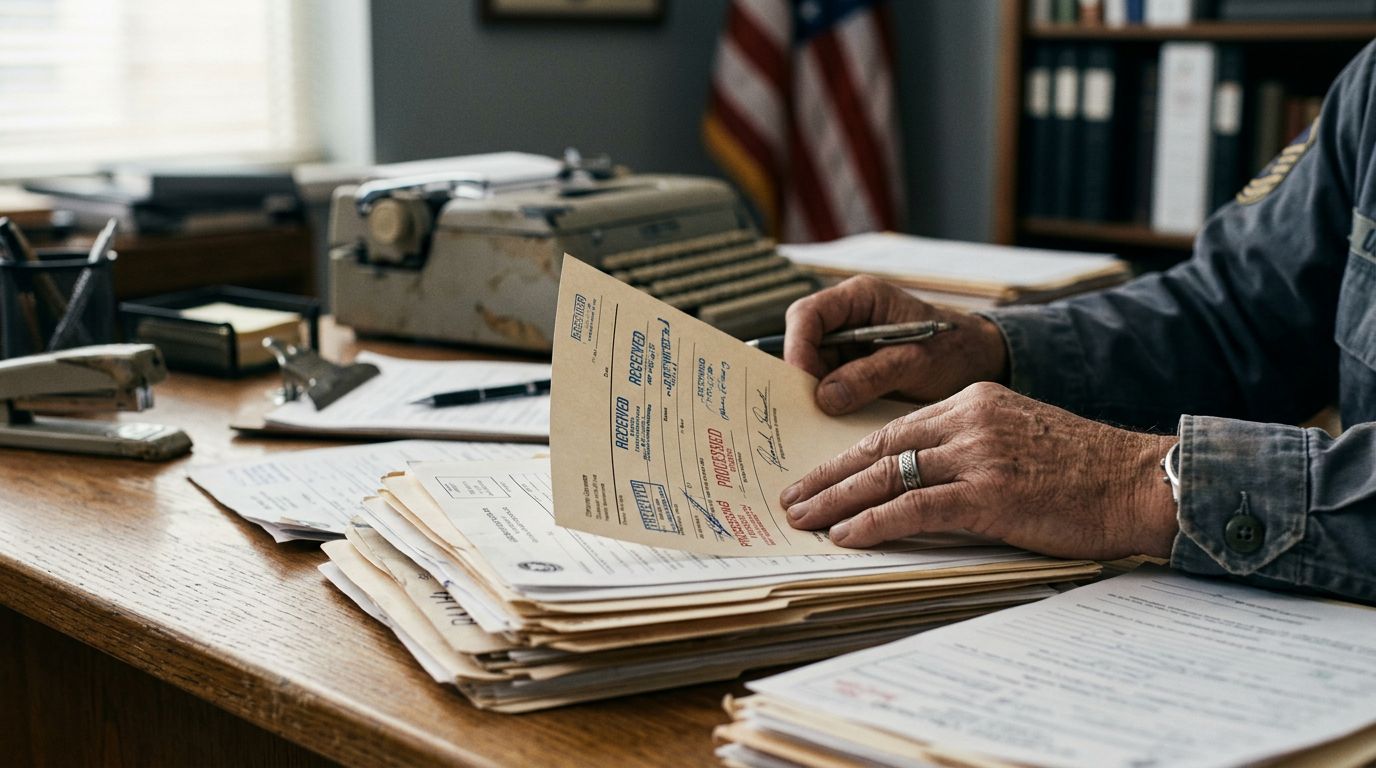
A single missing employer signature can slow a TDIU claim for months. That gets frustrating fast, especially when the rest of the record already shows that steady work is no longer realistic.
In 2026, VA Form 21-4192 still matters because it gives VA an employer’s view of your work history, pay, hours, and separation. When the form is wrong, incomplete, or sent to the wrong place, the claim can stall while VA tries to repair the paper trail.
How VA Form 21-4192 fits into a TDIU claim
VA uses Form 21-4192 to confirm employment details from former employers. The form helps VA check when you last worked, why the job ended, and whether your disability affected attendance or performance.
That makes the form important, but it is only one part of the file. Your own application, medical records, and work history matter too. If your employment dates are off on your application, VA may send the request to the wrong employer or miss one completely. That is why common VA Form 21-8940 filing errors can create a problem before the employer ever sees a request.
The bigger TDIU picture is also tied to work rules. For a closer look at the income and employment side of the claim, see VA TDIU eligibility requirements for 2026. A clean 21-4192 matters because it supports, or weakens, that broader story.
The 21-4192 mistakes that cause the most delay
Most problems with this form are plain paperwork mistakes. They sound small, but they can stop a claim from moving.
| Error on the form | What it does to the claim | Better fix |
|---|---|---|
| Wrong employer receives the request | VA waits for a response that never comes | Check the legal name and mailing address carefully |
| Missing dates or last day worked | VA cannot match the form to your work history | Compare the form with pay stubs and your own application |
| Blank reason for leaving | The record stays vague | Ask for a clear reason in plain language |
| No hours, wages, or missed time | The form gives little help on unemployability | Add schedules, payroll records, or attendance logs |
| No signature or date | VA may treat the form as incomplete | Confirm final review before it goes out |
| Missing work limitations or accommodations | The form leaves out helpful evidence | Ask the employer to list reduced duties or absences |
A bad address or a wrong employer name is enough to send VA down the wrong path. Missing dates can do the same thing. When the file does not line up, VA often keeps asking for more information instead of moving to a decision.
A missing 21-4192 usually delays a claim. A weak 21-4192 can also make the file harder to prove.
The cleanest forms are the ones that match everything else in the record. If the employer says you left in July, but your own statement says October, VA will notice. If the form says you worked full time without problems, but your medical records show repeated absences and accommodations, the conflict can slow the case and muddy the issue.
When the employer response hurts the TDIU case
Sometimes the form returns on time, but the answer is not helpful. That can be just as damaging as no response at all.
An employer may say you left for retirement, a layoff, or a personal reason unrelated to disability. The employer might also write that your performance was fine and that no special accommodations were needed. That kind of response can hurt because it suggests you were still able to keep the job.
Still, a bad employer response does not end the claim by itself. VA can look at the rest of the evidence and decide whether your service-connected conditions kept you from substantially gainful work. Medical opinions, attendance records, discipline notes, and your own statement can still matter.
The problem gets harder when the employer refuses to complete the form or the company no longer exists. That happens often with small businesses, staffing agencies, and old jobs that closed years ago. In those cases, other evidence becomes even more important. Pay stubs, W-2s, tax records, letters from former supervisors, and written statements from you can help fill the gap.
Steps that keep employer evidence moving
A little preparation can save a lot of time. The goal is to make it easy for VA, and for the employer, to answer the right question.
- List every recent employer on the veteran’s employment form, with the exact business name.
- Use current mailing addresses, HR contacts, and email addresses when you have them.
- Tell the employer what VA is asking for, so the request does not get ignored.
- Keep copies of pay stubs, W-2s, schedules, and attendance records.
- If the employer will not sign, send your own statement with other proof.
- Match the dates, job titles, and separation reasons across every form.
If you worked for a staffing agency, identify both the agency and the worksite. If you had more than one part-time job, list each one. Gaps and guesses are where delays start.
The same rule applies to reduced schedules and missed work. If you cut hours because of symptoms, make that clear. If your employer gave you lighter duties, document that too. Those details can show how disability affected your job, even when the employer form is brief.
Why Florida veterans benefit from legal help on stalled claims
Florida veterans often have complicated work histories. Some jobs are seasonal. Some employers shut down. Others are small businesses with no clear records once the owner leaves.
That makes TDIU evidence harder to gather, especially when VA keeps waiting on a form that never comes back. A Florida disability attorney can help track down employer information, compare the 21-4192 with the 21-8940, and look for the gaps that slow the file. In many cases, the issue is not one form. It is a chain of small errors that keep the claim from moving.
Legal help also matters when the employer response cuts against the claim. If the form says the veteran left for non-medical reasons, the rest of the record has to answer that problem head-on. A well-built file can do that, but only if the evidence is organized and consistent.
Conclusion
The biggest lesson with VA Form 21-4192 errors is simple. Most of them do not end a TDIU claim, but they can slow it down and weaken the employer evidence VA wants to see.
The safest approach is a careful employment history, a prompt request to former employers, and backup evidence if a form comes back incomplete or never comes back at all. When the paper trail is clean, VA has less room to hesitate.
A stalled employer form does not have to sink a claim, but it does need attention fast.