
VA Form 21-686c Errors That Delay Dependent Benefits in 2026
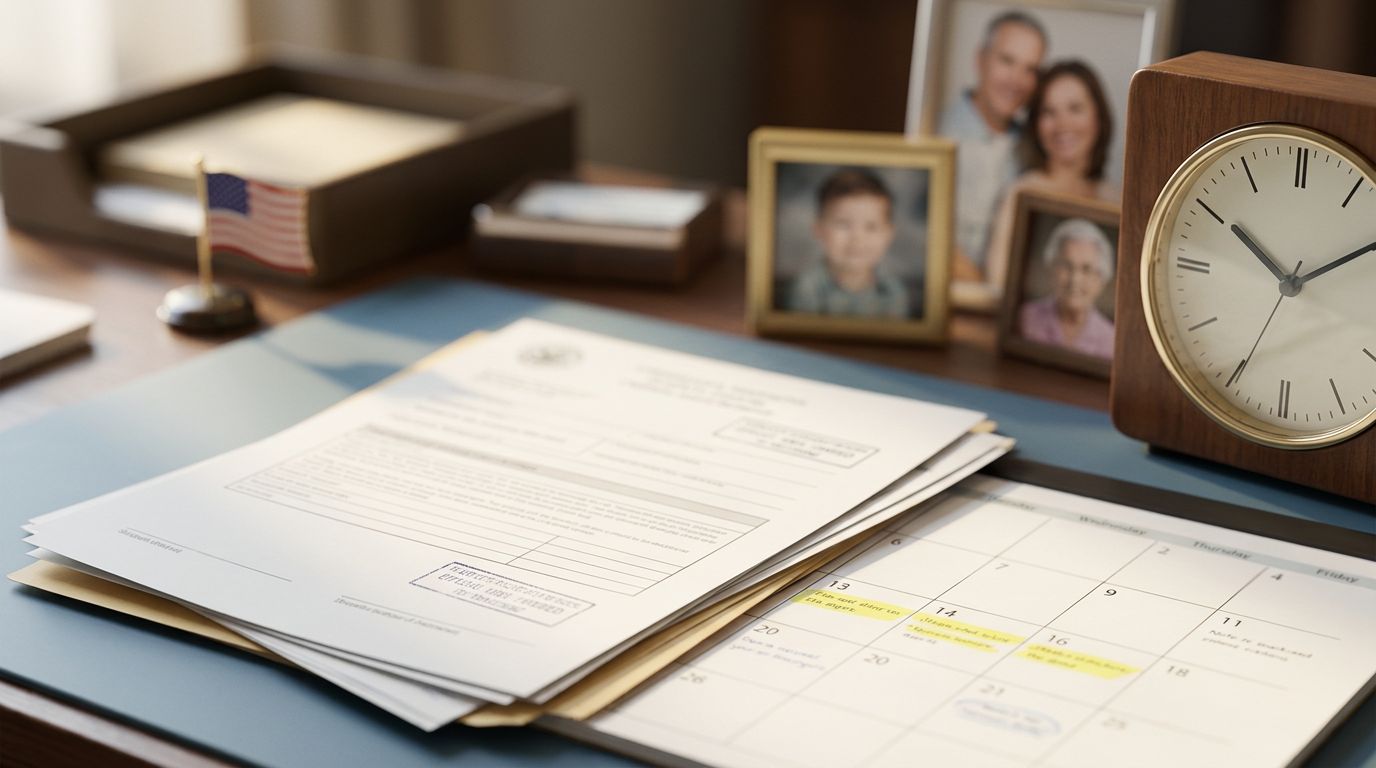
A missing date can slow a dependent claim just as much as a missing document. For veterans who depend on monthly compensation, that kind of delay hurts fast.
VA Form 21-686c errors often keep the VA from confirming a spouse, child, or dependent parent. When that happens, the claim can sit in review while the payment clock keeps ticking. The good news is that many delays come from avoidable paperwork problems, not from a denied benefit.
Why dependent benefits slow down after a filing mistake
VA Form 21-686c is the form the VA uses to add or remove dependents for disability compensation, pension, or DIC. It sounds simple, but the VA needs the same story across every page, every date, and every document. If one detail does not match, the file often gets pulled for more review.
That is why a claim can stall even when the veteran clearly has a qualifying dependent. A marriage certificate, birth certificate, school record, or divorce decree can all be part of the same file. If one piece is missing or unclear, the VA may send a letter asking for more evidence.
The VA explains dependent changes on its manage dependents page, and the official form instructions also spell out what the agency expects. The form is not the hard part. Matching the form to the proof is where many cases slow down.
If the form and the documents tell different stories, the VA will usually pause the file instead of guessing.
A late filing can also affect retroactive pay. For marriage and child-related changes, timing matters. If a veteran waits too long to report a new dependent or a change in status, the VA may limit how far back it will pay.
The VA Form 21-686c errors that create the longest delays
The same mistakes show up again and again. Some are small on paper, but they create a bigger problem inside the VA system.
| Error | What the VA sees | Common fix |
|---|---|---|
| Missing marriage, birth, divorce, or death proof | The dependent cannot be verified | Send a clear copy of the right document |
| Wrong Social Security number or date of birth | The record does not match VA data | Compare every entry with the source record |
| Leaving prior marriages off the form | The family history looks incomplete | List every prior marriage and ending date |
| No school proof for a child age 18 to 23 | Eligibility for school status is unclear | Include enrollment or attendance records |
| Unsigned or undated form | The form may not be valid for processing | Sign, date, and keep a copy |
| Using the wrong form for a dependent parent | The packet may be routed incorrectly | Check whether another VA form is also needed |
The most common of these VA Form 21-686c errors are the ones that break consistency. A marriage date on one document, a different date on another, and no explanation in the file can trigger another round of development. The VA rarely fills in blanks on its own.
A missing school record can create the same problem for an older child. So can a divorce decree that never makes it into the packet. Even when the veteran knows the dependent qualifies, the VA still needs proof it can rely on.
Another mistake comes from assuming the VA already has the record. Sometimes it does. Sometimes it does not. Either way, the burden falls on the veteran to make the packet complete.
How to file the form cleanly the first time
A clean filing starts with slow, careful review. Read every line before sending the form. Then compare the form against the documents that support it. Names should match. Dates should match. Social Security numbers should match.
Keep the packet simple and complete. If you are adding a spouse, include the marriage certificate and any prior divorce decrees if they matter to the family history. If you are adding a child, include the birth certificate. If the child is over 18 and still in school, include school proof too.
If you are removing a dependent, give the VA the document that proves why. A divorce decree, death certificate, or other proof can prevent a back-and-forth letter. The same rule applies when the dependent status changes in another way. The VA needs the reason, not just the update.
A few habits help avoid the most common delays:
- Use the same spelling and dates on every page.
- Attach clear copies, not blurry photos.
- Fill in every required section, even if the answer is “none.”
- Report family changes as soon as they happen.
- Save a full copy of everything you send.
If you are adding a dependent parent, check the instructions first. Parent dependency can require a different form in the packet, so the VA gets the right proof in the right place.
The VA disability claim timeline can stretch when the form needs corrections. That is one more reason to send a complete packet the first time.
When a Florida veteran should ask for legal help
Some delays are minor. Others keep repeating because the VA keeps asking for the same missing item. That is when legal help can save time and stress.
A Florida veteran should get help when the VA questions prior marriages, school status, or dependent proof more than once. The same is true when back pay is being held up or when a dependent change should have been processed months ago. Repeated requests often mean the file needs a closer look, not another guess.
That review can matter even more when the rest of the claim is moving slowly. If you are already waiting on compensation, a dependent error can make the delay worse. In that situation, how attorneys help maximize VA benefits may give you a clear next step, and your rights when seeking VA disability compensation can help you understand what the VA must handle correctly.
A lawyer does not replace the form. The lawyer makes the file stronger. That can mean checking the evidence, spotting missing records, and keeping the VA focused on the real issue. For a family waiting on monthly pay, that kind of review can make a real difference.
Conclusion
A dependent benefits delay often starts with one small mismatch. A missing record, a wrong date, or an unsigned form can keep the VA from finishing the job.
The safest path is a complete form, clear proof, and prompt notice when family status changes. If a claim is already stuck, the problem is often in the paperwork trail, not the benefit itself. For veterans in Florida, a careful review now can keep a small form mistake from turning into a long wait.