
VA Hip Ratings in 2026: Flexion, Extension, and Painful Motion
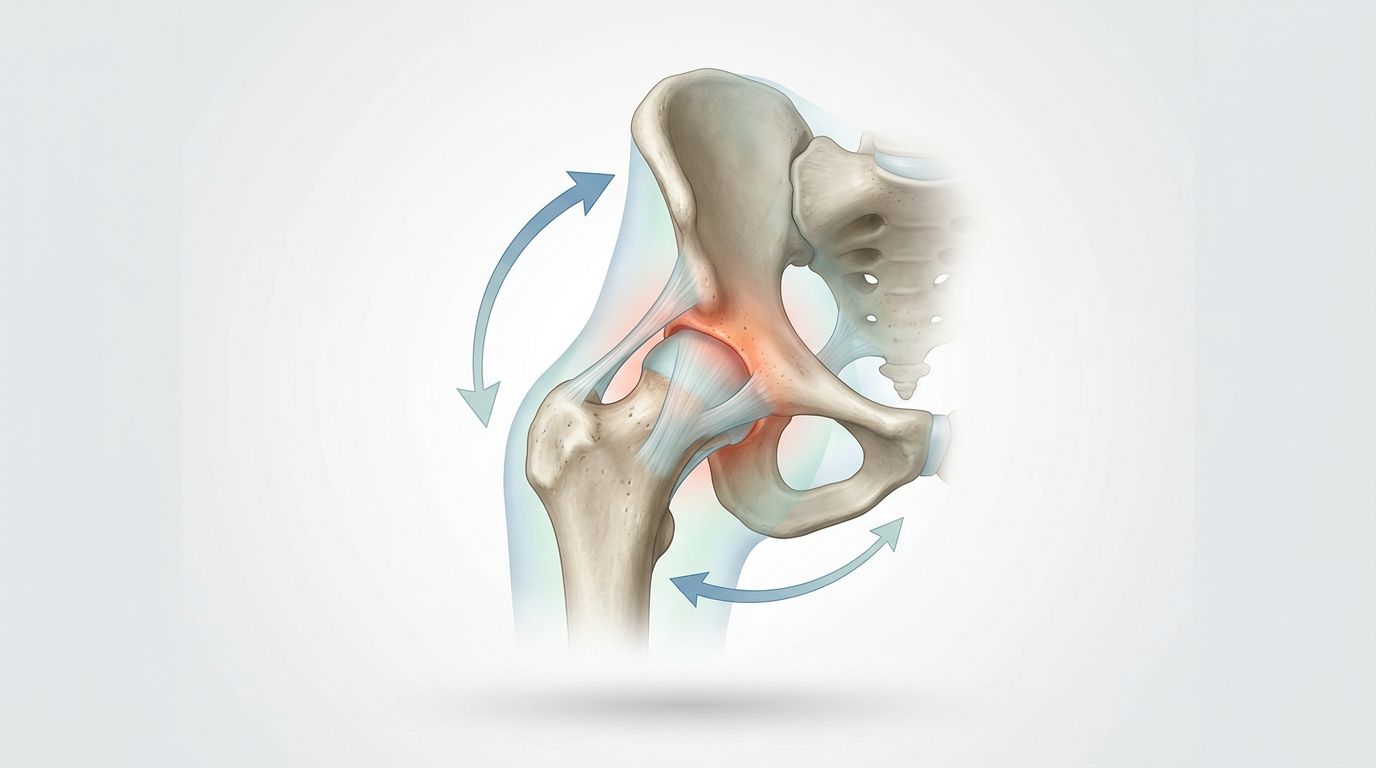
A hip that still moves can still earn a VA rating. In 2026, the rating rules for hip and thigh conditions have not changed in any major way, so VA hip ratings still turn on motion, pain, and function.
That matters because a claim can look weaker on paper than it is in real life. The VA often focuses on exact degrees, but it also has to account for pain, weakness, flare-ups, and repeated use.
If your rating feels too low, the problem may be the way the exam recorded your symptoms. Once you know how flexion, extension, and painful motion fit together, the numbers start to make sense.
How the VA rates hip conditions in 2026
The VA still uses 38 C.F.R. § 4.71a for hip and thigh conditions. As of May 2026, there have been no major changes to the hip rating schedule. That means the same diagnostic codes still do the heavy lifting.
The most common codes are easy to sort by what they measure.
| Diagnostic code | What it measures | Common rating result |
|---|---|---|
| DC 5251 | Limitation of thigh extension | 10% if extension is limited to 10 degrees or less |
| DC 5252 | Limitation of thigh flexion | 10% to 40%, depending on how far flexion is limited |
| DC 5253 | Abduction, adduction, or rotation limits | 10% or 20%, depending on the motion loss |
| DC 5003 | Degenerative arthritis | Often 10% or 20% when X-ray evidence and symptoms line up |
| DC 5054 | Hip replacement | 30% to 100%, depending on recovery and severity |
The key point is simple, the VA rates what the joint can do, then checks how much pain and loss of use come with it. A hip claim is not built on the diagnosis alone.
A torn labrum, arthritis, bursitis, or a strain may all end up under the same motion rules. In some cases, the diagnosis matters less than the exam findings.
The rating does not turn on pain in the abstract. It turns on how pain affects movement, work, and daily life.
Flexion and extension: the numbers that drive the rating
Flexion is the movement that brings your thigh toward your body. Extension moves it backward. Those sounds simple, but the VA uses them as hard checkpoints.
For flexion under DC 5252, the ratings rise as motion gets worse:
- 45 degrees can support 10%
- 30 degrees can support 20%
- 20 degrees can support 30%
- 10 degrees or less can support 40%
Extension is more limited under DC 5251. If extension is limited to 10 degrees or less, the VA assigns 10%.
That sounds small, yet it can matter a lot. A hip that loses extension may affect walking, stairs, and balance. A hip that loses flexion may make it hard to sit, squat, get in a car, or tie shoes.
The C&P examiner should use a goniometer to measure motion. The examiner should also note where pain starts, not only where motion ends. That detail matters because pain can set in before the joint reaches its final stopping point.
If pain starts early, the exam may tell a different story than the final number alone.
A simple example helps. If flexion only reaches 30 degrees, that can support 20%. If pain begins well before 30 degrees, the examiner should record that too. The same idea applies to extension. A joint that looks “close enough” to normal may still be limited in the ways that count.
The VA also looks at other movement problems under DC 5253. That code covers issues like not being able to cross your legs, limited rotation, or abduction beyond 10 degrees. So even when flexion and extension are not the whole story, they may still shape the result.
Painful motion can still support compensation
Many veterans assume the VA only cares about hard range-of-motion limits. That is not true. Painful motion matters, even when the joint still moves past the numbers in the schedule.
Under the VA rules, pain can support at least a 10% evaluation in the right situation, even if the joint moves better than expected on paper. The exam has to show the pain clearly. Treatment notes help. So do consistent reports about what hurts, when it hurts, and what makes it worse.
The VA should also consider functional loss. That includes weakness, fatigue, incoordination, and flare-ups. If your hip is worse after standing, walking, bending, or repeated use, that information belongs in the record.
The best claims usually show more than one kind of proof:
- Medical notes that mention pain during motion
- Reports of flare-ups after activity
- Statements about limping, stiffness, or trouble climbing stairs
- Records showing a cane, brace, or other support device
Pain can be real even when the hip still bends. That is why a clean-looking exam can miss the full picture. A single good day does not erase a pattern of bad days.
The VA also has to think about how the hip affects ordinary life. If you can bend on the exam table, but you cannot get out of a low chair without pain, that difference belongs in the file. If walking a block makes the hip tighten up, that matters too.
This is where many denials begin. The examiner writes down the final motion number, but the note leaves out how pain limited the movement. When that happens, the rating may be too low.
What evidence helps most in a hip claim
Good evidence gives the VA less room to miss the mark. Hip claims are often won or lost on details that seem small at first.
Medical records are the starting point. X-rays can show arthritis. MRI scans can show soft-tissue damage. Physical therapy notes can show repeated loss of motion over time. Those records help prove the problem is not temporary.
The C&P exam matters just as much. Make sure the examiner hears about pain at the start of motion, flare-ups, and what happens after repeated use. A veteran who says “it hurts” is giving a start, not the whole story. The record should show how often it hurts, how long the flare lasts, and what tasks become hard.
When both hips are affected, the VA rates each hip separately and then applies the bilateral factor. That can increase the combined value. Two smaller ratings can matter more than one person expects once the VA math is done.
There are also cases where the rating code changes because the condition is more severe. Hip replacement claims fall under DC 5054. A fused hip can fall under ankylosis rules. Those cases are different, but the same idea still applies, the VA looks at function first.
If a claim was denied or undervalued, the exam report should be reviewed closely. Small errors, like leaving out pain on repeated use or ignoring flare-ups, can change the result. In Florida, that review is often the first step before a supplemental claim or appeal.
The bottom line on hip ratings
The 2026 hip schedule is steady, and that helps. Flexion, extension, and painful motion still drive most ratings, so the numbers on the exam matter more than a lot of claimants expect.
The strongest claims show the full picture. They do not stop at a range-of-motion figure. They also show how pain, weakness, and flare-ups change the way the hip works in daily life.
If your exam does not match what you live with, that mismatch deserves attention. In a hip claim, painful motion is not a side issue, it is often the difference between a low rating and a fair one.