
VA Radiculopathy Ratings in 2026: What Mild, Moderate, and Severe Really Mean
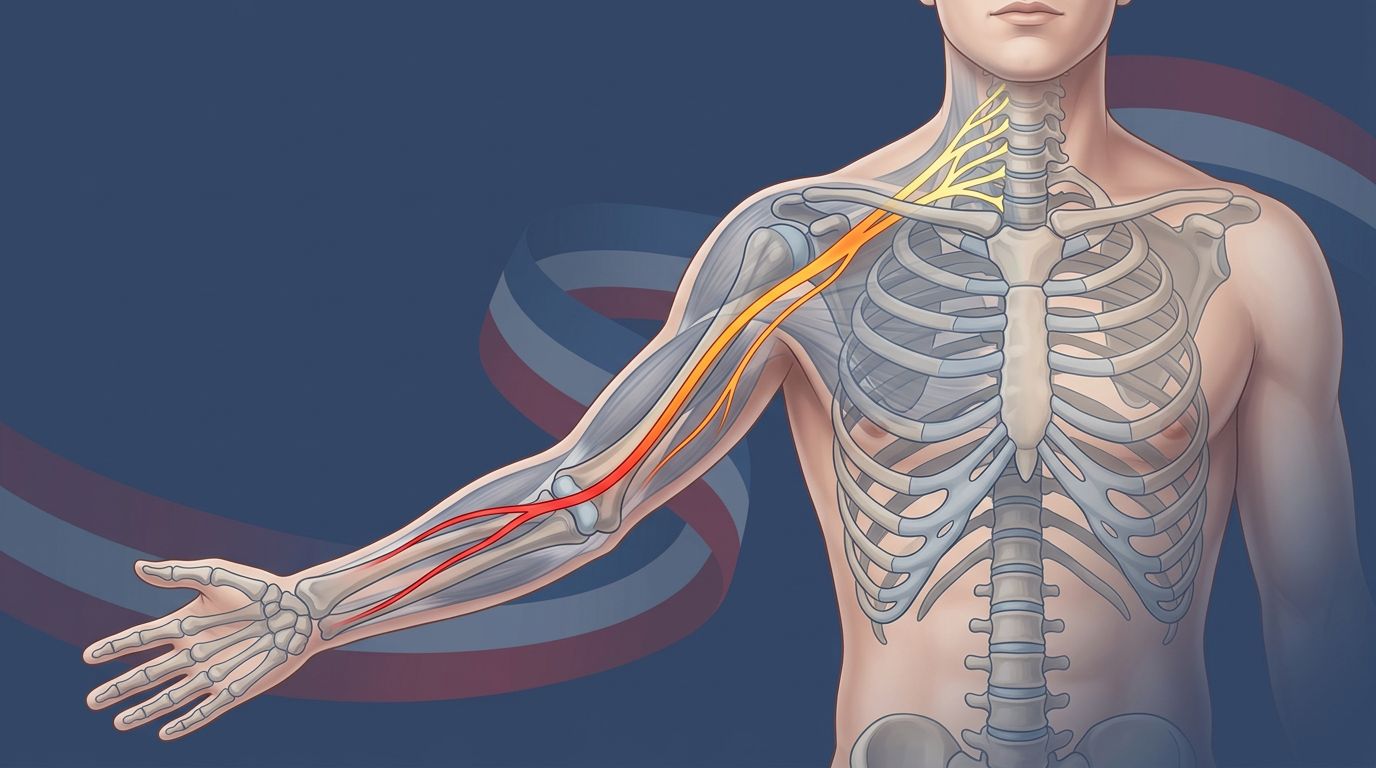
A burning leg, numb foot, or weak hand can do more than hurt. It can change your VA claim.
If you’re trying to understand VA radiculopathy ratings in 2026, the hardest part is often the wording. “Mild,” “moderate,” and “severe” sound simple, but the VA uses those labels to measure function, not pain alone. That difference can mean the gap between a modest award and a much higher one.
The good news is that the core rating rules have not broadly changed in 2026, so the same proof still matters.
VA radiculopathy ratings in 2026 still depend on the nerve and the loss of function
As of April 2026, there is no confirmed overhaul to the VA schedule for radiculopathy. The VA still rates these cases under the nerve sections of its disability rules. In most claims, the real issue is not whether the nerve hurts. The issue is how much the nerve problem limits strength, sensation, reflexes, and use of the arm or leg.
Most ratings use the term incomplete paralysis. That does not mean total loss of movement. It means the nerve still works, but not normally. A veteran may have pain that shoots down the leg, numb toes, weak ankle movement, or trouble gripping with one hand. The VA then matches those findings to the affected nerve and the severity level.
The percentage also changes with the body part involved. Lower back radiculopathy often falls under the sciatic nerve rules. Neck-related radiculopathy may be rated under one of the radicular groups in the arm. If the dominant arm is affected, the rating can be higher than the non-dominant arm.
A separate nerve rating can sit alongside a neck or back rating. Then the VA folds it into your total under its whole-person rating rules. That matters because even a “small” nerve rating can affect the monthly amount listed in the VA’s current disability compensation rates.
In these claims, the label matters less than the proof of lost function.
What mild, moderate, and severe usually look like on a VA exam
“Mild” usually means mostly sensory symptoms. Pain, tingling, burning, or numbness may come and go, or stay fairly steady, but strength is close to normal. Reflexes may still be intact. Walking, standing, or using the hand is harder, yet still possible without a major breakdown in function.
“Moderate” is where symptoms start showing up in daily life. The numbness may be more constant. Pain may flare with sitting, standing, or lifting. Strength can drop. Reflexes or sensation may be reduced on exam. A person with moderate leg radiculopathy may stumble more, need extra breaks, or avoid stairs. In an arm claim, moderate symptoms may lead to dropping objects or trouble reaching overhead.
“Severe” usually needs more than strong pain complaints. The VA often looks for marked weakness, clear motor loss, muscle wasting, absent reflexes, or a major loss of use. In lower-extremity cases, foot drop or serious gait changes can push a rating higher. In upper-extremity claims, severe radiculopathy may show up as major grip loss, poor fine motor control, or obvious weakness through the shoulder, elbow, or hand.
That is why two veterans with the same MRI can get different ratings. Imaging helps explain the source of the problem. Still, the percentage often turns on what the exam shows in real life. Strength testing, sensory loss, gait, reflexes, and muscle atrophy carry a lot of weight. If a Compensation and Pension exam misses those details, the rating can come in low.
Common percentage ranges for lumbar and cervical radiculopathy
The numbers below show why the same word can mean different percentages, depending on the nerve involved.
| Common nerve rating | Mild | Moderate | Severe or higher levels |
|---|---|---|---|
| Sciatic nerve, often used for lumbar radiculopathy | 10% | 20% | 40% for “moderately severe,” 60% for severe with marked muscular atrophy, 80% for complete paralysis |
| Upper radicular group, often used for cervical radiculopathy in the arm | 20% | 40% major arm, 30% minor arm | 50% major arm, 40% minor arm; complete paralysis can reach 70% major, 60% minor |
The main takeaway is simple. The word itself does not carry a fixed percentage across every claim.
The sciatic nerve rating is a common trap. It has an extra level, “moderately severe,” between moderate and severe. So a lumbar radiculopathy case does not always jump from 20 percent to 60 percent. The medical findings have to support the next step.
Cervical cases can be tricky for a different reason. Not every neck claim uses the same code. Some are rated under the upper radicular group, while others fit a middle or lower group, or a specific peripheral nerve. The dominant hand also matters. If your right arm is your major arm, the percentages can be higher.
Many veterans miss another point. The VA can rate each affected extremity separately. If both legs have radiculopathy, or if both arms are involved, each side may deserve its own analysis. Then the VA combines those percentages under its formula, not normal addition.
How to challenge a low radiculopathy rating
If the VA calls your radiculopathy mild, but your records show more, the next move is evidence. The strongest files connect symptoms to function. A treatment note that says “pain worse” helps a little. A record showing weak dorsiflexion, absent reflexes, repeated falls, or grip loss helps much more.
Good proof often includes neurology or pain records that document strength, reflex, and sensory loss. EMG or nerve testing can help when it supports the diagnosis. Clear descriptions of daily limits also matter, especially stumbling, cane use, missed work, or dropping objects.
If you are seeking an increase, start with strong medical detail that matches the next rating level. This guide on medical proof for higher VA ratings is a useful place to begin. After a decision comes out, read the reasons section closely. The guide to reading a VA rating decision letter can help you see what drove the result. If new evidence is needed, the VA’s page on Supplemental Claims explains that review path.
Build the case around what the nerve no longer lets you do. That is often what moves a rating from mild to moderate, or from moderate to severe.
In 2026, the VA still looks for function, objective findings, and consistent records. If a decision treats serious weakness or loss of use like a minor sensory problem, the rating may be wrong. In radiculopathy cases, small exam details often decide the whole claim.