
Florida Workers’ Comp PTSD Benefits for First Responders
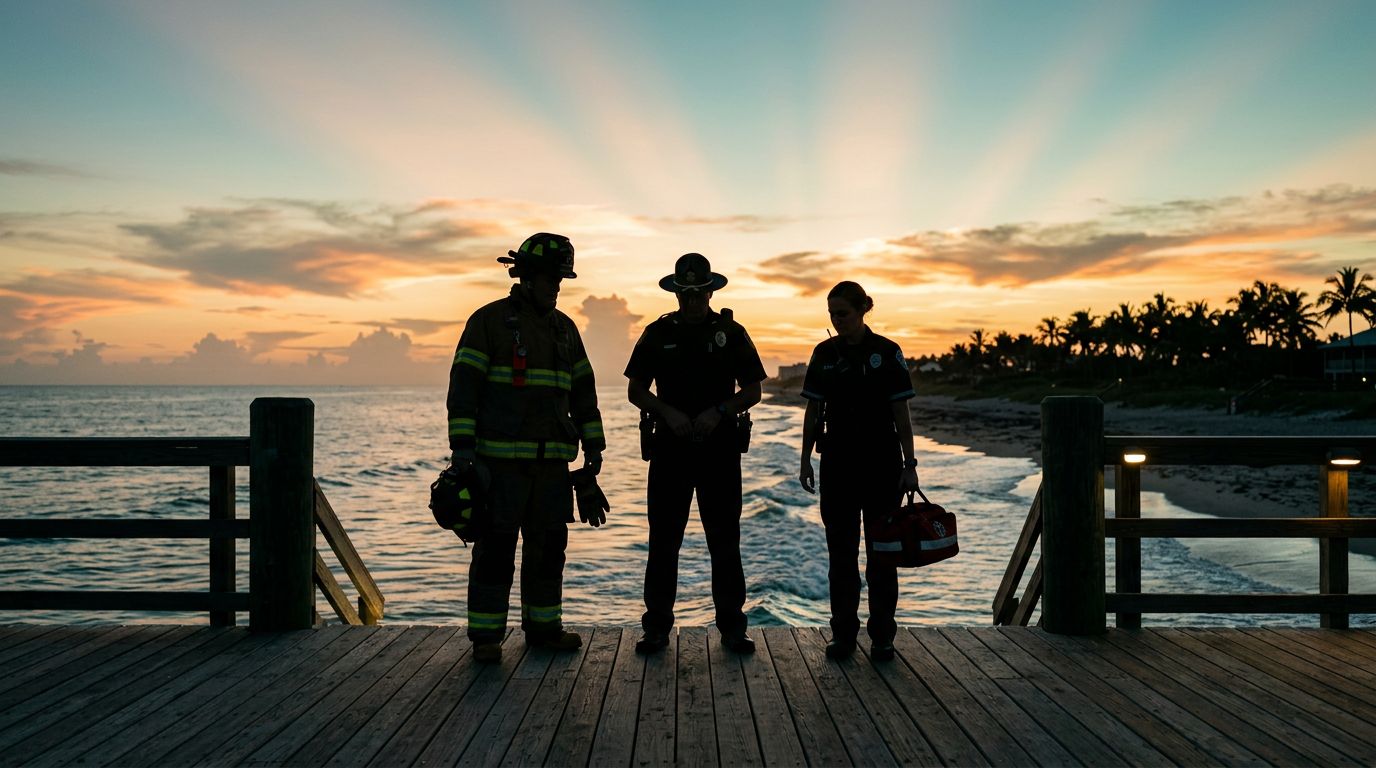
A traumatic call can end when the scene is cleared, but its effects may continue for months or years. Florida law allows certain first responders to seek workers’ compensation benefits for post-traumatic stress disorder (PTSD), even when they have no physical injury.
The claim still requires proof. Your job classification, length of service, diagnosis, traumatic event, notice, and medical evidence all matter. Understanding these requirements can help you protect your rights before an insurer disputes the claim.
Key Takeaways
- Florida law may cover PTSD suffered by eligible law enforcement officers, firefighters, EMTs, and paramedics.
- A licensed psychiatrist must diagnose the condition under the legal requirements.
- The first responder generally must have at least three years of service.
- A qualifying traumatic event must have occurred in the line of duty.
- Benefits may include medical care and wage replacement, but claims are not automatic.
When Florida Workers’ Comp Covers PTSD
Florida Statute Section 112.1816 creates a specific path for first responders who develop PTSD after traumatic events at work. The law applies to qualifying law enforcement officers, firefighters, emergency medical technicians, and paramedics employed by the state or a political subdivision.
Job title alone doesn’t settle eligibility. The worker’s statutory classification and employer relationship must match the law. Private ambulance employees, dispatch personnel, corrections employees, and other public safety workers may need a separate legal analysis because coverage can depend on the exact statute and employment arrangement.
The law generally requires at least three years of employment as a first responder. It also requires a diagnosis from a licensed psychiatrist who meets the definition of a physician under Florida’s workers’ compensation law. A general statement that someone feels anxious or traumatized isn’t enough to establish a compensable PTSD claim.
The diagnosis must connect the PTSD to one or more qualifying events that occurred in the line of duty. These events can include witnessing a person’s death or suicide, seeing serious bodily injury, responding to a mass-casualty incident, or witnessing severe abuse or injury involving a child. The details matter because the event must fall within the statutory categories.
The Florida statute governing PTSD for first responders provides the controlling language. A claim may fail if the event occurred outside the scope of employment, the diagnosis came from an unqualified provider, or the worker cannot establish the required service history.
Symptoms may appear immediately, or they may develop after repeated exposure to traumatic scenes. The National Institute of Mental Health describes PTSD symptoms such as intrusive memories, avoidance, mood changes, and heightened reactions in its information about post-traumatic stress disorder. Seeking treatment early can support your health and create medical records that document the condition.
What Benefits May Be Available
Once a PTSD claim is accepted, Florida workers’ compensation may provide benefits under Chapter 440. The specific benefits depend on the medical evidence and how PTSD affects your ability to work.
Medical benefits can include evaluation, psychiatric treatment, counseling, medication, and other reasonably necessary care authorized through workers’ compensation. The insurance carrier may control which providers are approved. If the carrier delays authorization or refuses a requested service, you may need to challenge that decision.
Temporary disability benefits may apply when PTSD prevents you from working for a limited period. A psychiatrist may place restrictions on night shifts, emergency calls, weapons duties, driving, contact with certain scenes, or other job functions. The restrictions must be medically supported, and the employer must determine whether it can provide suitable modified work.
If you can work in a limited capacity but earn less, temporary partial disability benefits may be available. If medical evidence shows a lasting impairment, permanent impairment benefits may also become an issue. Those benefits depend on the impairment rating and other statutory requirements.
Workers’ compensation isn’t a pain-and-suffering system. You generally can’t recover separate damages for emotional distress, lost enjoyment of life, or the personal hardship caused by PTSD. The claim focuses on authorized medical care, disability, impairment, and other benefits allowed by Florida law.
PTSD benefits also aren’t guaranteed for every traumatic call. The insurer may question whether the event qualifies, whether the diagnosis meets the statute, whether work caused the condition, or whether another circumstance explains the symptoms. Medical records should address the work events and explain how they caused or aggravated the diagnosed condition.
A first responder may also have related physical symptoms, such as insomnia, panic attacks, headaches, or substance-use concerns. Those conditions should be discussed honestly with a treating provider. The claim should accurately identify every condition connected to the workplace trauma.
How to File a Florida PTSD Workers’ Comp Claim
Many first responders delay reporting PTSD because they fear being labeled unfit for duty. Others expect symptoms to disappear. Waiting can make both treatment and a legal claim harder.
Start by reporting the condition to your employer as soon as possible. Give the report in writing and keep a copy. Include the date of diagnosis, the traumatic event or events, the symptoms affecting your work, and the date you first recognized the connection to your job.
Florida workers’ compensation law has strict notice and filing deadlines. The deadline can depend on whether the claim is treated as an occupational disease, when the condition first manifested, and when you knew or should have known that work caused it. Report the condition promptly rather than relying on a supervisor’s informal promise to handle it.
The filing process usually includes these steps:
- Report the PTSD claim to the employer. Send the report through the required department or supervisor and retain proof of delivery.
- Obtain the required psychiatric evaluation. The diagnosing provider must meet the statutory qualifications.
- Describe the work events accurately. Identify dates, locations, calls, victims, coworkers, and the duties you performed.
- Follow authorized treatment. Attend appointments and follow restrictions unless another qualified provider changes them.
- Track wage loss and work restrictions. Keep pay records, schedules, restriction notes, and communications about modified duty.
- Request legal help when the carrier disputes the claim. A workers’ compensation attorney can file a petition for benefits and present medical evidence.
The Florida Department of Financial Services provides information about the state’s workers’ compensation system, including employee resources and claim information. The agency’s materials don’t replace legal advice, but they can help you understand the basic process.
Avoid recording symptoms in a way that minimizes the condition. Saying that you are “fine” after a traumatic call, missing appointments, or returning to full duty without medical clearance can give an insurer evidence to use against the claim. Be truthful and consistent with your providers, employer, and attorney.
Why PTSD Claims Are Often Disputed
Insurers may accept an initial report while investigating whether the claim satisfies Florida law. A denial can focus on one missing requirement rather than the seriousness of the trauma.
Common disputes include the following:
- The worker has fewer than three years of qualifying service.
- The employer argues that the worker isn’t included in the statutory definition of first responder.
- The diagnosing provider doesn’t meet the statute’s requirements.
- The reported event doesn’t fit a qualifying category.
- The insurer claims the event didn’t occur in the line of duty.
- Medical records don’t connect PTSD to the workplace.
- The carrier argues that notice came too late.
- The worker has a prior mental health history that the insurer says caused the symptoms.
A prior diagnosis doesn’t automatically answer whether a claim is compensable. The medical evidence must address the worker’s history, the work-related trauma, the timing of symptoms, and any change in the worker’s ability to function.
The employer may also offer light duty. You should review proposed restrictions with your treating provider. A job that looks acceptable on paper may still expose you to duties that worsen PTSD or conflict with medical limitations.
If the carrier denies benefits, the dispute may proceed before a Florida judge of compensation claims. The process can involve depositions, medical records, independent examinations, employment records, and testimony about the traumatic event. Missing a legal deadline or signing a settlement without understanding future medical rights can create lasting problems.
When to Speak With a Florida Workers’ Comp Attorney
Consider contacting an attorney before signing a denial acknowledgment, giving a recorded statement, or accepting a settlement. Early advice can help preserve evidence and prevent avoidable mistakes.
A lawyer may review your employment classification, service history, incident reports, medical diagnosis, treatment records, notice date, and wage information. The attorney can also communicate with the employer and carrier, request authorized treatment, file a petition for benefits, and prepare the claim for a hearing when necessary.
Bring useful documents to an initial consultation, including:
- The workers’ compensation claim number
- The date and description of each traumatic event
- Psychiatric or counseling records
- Work restrictions and appointment notes
- Pay stubs and schedules
- Emails or letters from the employer or insurer
- Any denial or authorization notice
Many firms offer an initial case evaluation without charging a fee. Workers’ compensation attorney fees are generally subject to approval under Florida law, so ask how fees and case expenses will work before representation begins.
Conclusion
Florida law gives eligible first responders a path to workers’ compensation benefits for PTSD without requiring a separate physical injury. The claim still depends on a qualified diagnosis, qualifying line-of-duty trauma, the required service history, timely notice, and persuasive medical evidence.
If work-related trauma has changed your ability to sleep, function, or perform your duties, report it and seek qualified care. A careful legal review can help determine whether your Florida workers’ comp PTSD claim meets the statutory requirements and what benefits may be available.