
Florida Workers Comp: What to Document in the First 48 Hours
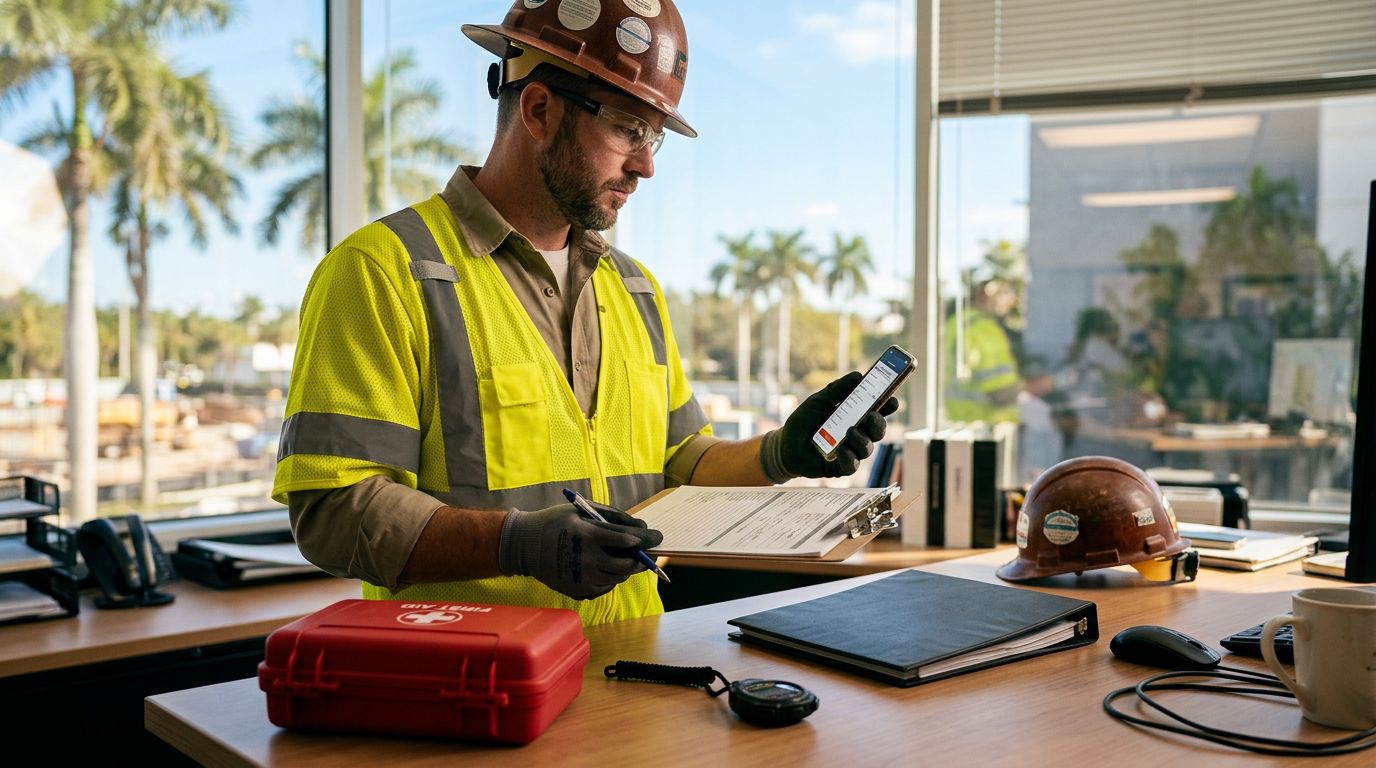
A work injury can turn a normal day into a blur. The first 48 hours matter because memory fades, pain can shift, and small facts disappear fast.
If you need to support a Florida workers comp claim, start with what you can prove. Dates, names, photos, messages, and medical notes often matter more than a polished story. The next steps show what belongs in that record.
Why the first 48 hours matter
The first two days are when details are easiest to capture. You know where you were, who saw it, and what the scene looked like. A week later, that picture can get fuzzy.
If you want a simple starting point, a Florida workers’ compensation first 24 hours checklist can help you stay organized. The goal is not to build a legal file on the spot. The goal is to save facts before they slip away.
The strongest records are built early, while the injury is still fresh and the timeline is clear.
That matters because claims often turn on small details. Was the floor wet? Did a machine fail? Did you report the injury right away? A clear note can answer those questions long before a dispute starts.
What to write down at the scene
Start with the event itself. Write down the setting, the task, and the hazard while it still feels fresh. A short record can do more than a long story later.
| What to record | What to include | Why it matters |
|---|---|---|
| Time and place | Date, shift, job site, and exact spot | Ties the injury to your work day |
| Job task | Lifting, climbing, cleaning, driving, or operating equipment | Shows what you were doing when it happened |
| Hazard or event | Spill, broken tool, fall, impact, strain, or sudden movement | Explains how the injury started |
| People nearby | Coworkers, supervisors, customers, or vendors | Gives you witness names later |
| Immediate reaction | Pain, swelling, bleeding, dizziness, or trouble moving | Shows the injury was real and immediate |
After the table, add a few plain details of your own. For example, note whether a ladder slipped, a box was heavier than expected, or a floor mat moved. If a machine was involved, describe the part that failed. If a substance was on the floor, write down what it looked like and where it was found.
Photos help too. Take pictures of the area, the equipment, the broken item, the spill, or the damaged surface. If your clothes, shoes, gloves, or tools were affected, keep them. They can support the story later.
Just as important, save any message sent to a supervisor or coworker. A short text can back up your timeline better than a memory alone.
Keep a daily record of pain and medical care
The injury itself is only part of the story. Your symptoms and treatment matter because they show how the harm affected you over time.
Write down what hurts, where it hurts, and when the pain gets worse. Add details like numbness, stiffness, headaches, dizziness, nausea, or reduced movement. If a symptom starts later in the day, write that down too. Delayed pain can still come from the same job injury.
Medical records matter because they show what a doctor saw and what treatment was needed. Save the name of every doctor, clinic, urgent care center, or hospital you visit. Keep copies of discharge papers, prescriptions, work restrictions, and follow-up instructions.
A simple daily note can be enough. Include:
- The date and time of each symptom update.
- The body part affected.
- The pain level in simple words or a number.
- Any medication you took.
- Any change after rest, ice, or treatment.
If the doctor says no lifting, no standing for long periods, or no driving, write that down exactly. Those limits affect your claim and your work status. They also help explain why you missed shifts or needed light duty.
If your condition changes, update the notes. A bruise that looks small on day one may swell later. A back strain may not seem serious until you try to sit, bend, or sleep. A careful timeline makes those changes easier to understand.
Save proof of reporting, missed work, and expenses
Reporting the injury is a key part of the record. Write down who you told, when you told them, and how you did it. If you spoke to a supervisor in person, follow up with a text or email if possible. That extra step creates a paper trail.
Keep notes on any response you got back. Did someone ask for a written statement? Did they tell you to go to a clinic? Did they say the injury would be handled later? Those details can matter if the story changes.
A claim file should also show the work impact. If you missed time, track it. If you returned with restrictions, track that too. Save schedules, pay stubs, and any note showing reduced hours.
If the injury kept you out of work or cut your pay, those records are important for more than one reason. They also help you understand Florida workers’ comp wage benefits. When pay changes, the paper trail should show when the change started and how much you lost.
Keep receipts for anything tied to the injury. That includes prescriptions, parking, mileage, braces, bandages, and over-the-counter items you bought because of the injury. Small expenses add up fast.
Witnesses can help too. Ask for names, phone numbers, and a short note about what they saw. A coworker’s memory is more useful when you capture it early. A brief written statement, even in a text, can support your version of events.
Mistakes that make claims harder to prove
A good claim can still run into trouble if the record is weak. The biggest problems usually come from small mistakes made early.
- Waiting too long to report the injury can make the event look less serious.
- Changing details later can raise doubts about what happened.
- Throwing away photos, damaged items, or torn clothing removes useful proof.
- Posting about the injury on social media can create a bad impression if the post is taken out of context.
- Ignoring medical restrictions can make the injury look less limiting than it is.
Each of these problems is avoidable. Report the injury as soon as you can. Write the same facts each time. Keep the evidence. Stay off social media if you can’t control how a post might be read. Follow the doctor’s limits, even when you feel pressure to push through.
Also, don’t guess when you fill out forms. If you don’t know the exact time or exact cause, say so. A careful “I’m not sure” is better than an invented detail that later falls apart.
One more point matters. Keep your story simple and consistent. Say what happened, what hurt, who saw it, and what treatment you got. That is the core of the record. Everything else should support it.
Conclusion
The first 48 hours after a job injury can feel chaotic, but the record does not have to. A few careful notes, photos, and medical papers can preserve the facts while they are still fresh.
For a Florida workers comp claim, that early record often separates a clear timeline from a fight over details. Write down what happened, what hurt, who you told, and what the doctor said. That habit can carry weight long after the pain changes.