
VA Pyramiding Rule in 2026: When Separate Ratings Count
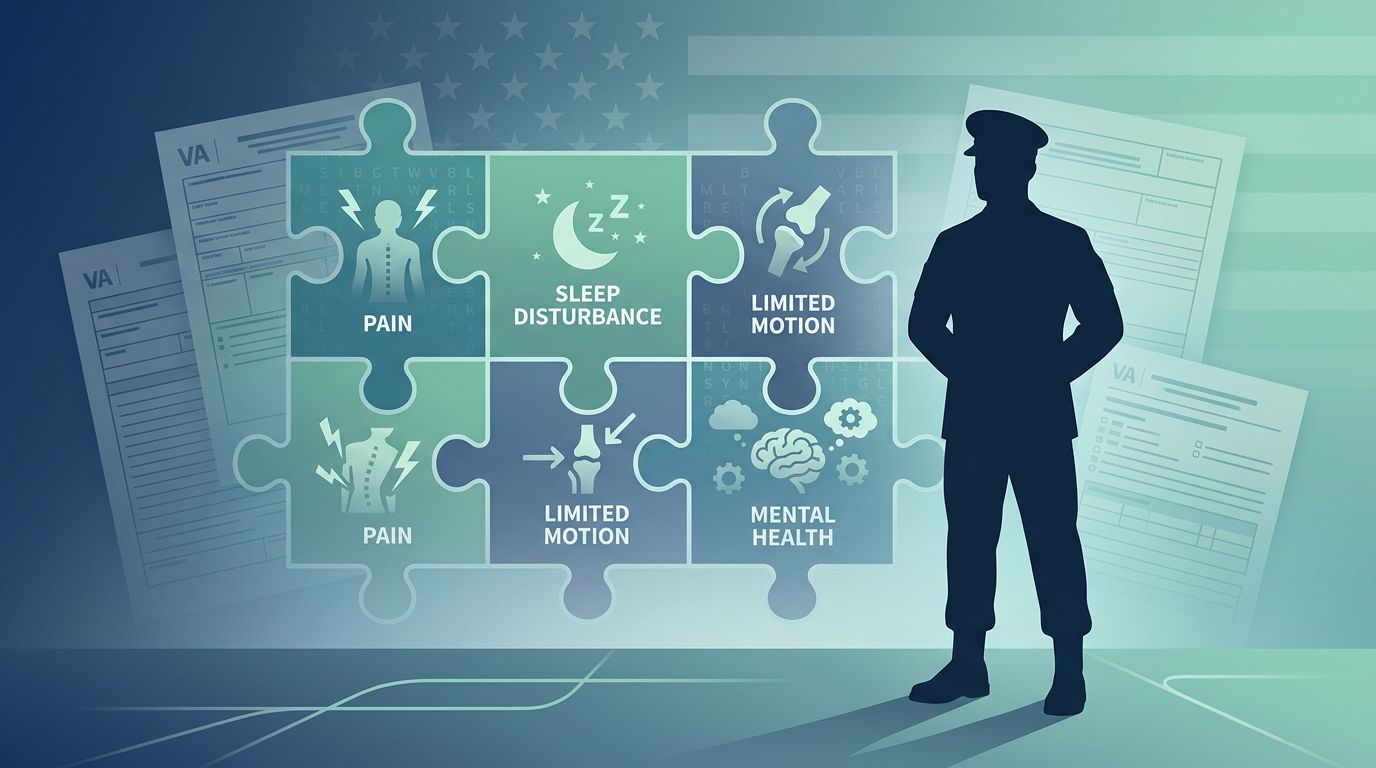
A second diagnosis does not automatically mean a second VA rating. Under the VA pyramiding rule, the VA cannot pay twice for the same symptom, even if two conditions share the same source.
That matters in 2026 because many claims still involve overlapping issues, like pain, sleep problems, limited motion, and mental health symptoms. Separate ratings are allowed, but only when the record shows different impairments, not just different labels.
Key Takeaways
- The VA bars duplicate ratings for the same symptom under 38 CFR 4.14.
- Separate ratings are allowed when each condition causes a different symptom or functional loss.
- Esteban v. Brown still matters because it supports separate ratings for distinct manifestations of one injury.
- 2026 changes to how some disabilities are evaluated do not change the anti-pyramiding rule.
- Good medical evidence matters more than diagnosis names when the VA decides overlap.
What the VA pyramiding rule actually means
The anti-pyramiding rule is simple in theory, even if VA decisions make it feel messy in practice. The VA rates disability based on symptoms and functional impairment, not on how many diagnostic labels appear in the file.
If one condition causes pain, and another condition causes the same pain, the VA cannot rate that pain twice. If one condition limits motion and another condition causes the same lost motion, the VA still cannot count that limitation twice. That is the heart of the rule in 38 CFR 4.14.
The key question is not how many diagnoses you have. It is whether the symptoms overlap.
This is why two conditions can look separate on paper but still end up under one rating. A veteran may have PTSD, depression, and insomnia in the record, but if the same sleep loss, mood disturbance, and concentration problems drive all three labels, the VA usually treats them as one disability picture for rating purposes.
That said, the rule does not block every separate rating. The VA can assign multiple ratings when each condition has its own symptom set and its own functional impact. The labels can overlap. The symptoms cannot.
When separate VA disability ratings are allowed
Separate ratings are allowed when the evidence shows different manifestations. The leading case is Esteban v. Brown, where the Court allowed separate ratings for different effects of the same facial injury because each rating covered a different problem, including disfigurement, pain, and muscle injury.
That principle still guides VA claims today. If one condition causes one type of loss and another condition causes a different type of loss, separate ratings may be proper.
| Situation | Separate ratings usually allowed? | Why |
|---|---|---|
| Facial scar plus painful scar tissue and muscle damage | Yes | Each rating can cover a different manifestation |
| PTSD plus insomnia tied to PTSD | Usually no | The sleep problem is often part of the same mental health picture |
| Shoulder motion loss plus instability | Sometimes | Motion loss and instability can be different impairments if the record separates them |
| IBS plus GERD with the same abdominal symptoms | Usually no | The symptoms often overlap in the same digestive complaints |
The takeaway is plain. Diagnosis names do not control the result. The medical evidence does.
A veteran can have two service-connected conditions and still receive only one rating if the same symptom appears in both. On the other hand, one injury can support multiple ratings when the record cleanly separates the effects. That is why some claims succeed only after the evidence gets more specific.
For shoulder claims, this issue comes up often. A veteran may have limited motion, instability, and pain after the same injury. The VA still has to avoid duplicating the same loss twice, but the different shoulder functions can matter when they are documented well. Avard Law’s page on VA disability rules for shoulder conditions shows how motion loss and instability can affect the final rating analysis.
Common overlap fights in 2026 claims
Mental health, sleep, and fatigue
Mental health claims are one of the most common places where the VA pyramiding rule shows up. PTSD, depression, anxiety, and adjustment disorder often share symptoms like low mood, panic, irritability, and trouble concentrating. When the symptoms overlap, the VA usually assigns one mental health rating.
Sleep issues create another layer of friction. Insomnia is often treated as a symptom, not a separate rating, when it comes from PTSD or sleep apnea. If the file does not show a distinct sleep disorder with separate symptoms, the VA may treat the sleep loss as part of the main disability picture.
This is where the record matters. A diagnosis alone does not prove a separate rating. The records need to show how the condition works differently in daily life, at work, and during treatment. If the same sleep disturbance is already being compensated under a mental health or respiratory rating, the VA will not pay for it again.
Joints, backs, and shoulders
Musculoskeletal claims bring their own overlap problems. Knee pain and difficulty walking often go hand in hand, so the VA may view them as one functional loss instead of two separate disabilities. Back pain can also affect walking, standing, and lifting, which makes the symptom analysis even more important.
Shoulder claims can be different when the record separates the impairment. Limited motion, instability, and weakness may all show up after the same injury, but they do not always mean the same thing. If the evidence cleanly divides those effects, separate ratings can be possible.
The same issue appears when veterans have both orthopedic and nerve symptoms. Pain, numbness, and reduced range of motion can stem from the same event, yet each symptom must still be matched to the right code. If the symptoms blur together, the VA often treats them as one rating problem, not several.
A claim that names more conditions does not automatically get a higher award. The VA still looks for separate functional losses. That is why records, DBQs, and exam reports matter so much.
2026 updates that do not change the rule
Some veterans hear that VA rules changed in 2026 and assume the pyramiding standard changed too. It did not.
A final rule on medication impact became effective on February 17, 2026, and it affects how some disabilities are evaluated when medication helps control symptoms. That rule changes the way severity is measured in certain cases. It does not change the anti-pyramiding rule in 38 CFR 4.14.
The same is true for rating proposals that have been discussed in 2026. A proposal is not a final rule. Until VA finalizes and publishes a change, the old pyramiding standard still applies. The question remains the same, whether the same symptom is being counted twice.
That means the legal test in 2026 is still familiar. If symptoms overlap, the VA blocks duplicate compensation. If symptoms are distinct, separate ratings may be allowed. The rule has not become looser just because the calendar changed.
Even when a separate rating is granted, the final payment may not move as much as expected. The VA combines disabilities using its own math, so a new rating does not always translate into the jump a veteran expects. Avard Law’s VA combined rating math explanation is a useful reminder that the percentage scale does not add up in a straight line.
How to support separate ratings in a VA claim
If you want separate ratings, the claim has to show more than a second diagnosis. It has to show a second set of symptoms.
A strong file usually does four things well:
- It identifies each symptom without mixing them together.
- It connects each symptom to the right condition.
- It uses medical records, DBQs, and exam findings to show different functional limits.
- It explains the daily impact in plain language, without repeating the same complaint under several labels.
That last point matters more than many veterans realize. If the same pain, same sleep loss, or same mobility problem appears in every part of the file, the VA will likely treat it as one symptom cluster. Clean documentation makes the separation easier to see.
If VA denies a separate rating because of overlap, a supplemental claim can help, but only when it includes new and relevant evidence. That evidence should answer the overlap issue directly. It should not just repeat the old diagnosis under a new heading.
Florida veterans run into this often because claims records can be spread across VA facilities, private doctors, and compensation exams. When the evidence is scattered, the overlap problem gets worse. Careful symptom mapping can make the difference between one rating and two.
Conclusion
The VA pyramiding rule still does one job in 2026, it prevents duplicate payment for the same symptom. That rule does not stop separate ratings when each condition causes a different kind of loss.
The real issue is not how many diagnoses you have. It is whether the evidence shows different manifestations, different limitations, and different functions affected.
When the record is clear, separate ratings can be allowed. When the record blurs symptoms together, the VA usually treats them as one disability picture.