
VA Secondary Service Connection: Proving the Link in 2026
A service-connected disability can lead to another medical condition years later. When that happens, VA secondary service connection may provide a path to disability compensation for the newer condition.
The challenge is proving more than a diagnosis. You must show that the secondary condition exists and that your service-connected disability caused it or made it worse. Medical records, a well-supported nexus opinion, and a clear timeline often determine whether the claim succeeds.
What VA Secondary Service Connection Means
A secondary condition is a disability connected to an illness or injury that VA has already recognized as service-connected. The newer condition may affect a different body part or involve a separate diagnosis.
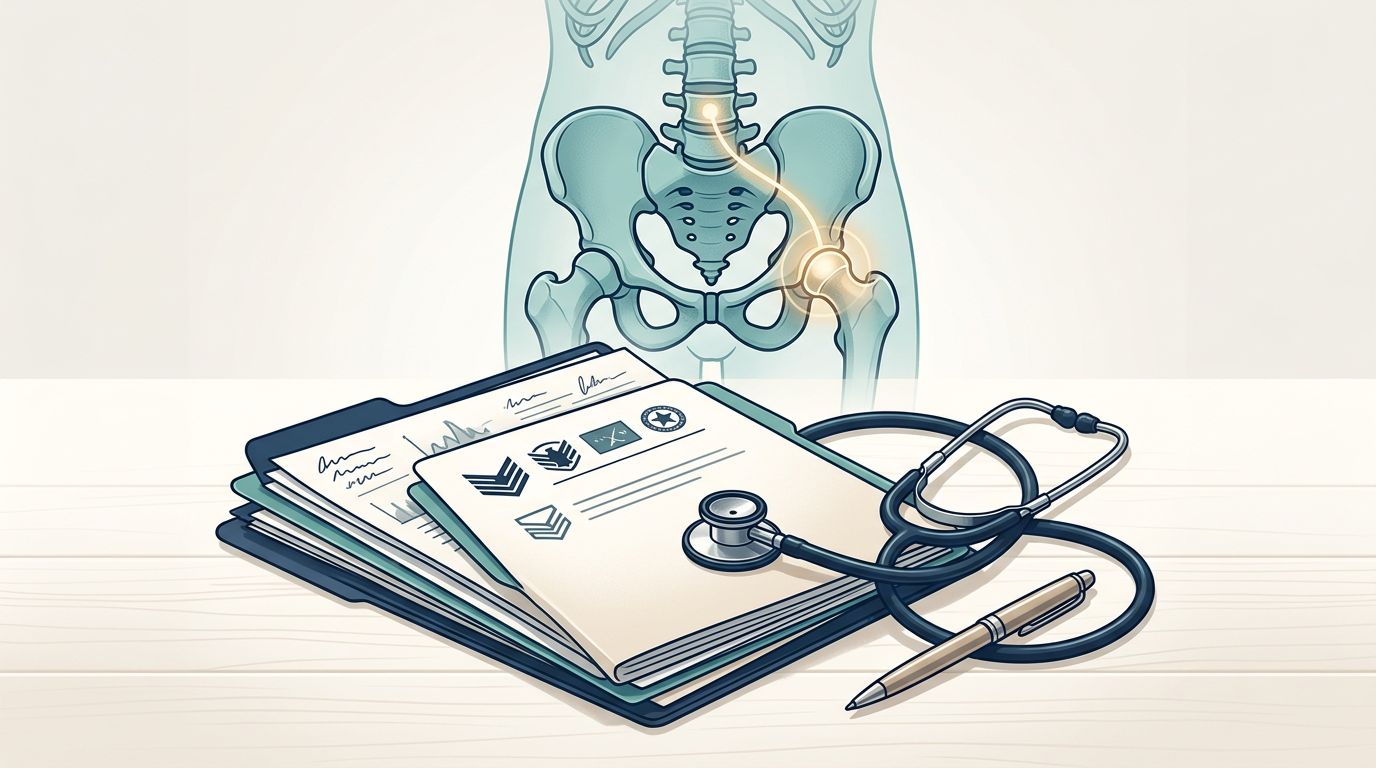
For example, a service-connected hip disability may change the way you walk. Years of altered movement could contribute to a back condition. The back condition is not automatically service-connected because the hip is. You must prove the medical relationship between them.
The governing rule is found in 38 C.F.R. § 3.310. The regulation allows compensation for a disability that is proximately due to, or the result of, a service-connected disease or injury. It also addresses disabilities aggravated by a service-connected condition. The VA’s 38 C.F.R. § 3.310 analysis provides official background on the regulation’s application.
A primary disability can support a secondary claim even if VA assigned it a 0% rating. The important point is that VA must have granted service connection for the primary condition. A 0% rating means VA recognizes the condition but found that it doesn’t meet the criteria for monthly compensation at that level.
The three basic parts of a secondary claim are:
- VA has recognized the primary disability as service-connected.
- You have a current diagnosis or qualifying persistent symptoms involving the secondary condition.
- Competent evidence connects the secondary condition to the primary disability.
A claim can involve physical or mental health conditions. Common examples include a knee disability connected to later hip or back problems, or a service-connected injury connected to depression caused by chronic pain and loss of function. These relationships require evidence in the individual case. VA doesn’t grant the claim based on the diagnosis alone.
A VA disability compensation basics overview can help explain how ratings, evidence, and service connection fit together before you pursue a secondary condition.
How VA Secondary Service Connection Is Proven
The strongest claims tell a consistent medical story. Your records should show what condition began first, what happened afterward, and why a qualified medical professional believes the two conditions are connected.
Establish the primary service-connected disability
Start with the VA decision that granted service connection for the primary condition. Review the diagnostic code, effective date, rating, and condition description. These details help define the disability that allegedly caused or aggravated the secondary condition.
A claim is weaker when it identifies a symptom instead of the actual service-connected diagnosis. For example, “pain from my old injury” doesn’t identify the condition clearly enough. The evidence should connect the secondary disability to the recognized knee, hip, spine, nerve, respiratory, or mental health condition.
If the primary condition is still on appeal, tell VA that you believe another disability is secondary to it. The outcome of the primary claim may affect the secondary claim, so both issues should be presented together when appropriate.
Prove a current secondary diagnosis
VA generally needs evidence of a current disability. Symptoms can help establish the claim, but a diagnosis gives VA a defined condition to evaluate and rate.
Useful records may include:
- Imaging studies, pulmonary testing, sleep studies, laboratory results, or other diagnostic testing.
- Treatment notes from a primary care provider or specialist.
- Surgical records and rehabilitation reports.
- Prescription history and documented treatment changes.
- Mental health evaluations that identify a diagnosed condition.
- Lay statements describing persistent or recurring symptoms that you can observe.
The diagnosis should match the condition you claim. A record showing back pain doesn’t necessarily establish degenerative disc disease, radiculopathy, or another specific disorder. Ask your provider to clarify the diagnosis when the medical file uses broad terms.
Obtain a reasoned nexus opinion
The nexus is the medical bridge between the two conditions. A useful opinion does more than state, “The veteran’s back condition is related to the service-connected hip condition.”
The provider should explain:
- Which service-connected condition caused or aggravated the secondary disability.
- The medical process connecting the conditions.
- The relevant treatment history and timing.
- Whether other causes were considered.
- Why the conclusion follows from the records and examination.
The standard generally used in VA claims is at least as likely as not, meaning the evidence supports a probability of 50 percent or greater. A doctor doesn’t need to prove the connection beyond all doubt. Still, the opinion needs a clear rationale.
A private physician may review your VA file, service treatment records, civilian records, imaging, and personal history. The opinion should identify those materials rather than rely only on your current description.
A conclusory letter can create problems. If the provider doesn’t explain the reasoning, VA may give the opinion little weight. On the other hand, an unfavorable VA examination doesn’t automatically end the claim. You can challenge an inadequate opinion when the examiner ignored relevant records, misstated your history, or failed to address aggravation.
Causation and Aggravation Are Different Paths
Secondary service connection usually involves one of two theories: causation or aggravation.
Causation means the service-connected disability caused the secondary condition to develop. The secondary condition might not have appeared without the primary disability.
Aggravation means the secondary condition existed independently, but the service-connected disability made it worse. The evidence must show more than the fact that both conditions exist at the same time.
Consider a veteran with a service-connected knee condition and a later diagnosed back disorder. If medical evidence shows the knee condition caused an abnormal gait that produced the back disorder, the claim follows a causation theory. If the back disorder existed before the knee worsened but became more severe because of the altered gait, the claim follows aggravation.
The distinction matters because VA may evaluate the level of disability before and after aggravation. Medical evidence should identify the baseline severity when the record allows. Earlier treatment notes, imaging, work records, and prior examinations may help establish that baseline.
Temporary symptoms still require careful analysis. A short flare-up may not prove that the underlying disability increased because of the service-connected condition. Your medical provider should describe the actual change in severity, frequency, functional limits, or treatment needs.
The Federal Circuit’s decision in Spicer v. McDonough has also affected how VA considers secondary causation. As of 2026, VA adjudication guidance addresses whether a disability would have occurred, or would have been less severe, but for the service-connected condition. The guidance also considers whether the service-connected disability delayed, prevented, or interfered with treatment for another condition.
That analysis can matter when the primary disability did not directly create the secondary diagnosis. For example, a service-connected condition may limit treatment choices or prevent timely care, allowing another illness to worsen. The medical opinion must explain that connection rather than rely on a general statement about worsening health.
What Changed for Secondary Claims in 2026?
The underlying regulation remains 38 C.F.R. § 3.310. The 2026 change involves the way VA guidance addresses causation after Spicer.
The broader “but for” analysis asks whether the secondary disability would have occurred in the same way without the service-connected condition. It can also ask whether the secondary condition would have been less severe without that condition.
That doesn’t mean every condition that follows a service-connected disability qualifies. The evidence still must establish a current disability and a medically supported relationship. VA also continues to apply the benefit-of-the-doubt standard when the evidence is approximately balanced, but a claimant must first provide evidence supporting the claim.
The update may help veterans whose cases involve treatment interference or a chain of medical events. Suppose a service-connected condition prevents a veteran from receiving a recommended procedure, delays care, or limits rehabilitation. A qualified provider may be able to explain how that delay affected the later diagnosis or its severity.
The strongest approach is to address the facts directly:
- What treatment did the primary condition prevent or delay?
- What alternative treatment became necessary?
- When did the secondary condition worsen?
- What records show the change?
- Would the secondary condition have developed or reached the same severity without the primary condition?
The M21-1 is VA adjudication guidance, not a replacement for the regulation or the evidence in your file. A Board decision can illustrate how VA applies the law to particular facts, but it doesn’t guarantee the same result in another claim. For example, an official VA Board decision involving a back condition and hip disabilities shows how secondary service connection depends on the evidence tied to the claimant’s medical history.
Building the Evidence for Your Claim
Evidence should do more than confirm that you have two diagnoses. It should connect the diagnoses through records, timing, medical reasoning, and functional impact.
Begin with a complete timeline. List the date of the primary diagnosis, treatment milestones, surgeries, changes in mobility, onset of new symptoms, and secondary diagnosis. Include private treatment, VA care, urgent visits, and periods when you stopped treatment because symptoms improved or access became difficult.
Treatment records can show a gradual pattern that a single examination misses. A physical therapist may document altered gait. A specialist may record reduced range of motion. A neurologist may identify nerve symptoms. Mental health notes may describe how chronic pain affects sleep, mood, work, and relationships.
Lay evidence has a role as well. You can describe observable facts, such as limping, difficulty climbing stairs, disrupted sleep, or changes in daily activities. A spouse, coworker, family member, or caregiver may describe changes they witnessed. These statements usually cannot diagnose a complex condition, but they can establish when symptoms appeared and how they progressed.
Medical evidence should address competing explanations. If you have age-related changes, an old civilian injury, obesity, smoking history, or another medical condition, the opinion should explain whether those factors caused the secondary disability or whether the service-connected condition still played a causal or aggravating role.
A strong nexus opinion often answers four questions:
- What records did the provider review?
- What diagnosis is being evaluated?
- What medical mechanism connects the primary and secondary conditions?
- Why is the relationship at least as likely as not?
VA may schedule a compensation and pension examination. Attend the examination and describe your symptoms accurately. Don’t minimize limitations, but don’t exaggerate them. Bring a concise timeline if the examiner permits it, and explain how the primary condition affects the secondary condition during ordinary activities and flare-ups.
If the examination report contains factual errors, address them promptly. Compare the report with your medical records and identify missing evidence. A supplemental claim may require new and relevant evidence. An appeal may require a different response, depending on the decision and review option.
Filing, Ratings, and Appeals in Florida
You can submit a secondary claim through VA using the disability compensation application process. The claim should identify the primary service-connected condition, the secondary diagnosis, and the theory of entitlement, such as causation or aggravation.
Attach relevant medical records and a nexus opinion when available. VA may request additional records or schedule an examination. The steps to file a VA claim provide a practical starting point for organizing the submission.
If VA grants service connection, it assigns a rating based on the severity of the secondary disability. The rating depends on the applicable diagnostic criteria and the symptoms supported by the record. Service connection alone doesn’t guarantee a particular percentage.
Aggravation claims can involve additional rating questions because VA may compare the current severity with the baseline level. Your decision should explain the effective date, rating percentage, and evidence VA relied upon. Read those sections carefully.
When VA denies the claim, you generally have review options under the modern appeals system. Depending on the evidence, you may request a Higher-Level Review, file a Supplemental Claim with new and relevant evidence, or appeal to the Board of Veterans’ Appeals.
Deadlines matter. The decision notice states the date and available review paths. Keep copies of everything you submit, including medical opinions, statements, forms, and mailing confirmations. A VA claim timeline can help you track common processing stages and potential back-pay issues.
Florida veterans may work with a VA-accredited attorney or representative who can review the rating decision and determine whether the medical nexus, examination, effective date, or rating analysis contains an error. Representation can be useful when the claim involves multiple conditions or a long medical history.
Common Problems That Weaken Linked Disability Claims
Many denials result from an incomplete connection between the primary and secondary conditions.
One common problem is relying on proximity alone. A secondary diagnosis that appeared after the primary disability isn’t automatically related to it. The record must explain why the timing supports a medical connection.
Another problem is submitting a bare nexus letter. A provider’s conclusion carries less weight when it lacks a record review or medical rationale. The opinion should discuss relevant evidence, not repeat the claimant’s belief.
Some claims also identify the wrong theory. If the secondary condition existed before the primary disability worsened, aggravation may fit better than direct causation. If the primary condition interrupted treatment, the opinion should address the treatment pathway and resulting harm.
Incomplete records create another obstacle. VA may not see private imaging, older treatment notes, or records from a different healthcare system unless you identify them and authorize their release. Request copies for your own file so you know what the decision-maker can review.
Finally, don’t overlook the rating decision’s reasoning. VA may concede a current diagnosis but deny the nexus. It may also accept the connection but assign a rating that doesn’t reflect your documented limitations. The correct response depends on the exact reason for the decision.
Conclusion
A successful VA secondary service connection claim requires a documented primary disability, a current secondary condition, and medical evidence connecting them through causation or aggravation. In 2026, the but-for analysis may also matter when a service-connected disability delayed treatment, limited care, or made another condition more severe.
Your medical timeline and nexus opinion should answer the same question: would the secondary disability have developed, or reached its current severity, without the service-connected condition? When the records and medical reasoning support that answer, your claim has a stronger foundation.