
Florida Water Park Injury Claims: Ride Records
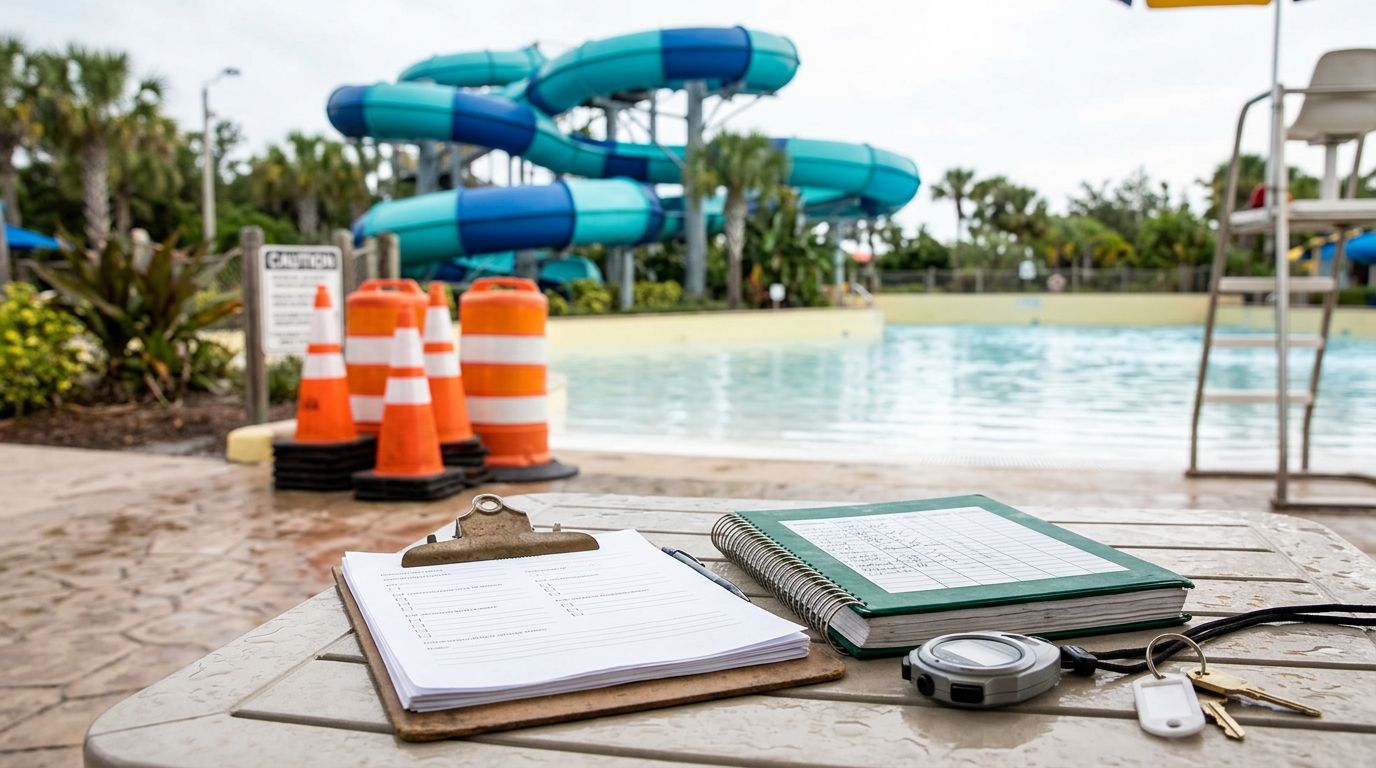
A serious injury at a Florida water park can happen in seconds, but proving what caused it may take months. Florida water park injury claims often depend on records that show what the park inspected, what staff knew, and whether lifeguards or attendants were assigned where they were needed.
Ride logs and lifeguard records can reveal problems that aren’t visible in photographs. They may show a recurring equipment defect, an incomplete inspection, a staffing gap, or an earlier complaint about the same hazard. Preserving those records quickly can affect whether an injured visitor can prove negligence.
How Ride Logs Support Florida Water Park Injury Claims
A water park generally controls the evidence surrounding an accident. The park may hold daily inspection forms, maintenance files, work orders, employee schedules, surveillance footage, incident reports, and electronic entry records. Guests usually leave with only their memories, photographs, medical bills, and whatever information staff voluntarily provide.
That imbalance matters. A visitor may know that a slide stopped abruptly or that a landing area was dangerously crowded. However, the park’s records may show whether employees had reported the problem earlier or whether management delayed a repair.
“Ride logs” can include more than a simple record of rides operated that day. They may include:
- Daily inspection forms for slides, rafts, platforms, stairs, barriers, and landing areas.
- Maintenance records and repair work orders.
- Cleaning and floor-inspection records.
- Reports about ride stoppages, collisions, guest complaints, or emergency responses.
- Names and schedules of employees assigned to the attraction.
The timing of each entry can be important. If a park recorded a malfunction before your injury, that entry may support notice and breach. If an employee completed an inspection after the accident but failed to record a known defect, the record may raise additional questions about the park’s procedures.
Lifeguard records can provide a separate line of proof. They may show who was stationed at a slide entrance, landing zone, wave pool, lazy river, or other area. They can also show whether the park had enough coverage during the period when the injury occurred.
A written preservation request should identify the exact ride, date, approximate time, location, and type of injury. Those details help the park locate video, logs, and employee records before routine retention practices result in deletion.
What Florida Requires Water Parks to Record
Florida law includes inspection and recordkeeping requirements for regulated amusement rides. Under Florida Statutes section 616.242, amusement ride inspections must be recorded when they occur, and the inspector must sign the record. The statute also requires the last 14 daily inspection records to remain on site and be available to the state upon request. You can review the Florida amusement ride statute for the statutory requirements.
Florida Administrative Code Rule 5J-18.016 requires the owner, manager, or designee to inspect a water-related amusement ride before each day’s use. The inspection must determine whether the ride is in proper operating condition. The rule also addresses appropriate inspection records and standards incorporated through the amusement ride regulations. The Florida administrative rule for water-related amusement rides provides additional detail.
The Florida Department of Agriculture and Consumer Services identifies forms and procedures connected with fair and amusement ride inspections. A water park’s daily inspection paperwork may include the FDACS 03425 form, known as the Fair Rides Owner’s Daily Inspection Report for a water park. The FDACS fair ride inspection information can help identify the agency’s role.
Daily inspection records
A daily inspection form may show that staff checked a slide, conveyor, restraint, platform, ladder, pool, or other ride component. It may also show whether someone marked a defect, removed the ride from service, or authorized continued operation.
The form alone won’t automatically establish negligence. A park may argue that the inspection was completed and the ride appeared safe. A personal injury attorney must compare the form with repair records, employee testimony, photographs, video, and the conditions described by witnesses.
Lifeguard and attendant records
The cited inspection rules don’t create a single standardized lifeguard record equivalent to the daily ride inspection form. Still, staffing and supervision records can be important evidence in a lawsuit. A request may seek the lifeguard schedule, post assignments, time records, training documentation, certification information, radio communications, rescue reports, and supervisor notes.
For example, a slide collision may raise questions about whether an attendant released riders too closely together. An injury at a landing pool may involve the number of lifeguards watching the area and whether a guard could see the entire zone. Those facts depend on staffing records, testimony, and video rather than the inspection form alone.
What the Records Can Prove About Negligence
Most Florida water park injury claims involve the basic negligence questions of duty, breach, causation, and damages. The park may owe visitors a duty to maintain reasonably safe conditions, follow applicable procedures, provide adequate warnings, and supervise attractions properly.
Ride logs can support the breach element when they show missed inspections, repeated defects, delayed repairs, or an authorization to operate despite a known problem. Maintenance records may show that a component had failed before. A work order can establish that employees knew about a condition and did not correct it before a guest was hurt.
Lifeguard records can support a staffing or supervision theory. They may show that no attendant was assigned to a required post, that a position remained vacant, or that coverage changed during the relevant time. The records may also identify employees who witnessed the incident or responded immediately afterward.
Causation still requires careful proof. A defective handrail must connect to the fall. A delayed slide dispatch must connect to the collision. A crowded landing area must relate to the impact rather than merely exist nearby. Medical records, witness accounts, video, and expert testimony may help establish that connection.
Wet-surface cases require another layer of analysis. Water on a pool deck doesn’t automatically prove liability. The evidence must show that the condition created an unreasonable danger and that the park knew or should have known about it. Cleaning logs, inspection rounds, warning signs, photographs, employee statements, and the length of time the water remained can all matter.
A daily inspection entry can show what the park checked. A repair work order can show what the park already knew.
The incident report may also help. It can establish the time and location, identify the employees who responded, and preserve statements made soon after the event. However, it isn’t automatically proof that the park accepted responsibility. Lawyers compare it with other evidence for omissions or inconsistencies.
Preserve Evidence After a Water Park Injury
The first priority is medical treatment. Some water park injuries, including head injuries, spinal trauma, fractures, and soft-tissue damage, may become more apparent after the initial accident. Follow medical instructions and keep records of every visit, prescription, test, and restriction.
Then take these steps:
- Report the incident to guest services, security, or a supervisor before leaving if your condition allows. Ask for the incident report number and write down the name and title of the person who took the report.
- Photograph the exact location, ride entrance, landing area, deck surface, warning signs, barriers, footwear, visible injuries, and any equipment involved. Include wide photographs that show the surrounding layout.
- Record the ride name, approximate time, location, weather conditions, and what happened immediately before the injury. Save admission tickets, wristband information, receipts, parking records, app data, and related emails.
- Obtain names and contact information for witnesses. A companion’s account can help, but independent guests or employees may provide important details about the condition and the park’s response.
- Contact a lawyer promptly about a written preservation demand. The request should identify surveillance footage, daily inspection logs, maintenance records, cleaning records, lifeguard assignments, radio communications, incident reports, and employee information.
Avoid signing a release or accepting a payment before understanding what rights it may affect. Do not assume the park will preserve every video angle or employee record automatically. A formal notice creates a clear record that the evidence matters.
Defenses, Waivers, and Deadlines
A water park may argue that you ignored posted instructions, entered a restricted area, used a ride improperly, or failed to follow safety directions. Florida’s modified comparative negligence rules can reduce damages when an injured person shares fault. If a jury finds the person more than 50% responsible, recovery may be barred under the current rule.
Parks may also rely on language printed on tickets, websites, signs, or electronic waivers. A waiver is not automatically enforceable. Florida courts examine whether the language is clear, specific, and unmistakable about releasing negligence claims. A waiver generally cannot protect a business from gross negligence or intentional misconduct.
Time limits also require attention. For many Florida personal injury claims arising on or after March 24, 2023, the limitations period is two years. Older injuries may fall under a different rule, and special circumstances can affect the deadline. Because waiting can eliminate a claim, speak with a Florida attorney soon after the incident.
When to Get Legal Help With a Water Park Injury
A lawyer can send preservation demands, identify the records that fit your theory, investigate witnesses, review medical evidence, and seek records through formal discovery when needed. The attorney can also compare the park’s public explanation with its inspection forms, staffing records, video, and maintenance history.
Choose counsel who handles premises liability and personal injury cases in Florida. Avard Law’s Florida personal injury attorneys assist people injured in accidents and can evaluate whether the available evidence supports a claim for medical costs, lost income, pain, and future care.
A consultation is especially important when the park says the incident was your fault, refuses to identify the responding employees, or asks you to sign a release.
Conclusion
The strongest Florida water park injury claims usually require more than proof that an accident occurred. They require evidence showing what condition existed, who knew about it, whether the park followed its inspection and staffing procedures, and how the conduct caused the injury.
Ride logs, maintenance files, incident reports, and lifeguard records can answer those questions. Preserve them early, document your medical treatment, and get legal advice before a short deadline or lost evidence weakens your claim.