
Florida SSDI Incarceration: Benefits After Release
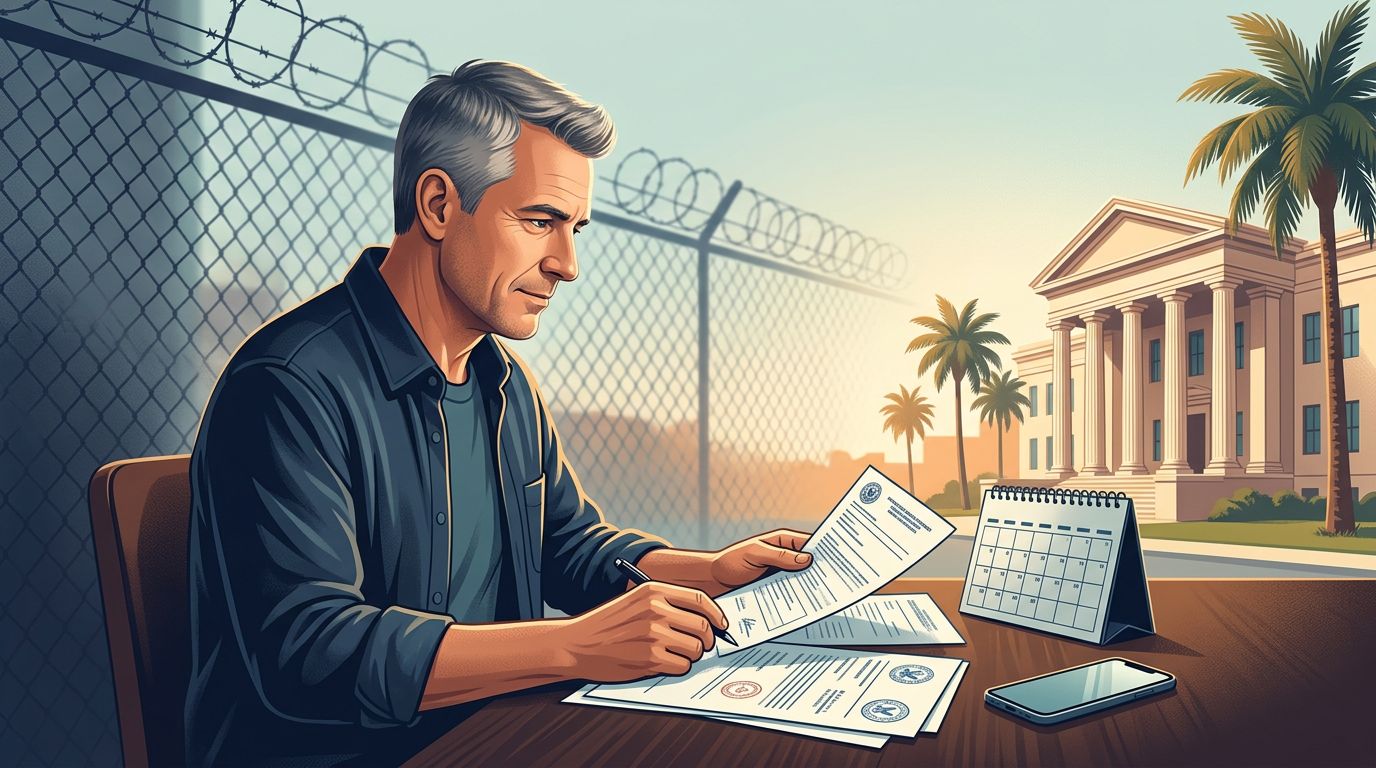
A prison sentence can stop Social Security Disability Insurance payments, but it doesn’t always erase your right to benefits. Florida SSDI incarceration rules depend on the conviction, the length of confinement, and whether your underlying disability entitlement remains active.
After release, many people can restart SSDI without filing a brand-new claim. However, Social Security won’t always act automatically. Knowing when payments stop, what documents to provide, and when legal help may be needed can prevent a long interruption in income.
How incarceration affects SSDI benefits in Florida
SSDI is a federal benefit based on your work history and Social Security taxes. Florida follows the same incarceration rules as every other state because the Social Security Administration, not the Florida Department of Children and Families, controls SSDI eligibility and payments.
SSA generally suspends SSDI when a person is convicted of a felony and confined in a correctional facility for more than 30 continuous days. The rule can apply to confinement in a prison or jail after conviction. A short jail stay before the 30-day threshold usually doesn’t trigger this particular suspension.
The suspension doesn’t mean SSA has decided that your medical condition improved. It means federal law temporarily blocks payment while you remain in qualifying custody. Your medical records, work credits, and disability finding may still support your underlying entitlement.
SSA’s benefits after incarceration guidance confirms that retirement, survivors, and disability benefits may become payable again after release if the person still meets the program’s requirements.
Suspension is different from termination
This distinction matters. A suspended benefit may resume when the reason for the suspension ends. A terminated benefit usually requires a new application or another formal step.
For SSDI, incarceration generally causes a payment suspension rather than an automatic end to disability entitlement. Still, other events can affect your claim while you’re incarcerated. For example, SSA might conduct a continuing disability review, receive information about work activity, or send notices that you don’t receive while in custody.
Missing an SSA notice can create a separate problem. If the agency makes an unfavorable decision, keep the envelope and read the appeal deadline as soon as possible. A Florida disability attorney can review whether the decision concerns incarceration, medical evidence, work activity, or another issue.
Your family may also be affected. An eligible spouse or child receiving auxiliary benefits on your work record may continue receiving payments even while your own SSDI is suspended. The prisoner’s suspension doesn’t automatically stop every benefit connected to the earnings record.
Florida SSDI incarceration after release: restarting payments
Release from prison doesn’t always cause SSDI payments to appear in your bank account immediately. You should contact SSA as soon as you leave custody and report the release.
Bring official documents showing:
- Your full name and Social Security number
- The facility where you were confined
- Your release date
- Any parole or supervision information
- Court documents if your conviction was overturned, dismissed, or otherwise changed
A release certificate, discharge paperwork, or document from the correctional facility can help SSA verify the date. Keep the original and provide a copy unless an SSA representative instructs you otherwise.
SSA’s prisoner guide states that benefits may be reinstated beginning with the month following the month of release. That date is different from the date your payment arrives. Processing time, direct-deposit information, and unresolved eligibility issues can delay the actual deposit.
If your release occurs near the end of a month, ask the SSA representative to confirm the exact payable month. Get the representative’s name, the date of your call or visit, and any confirmation number.
Official release matters
A person may leave a traditional prison building without being fully released from correctional control. For example, a halfway house or residential program under the authority of a state Department of Corrections may still affect benefit payments.
Parole status can also require careful review. In some cases, benefits don’t resume until you are officially released or placed on parole under conditions that no longer qualify as confinement. The paperwork should show the change in custody status.
The phrase Florida SSDI incarceration can describe several different situations, including a county jail sentence, state prison confinement, or a supervised reentry placement. SSA must examine the actual custody facts rather than relying only on what the facility is called.
If SSA says your benefit remains suspended after release, ask what information is missing. Sometimes the problem is a reporting delay between the correctional facility and SSA. Other times, the agency needs proof of release or clarification about continued custody.
SSDI and SSI have different incarceration rules
Many Floridians receive both SSDI and Supplemental Security Income. The programs have different rules, so a suspension affecting one benefit may not affect the other on the same date.
| Benefit | When incarceration affects payment | What happens after release |
|---|---|---|
| SSDI | Generally after conviction and more than 30 continuous days of qualifying confinement | Payments may restart if the underlying entitlement and disability requirements remain in place |
| SSI | After one full calendar month of incarceration | If suspension lasts less than 12 consecutive months, SSI may restart after release if all requirements are met |
| SSI after 12 months | SSI generally terminates after 12 consecutive months of suspension | The person usually must file a new application |
The Social Security Administration’s reentry publication explains that SSI payments stop after a full month of incarceration. If the person remains incarcerated for a year or longer, SSI usually terminates instead of remaining suspended.
For example, a person incarcerated on May 1 and still confined through May 31 may have SSI suspended beginning June 1. If the person is released before 12 consecutive months pass, reinstatement may be possible without a new SSI application, provided the person still meets the income, resource, and living arrangement rules.
The SSDI rule is separate. Someone who receives both benefits should ask SSA to review each program independently. A person may be able to restart SSDI while facing a new SSI application, or vice versa.
People preparing to leave custody may also qualify for pre-release assistance. SSA can accept certain SSI applications shortly before release, often within 30 days. Under an approved pre-release agreement, the application window may extend farther. This issue matters when the person has no active benefit to restart.
Court status, parole, and other exceptions
A conviction is an important part of the SSDI incarceration analysis. A person held before trial is not automatically subject to the same suspension rule based only on an arrest or pending charge.
If the court dismisses the charges, enters a not-guilty finding, vacates the conviction, or otherwise changes the case, provide SSA with certified court documents. The agency may need proof before it corrects the payment record.
An appeal can create a second complication. If the conviction is overturned and the person is released while awaiting further proceedings, SSA may treat the period differently from ordinary post-conviction confinement. The release date and court order should be documented carefully.
A release to parole doesn’t always answer the question by itself. SSA may review whether the person remains under correctional control and whether the placement qualifies as confinement. A Florida attorney can help organize the court and correctional records when the custody status is disputed.
Family benefits deserve separate attention. If a spouse or child depends on payments from your earnings record, contact SSA about their continuing eligibility. Their payments may remain available even when your own monthly SSDI payment is suspended.
When release doesn’t restore SSDI automatically
Release ends the incarceration issue, but it doesn’t resolve every possible benefit problem. SSDI can still be unavailable if your insured status expired, SSA found that you are no longer disabled, or the agency terminated your claim for another reason.
Likewise, release doesn’t create SSDI eligibility for someone who never qualified for the program. You still need enough work credits and a medical condition that prevents substantial work and has lasted, or is expected to last, at least 12 months.
If you must file a new claim, review the SSDI application checklist before submitting forms. Gather medical records, medication information, treatment history, work details, and documentation of your release. Your incarceration history should be accurate, but the medical evidence must still show how your condition limits work.
SSA evaluates disability through a formal process. The Social Security disability test focuses on functional limitations, not merely a diagnosis. Explain whether you can sit, stand, lift, concentrate, follow instructions, maintain attendance, or handle workplace stress.
If SSA denies reinstatement or sends a notice ending benefits, don’t assume the decision is final. A denial may concern a missing release record, a continuing disability review, or an unrelated eligibility issue. The correct response depends on the notice and the deadline stated in it.
Steps to take before and after release
A small amount of preparation can reduce delays. If possible, ask the facility’s reentry staff or a benefits counselor to help gather the required records before release.
- Request official release paperwork that states the exact release date.
- Confirm whether you will remain in a halfway house, parole program, or other DOC-controlled placement.
- Contact SSA promptly after release and report the change in custody.
- Ask SSA to review SSDI, SSI, and any dependent benefits separately.
- Keep copies of every document, notice, receipt, and phone record.
- Seek legal advice if SSA refuses reinstatement or claims your disability entitlement ended.
Don’t wait several months before reporting your release. A delayed report can leave your record showing that you remain incarcerated. If your living arrangement, income, or medical condition has also changed, tell SSA because those facts may affect SSI or a new disability application.
Conclusion
Florida SSDI incarceration usually pauses payments after qualifying post-conviction confinement, but release may restore benefits when your underlying entitlement remains valid. Contact SSA promptly, provide official release documents, and confirm the effective month for reinstatement.
SSDI and SSI follow different timelines, especially after 12 months of SSI suspension. If the agency doesn’t restart your payments or sends a new denial, review the notice quickly and get legal help before the appeal deadline passes.