
Florida Dental Malpractice Claims After Nerve Damage
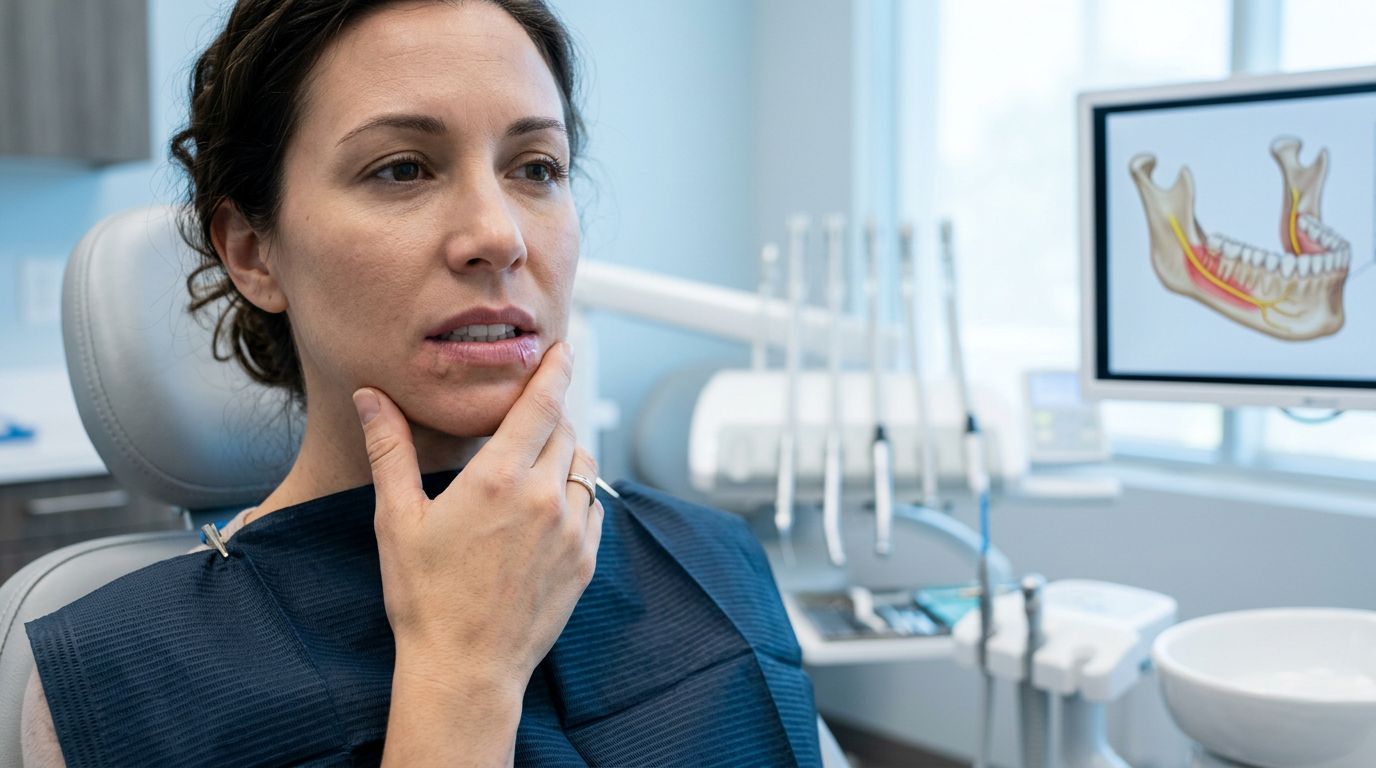
A dental procedure can leave more than soreness when an injured nerve causes persistent numbness, burning, or loss of sensation. A Florida dental malpractice claim may be possible when a dentist’s careless treatment, planning, or follow-up causes damage that a reasonably careful dental professional would have prevented.
Nerve injuries often involve difficult questions. Some are known complications that can occur despite proper care. Others result from poor imaging, improper technique, delayed treatment, or a failure to recognize warning signs. Understanding the injury, proof, deadlines, and possible compensation can help you decide what to do next.
Nerve damage after dental work can be temporary or permanent
Dental nerve damage can affect the face, mouth, tongue, teeth, lips, or chin. The symptoms depend on which nerve was injured and how severely the damage occurred.
The inferior alveolar nerve runs through the lower jaw and supplies sensation to the lower teeth, lip, and chin. The lingual nerve provides feeling to the tongue and may affect taste. Damage near the front of the jaw can involve the mental nerve, which affects the lower lip and chin.
A patient may experience:
- Numbness or reduced sensation that continues after the expected effect of anesthesia.
- Tingling, pins-and-needles sensations, or electric-shock pain.
- Burning pain or increased sensitivity to touch.
- Difficulty speaking, eating, drinking, or controlling the tongue.
- Accidental biting of the cheek, tongue, or lip.
- A changed sense of taste or an ongoing feeling that part of the mouth is swollen.
- Sleep problems, anxiety, depression, or difficulty concentrating because of chronic pain.
The injury may happen during a wisdom tooth extraction, implant placement, root canal, bone graft, injection, or other procedure near a nerve. In some cases, the nerve is bruised or compressed and improves over time. Severe injuries can produce permanent sensory loss or chronic neuropathic pain.
Persistent symptoms deserve medical attention. A dentist, oral and maxillofacial surgeon, neurologist, or pain specialist may assess the injury and recommend treatment. Early evaluation also creates a clearer medical record of when symptoms began and how they developed.
Numbness after dental anesthesia is expected for a limited period. Numbness that continues, worsens, or changes into burning or electric pain requires prompt follow-up.
A second opinion can help determine whether the nerve is healing, compressed, severed, or affected by another condition. Treatment might include medication, physical therapy, nerve blocks, microsurgery, or pain management. The right treatment depends on the injury and the findings in the medical records.
When Florida dental malpractice may be involved
A nerve injury alone doesn’t prove negligence. Dental procedures carry risks, and a known complication can occur even when the dentist follows accepted practices. The legal question is whether the dentist failed to provide the level of care expected from a reasonably careful dentist in similar circumstances.
A claim may involve one or more of these issues:
- The dentist failed to obtain or review appropriate X-rays, scans, or other imaging before treatment.
- The procedure occurred too close to a nerve because the dentist misread the anatomy or selected an unsafe approach.
- An implant, instrument, needle, or filling material entered an area where it caused nerve trauma.
- The dentist used excessive force or placed an implant at the wrong depth or angle.
- The dentist failed to recognize symptoms that required immediate treatment or referral.
- The provider delayed removing pressure from a nerve or failed to send the patient to an appropriate specialist.
- The dentist did not adequately explain material risks, alternatives, or the likely consequences of treatment.
- The dental office failed to follow appropriate infection-control or follow-up procedures, causing additional injury.
The timing of the symptoms can matter. Immediate numbness after a lower-jaw procedure may have a different explanation than symptoms that appear days later. A record showing repeated complaints, missed follow-up, or delayed referral can also affect the analysis.
Still, a poor result doesn’t automatically establish a case. A dentist may argue that the injury was an accepted risk, that the patient’s anatomy made the procedure unusually difficult, or that a preexisting condition caused the symptoms. The claim must connect the provider’s specific conduct to the injury.
Florida’s general professional negligence standard appears in Florida Statutes section 766.102. A review of the applicable Florida medical malpractice law can also help explain how dental negligence fits within the state’s broader medical malpractice rules.
How a Florida dental malpractice claim is proven
Most Florida dental malpractice claims require proof of four basic elements:
- The dentist owed the patient a professional duty of care.
- The dentist breached the accepted standard of care.
- The breach more likely than not caused the nerve injury.
- The injury caused measurable losses.
The first element is usually straightforward. A dentist who examines or treats you generally owes a duty to provide care that meets the applicable professional standard.
The second element requires a careful review of what happened. A lawyer may compare the treatment plan, imaging, procedure notes, anesthesia records, follow-up instructions, and later medical findings. The question is whether another reasonably careful dentist would have acted differently under the same circumstances.
Causation is often the hardest part. You may have nerve symptoms after a procedure, but the defense can argue that the symptoms resulted from the underlying condition, a normal complication, another provider’s treatment, or an unrelated medical problem. A qualified expert must often explain why the dental treatment caused the injury and why the injury would probably have been avoided with proper care.
Expert testimony may address issues such as:
- Whether the dentist ordered and interpreted the right imaging.
- Whether the nerve was close to the treatment area.
- Whether the chosen procedure and technique were appropriate.
- Whether the symptoms required an urgent referral.
- Whether earlier treatment could have reduced the damage.
- Whether the injury is temporary, permanent, or likely to require future care.
Florida also requires a reasonable pre-suit investigation in medical negligence cases. Before filing, the attorney generally must have a good-faith basis supported by qualified medical review. The investigation helps separate a legally supportable claim from a painful outcome that does not amount to malpractice.
A claim may become stronger when the records contain objective findings, such as imaging showing implant intrusion into a nerve canal, surgical notes showing a misplaced device, or specialist findings consistent with traumatic nerve injury. Subjective pain is also legally relevant, but objective evidence can make causation easier to establish.
The defense may focus on informed consent. If the patient signed a form listing nerve damage as a possible complication, that document may help the defense, but it doesn’t automatically defeat a negligence claim. A signed consent form doesn’t give a dentist permission to provide care below the professional standard.
Deadlines and presuit rules can decide the case
Florida imposes strict deadlines on dental malpractice claims. In most cases, the statute of limitations is two years from the date you discovered, or should have discovered with reasonable diligence, both the injury and the reasonable possibility that malpractice caused it.
A separate four-year statute of repose usually runs from the date of the negligent act. It can bar a claim even when the patient didn’t discover the nerve injury until later. Claims involving fraud, concealment, or intentional misrepresentation may receive a longer period, often described as up to seven years. Special rules also apply to some claims brought on behalf of minors.
The deadline analysis can become difficult when symptoms develop gradually. For example, a patient may initially believe that numbness is normal after an extraction. Later, burning pain or a specialist’s diagnosis may suggest a possible nerve injury. The legal question may involve when the patient knew, or should have known, enough facts to investigate a potential malpractice claim.
The date of discovery isn’t always the date of the procedure. However, waiting for complete medical certainty can create a serious risk. A lawyer needs time to obtain records, consult an expert, investigate the provider’s conduct, and complete Florida’s required pre-suit process.
The Florida medical malpractice statute of limitations provides a detailed discussion of the two-year discovery period and four-year repose period. Because exceptions are fact-specific, don’t rely on a general deadline estimate without reviewing the treatment dates and symptom history.
Before filing a lawsuit, Florida generally requires the patient to complete a medical malpractice pre-suit process. Under Florida Statutes section 766.106, the claimant must serve a notice of intent to sue on the prospective defendant. The notice begins a period during which the dentist or practice investigates the claim and responds.
The pre-suit process usually includes:
- A reasonable investigation by the patient’s attorney.
- Review of the records by a qualified medical expert.
- Service of a notice of intent to sue.
- A 90-day investigation and response period.
- Possible rejection, settlement discussions, or an admission of liability with a dispute about damages.
- Filing a lawsuit if the claim isn’t resolved.
Serving notice can toll the limitations period for the statutory pre-suit period. After negotiations end, additional filing time may apply, but the exact calculation depends on the dates and circumstances. A notice sent too late cannot always revive a claim that already expired.
Compensation in a dental nerve injury case
A successful claim may provide compensation for losses caused by the dental negligence. The value depends on the severity of the injury, the strength of the evidence, and the effect on the patient’s life.
Potential damages may include:
- Emergency treatment and corrective dental care.
- Specialist visits, diagnostic testing, medication, and surgery.
- Future treatment for permanent nerve pain or sensory loss.
- Lost wages during recovery.
- Reduced earning capacity if the injury affects work over time.
- Physical pain, mental anguish, inconvenience, and loss of enjoyment of life.
- Other out-of-pocket expenses tied to the injury.
Future medical costs require support from medical records and qualified testimony. A patient may need ongoing medication, follow-up care, counseling, pain treatment, or reconstructive procedures. The claim should account for those needs when the injury is permanent or unlikely to resolve.
The effect on daily life can also matter. A person who works with customers, speaks for a living, prepares food, plays music, or depends on fine oral control may experience employment problems that another patient would not. Chronic facial pain can affect sleep, relationships, eating habits, and social activities.
Insurance negotiations may focus on whether the nerve injury is permanent and whether the dentist’s conduct caused it. The insurer may request extensive records and may compare the patient’s condition before and after treatment. A settlement should account for the full injury, because resolving the claim usually prevents additional recovery for the same damage later.
Evidence to collect after nerve damage
Records often determine whether a dental malpractice claim can move forward. Start by preserving every document related to the procedure and the symptoms that followed.
Request copies of:
- Dental charts, treatment plans, and procedure notes.
- Pre-treatment and post-treatment X-rays, CT scans, and other imaging.
- Consent forms and written risk disclosures.
- Anesthesia records and medication information.
- Follow-up notes, referrals, and specialist evaluations.
- Bills, insurance statements, and receipts for related care.
- Communications with the dental office, including portal messages and emails.
Create a simple timeline while the events remain fresh. Record the date of treatment, when the anesthesia wore off, when numbness or pain began, what you reported, how the office responded, and when another provider diagnosed or treated the injury.
Keep a symptom diary that describes pain intensity, location, triggers, sleep disruption, eating problems, and work limitations. Use concrete descriptions rather than general statements. “Burning pain across the left side of my tongue when eating” gives a clearer record than “mouth hurts.”
Follow reasonable treatment instructions and attend recommended appointments. If you seek another opinion, tell the new provider exactly when the symptoms began and provide prior imaging when available. Treatment decisions should focus on your health, not on creating a lawsuit record.
Avoid deleting messages or posting detailed comments about the dentist or injury online. Social media posts, photographs, and statements to insurers may later become part of the dispute. Give complete information to your lawyer, including facts that may support the provider’s position.
What to expect when you speak with a Florida attorney
A Florida dental malpractice lawyer will usually begin with the treatment history, symptom timeline, records, and current medical condition. The lawyer will want to know what procedure occurred, what the dentist told you before treatment, when symptoms appeared, and what happened after you reported them.
The initial review may address several questions:
- Did the provider owe you a professional duty?
- What standard of care applied to the procedure?
- Is there evidence of a breach?
- Can an expert connect the breach to the nerve injury?
- What treatment and losses have resulted?
- Is the claim still within the applicable deadline?
- Can the dentist, practice, or another responsible party be sued?
The attorney may obtain complete records directly from the providers. An independent dental or medical expert can then review the imaging and treatment documents. The expert’s opinion may determine whether the case proceeds through the Florida pre-suit process.
A strong case can still take time. The presuit period is designed to give the parties an opportunity to investigate and discuss resolution before litigation. If the parties don’t reach an agreement, the attorney may file a complaint and continue with discovery, depositions, expert testimony, and settlement negotiations.
The defense may claim that the injury was a recognized risk, that the patient delayed reporting symptoms, or that another condition caused the problem. Your lawyer will need to address those arguments with medical evidence rather than assumptions.
You can speak with Florida medical malpractice attorneys about the facts of your case and the records needed for review. Bring treatment dates, provider information, symptom details, and copies of any records you already have.
Conclusion
A nerve injury after dental work can involve more than a painful complication. If the dentist failed to plan safely, used improper technique, ignored warning signs, or delayed needed care, a Florida dental malpractice claim may provide a path to compensation.
The two-year discovery deadline, four-year statute of repose, expert review, and pre-suit notice requirements make early legal review important. Preserve your records, document your symptoms, continue appropriate medical care, and have a Florida attorney assess whether the evidence supports a negligence claim.