
Florida Bowel Obstruction Misdiagnosis and CT Delay Claims
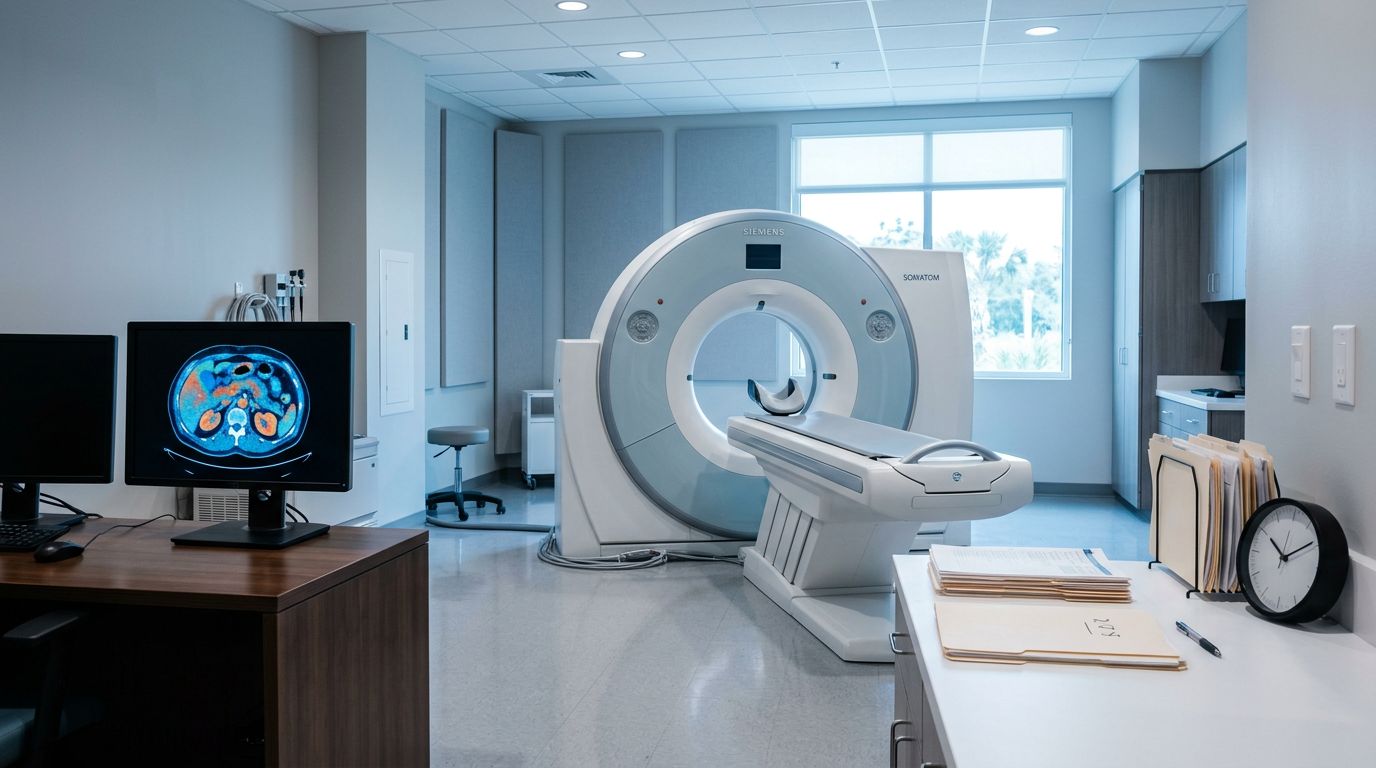
Severe abdominal pain, repeated vomiting, and a swollen abdomen can signal a bowel obstruction that needs prompt evaluation. A bowel obstruction misdiagnosis may allow pressure, loss of blood flow, bowel tissue death, perforation, or sepsis to develop before treatment begins.
In Florida, a malpractice claim depends on more than a poor medical outcome. The medical records must show what providers knew, when they knew it, whether a CT scan or other testing was reasonably required, and whether the delay probably caused additional harm. The timing of each decision often becomes the central evidence.
What a bowel obstruction is, and why timing matters
A bowel obstruction prevents food, fluid, digestive contents, or gas from moving normally through the intestines. A physical blockage can result from scar tissue after surgery, a hernia, a tumor, twisting of the intestine, inflammation, or another condition. An ileus can also slow or stop bowel movement without a physical blockage.
Symptoms vary, especially during the early stages. Common warning signs include:
- Cramping or persistent abdominal pain
- Abdominal swelling or tenderness
- Nausea and repeated vomiting
- Constipation or inability to pass gas
- Dehydration, weakness, or a rapid heartbeat
- Fever or worsening pain
A patient may still pass stool during a partial obstruction. That fact alone doesn’t rule out a serious problem. Symptoms can also change after an initial emergency department visit, which makes serial examinations and clear follow-up instructions important.
As pressure increases inside the intestine, blood flow may become restricted. The affected bowel can become ischemic, meaning it doesn’t receive enough oxygen. Without treatment, the tissue may die and perforate. Bacteria can then enter the abdominal cavity, causing peritonitis or sepsis.
A CT scan of the abdomen and pelvis can help identify the obstruction’s location, likely cause, and complications. It may show a transition point, dilated bowel, free air, fluid, ischemia, or other findings. However, a CT isn’t automatically required in every case. The appropriate test depends on the patient’s history, physical findings, vital signs, laboratory results, kidney function, pregnancy status, prior surgeries, and overall condition.
The important legal question is whether the provider’s evaluation matched the information available at that time.
How bowel obstruction misdiagnosis claims are evaluated in Florida
Florida medical negligence law focuses on whether a healthcare provider acted with the level of care, skill, and treatment that a reasonably careful provider would have used under similar circumstances. A claim involving a missed obstruction generally requires proof of four connected points:
- The provider owed the patient a duty of care.
- The provider breached the applicable professional standard.
- The breach caused or contributed to the injury.
- The patient suffered legally compensable damages.
The duty is usually clear when a patient receives care from an emergency physician, hospital, radiologist, surgeon, urgent care provider, or other healthcare professional. The harder issues are breach and causation.
A bad outcome does not prove malpractice
A bowel obstruction can worsen even when providers act appropriately. Some obstructions are difficult to identify early. Symptoms can resemble gastroenteritis, constipation, food poisoning, kidney stones, gallbladder disease, or other abdominal conditions.
For that reason, a bowel obstruction misdiagnosis claim cannot rely only on the fact that surgery later became necessary. A medical expert usually must explain what a reasonably careful provider would have done with the symptoms, examination findings, medical history, and test results available at the time.
Potential breaches may include ignoring repeated signs of obstruction, failing to perform appropriate imaging, overlooking a radiology finding, failing to consult surgery, or discharging a patient despite worsening symptoms. The particular facts matter. A provider may have a reasonable explanation for delaying CT imaging, but that explanation should appear in the medical record.
Causation requires a separate showing. The claimant must connect the delay to a worse medical result. For example, an expert may conclude that earlier imaging would probably have led to decompression or surgery before the bowel lost blood flow. The opinion must address the patient’s actual condition, not a general statement that earlier treatment is always better.
Several providers may have separate roles
A single episode can involve multiple providers. An emergency physician may decide whether to order imaging. A radiologist may interpret the scan. A nurse may document worsening symptoms or notify a physician. A surgeon may receive a consultation request and decide whether to operate.
The hospital may also face a claim based on policies, staffing, communication, or the actions of employees. However, a hospital isn’t automatically responsible for every physician involved in treatment. Employment status, contracts, agency relationships, and the specific conduct must be examined.
When a bowel obstruction was missed, the attorney and medical experts must identify where the care fell below the applicable standard. That assessment may involve one provider, several providers, or no legally provable negligence.
CT delay evidence can show where care broke down
A CT delay claim depends on a reliable timeline. Medical records often contain several different times, and they don’t always match at first glance. The relevant sequence may include:
- Arrival and triage
- Initial physician assessment
- Nursing observations
- Orders for blood tests, X-rays, or CT imaging
- The time the CT order was accepted
- Transport to radiology
- Image acquisition
- Preliminary interpretation
- Final radiology report
- Notification of a critical finding
- Physician review and response
- Surgical consultation
- Operation, transfer, or discharge
A record may show that a provider ordered a CT quickly, but the scan wasn’t performed for hours. In another case, the scan may have been completed promptly, but the report was overlooked. A third case may involve a clear report that reached the chart but never led to treatment.
Each delay raises a different question. An ordering delay concerns the initial clinical decision. A performance delay may involve transport, staffing, equipment, contrast concerns, or communication. An interpretation delay concerns the radiologist or reporting process. A response delay concerns what happened after the result became available.
The scan order and image files matter
The electronic health record may show when a CT was ordered, modified, discontinued, or completed. The radiology information system may show when the study entered the work queue and when a radiologist opened or finalized it. PACS records and the image files can help establish when the images were acquired and what they showed.
A lawyer may also request:
- The complete radiology report, including addenda
- Preliminary and final interpretations
- Critical-result notification records
- Telephone or secure-message logs
- Radiology department timestamps
- CT protocol and contrast documentation
- Image files, not only the written report
- Electronic audit trails when available
The written report is important, but it may not tell the entire story. The images can reveal whether the obstruction, transition point, free air, ischemia, or other complication was visible. A qualified radiologist may need to review the original images and compare them with later scans or operative findings.
A delayed CT isn’t automatically negligence
Providers may have legitimate reasons to choose another test or wait before ordering CT. A patient may be unstable and require immediate surgical attention. Kidney disease, allergy history, pregnancy, or a need to transfer the patient may affect imaging decisions. A physician may also order an abdominal X-ray first when the clinical presentation supports that approach.
The question is whether the decision was reasonable under the circumstances. Documentation matters because a later explanation carries less weight when the chart contains no reason for the delay.
A claim may become stronger when the records show persistent or worsening symptoms, repeated vomiting, increasing abdominal distension, abnormal vital signs, concerning laboratory results, prior abdominal surgery, or a failed initial treatment. A discharge decision can also raise concerns if the patient received little reassessment or clear instructions despite unresolved symptoms.
A CT delay becomes important when the timeline connects it to a missed treatment window, not merely because a scan occurred later.
Evidence that connects the delay to the injury
Records must show more than an error. They must help answer whether the delay changed the patient’s medical course. A later operation can provide valuable evidence because the surgeon may document the bowel’s condition, the obstruction’s cause, perforation, necrosis, contamination, and the amount of bowel removed.
The following records often help establish the sequence:
| Question | Evidence that may answer it |
|---|---|
| What symptoms were present? | Triage notes, nursing notes, physician examinations, EMS records |
| Was imaging considered? | Orders, clinical notes, differential diagnoses, consent records |
| When did CT occur? | Order timestamps, transport logs, radiology records, PACS data |
| What did the images show? | Original CT images, preliminary reports, final reports, addenda |
| Who received the result? | Notification logs, call records, messages, physician acknowledgments |
| What happened next? | Consult notes, medication orders, transfer records, operative reports |
| What injury resulted? | Pathology, discharge records, rehabilitation notes, follow-up records |
Laboratory results can support the timeline. Rising white blood cell counts, lactate levels, kidney injury, electrolyte abnormalities, or other changes may show progression. These results don’t prove negligence by themselves, but they may help an expert determine how the illness developed.
Prior medical records can also matter. A history of abdominal surgery may increase the possibility of adhesions. A known hernia, cancer, inflammatory bowel disease, or previous obstruction may make certain symptoms more concerning. The provider’s knowledge of that history may affect the standard-of-care analysis.
Witness testimony can fill gaps in the documentation. Family members may remember repeated complaints, requests for help, worsening vomiting, confusion, or statements about being discharged. Staff members may have information about communication failures or delays that don’t appear in the chart.
Medical experts then compare the records with the later findings. They may review the first examination, the time of the CT, the imaging, the operative report, and the patient’s recovery. The central opinion is whether earlier diagnosis and treatment would more likely than not have prevented or reduced the injury.
How a bowel obstruction misdiagnosis can cause additional harm
A missed obstruction may lead to more extensive surgery than would have been necessary earlier. The patient may require removal of damaged intestine, a temporary or permanent ostomy, drainage of infection, intensive care, or prolonged hospitalization.
Possible damages include medical bills, future treatment, rehabilitation, prescription costs, lost income, reduced earning capacity, physical pain, emotional distress, scarring, and disability. A person who cannot return to the same job may need vocational and economic evidence to measure future losses.
The medical records should document the effects over time. A short admission followed by full recovery presents a different damages picture from an extended hospitalization with bowel resection, complications, and ongoing care.
When a patient dies, surviving relatives may have a wrongful death claim. The available damages depend on the relationship to the deceased, financial dependency, age, surviving family members, and other facts recognized by Florida law. Funeral costs, lost support, and the survivors’ losses may be relevant.
The amount of compensation cannot be estimated from the diagnosis alone. It depends on the patient’s medical condition, the extent of the delay, the effect on treatment, income records, life expectancy, and the legal claims available against each responsible party.
Florida deadlines can affect an otherwise strong claim
Florida medical malpractice deadlines require prompt legal review. Under section 95.11(4)(b), a medical malpractice action generally must be filed within two years after the incident is discovered, or should have been discovered through reasonable diligence. The statute also includes an outside period that commonly limits claims to four years after the incident, subject to statutory exceptions.
You can review the Florida Senate’s published text of section 95.11, but the filing date depends on the facts and any later statutory amendments. A lawyer must calculate the deadline using the current law and the specific dates in the medical record.
Exceptions may apply when fraud, concealment, or intentional misrepresentation prevented discovery. Those exceptions have their own limits. Florida also has a special rule for some claims brought on behalf of children. Claims involving public hospitals or government entities may involve additional notice requirements and shorter practical timelines.
Florida generally requires a pre-suit process before filing a medical negligence lawsuit. The claimant and attorney must conduct a reasonable investigation and usually send a notice of intent to initiate litigation to the prospective defendant. The Florida medical negligence investigation statute addresses the investigation requirement.
The pre-suit process usually includes a 90-day period for the healthcare provider or insurer to investigate and respond. The statute of limitations is tolled during that period, but waiting until the deadline is close creates avoidable risk. Records take time to obtain, experts need time to review them, and the notice must comply with Florida law.
Consider a patient whose missed obstruction was discovered on March 1, 2024. Without tolling or an exception, the ordinary two-year deadline could fall on March 1, 2026. A patient who suspects a missed diagnosis in August 2026 shouldn’t assume the claim is barred or still timely. The discovery date, the negligent event, later treatment, presuit notices, and possible exceptions all require review.
What to do after a suspected missed obstruction
Start by requesting the complete medical record from every facility involved. Ask for imaging studies and image files, not only discharge summaries or portal documents. Keep copies of bills, work records, prescriptions, discharge instructions, follow-up notes, and photographs of visible injuries or surgical sites.
Write down the timeline while memories remain clear. Include the symptoms reported, the time care began, what staff members said, requests for reassessment, discharge instructions, return visits, and the date of surgery or transfer. Family members should prepare their own accounts rather than relying on one person’s memory.
Avoid posting detailed accusations about a provider online. Public statements can complicate a case and don’t replace a medical record review. Continue following the treating physician’s instructions, especially after surgery or an ostomy procedure.
An attorney can determine whether the records support a medical negligence investigation, identify the appropriate experts, and calculate the filing deadline. Avard Law’s Florida medical malpractice law guide discusses the state’s investigation and pre-suit requirements. A consultation with Florida medical malpractice attorneys can also help clarify which records and dates matter first.
Conclusion
A bowel obstruction can worsen quickly, but the legal claim depends on the evidence. The strongest cases usually connect a documented symptom pattern, an unreasonable CT or treatment delay, a missed opportunity to intervene, and a measurable injury.
Preserve the complete imaging record, build a precise timeline, and seek legal review before Florida’s deadlines create a problem. In these cases, timing is evidence: the minutes and hours between symptoms, imaging, interpretation, and treatment may determine whether a claim can be proven.