
Florida Hotel Legionnaires Claims: Water Records
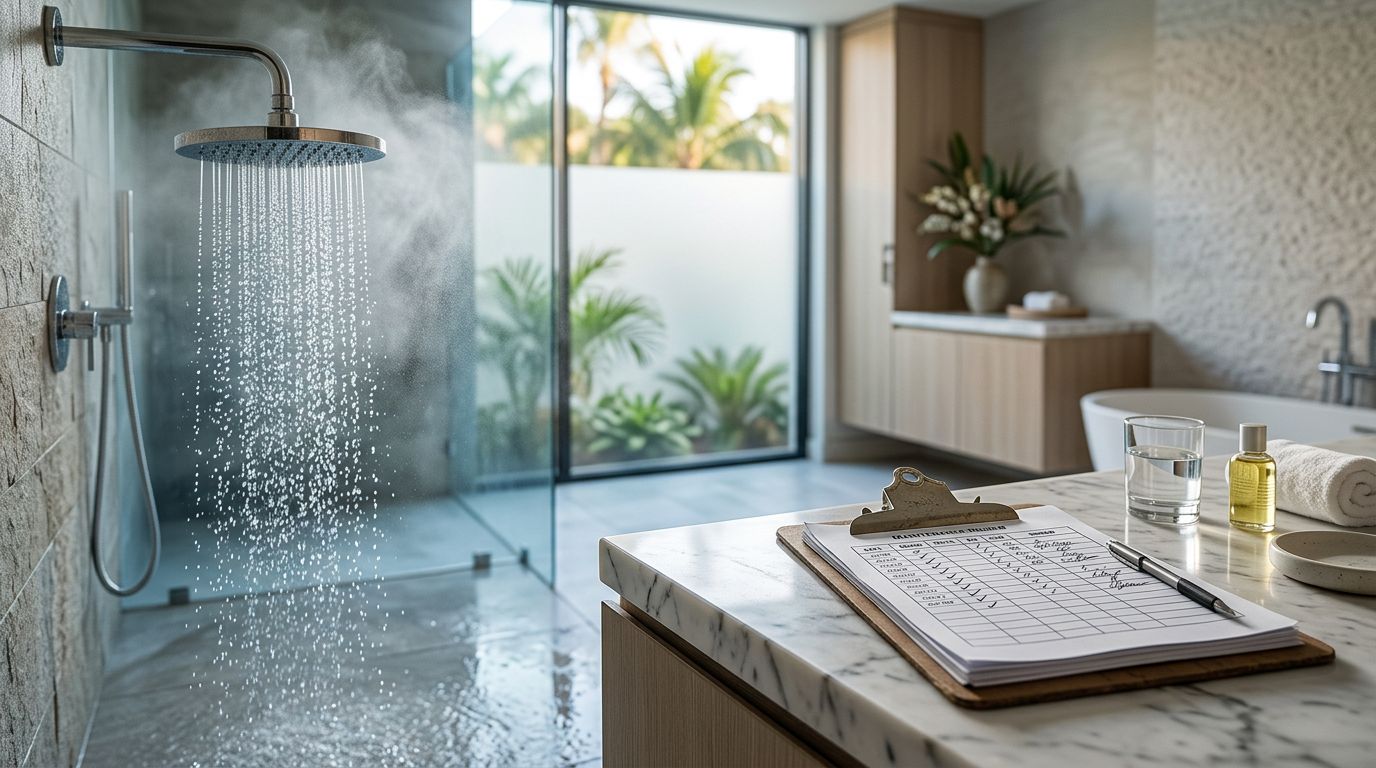
A hotel stay can become a medical emergency when contaminated hotel water produces a water vapor mist. That mist may carry Legionella bacteria into the lungs and lead to Legionnaires disease. People examining these claims often need to know whether the hotel may be responsible and how to trace the exposure.
Water testing records can show whether a property monitored, maintained, and corrected unsafe conditions. They may also identify possible exposure points, including spas, fountains, showers, and mechanical equipment. The records matter, but they must be connected to the illness, exposure timeline, and financial losses.
Key Takeaways
- Legionella can grow in warm, stagnant hotel water and reach the lungs through aerosols from showers, spas, fountains, cooling towers, and other fixtures.
- Water testing, maintenance logs, work orders, complaints, inspection reports, and remediation records may show what a hotel knew, whether it followed safety procedures, and whether it corrected dangerous conditions.
- A positive environmental test can support a claim, but liability also depends on the timing and location of the bacteria, possible exposure routes, medical evidence, and financial losses.
- Preserve hotel, travel, medical, and financial records, and avoid collecting water samples yourself because improper sampling can compromise the evidence.
- Florida deadlines may apply to personal injury or wrongful death claims, so seek legal advice promptly before important records, witnesses, or other evidence disappear.
How hotel guests contract Legionnaires’ disease
Legionella bacteria grow in warm, stagnant water. Hotels can create conditions that let them multiply when plumbing is poorly maintained or disinfectant levels fall.
A guest usually becomes infected by inhaling contaminated aerosols or droplets. A running shower, hot tub, decorative fountain, cooling tower, or similar fixture can release particles small enough to reach the lungs. This waterborne illness generally does not spread through casual contact between people.
Symptoms often appear two to 10 days after exposure. Common infection symptoms of Legionnaires disease include fever, chills, cough, shortness of breath, muscle aches, headache, nausea, diarrhea, and fatigue. The illness is a serious respiratory disease that may progress to severe pneumonia.
Adults over 50, smokers, people with chronic lung disease, and individuals with weakened immune systems face a higher risk of serious illness. The NCBI overview of Legionella control provides additional medical and building-water information.
A doctor may diagnose the infection through a urine antigen test, respiratory testing, chest imaging, or other laboratory work. Prompt medical treatment may include hospitalization, oxygen, or intensive care. Keep every medical record because the diagnosis and timing of symptoms help connect the illness to your hotel stay.
Why water testing records matter to a Florida hotel claim
Hotel water records can show what management knew, what it checked, and how it responded. They may also reveal gaps, such as missing samples, repeated failed tests, unexplained corrective work, or long periods without documented monitoring.
Florida lodging rules don’t make every property keep the same records. Requirements depend on the water system serving the property. A qualifying nonpublic supply generally requires testing before opening, every 12 months, after relocation, after well repairs or modifications, and after an emergency that could contaminate the supply.
When a required test is positive, the property may need to provide potable water from a lawful alternate source. It must disinfect, flush, and retest the supply. Written laboratory results may also go to a public health department.
A hotel connected to a regulated public utility may have different records. Florida Department of Environmental Protection materials describe operating reports, disinfection checks, flow measurements, and operation and maintenance logs. Certain utility records must be retained for at least 10 years, although the hotel may not possess every document held by the supplier.
Pool and spa records are separate from source-specific testing. They may contain chlorine levels, pH, temperature, cleaning, and inspection entries. A compliant pool log doesn’t automatically prove that the hotel’s showers, fountains, cooling tower, or building plumbing were safe.
A routine water test can show general bacterial contamination, but it may not test for Legionella. A missing Legionella-specific result doesn’t by itself prove that the property was safe.
These cases often depend on records that guests never receive. An attorney can make formal requests to the hotel, management company, maintenance vendors, water supplier, laboratory, and public health agencies.
What a hotel Legionnaires claim must prove
Under Florida negligence standards, a negligence or premises liability claim generally requires proof of four basic points:
- The hotel or another defendant owed you a duty of reasonable care.
- The defendant breached that duty by failing to maintain, inspect, test, or correct a dangerous condition.
- The breach was a legal cause of your illness.
- You suffered compensable injuries and losses.
A positive environmental test can support the case, but it does not automatically establish liability. The legal question includes when the bacteria were present, where they were found, whether guests could be exposed, and whether the hotel knew or should have known about the condition.
Work orders, invoices, guest complaints, and treatment records can help establish legal accountability. They may show what the hotel knew or should have known about recurring maintenance problems or unresolved concerns.
Potential defendants may include the property owner, hotel operator, property management company, maintenance contractor, treatment vendor, or another business responsible for the premises. Identifying the correct parties matters because each may control different records and carry separate insurance.
An experienced personal injury lawyer can provide legal representation while reviewing ownership records, contracts, maintenance obligations, inspection records, and insurance before filing a claim.
Which water records should be preserved?
Contact a lawyer before asking the hotel detailed questions about fault. A direct request may not preserve documents, and routine retention policies can lead to lost records.
Important evidence may help establish exposure, notice, causation, or financial losses:
- Laboratory reports identifying sample dates, locations, test methods, results, and corrective actions.
- A water management plan, risk assessments, sampling schedules, flushing procedures, and disinfection protocols.
- Maintenance logs for a hot tub, pools, fountains, showers, storage tanks, building cooling equipment, and plumbing components.
- Disinfectant readings, pH, temperature, and flow records.
- Work orders, invoices, service contracts, inspection reports, and vendor communications.
- Guest complaints, incident reports, internal emails, employee statements, and management meeting records.
- Health inspection reports, agency notices, closure orders, remediation records, and reopening approvals.
- Hotel reservations, room assignments, guest lists, and records showing which facilities were open during your stay.
Your own evidence should include the reservation confirmation, receipts, room number, check-in and checkout dates, travel companions, photographs, text messages, and communications with hotel staff. Write down when symptoms began and where you used showers, spas, pools, fountains, or other water features.
Keep medical bills, hospital records, test results, prescriptions, wage statements, and information about missed work. If a family member died, preserve funeral expenses, employment records, financial dependency information, and medical documentation.
Do not collect hotel water yourself. Untrained sampling can contaminate the specimen and compromise its value. Public health officials and qualified laboratories use procedures that preserve testing integrity and chain of custody.
How health officials investigate a hotel outbreak
A health department investigation starts with patient information. Investigators interview patients about travel, hotel dates, room locations, activities, medical history, and possible exposures during the incubation period. They may also ask about a vacation rental, workplace, event venue, or other travel setting. Investigators compare cases to see whether guests shared a building, water feature, floor, event, or time period. This can help assess a possible bacterial outbreak without assuming every cluster is confirmed.
Investigators then inspect potential aerosol-producing fixtures and the hotel’s water system. Potential sources may include showers, decorative fountains, storage tanks, a cooling tower, humidifiers, mechanical equipment, and sections of building plumbing. Samples can come from several locations because the first positive sample may not identify where exposure occurred.
Florida investigations have included hotel-associated cases and environmental testing. The Florida Department of Health report on notable outbreak investigations illustrates how officials evaluate suspected outbreaks and inspect building plumbing.
The timing of testing matters. A hotel may disinfect or flush building plumbing after receiving a health warning. That can produce negative samples later. Earlier laboratory reports, treatment records, and communications may therefore be more useful than a single test taken after remediation.
Patient and environmental laboratory results can provide stronger source evidence when they identify compatible strains. Still, a negative environmental sample does not automatically defeat a claim. Bacteria can be difficult to recover after flushing, temperature changes, chemical treatment, or the passage of time.
Damages, deadlines, and the next legal step
A compensation claim may seek payment for hospital care, medication, rehabilitation, follow-up medical treatment, lost wages, reduced earning capacity, and other out-of-pocket costs. It may also cover pain, suffering, disability, emotional distress, and the effects of respiratory disease on daily life.
If the condition causes death, surviving relatives may have a wrongful death claim. Recoverable losses can include funeral expenses, lost support, lost services, and survivors’ emotional losses, depending on the applicable law and facts.
Florida generally allows two years for many negligence-based personal injury and wrongful death claims. The correct deadline may depend on the date of injury or death, the defendant, tolling rules, and governmental claim procedures. Do not assume that waiting for a complete diagnosis or final medical outcome extends the filing period.
Settlement recovery depends on documented losses, medical evidence, causation, and the strength of available records. A legal team can send preservation demands, identify responsible parties, request public records, and obtain medical evidence. Early action also helps preserve witnesses and water-related records.
Frequently Asked Questions
How do people contract Legionnaires disease at a hotel?
People usually become infected by inhaling contaminated water aerosols or droplets from sources such as showers, hot tubs, fountains, cooling towers, or plumbing fixtures. The illness generally does not spread through casual person-to-person contact.
Can hotel water testing records prove that the hotel was liable?
Water records may help show whether the hotel monitored, maintained, and corrected unsafe conditions. A positive test alone does not establish liability; the evidence must also connect the bacteria to the exposure, illness, and resulting losses.
Which hotel records should be preserved?
Important records may include laboratory results, water management plans, maintenance logs, disinfectant readings, work orders, guest complaints, inspection reports, remediation records, and room or facility-use information. Guests should also preserve reservation details, photographs, communications, medical records, bills, and wage information.
What should I do if I believe I contracted Legionnaires disease at a hotel?
Seek medical care promptly and keep records of the diagnosis, symptoms, treatment, hotel stay, and possible water exposures. Report the illness to appropriate health authorities and speak with a lawyer before contacting the hotel in detail or attempting to collect water samples.
How long do I have to bring a Florida hotel Legionnaires claim?
Florida generally allows two years for many negligence-based personal injury and wrongful death claims, but the applicable deadline can vary. The date of injury or death, the defendant, tolling rules, and governmental claim procedures may affect the filing period, so do not delay obtaining legal advice.
Conclusion
For Florida hotel Legionnaires claims, water testing records can show whether management followed procedures and recognized a danger. They may also show whether the danger was corrected before guests were exposed. These records can help officials and attorneys distinguish a suspected hotel source from other possible exposures.
Preserve your travel and medical evidence, report the illness to appropriate health authorities, and seek timely legal advice before important records disappear. A claim becomes stronger when the diagnosis, exposure timing, property records, and financial losses fit together.