
Florida Rental Car Accident Claims After a Crash
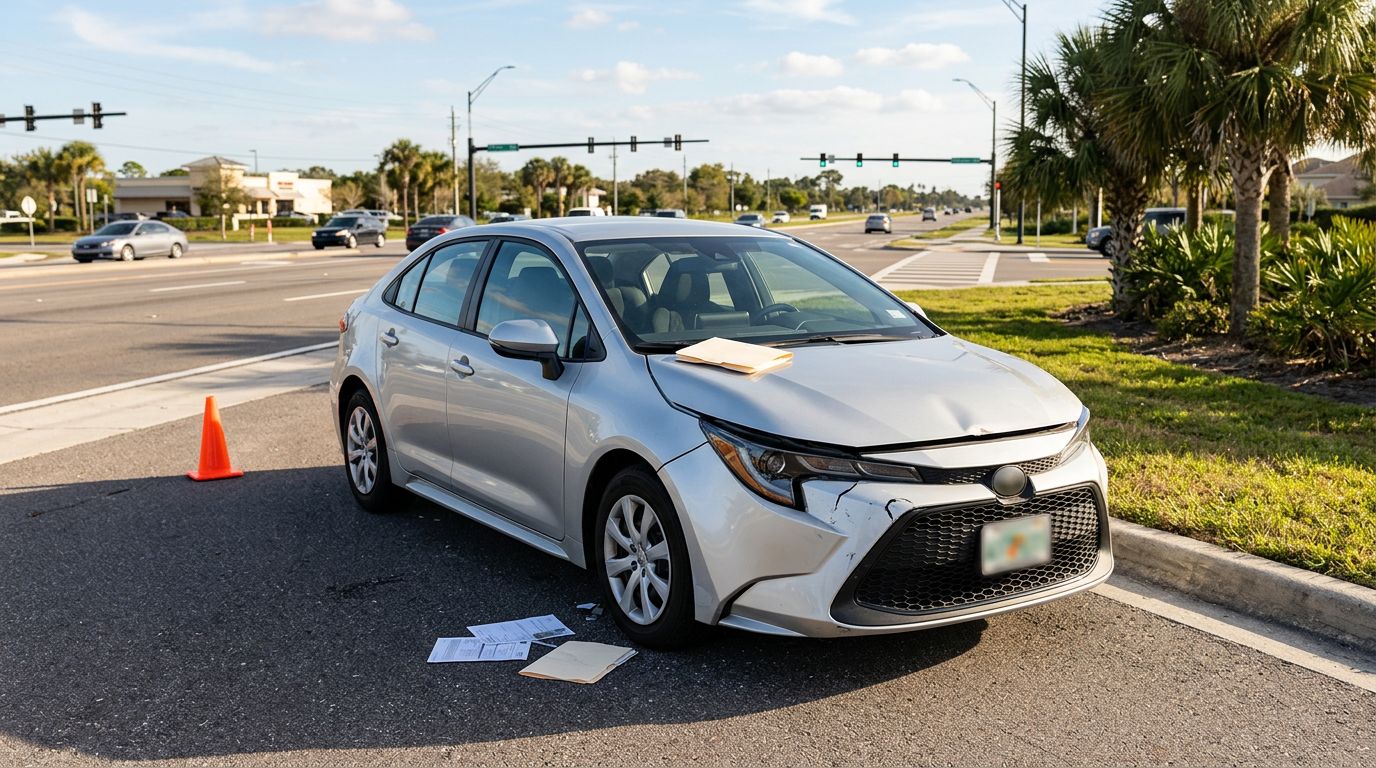
A collision can become harder to resolve when the damaged vehicle belongs to a rental company. Florida rental car accident claims often involve separate questions about your injuries, the rental vehicle, and which insurance company must pay.
When another driver hits you, you may have several possible sources of compensation. Florida’s no-fault system usually sends your initial medical bills through Personal Injury Protection, or PIP. Damage to the rental car often follows a different insurance path. The steps you take at the scene can affect both claims.
What Florida rental car accident claims usually involve
A rental car crash usually creates two related but separate claims:
- An injury claim, which concerns medical care, lost income, pain, and other losses.
- A property damage claim, which concerns repairs, towing, loss of use, and charges from the rental company.
The other driver may have caused the collision, but that doesn’t mean their insurer will immediately pay every bill. The insurance company may investigate the crash, compare statements, inspect vehicle damage, and review the police report before accepting fault.
Florida is a no-fault state. Your own PIP coverage generally pays first for covered medical expenses after a crash, regardless of who caused it. PIP commonly pays 80% of reasonable medical expenses and 60% of lost wages, subject to the policy’s $10,000 limit and other legal requirements.
You should seek initial medical care within 14 days. A medical provider’s findings can also affect whether you qualify for the full PIP limit. Delaying treatment gives an insurer an argument that the injury wasn’t serious or wasn’t caused by the collision.
PIP doesn’t resolve every loss. If the other driver was negligent, you may pursue a bodily injury claim against that driver’s liability insurer. Pain and suffering claims generally require an injury that meets Florida’s serious-injury threshold, such as permanent loss of an important bodily function, permanent injury, significant disfigurement, or death.
Property damage follows another path. Payment may come from:
- The at-fault driver’s property damage liability coverage.
- Collision coverage under your own auto policy.
- A Collision Damage Waiver or Loss Damage Waiver purchased through the rental company.
- Coverage provided by a credit card, if its terms apply.
The rental agreement controls many responsibilities. Read it before accepting or disputing charges.
Steps to take after another driver hits your rental car
Safety comes first. Move away from traffic if you can do so safely, call 911 when anyone is injured, and request law enforcement at the scene. Florida law requires a crash report when a collision involves an injury, death, or at least $500 in apparent property damage. The Florida Highway Safety and Motor Vehicles crash guidance explains the state’s reporting requirements.
Exchange information with the other driver, including the driver’s name, address, phone number, license information, insurance details, and license plate number. Record the rental company’s name and the vehicle’s rental agreement number as well.
Take photographs before vehicles move, if conditions allow. Capture the position of each vehicle, traffic signs, lane markings, road conditions, visible damage, and nearby businesses or cameras. Photograph the other vehicle’s plate and insurance card. Ask witnesses for contact information instead of relying on memory later.
Report the collision promptly to:
- The rental company or roadside assistance number.
- Your own auto insurer, if you have a personal policy.
- The credit card company that paid for the rental, if you used card coverage.
- The other driver’s insurer, if you have its claim information.
Don’t admit fault at the scene. You can explain what happened, but avoid guessing about speed, distance, or whether you feel “fine.” Adrenaline can hide symptoms for hours. A simple statement such as “The other vehicle struck my rental car at the intersection” is more reliable than speculation.
Keep every document, including the rental contract, police report, medical records, prescription receipts, towing invoices, repair estimates, photographs, and messages from insurers or the rental company. These records help connect the crash to your losses.
Which insurance pays for your injuries and rental car?
Insurance coverage depends on the policy language and the facts. A rental vehicle doesn’t automatically place every responsibility on the rental company.
Medical bills and lost wages
Your PIP coverage is usually the first place to submit medical bills after a Florida crash. If you don’t own a vehicle, coverage may still exist through another applicable policy or the rental arrangement. The insurer must review the specific policies involved.
PIP may not cover all treatment costs or lost income. Medical expenses can exceed the available limit, and PIP doesn’t fully compensate pain, inconvenience, or future losses. When the other driver caused the crash, a third-party injury claim may address damages that PIP doesn’t pay, subject to Florida’s serious-injury rules.
You may also have uninsured or underinsured motorist coverage. That coverage can help when the at-fault driver has no insurance or carries limits too low to cover your injuries. Check whether your personal policy includes UM or UIM benefits and whether exclusions apply to the rental vehicle.
Damage to the rental vehicle
The rental company may demand payment for repairs, towing, administrative fees, or loss of use. Those charges don’t automatically prove that you owe them.
If the other driver caused the collision, their property damage liability coverage may pay for the rental car after the insurer accepts responsibility. However, Florida’s minimum property damage limits may not cover the entire bill, especially after a serious crash or when several vehicles are involved.
Your own collision coverage may respond instead. If you purchased CDW or LDW, the rental company may waive some or all of its claim against you, depending on exclusions. Such waivers often don’t cover prohibited drivers, reckless conduct, unauthorized travel, or violations of the rental agreement.
Credit card rental protection is often secondary. It may require that you used the card for the entire rental and declined the rental company’s damage waiver. Some cards cover damage to the vehicle but exclude personal injury, liability claims, certain vehicle classes, or lengthy rentals.
A damage waiver and liability insurance are different products. A CDW or LDW may protect you from the rental company’s damage claim, but it usually doesn’t pay an injured person who claims you caused the crash.
Replacement transportation and loss of use
You may need another vehicle while the rental car is being inspected or repaired. Rental reimbursement coverage on your personal auto policy may pay for a substitute vehicle up to daily and total limits. Otherwise, the at-fault driver’s insurer may cover reasonable replacement transportation after accepting liability.
Ask for written confirmation before extending a rental. Keep receipts for rideshare trips, taxis, and other transportation. The insurer may challenge costs that exceed reasonable rates or continue after the vehicle becomes available.
Proving the other driver caused the crash
Florida rental car accident claims often turn on evidence, not the fact that your vehicle was rented. The other driver may deny texting, speeding, running a red light, or following too closely. The insurer may also argue that you share some responsibility.
Useful evidence can include the crash report, photographs, witness statements, vehicle damage patterns, traffic-camera footage, phone records, and data from a vehicle’s event recorder. Medical records can help establish when symptoms began and how treatment relates to the impact.
Florida uses modified comparative negligence. If you are found 50% or less at fault, your damages are reduced by your percentage of fault. If you are more than 50% at fault, you generally can’t recover damages in a negligence action. Read about Florida modified comparative negligence law before making statements about the crash.
Your conduct after the collision can also affect the claim. Follow medical instructions, attend recommended appointments, and tell providers about all symptoms. Avoid posting photographs or comments about the accident or your physical condition. Insurers may use social media posts to question the severity of an injury.
Don’t sign a broad release before understanding what it covers. A property damage settlement may release only the vehicle claim, or it may contain language affecting injury claims. Ask for the full document and review it carefully.
Why the rental company may not be responsible
The rental company isn’t automatically liable because it owns the car. Federal law generally protects rental companies from vicarious liability for a renter’s driving under the Graves Amendment.
That protection doesn’t eliminate every possible claim against the company. Evidence of negligent maintenance, a known mechanical defect, improper inspection, or negligent entrustment can raise separate issues. For example, worn tires or faulty brakes may matter if they contributed to the crash.
When another driver hits your rental car, the main claim usually focuses on that driver’s negligence. Still, preserve the rental agreement and maintenance information if the vehicle handled poorly, had a warning light, or showed a mechanical problem before the collision.
When to speak with a Florida injury lawyer
An insurance adjuster may sound helpful while asking questions that affect liability or damages. You can report the crash and provide basic information, but don’t guess, minimize your symptoms, or agree to a recorded statement before you understand the claim.
Legal help becomes more important when:
- The other driver denies fault.
- More than one vehicle caused the collision.
- You suffered a fracture, head injury, spinal injury, permanent impairment, or significant scarring.
- The rental company demands payment.
- The at-fault driver has little or no insurance.
- Your medical bills exceed your PIP benefits.
- An insurer offers a quick settlement.
A lawyer can identify the correct insurance policies, preserve evidence, value future medical needs, and handle communications with the rental company and opposing insurers. You can review options for Florida car accident legal representation or learn about pursuing damages after a collision.
Don’t wait until negotiations fail. For crashes occurring on or after March 24, 2023, Florida generally allows two years to file a negligence lawsuit for personal injuries. Property damage claims can have a different deadline. Exceptions may apply, so prompt legal review protects your options.
Protecting your claim after a Florida rental car crash
The strongest Florida rental car accident claims keep the injury claim separate from the rental vehicle claim while connecting both to reliable evidence. Seek medical care quickly, report the collision, notify every potentially relevant insurer, and preserve the rental contract and damage records.
PIP may cover the first layer of medical expenses, while the at-fault driver’s insurance, your own policy, or a rental waiver may address additional losses. When fault, coverage, or the seriousness of your injuries is disputed, a Florida injury attorney can help protect the compensation you may be entitled to receive.