
Florida Restaurant Scalding Injury Claims: Evidence That Matters
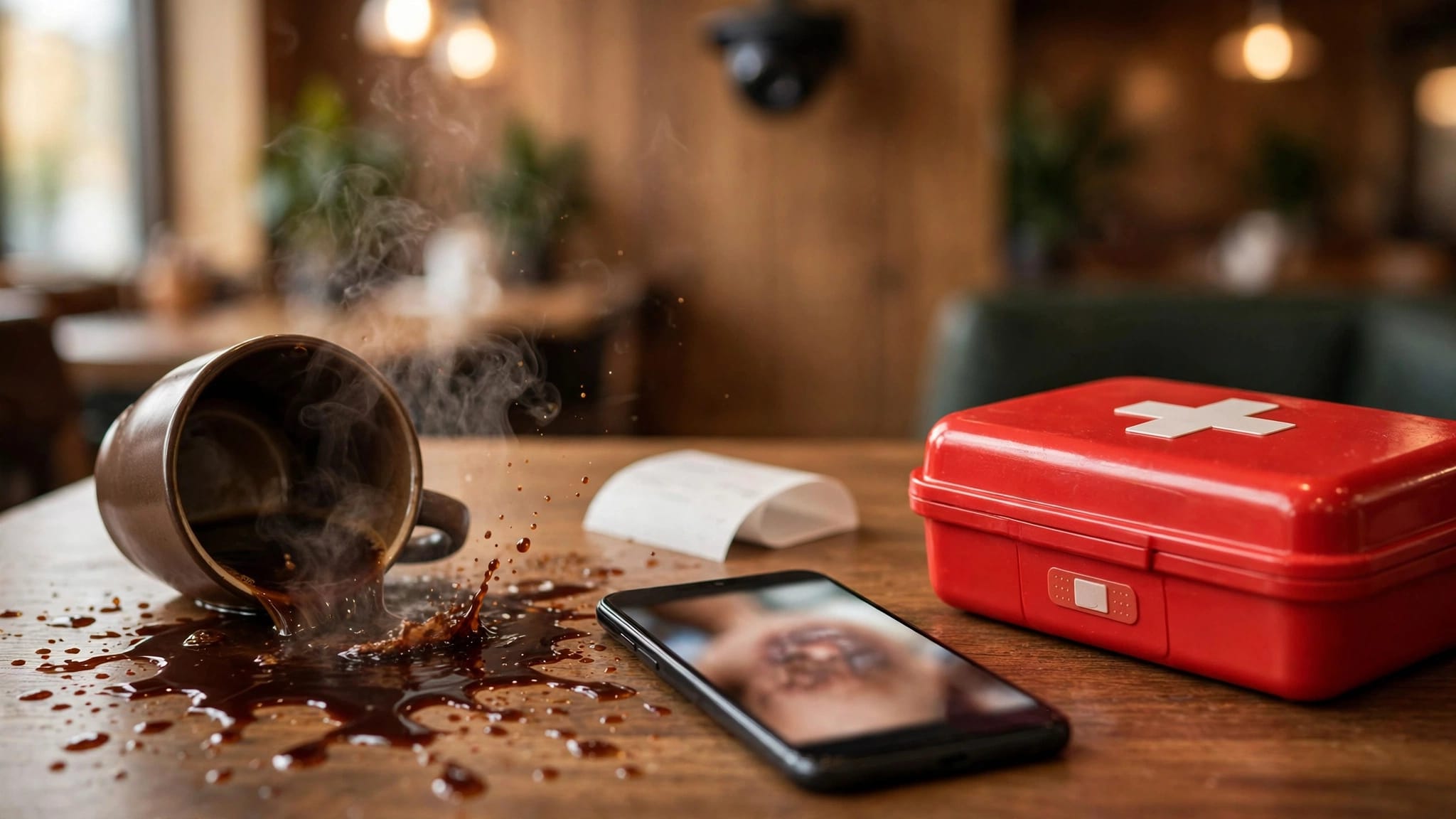
A spilled cup of coffee, a loose soup lid, or hot oil carried through a crowded dining room can cause more than a brief sting. Serious burns may require emergency treatment, wound care, skin grafts, and time away from work. Florida scalding injury claims often depend on what happened in seconds, yet the proof can disappear within days.
Restaurants may discard the cup, delete surveillance footage, or write an incident report that leaves out key details. Early medical care and careful evidence preservation can make a major difference in showing what caused the injury and how it changed your life.
Get Medical Care and Record the Burn Immediately
Burns can worsen after the first few hours. Heat may damage deeper tissue even when the skin initially looks red or only mildly swollen.
Seek prompt medical care, especially for blistering, skin discoloration, severe pain, numbness, burns on the face or hands, or a large affected area. Follow-up treatment also matters because it documents healing problems, infection risk, scarring, and physical limits.
Medical records connect the incident to the injury
Emergency room records often contain the earliest account of how the scald happened. Tell the provider where the incident occurred, what the food or drink was, and how it contacted your skin.
Ask for copies of records, discharge instructions, prescriptions, referrals, and photographs taken during treatment. A burn-depth assessment, body map, and notes about pain or limited movement may later help establish the seriousness of the injury.
Continue treatment as directed. Gaps in care can give an insurer room to argue that the injury healed quickly or came from another event.
Photograph changes, not only the first day
Take clear photos as soon as you can, then continue taking them as the burn develops. Include wide photos that show the location on your body and close photos that show blisters, peeling skin, swelling, or scars.
Keep a simple written record of sleep disruption, dressing changes, work absences, and activities you can no longer do comfortably. These details can support a claim for losses that do not appear on a medical bill.
A burn can heal unevenly. Photographs from the first week and later stages may show the full injury better than a single image taken at the restaurant.
Florida Scalding Injury Claims Require Proof of Negligence
A restaurant is not automatically liable because food or a drink was hot. Hot items are expected to carry heat. The central issue is whether the business failed to use reasonable care in preparing, packaging, carrying, or serving the item.
For most Florida scalding injury claims, an injured customer must show that the restaurant owed a duty of reasonable care, breached that duty, caused the injury, and created measurable damages. The same basic principles apply to a franchised location, cafe, buffet, food truck, or catered event, although the responsible parties may differ.
Unsafe service can take many forms
A claim may involve a defective lid that would not stay secured, an overfilled cup, a cracked bowl, a tray tipped by an employee, or a hot drink placed where a customer could easily be burned.
Other cases involve a server carrying hot soup through an unsafe aisle, an employee spilling coffee while handing it through a drive-through window, or a restaurant ignoring repeated problems with a certain container. A clear warning may matter, but a warning does not excuse careless handling or defective packaging.
Florida’s public food-service establishments operate within the inspection and regulatory framework in Chapter 509 of the Florida Statutes. Those regulations do not decide every injury case. Still, inspection history, equipment practices, and internal food-safety procedures can help reveal how the restaurant operated.
The restaurant’s knowledge can be important
Proof is stronger when records show that a restaurant knew, or should have known, about a recurring risk. Prior complaints about lids, cups, leaking bags, soup containers, or unsafe serving practices may matter.
The legal duty is similar to the duty involved in other business-property injuries. A restaurant must address reasonably foreseeable dangers it controls. Learn more about Florida premises liability duty of care when a business’s unsafe condition caused an injury.
Preserve Hot Food Evidence Before It Disappears
The cup or container may be the most important physical evidence in the case. It can show a broken seam, warped lid, missing sleeve, loose fit, poor design, or an inadequate warning.
Do not wash, alter, or throw away an item if it is safe to retain it. Place the cup, lid, bowl, tray, bag, wrapper, or packaging in a clean container or bag. Take photos from several angles before moving it.
Save the details that identify the exact product
A receipt can establish the store location, order time, item name, and transaction number. Save digital order confirmations, loyalty-app records, bank charges, menu photos, and delivery-platform notifications.
Write down the restaurant’s name and address, the date and time, where you were standing or sitting, and what employees said. If a manager gave you an incident report number, keep it. Ask for a copy of the report, but do not wait for it before documenting your own account.
The following evidence often gives a scalding case its foundation:
| Evidence | What it may show |
|---|---|
| Cup, lid, bowl, or tray | A defect, poor fit, lack of insulation, or breakage |
| Receipt and order record | The exact item, location, purchase time, and transaction |
| Photos and video | The item, spill area, visible injury, and surrounding conditions |
| Witness names | What staff did, where the item was placed, and how the spill occurred |
| Medical records | Burn severity, treatment needs, and the injury’s connection to the incident |
The closer this proof is to the moment of injury, the harder it is for a restaurant or insurer to dispute the basic facts.
Ask for video and records in writing
Many restaurants overwrite security video quickly. A written preservation request should identify the date, approximate time, store location, incident area, and people involved. It should ask the business to preserve surveillance footage, incident reports, employee schedules, training materials, maintenance records, temperature logs, and communications about the event.
An attorney can send a formal preservation letter and investigate whether the restaurant had control over video, product records, and the physical container. This step matters because a missing video file can leave the case dependent on competing memories.
Temperature, Packaging, and Handling Tell the Story
Hot food evidence is more than a photo of a spilled drink. The question is how heat, packaging, and handling combined to create an avoidable injury.
For example, coffee might be hot but still safely served in a properly secured cup. The facts change if a loose lid came off during a normal handoff, the cup collapsed, or an employee placed it in an unstable position.
Temperature evidence needs context
A thermometer reading taken right after the incident can be useful, but it is not always available. Kitchen temperature logs, preparation procedures, equipment settings, staff testimony, and training manuals may help establish how the item was heated and served.
The key is not simply that the food was hot. A claim must tie the temperature to unsafe conduct, such as an item served at an extreme heat level without adequate packaging or an employee’s unsafe handling.
Do not try to recreate the incident by reheating or testing the retained item. That can change the evidence. Instead, preserve it and record what you observed.
Witnesses often fill the gaps
Other customers may have seen a lid pop off, a worker rush through a crowded aisle, or a manager clean up the spill. Their names and contact information can be more valuable than a vague statement such as “someone saw it.”
Staff statements also matter. If an employee says, “Those lids keep coming loose,” write down the exact words, speaker, date, and time. A restaurant may later deny that the conversation occurred, so contemporaneous notes help.
Deadlines Depend on Whether You Were a Customer or Employee
Most customer injury lawsuits based on negligence have a limited filing period. For injuries occurring on or after March 24, 2023, Florida generally provides a two-year limitations period for negligence claims under Florida Statute section 95.11.
The exact deadline can depend on the facts and parties involved. Waiting also makes video, witnesses, and physical evidence harder to obtain. Prompt action protects more than the court deadline.
A restaurant employee may have a workers’ compensation claim
Kitchen workers, servers, dishwashers, and delivery staff can suffer burns from fryer oil, steam, coffee urns, hot pans, or spilled soup. When the injury arose from work, workers’ compensation is usually the first path for benefits against the employer.
Florida employees generally must report a workplace injury within 30 days. A petition for benefits is generally subject to a two-year deadline, though facts such as authorized medical treatment can affect timing. Review Florida workers’ comp claims for burn injuries for the reporting rules, available benefits, and possible third-party claims.
An employee may also have a separate claim against someone other than the employer. Examples include a negligent delivery company, cleaning contractor, property owner, equipment manufacturer, or food-service vendor.
Do not rely on a restaurant’s insurance process
An insurer may ask for a recorded statement, a broad medical release, or a quick settlement. Those requests can come before the full extent of scarring, treatment, and lost income is known.
Keep communications factual. Do not guess about temperature, fault, or the long-term outcome of the burn. A careful case review can identify the appropriate claim and preserve the evidence before it disappears.
Comparative Fault Can Affect Compensation
Restaurants often argue that the customer caused the spill by opening the lid, carrying too many items, ignoring a warning, or moving suddenly. The evidence must address those claims directly.
Under Florida’s comparative-fault statute, a person’s percentage of fault can reduce damages. In most negligence actions, a claimant found more than 50 percent responsible cannot recover damages.
Focus on facts, not assumptions
A hot beverage can spill for many reasons. A loose lid may fail even when a customer carries the cup normally. A server may bump a chair, or an overfilled container may splash during an ordinary handoff.
Photographs, witness accounts, video, and the retained packaging can counter broad blame-shifting. They can also help distinguish a customer mistake from a preventable restaurant error.
Damages may include medical expenses, lost wages, future treatment, scar-related care, pain, and reduced ability to perform daily activities. The value of a claim depends on proof of the injury and the responsible party’s conduct, not a preset formula.
Protecting Your Claim After a Restaurant Scald
A restaurant scald case often turns on ordinary objects that businesses discard without a second thought: a lid, receipt, video clip, or temperature log. Florida scalding injury claims are strongest when medical evidence and incident evidence tell the same clear story.
Get treatment, preserve the item and records, identify witnesses, and act before footage or documents disappear. Careful documentation gives an injured person a fair chance to prove what happened and seek compensation for the harm.