
Florida Nursing Home Choking Claims: Records That Matter
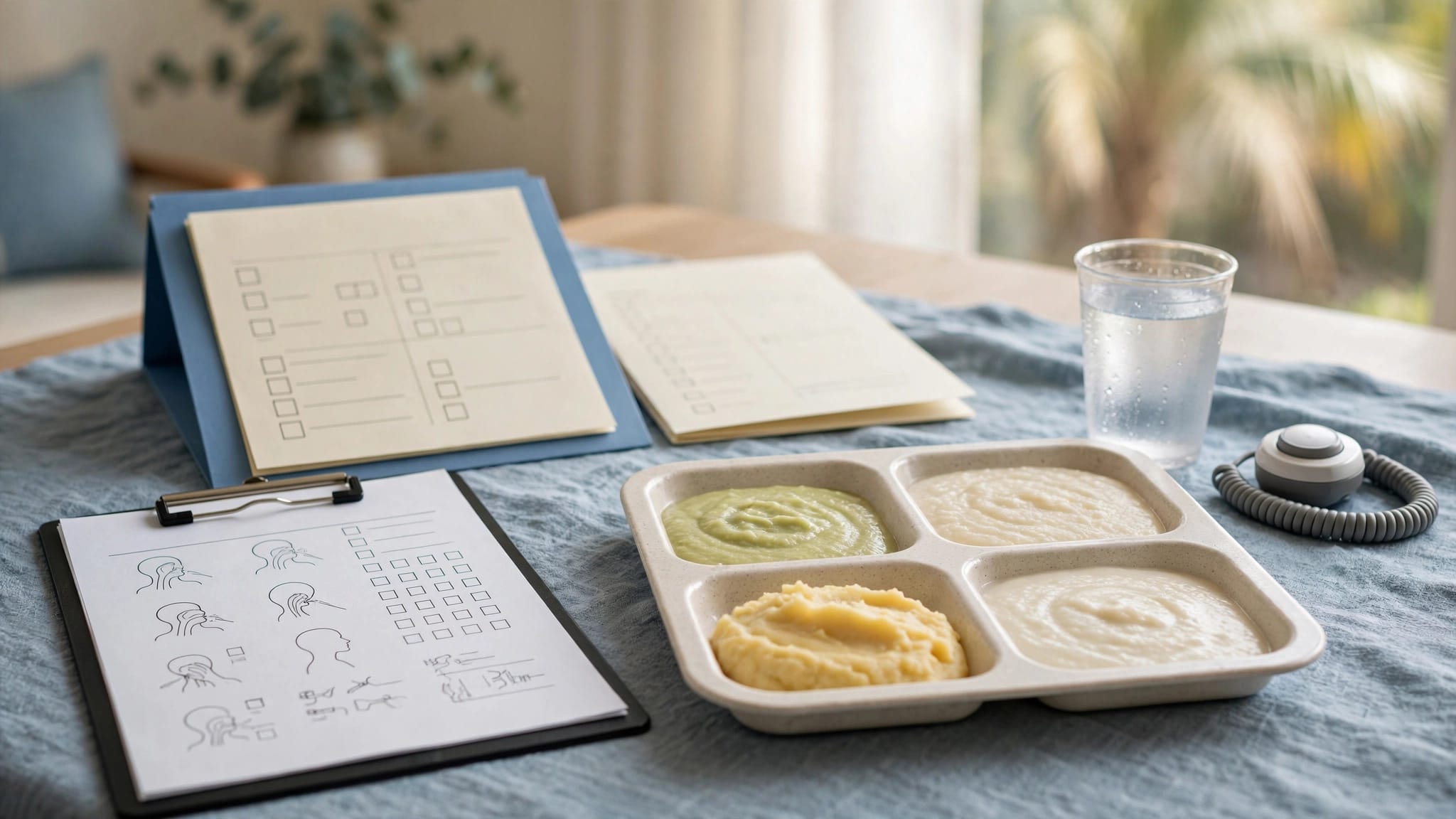
A choking emergency can unfold in seconds, but evidence of preventable neglect often begins weeks earlier in a resident’s chart. Dietary supervision records may show whether a Florida nursing home identified swallowing risks, followed individualized care plans, and provided the assistance a resident needed at meals.
Nursing home choking claims require more than proof that an injury occurred. Families must determine what the facility knew about the resident’s condition, what precautions staff should have taken, and whether lapses in care caused the harm.
Key Takeaways
- Nursing home choking claims depend on more than proof of an injury; records must show what the facility knew, what precautions were required, and whether staff followed the resident’s care plan.
- Dietary orders, swallowing evaluations, meal records, nursing notes, staffing schedules, and hospital documentation can reveal missed supervision, incorrect food textures, or unaddressed dysphagia risks.
- Federal care standards and Florida’s nursing home resident-rights laws provide important context, but medical evidence must connect negligent care to the resident’s injuries and damages.
- Families should request and preserve records promptly, including incident reports, emergency records, surveillance footage, communications, and documentation created after the choking event.
- Florida filing deadlines can apply quickly, and a complaint to AHCA does not replace a civil claim. Early legal review may help preserve evidence and identify all potential defendants.
Why Choking Incidents Require a Records-First Review
Older adults may choke because of dysphagia, a condition characterized by swallowing difficulties that make eating unsafe. Stroke, Parkinson’s disease, dementia, Alzheimer’s disease, medication effects, poor dentition, poorly fitting dentures, and reduced muscle control can all increase risk.
Yet a medical condition alone doesn’t excuse poor care. The central question is whether the home responded appropriately to the resident’s documented needs.
Dysphagia should lead to individualized precautions
A resident with dysphagia, coughing during meals, food remaining in the mouth, repeated aspiration or aspiration pneumonia, weight loss, or a prior choking episode may need prompt clinical evaluation. Depending on the assessment and medical orders, appropriate measures may include altered food texture, thickened liquids, upright positioning, slower feeding, dedicated mealtime supervision, or feeding tubes when alternative nutrition is necessary.
Clinical changes should also prompt updates to care plans. A pureed diet or mechanical-soft diet is not automatically appropriate for every resident. However, when a speech-language pathologist, physician, or care team recommends a dietary modification, staff must communicate and follow that instruction consistently, along with facility dietary guidelines for modified meals.
The event record rarely tells the full story
An incident report may state that choking was sudden or unforeseeable. Other documents may tell a different story. Reviewing comprehensive medical records, including nursing notes, meal intake logs, hospital records, witness statements, and prior updates to care plans, can reveal documented choking risks.
Unaddressed swallowing risks can quickly lead to life-threatening asphyxiation. A choking event may look isolated until the resident’s records show repeated coughing, prior aspiration concerns, or a supervision order that staff did not follow.
Conflicts between records deserve careful review. A charted meal supervision entry may not match staff schedules, emergency medical services records, or the timeline documented by a hospital.
Federal Care Standards for Dietary Supervision
Many Florida nursing homes participate in Medicare or Medicaid. Those facilities must meet the federal requirements in 42 CFR Part 483, which address resident assessments, care planning, quality of care, nutrition, staffing, accident prevention, and dietary guidelines.
Federal standards do not decide every legal claim. Still, they provide useful context for examining whether a facility had systems in place to protect a high-risk resident.
Care plans must address known needs
A facility must develop a person-centered care plan after assessing the resident’s needs. Under federal rules, the comprehensive plan should include measurable objectives, timeframes, and services necessary to meet those needs.
For a resident at risk of choking, the plan may address prescribed diet texture, food restrictions, positioning, feeding assistance, supervision level, and steps to take when symptoms appear. A generic instruction to “monitor at meals” may be inadequate when care plans specify that a resident requires direct assistance.
Nutrition and feeding assistance need active oversight
The facility must provide adequate supervision and assistance devices to prevent avoidable accidents. Nutrition rules also address therapeutic diets, hydration, feeding tubes, and prevention of complications such as aspiration pneumonia.
Paid feeding assistants require state-approved training and must work under nurse supervision. The federal feeding-assistant requirements are relevant when an unqualified worker fed a resident or when no nurse assessed whether the resident could safely eat.
Dietary Supervision Records Families Should Request
Records can show whether staff had enough information to protect a resident and whether they acted on that information. Request records in writing and retain copies of the request, delivery confirmation, and every response.
Under Florida Statutes section 400.145, a current resident generally has a right to records within 14 working days after a proper request. Former residents generally have a 30-working-day timeframe. An authorized representative may need to provide documentation under HIPAA and Florida law.
Clinical records that establish swallowing risk
Ask for admission assessments, nursing assessments, physician orders, care plans, medication administration records, and all evaluations performed by a speech-language pathologist. Hospital discharge summaries matter too, especially after aspiration pneumonia, a choking episode, or complications involving feeding tubes.
Look for changes over time. A resident may have entered the facility on a regular diet, then experienced a stroke, cognitive decline, or swallowing difficulties that required a revised plan. Review whether the facility updated the resident’s care plans after each health event.
Meal records can expose missed instructions
Dietary evidence may include diet orders, meal tickets, nourishment records, food and fluid intake logs, kitchen production records, and nursing notes. Compare kitchen production records against the facility’s dietary guidelines and physician orders. These documents can help determine whether the resident received the correct meal and whether staff documented assistance.
Relevant questions include:
- Did the meal match the prescribed food texture and liquid consistency?
- Was the resident seated upright and supervised as ordered?
- Did records show coughing, pocketing food, fatigue, or refusal to eat?
- If the resident had a pureed diet, were solid foods served instead?
- Was the resident left alone despite a documented need for feeding assistance?
Preserve the records created after the emergency
Request the incident report, internal investigation materials that are available, transfer notes, 911 records, emergency department records, and hospital records. Also save photographs, discharge instructions, bills, and communications with the facility.
Dining hall surveillance footage may be useful if cameras captured the meal or staff response. It is not guaranteed to exist or be retained, so a family should ask about it promptly and seek legal advice about preservation.
How Understaffing Can Contribute to a Choking Injury
Understaffing doesn’t automatically establish nursing home negligence. However, it can explain how a known safety measure failed during a busy meal service.
Federal regulations require sufficient nursing staff to provide needed services. Staffing records become important when a home assigned too few workers to supervise residents who needed hands-on feeding or close observation.
Missed supervision often happens during routine care
Mealtimes can involve many residents needing help at once. A staff member may deliver trays, assist one resident, respond to a call light, or manage a medical issue. Without adequate coverage, necessary mealtime supervision may be compromised, leaving a resident alone with food.
Compare individualized care plans with daily assignment sheets, staffing schedules, payroll records, and meal documentation. If one aide was responsible for several residents who required assistance, the facility’s account of careful supervision may need closer examination.
Training and communication can fail across shifts
A safe diet plan only works when kitchen staff, nurses, aides, and temporary workers understand modified dietary guidelines and feeding protocols. These instructions may include special precautions for residents with feeding tubes. Problems can occur after a hospital return, a room transfer, a diet change, or a shift change.
Training records may show whether staff received instruction on dysphagia precautions and emergency airway clearance, including the Heimlich maneuver. The Centers for Medicare & Medicaid Services also publishes long-term care surveyor guidance that inspectors use when evaluating compliance with federal nursing-home standards.
Building Florida Nursing Home Choking Claims
A nonfatal choking injury may support a claim when negligent care caused measurable harm. Potential complications include aspiration pneumonia, asphyxiation, oxygen deprivation, fractures after a collapse, hospitalization, and lasting neurological injury.
A fatal incident may warrant a wrongful death lawsuit under Florida law. Still, a poor outcome does not prove liability by itself. Medical records must connect the breach of the standard of care to the resident’s physical harm and legally recognized damages. Chapter 400 claims may include medical expenses and compensation for pain and suffering. Prior settlements and verdicts may illustrate potential compensation frameworks, but every case depends on its specific facts.
Florida law recognizes resident-rights claims
Florida Statutes section 400.023 provides a civil cause of action for nursing home negligence and violations of resident rights. Liability may also depend on whether staff carried out mandated care plans.
The Florida nursing-home civil enforcement statute treats these claims differently from medical malpractice claims.
Some cases also involve individual medical providers, hospitals, pharmacies, or staffing companies. Those circumstances can change the legal theory, pre-suit obligations, and proof needed. An experienced personal injury lawyer should identify all potential defendants early.
Filing deadlines require prompt attention
The statute of limitations under Florida Chapter 400 generally requires filing within two years, with a four-year outside limit in many circumstances. Fraudulent concealment or intentional misrepresentation can affect the analysis, but families should never assume extra time applies.
Wrongful death, medical negligence, and claims involving a public facility may follow different procedures. An internal investigation, an insurance claim, or settlement discussions do not automatically stop a filing deadline.
Reporting Concerns to Florida Regulators
A complaint to the Florida Agency for Health Care Administration, or AHCA, can alert regulators to suspected quality-of-care issues. It may also create an official record of a family’s concerns, although it doesn’t replace a civil claim.
Families can use the AHCA Health Care Facility Complaint Form or call 1-888-419-3456. Florida Relay Service is available at 800-955-8771.
Provide a clear, dated account
State the resident’s name, facility, incident date, unit, and the names or roles of involved staff when known. Describe the resident’s dietary instructions, supervision needs, symptoms before the incident, whether staff administered the Heimlich maneuver, and resulting medical treatment.
Attach records when possible. Hospital discharge paperwork, photographs, written communications, and a timeline can help investigators understand the concern.
Keep the complaint focused on facts
Avoid guessing about facts you can’t verify. Instead, identify missing answers: when staff last checked the resident, whether the correct diet was served, who assisted with the meal, and when emergency services were called.
The facility’s internal explanation shouldn’t be the only account considered. Nursing documentation, hospital records, staffing materials, and witness accounts may either support or contradict it.
Frequently Asked Questions About Choking Claims
Can a family sue after a nonfatal choking injury?
Yes, a nonfatal injury can support a claim if evidence shows negligent care caused harm. Damages may include medical expenses, prolonged rehabilitation, and pain and suffering. The resident may have suffered aspiration pneumonia, a prolonged hospitalization, oxygen-related injury, or a decline in function. Medical records must establish the injury and its connection to the event.
Does every choking death create a wrongful death lawsuit?
No. A wrongful death claim requires evidence that negligent conduct caused or contributed to the death. A resident’s serious medical condition may be relevant, but it does not eliminate a claim if the facility ignored known swallowing risks or failed to follow a care plan. Medical records can help establish the resident’s condition and the facility’s response.
Are missing records proof that the nursing home caused the harm?
Missing pages or late entries do not automatically prove causation. However, incomplete records can make it harder for a facility to show that required supervision or dietary care occurred. Florida law addresses consequences when facilities fail to produce records within their control in resident-rights cases.
Protecting a Loved One’s Rights After a Choking Event
The strongest legal claims tie a choking emergency to the resident’s documented needs, the facility’s care plans, and evidence of what staff did or failed to do. A thorough review looks beyond the incident report to dietary orders, meal records, staffing information, clinical assessments, and hospital documentation.
Acting early can protect evidence and preserve legal options. Families evaluating a suspected choking incident may seek a free legal consultation to evaluate records and review their rights under Florida law. Accurate records often provide the clearest answer to whether a choking injury was an unavoidable medical event or the direct result of nursing home negligence.