
Florida Car Accident Witness Leaves: What Happens Next?
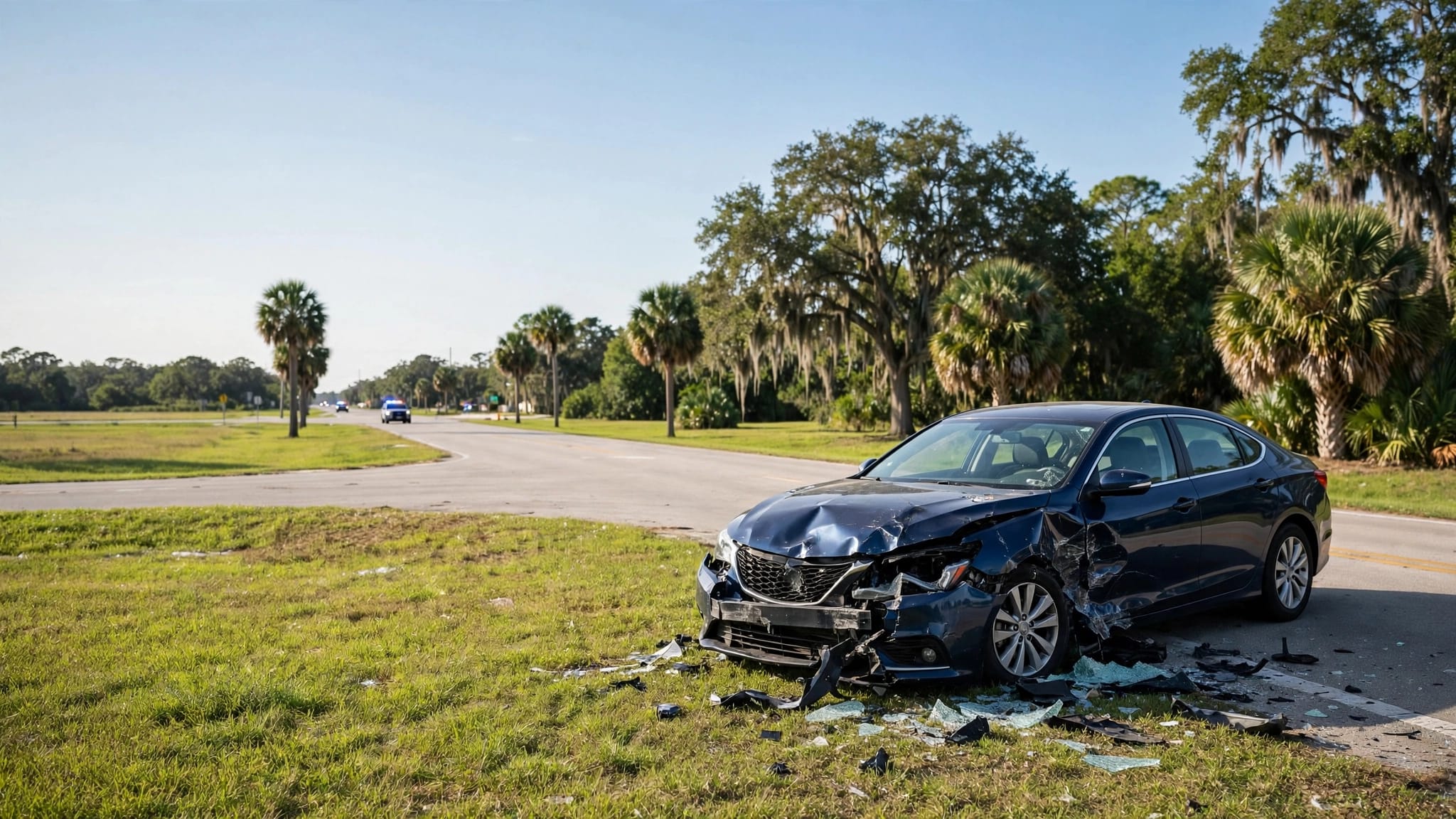
When a Florida car accident witness drives away before police arrive, you may worry that the clearest account of the crash has gone with them. That concern is understandable, especially if the other driver disputes what happened.
A missing witness can make a claim harder to prove, but it doesn’t end it. Preserve what you know about the witness, then secure the scene evidence that can support your account. The first step is understanding whether the person who left was a bystander or a driver involved in the collision.
Can a Florida car accident witness leave the scene?
A bystander is different from a driver
Florida’s rules requiring people to stop after a crash apply to drivers involved in it. They don’t create the same general duty for an uninvolved bystander who saw the collision. A witness who leaves before police arrive hasn’t necessarily done anything wrong.
That distinction matters when someone calls the departing witness a “hit-and-run driver.” If the person was operating a vehicle involved in the crash, different legal duties apply. Florida’s crash statutes address drivers’ duties to stop, provide information, render aid, and report certain crashes.
Leaving doesn’t erase what the witness saw
A witness doesn’t need to speak with the responding officer for their observations to matter. They may have seen which vehicle entered an intersection first, whether a driver changed lanes, or where each car was before impact.
Still, an account is most useful when you can identify the person and establish what they observed firsthand. If they left without giving anyone their name, don’t assume their testimony is lost. Record every detail that could help locate them later.
What to do before a witness leaves
Your safety and medical needs come first. If you can speak with a witness safely, a brief exchange may protect evidence that won’t appear in the police report.
Get contact details, not a rehearsed statement
Ask for the witness’s name and a reliable phone number or email address. Confirm the spelling and number before they go. If they’re willing, ask where they were standing or driving and what part of the collision they saw.
Keep the conversation neutral. “What did you see before the cars hit?” is more useful than a question that suggests the answer. Don’t pressure someone to assign blame or remain at the scene. A witness who didn’t see the traffic signal, for example, should feel free to say so.
Record what they can share
If the witness has dashcam footage or photos, ask them to keep the original files and tell you how to reach them. A short note about their location can also help. Someone waiting at a bus stop may have had a different view from someone driving behind the other car.
Tell the responding officer that the witness left, and provide the contact information you obtained. Be clear about what the witness told you and what you personally observed. For a broader checklist, review what evidence to gather after a car crash.
Finding a witness after they have gone
Start with the details you already have
Write down the time the witness left, their direction of travel, and any identifying details you remember. A first name, vehicle description, partial plate number, workplace name, or location near the scene may help an investigator identify them.
Ask passengers and other people at the scene whether they received contact information. Keep your original notes, even if they seem incomplete. Separate what you remember seeing from what another person said, so the account stays accurate.
Look for footage before it disappears
Nearby businesses, homes, and vehicles may have cameras that captured the impact or the witness stopping afterward. Note camera locations and request that footage be preserved promptly. Owners may have different policies about sharing recordings, and systems may overwrite older video.
Save original dashcam files and phone photos without cropping or editing them. If a disputed crash caused serious injuries, an attorney can help identify potential video sources and send preservation requests. That effort may reveal the collision itself, even if the witness can’t be found.
What if the police report doesn’t name the witness?
Obtain and read the report
A responding officer may never learn that a witness stopped, especially if that person left before the officer arrived. Once the report is available, check its witness entries, diagram, driver statements, location, and vehicle descriptions.
Florida Highway Safety and Motor Vehicles explains how to obtain a report through the state’s crash-report system in its guidance for people involved in a crash. Keep your own notes and photographs alongside the report. The officer’s account is useful, but it isn’t a final decision about civil fault.
Address omissions with evidence
If you have the witness’s contact details, ask the investigating agency how to provide them. Explain whether you spoke directly to the witness or received the information from someone else. A missing name doesn’t mean the officer must change the report’s conclusions.
Errors about vehicle movement or the crash location deserve attention, too. Compare the report with photos, video, and the damage to both cars. These steps for reviewing and disputing a Florida police report can help you identify what needs clarification without treating every omission as proof the entire report is wrong.
Proving fault when the witness cannot be reached
Let the physical evidence test both stories
Photographs can show lane markings, debris, skid marks, traffic controls, sight obstructions, and where the vehicles came to rest. Close views of damage may help explain the angle of impact. Repair records and original video can add detail after the road has reopened.
Build a simple timeline from records you can verify: the crash time, calls to police, photographs, towing, and medical treatment. If no officer made a report, evidence for a crash claim without a police report becomes especially important. An absent report doesn’t automatically prevent an insurance claim.
Challenge blame with facts
An insurer may argue that you were speeding, failed to brake, or could have avoided the collision. Those claims should be tested against the roadway, video, vehicle damage, and reliable accounts, not guesses in a recorded statement.
Under Florida’s comparative-fault statute, an injured person’s share of fault can reduce damages. In negligence actions covered by the statute, someone found more than 50% responsible for their own harm generally cannot recover damages. That makes an incomplete account worth investigating, but an adjuster’s early fault assessment isn’t the final word.
Keep the injury claim moving while evidence is gathered
Seek care within the PIP treatment window
Don’t wait to locate a witness before getting medical help. Describe your symptoms and tell the provider when they began, even if pain appeared after you went home.
Florida’s personal injury protection statute generally requires initial medical services and care within 14 days of the crash for PIP medical benefits. Treatment within that period doesn’t guarantee payment for every bill, but missing it can jeopardize those benefits. PIP addresses certain covered losses without first resolving which driver caused the collision.
Document losses separately from fault
Medical records help connect your injuries to the crash. Keep discharge instructions, imaging results, prescriptions, therapy records, bills, and work restrictions. Pay records can help establish income lost during recovery.
A claim against an at-fault driver raises separate questions about liability, insurance coverage, and available damages. Florida’s serious injury requirements can affect recovery for pain and suffering after a motor vehicle crash. The witness’s account may help establish how the collision happened; medical evidence shows what it did to you.
Reporting duties and filing deadlines still apply
Check whether the crash required a report
A witness’s departure doesn’t change the drivers’ reporting duties. Injury, death, hit-and-run circumstances, and apparent property damage of at least $500 are among the situations that can require law enforcement reporting. Commercial-vehicle crashes can also trigger reporting requirements.
Call police after an injury crash and provide accurate information. If no law enforcement report is required for a crash involving vehicle or other property damage, Florida’s rules may require a driver to submit a written report within 10 days. Don’t assume that exchanging insurance details at the roadside satisfies a reporting duty.
Don’t mistake an open claim for more time
For many Florida negligence lawsuits arising from recent car crashes, the general filing period is two years. The applicable deadline depends on the crash date, claim type, and parties involved; Florida’s limitations statute sets out the rule for negligence actions.
An insurer’s investigation or settlement discussions don’t automatically extend the time to file suit. Video and witness memories may disappear well before that deadline, so early evidence preservation matters even when negotiations seem promising.
When legal help may make a difference
A Florida car accident witness who leaves without speaking to police can become central to a disputed claim. An attorney can help pursue contact leads, request preservation of camera footage, compare the report with physical evidence, and assess an insurer’s fault allegations.
Legal review is particularly useful when the other driver changes their account, the report contains a significant error, injuries require ongoing care, or several vehicles were involved. Bring any witness details you have, including uncertain ones. An attorney can assess those leads without asking you to fill gaps in your memory.
Key Takeaways
- An uninvolved witness generally isn’t subject to the same duty to remain at a crash scene as a driver involved in it.
- Get contact information and preserve original photos or video if a witness is willing to share them.
- A missing witness entry doesn’t end a claim. Check the report against independent evidence.
- Medical care, crash reporting, and lawsuit deadlines continue to matter while you search for the witness.
Frequently Asked Questions
Can I file a claim if the witness never spoke to police?
Yes. A witness statement isn’t a universal requirement for an insurance claim. Photos, video, vehicle damage, medical records, and other evidence may support your account. Give the insurer accurate witness information if you have it, but don’t claim to know what the person saw if they never told you.
What if I only have part of the witness’s name or plate number?
Save exactly what you recorded and note when you recorded it. Other people at the scene, nearby footage, or additional crash records may help identify the person. Avoid turning an uncertain detail into a definite identification.
Will a witness’s statement settle who was at fault?
A statement can be important, especially when drivers disagree about a light or lane change. Its value depends on what the witness could see and whether other evidence supports the account. Insurers and courts consider the full record, not one person’s statement alone.
A missing witness is not the end of the claim
The person who saw your crash may be gone before the officer arrives, but the evidence doesn’t leave with them. Contact details, original footage, scene photos, and accurate records can preserve what happened.
Act on what you can verify, and don’t let a missing name in the police report become the last word on your injuries or fault.