
Florida Feeding Tube Malpractice: When a Placement Error Becomes a Claim
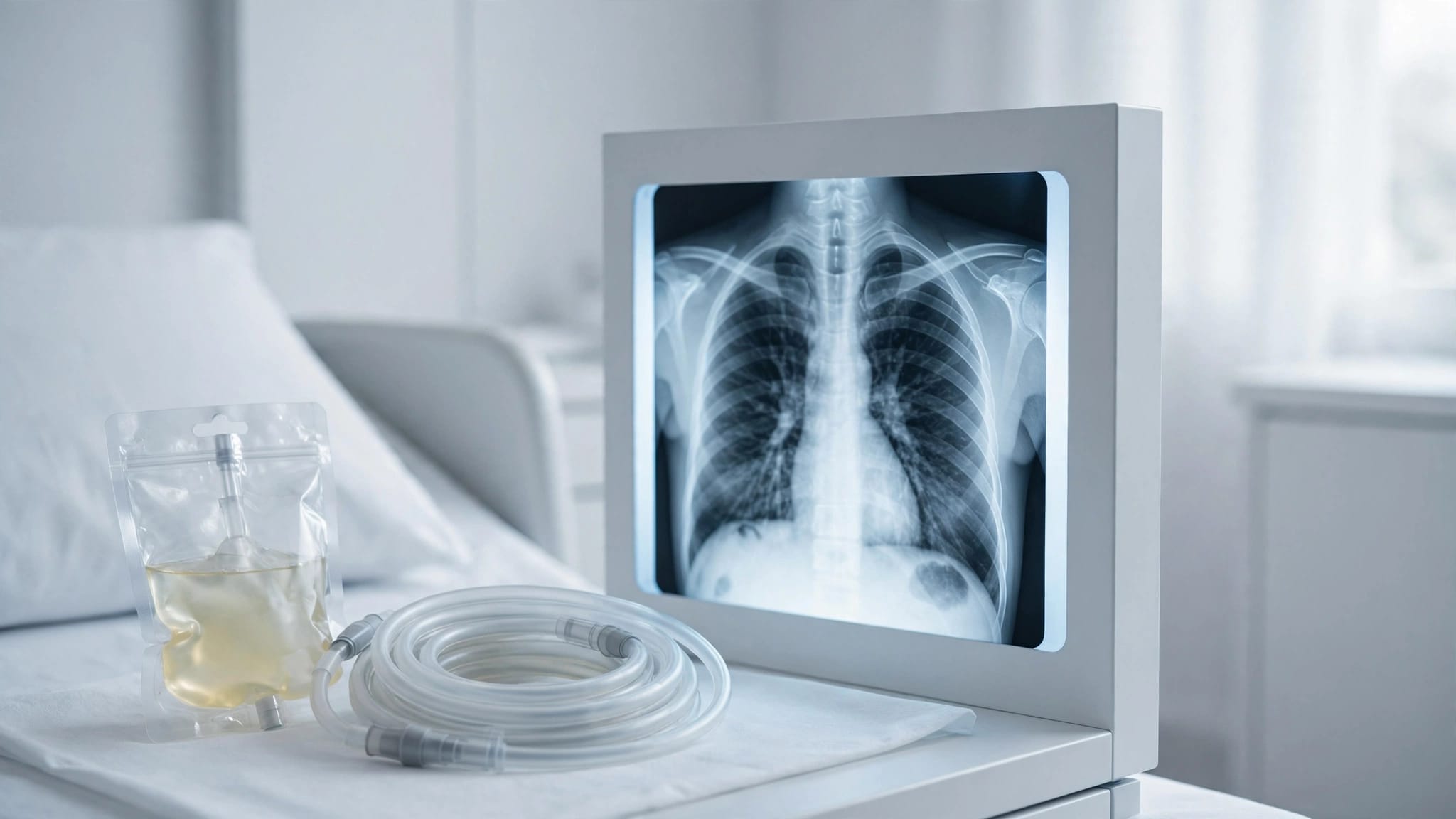
A feeding tube can look secure at the bedside while its tip is in the wrong place. If feeding begins before staff detect the problem, a patient may suffer a serious, preventable injury.
A Florida feeding tube malpractice claim depends on more than the bad outcome. You need evidence of what the care team did, what accepted practice required, and how the error caused harm. Those questions start with the type of tube and the checks performed before it was used.
How an incorrectly placed feeding tube can cause harm
A nasal tube can enter the airway
A nasogastric tube passes through the nose toward the stomach. During insertion, its tip can enter the airway instead. If staff deliver liquid nutrition or medication through a tube positioned in the respiratory tract, the patient can suffer lung injury, infection, or breathing failure.
The legal question often centers on confirmation before use. A clinician may order imaging or use another appropriate method under the circumstances. The record should show what method was used and whether the result supported feeding. A tube’s appearance outside the body cannot, by itself, establish where its tip ended.
A stomach tube can move or cause abdominal injury
A gastrostomy tube, including one placed by a percutaneous endoscopic procedure, enters through the abdominal wall. Placement and later replacement raise different risks. Feeding through a tube outside the intended path can cause leakage into the abdomen and serious infection.
A tube may also become displaced after staff initially confirm it. That makes monitoring important, especially after a patient pulls on the tube, develops pain, or has trouble tolerating a feeding. Florida feeding tube misplacement claims can involve the initial procedure, a replacement, or a missed warning after the tube was in use.
When Florida feeding tube malpractice is legally actionable
The care must fall below the professional standard
Florida law requires proof that a health care provider departed from the prevailing professional standard of care. Under the state’s medical negligence statutes, the inquiry depends on what a reasonably careful provider in the same field would have done under similar circumstances.
That standard may involve the insertion technique, confirmation method, interpretation of a test, or response to new symptoms. For example, an attorney may ask whether staff began feeding before receiving a required placement result. In another case, the central issue may be whether anyone reassessed a tube after it was pulled.
The error must have caused a provable injury
A misplaced tube and a severe illness can occur close together without one necessarily proving the other. Medical review must connect the alleged mistake to the patient’s injury.
A patient may already have pneumonia, swallowing problems, or other serious conditions. Those facts don’t excuse negligent care, but they can affect causation. A Florida feeding tube malpractice case is strongest when the records show both a specific departure from accepted practice and a clear sequence of resulting harm. An injury alone doesn’t create a presumption of negligence.
Records that show what happened before feeding began
Compare the orders with the bedside record
The most useful documents often answer a narrow question: What did staff know before they used the tube? An attorney may compare the insertion note, physician orders, imaging report, nursing notes, feeding records, and medication administration record.
Times matter. An image may have been taken before the first feeding, yet the report confirming placement may have arrived afterward. Likewise, a note may state that placement was checked without identifying the method. If the tube later moved, the earlier confirmation may no longer answer whether it was safe to use.
A placement check has limited value if the tube moved after the check and before feeding resumed.
Preserve the patient’s timeline
Keep discharge papers, bills, photographs, and messages about the incident. Write down when symptoms appeared and whom you spoke with, while the details are fresh. Family observations can help an attorney locate the relevant shift notes and test results.
Don’t alter original documents or assume a short set of records tells the full story. A chart may contain separate entries for tube insertion, radiology, feeding, and emergency treatment. Reviewing them together can reveal whether the care team acted on an abnormal finding.
Who may be responsible in a hospital or nursing home?
Responsibility may involve more than the person who inserted the tube
One clinician may insert the tube while another confirms placement and a third begins feeding. The records can show which person had each responsibility and whether a facility policy or order applied. A claim may concern a physician, nurse, facility, or another provider, depending on the evidence.
The location of care doesn’t decide liability on its own. Hospitals, rehabilitation centers, and home-care providers may each have different roles. An attorney needs to identify the responsible parties before formal notice goes out, rather than assume the person named on the procedure note is the only possible defendant.
Nursing-home claims need a closer look at the type of failure
In a nursing home, the question may involve clinical tube placement or an ongoing failure to follow a resident’s care plan. Florida medical malpractice and nursing-home resident-rights claims can have different legal requirements. The facts determine which theory applies.
Care plans, physician orders, staffing records, and transfer notes may help distinguish a placement error from a feeding or supervision failure. Families dealing with aspiration can also review nursing-home choking and aspiration claims for related evidence issues. The distinction matters because calling every facility injury “malpractice” can overlook a separate claim.
Florida’s presuit process starts before a lawsuit
An expert must support the proposed claim
Florida generally requires a reasonable presuit investigation before a medical negligence lawsuit. The claimant needs grounds to believe a provider’s negligence caused injury, corroborated by a verified written opinion from a qualified medical expert.
For a feeding tube case, that review may require records from both the original facility and the hospital that treated the resulting injury. An expert must assess the actual care, not simply assume that a bad result proves an error. Gathering the records early also helps identify every prospective defendant.
Formal notice triggers a review period
After the investigation, the claimant must send each prospective defendant a notice of intent to initiate litigation. Florida’s medical negligence notice law generally provides a 90-day period for recipients to investigate before suit may be filed. The notice process includes a required authorization for relevant health information.
During that period, a provider may deny responsibility, seek information, offer settlement, or admit liability and request arbitration. An incomplete notice or an omitted party can create procedural disputes. A patient should get legal advice before sending formal notice or signing a broad medical release. A complaint to the facility isn’t a substitute for the statutory process.
How long do you have to bring a claim?
The two-year period and outside limit
Florida’s medical malpractice limitations statute generally provides two years from the incident or from when the injury was discovered, or should have been discovered with due diligence. When the patient recognized a possible link to negligent care can become a disputed issue.
A four-year statute of repose generally runs from the alleged negligent act or omission. It can bar a claim even if the full medical explanation emerges later. The date of a later pneumonia diagnosis, for instance, doesn’t automatically become the date the legal clock starts.
Exceptions and notice require individual calculation
Fraud, concealment, intentional misrepresentation, and certain claims involving young children can change the analysis. A patient’s death or care at a government-connected facility may raise additional timing and notice questions.
Proper presuit notice can affect the limitations clock during the statutory review period. Hiring an attorney, requesting records, or waiting for a hospital investigation doesn’t automatically pause it. Review the Florida medical malpractice filing deadlines promptly so there’s time for record collection and expert review before notice must be sent.
What compensation may address
Compensation depends on the injury that negligent care caused. Records may support claims for additional hospitalization, treatment, rehabilitation, and future medical needs. If the patient loses income or can no longer work as before, employment and medical evidence may support those losses too.
The physical consequences matter as well. A patient who survives lung injury or abdominal infection may face pain and lasting limitations. However, a claim must separate harm caused by the tube error from conditions the patient already had.
If the patient dies, surviving family members should seek a review of whether the placement error caused or contributed to the death. Florida nursing-home wrongful death claims involve their own evidence and legal questions when the patient was a resident. No particular outcome or payment follows merely because a tube was misplaced.
Key takeaways
- A placement error may involve insertion, confirmation, replacement, or monitoring after the tube moves.
- A Florida feeding tube malpractice claim requires proof of a breach of the professional standard, causation, and damages.
- Orders, imaging, feeding records, and treatment notes can establish the sequence of events.
- Presuit expert review and formal notice take time, so an internal facility investigation shouldn’t delay a legal review.
Frequently asked questions
What if an imaging report says the tube was correctly positioned?
The timing and wording of the report matter. An attorney would compare when staff took the image, when a clinician interpreted it, and when feeding began. They would also check whether anything happened afterward that could have moved the tube. A correct result at one moment doesn’t settle every question about later use.
Should I wait for the facility to finish its investigation?
You can request information from the facility, but don’t depend on its review to preserve your claim. A facility investigation doesn’t replace Florida’s expert-supported presuit process or automatically extend a filing deadline. An attorney can evaluate the available records while the facility conducts its own review.
A careful review starts with the sequence of care
A feeding tube injury often turns on a short stretch of time: placement, confirmation, feeding, and the first signs of harm. The sequence, supported by records and expert review, determines whether the outcome points to a preventable error.
If you suspect incorrect placement, preserve what you have and seek a case-specific review promptly. Florida’s presuit requirements and deadlines leave little room to rely on assumptions.