
Florida Cataract Surgery Malpractice: Wrong Lens Implants
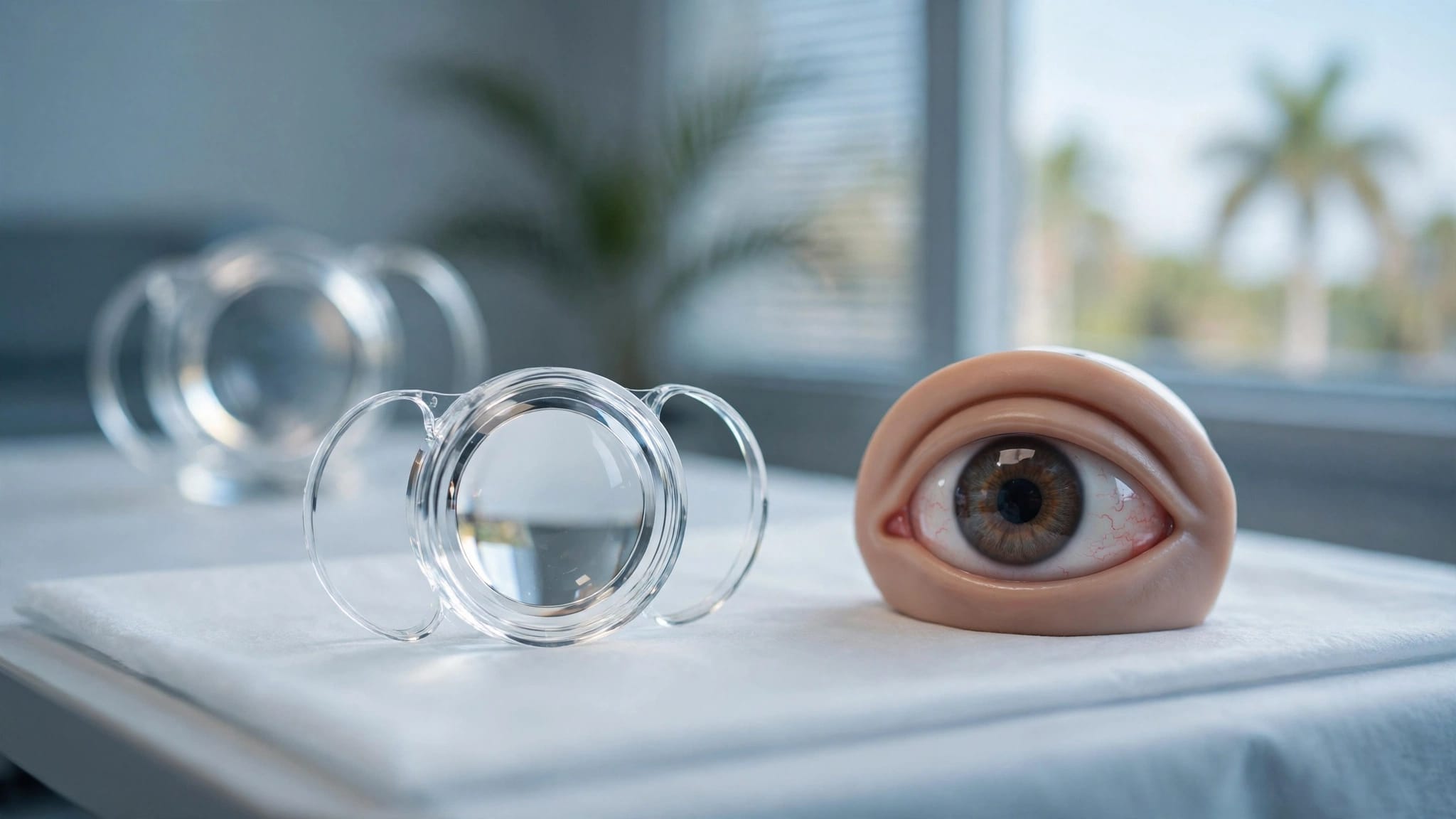
Learning that your surgeon implanted the wrong cataract lens can leave you facing another operation and uncertainty about your sight. Florida cataract surgery malpractice claims require evidence that negligent care caused an injury, not simply that surgery produced disappointing vision.
Your immediate priorities are protecting your vision and preserving the information needed for an independent review. Understanding the difference between an unexpected result and a preventable implant error helps you decide when to seek legal advice.
Key Takeaways
- An incorrect lens implant may support a malpractice claim when substandard care caused additional injury or financial loss.
- Medical records and independent ophthalmology review help distinguish a selection error from an unexpected surgical result.
- Florida requires presuit investigation and formal notice, while filing deadlines can expire during treatment or informal discussions.
A provider’s offer to replace the lens doesn’t resolve every question about responsibility. However, the need for corrective treatment alone doesn’t establish malpractice.
When Florida Cataract Surgery Malpractice May Involve a Wrong Lens
The National Eye Institute explains that cataract surgery replaces the clouded lens with an artificial intraocular lens, commonly called an IOL. The surgeon selects the implant based on measurements, clinical findings, and the treatment plan.
A lens mismatch differs from an unexpected result
An incorrect implant may involve the wrong lens power or a different lens type than the surgical plan required. Lens power affects focusing. Meanwhile, lens designs address different needs, such as astigmatism correction or vision at particular distances.
However, blurred vision after surgery doesn’t establish that the team selected or implanted the wrong lens. Healing, other eye conditions, and the limits of preoperative calculations can affect the result.
A reviewing ophthalmologist must assess the planned implant, the actual implant, and the clinical circumstances. Avard Law Offices explains the broader distinction between complications and preventable surgical errors in Florida.
The claim must connect negligence to harm
Under Florida’s professional standard of care, providers must meet the care standards reasonably accepted under similar circumstances.
A claim must establish a departure from that standard, a connection to the patient’s injury, and resulting losses. Potential concerns include unreliable measurements, incorrect calculations, or failures in implant verification. Each requires case-specific review.
The analysis must also separate harm caused by negligent care from limitations caused by an existing eye disease.
Protect Your Vision Before Investigating the Legal Claim
Persistent blurred vision deserves follow-up, particularly when the surgeon mentions a lens mismatch or recommends another procedure. Ask for a clear explanation of the suspected cause, available treatments, and the expected outcome.
However, sudden vision loss, severe eye pain, or rapidly worsening symptoms require urgent medical attention. Don’t postpone evaluation while collecting records or contacting an attorney.
An independent ophthalmologist can assess whether the problem involves lens power, lens position, or another postoperative condition. That evaluation may also clarify whether glasses, another treatment, or lens exchange is appropriate.
Before agreeing to corrective surgery, discuss its benefits, risks, alternatives, and timing with your treating physician. Legal concerns shouldn’t delay medically necessary care.
Also ask the original provider to document any explanation about the implant in your chart. Keep your own dated notes, but don’t treat a verbal admission as a substitute for medical review.
If your other eye still needs cataract surgery, discuss the first eye’s outcome before proceeding. The physician should explain whether that result changes the next treatment plan.
Records That Need Independent Review
A Florida cataract surgery malpractice investigation examines what clinicians planned, what occurred, and why the patient experienced harm. Request complete records rather than relying only on a discharge summary.
Obtain the surgical and measurement records
Ask for preoperative examinations, eye measurements, lens calculations, consent documents, the operative report, and postoperative notes. Also request available implant-identification records, such as the lens model and power recorded by the facility.
These materials may need detailed, case-specific review. No single measurement, implant sticker, or consent form independently establishes negligence.
Records from an outside ophthalmologist also matter because they document later findings and treatment recommendations. If another operation occurs, preserve those records too.
An attorney can identify missing materials and request records from separate providers. The surgeon’s office and outpatient facility may maintain different parts of the medical file.
Document symptoms and practical limitations
Create a dated account of changes in vision and explanations you received. Distinguish what a provider said from what you personally observed.
Record limitations involving driving, reading, work, and household tasks. For example, note when someone began transporting you to appointments because you couldn’t safely drive.
Keep bills, receipts, missed-work records, and messages about corrective care. Photographs or screenshots of relevant patient-portal communications can supplement the records.
Describe your experience accurately without trying to diagnose the error yourself. Clear documentation helps an attorney compare your reported limitations with the medical findings.
Who May Be Responsible for an Incorrect Implant?
Responsibility depends on how the error occurred and who controlled the relevant decisions. The operating surgeon’s role deserves review, but the investigation shouldn’t automatically stop there.
Preoperative testing, lens selection, ordering, and operating-room verification may involve different people or organizations. An attorney must determine whether any failure fell below the applicable standard and contributed to injury.
The surgical facility may also face scrutiny when its own practices contributed to the event. Avard Law Offices discusses related issues in Florida surgery center malpractice claims.
However, working in the same operating room doesn’t automatically make every participant liable. Employment relationships, facility responsibilities, and the evidence affect which defendants belong in a claim.
A product problem also requires separate analysis. An implant that a clinical team selected incorrectly isn’t necessarily a defective device.
Identifying the proper parties early matters because Florida’s formal notice process applies to prospective defendants. Overlooking a responsible provider can create procedural disputes and delay.
Florida Requires Investigation Before a Malpractice Lawsuit
Medical-negligence claims have procedural requirements beyond an ordinary demand for compensation. An attorney should evaluate those requirements before you send formal claim materials.
Expert review comes before formal notice
Florida generally requires a reasonable presuit investigation and support from a qualified medical expert. The investigation must address whether there are reasonable grounds to believe negligent care caused injury.
In a wrong-lens case, that work requires clinical assessment of the implant decision and the resulting harm. A patient’s dissatisfaction or a second surgery alone doesn’t replace that review.
Avard Law Offices’ Florida medical malpractice law guide explains the broader claim framework. Records collection and expert assessment take time, so the investigation should begin well before a suspected deadline.
Notice starts a statutory screening period
Under Florida’s presuit notice requirements, notice must go to each prospective defendant after the required investigation. Defendants generally receive a 90-day period to investigate before litigation proceeds.
During that period, a provider or insurer may request information, deny responsibility, discuss settlement, or pursue another statutory response. Notice also involves requirements concerning access to relevant health information.
A hospital complaint letter doesn’t replace formal notice. Likewise, an incomplete notice package can lead to disputes even when the underlying medical evidence supports a claim.
Filing Deadlines Need an Early, Individual Calculation
Florida’s timing rules can bar a claim before a patient finishes treatment. Don’t assume a corrective operation or later diagnosis starts a new deadline.
The two-year period and four-year outside limit
Florida’s medical malpractice filing deadlines generally include a two-year limitations period. The calculation depends on the incident and when the injury and possible connection to negligence were discovered, or should have been discovered through reasonable diligence.
Florida also generally applies a four-year statute of repose measured from the negligent act or omission. That outside limit is separate from the discovery-based calculation.
Limited exceptions require individual legal review. An attorney should examine the surgery date, symptom history, provider explanations, and relevant discovery dates rather than rely on a general estimate.
Informal discussions don’t preserve filing rights
A facility investigation, open insurance file, or settlement discussion doesn’t automatically pause the deadline. Hiring an attorney alone doesn’t stop it either.
An offer to exchange the lens doesn’t automatically extend the time to pursue a malpractice claim.
Proper presuit notice can affect the limitations clock during the statutory screening process. However, tolling and the deadline after screening require careful calculation.
Seek advice while treatment continues. Waiting for every record or for the surgeon’s final explanation can leave too little time to complete the required investigation.
Compensation Depends on the Additional Harm
A successful claim seeks compensation for losses caused by negligent care. It doesn’t automatically cover every expense connected to the original cataract or an unrelated eye condition.
Recoverable economic losses may include corrective treatment, additional examinations, necessary transportation, lost income, and supported future care needs. If lasting visual impairment affects employment, reduced earning ability may also require evaluation.
Non-economic losses may address pain, mental suffering, disability, and reduced enjoyment of daily life. Medical findings and evidence of your limitations support that analysis.
The extent of avoidable harm matters when assessing a claim. A correctable focusing problem and permanent visual injury involve different evidence, treatment needs, and losses.
There isn’t a reliable settlement figure based solely on the phrase “wrong lens.” An attorney must assess liability, causation, prognosis, expenses, and the patient’s individual circumstances.
Be cautious about signing a release in exchange for a refund or corrective treatment. Have an attorney review its effect before surrendering potential rights.
Frequently Asked Questions
Can I pursue a claim if the replacement lens improves my vision?
Yes, improvement doesn’t automatically eliminate a claim for harm already caused by negligent care. Additional surgery, expenses, missed work, and a period of impaired vision may remain relevant.
However, successful correction can affect the scope of damages. The case still requires proof that the original care fell below the applicable standard and caused those losses.
Preserve the records from both procedures. They help the reviewing physician and attorney assess the original problem, the correction, and any remaining limitations.
Does signing cataract surgery consent prevent a malpractice claim?
Signing a consent form doesn’t automatically prevent a Florida cataract surgery malpractice claim. Disclosure of ordinary surgical risks doesn’t resolve whether the provider met the professional standard of care.
The consent documents remain important because they help identify the procedure and treatment choices discussed. A reviewing attorney must consider them alongside the medical evidence.
Also, dissatisfaction with an agreed-upon lens choice doesn’t establish negligent implantation. The investigation must determine whether the actual care departed from appropriate practice and caused injury.
Get Medical Care and Legal Review Without Waiting
An incorrect cataract lens warrants a clear medical explanation and an independent assessment of any resulting harm. A viable claim depends on documented negligence and injury, supported by timely investigation.
Continue necessary treatment while preserving records and reviewing your legal options. You can contact Avard Law Offices for a free case evaluation before informal discussions consume the time available to act.