
Florida Workers’ Comp for Work-Related Dental Injuries
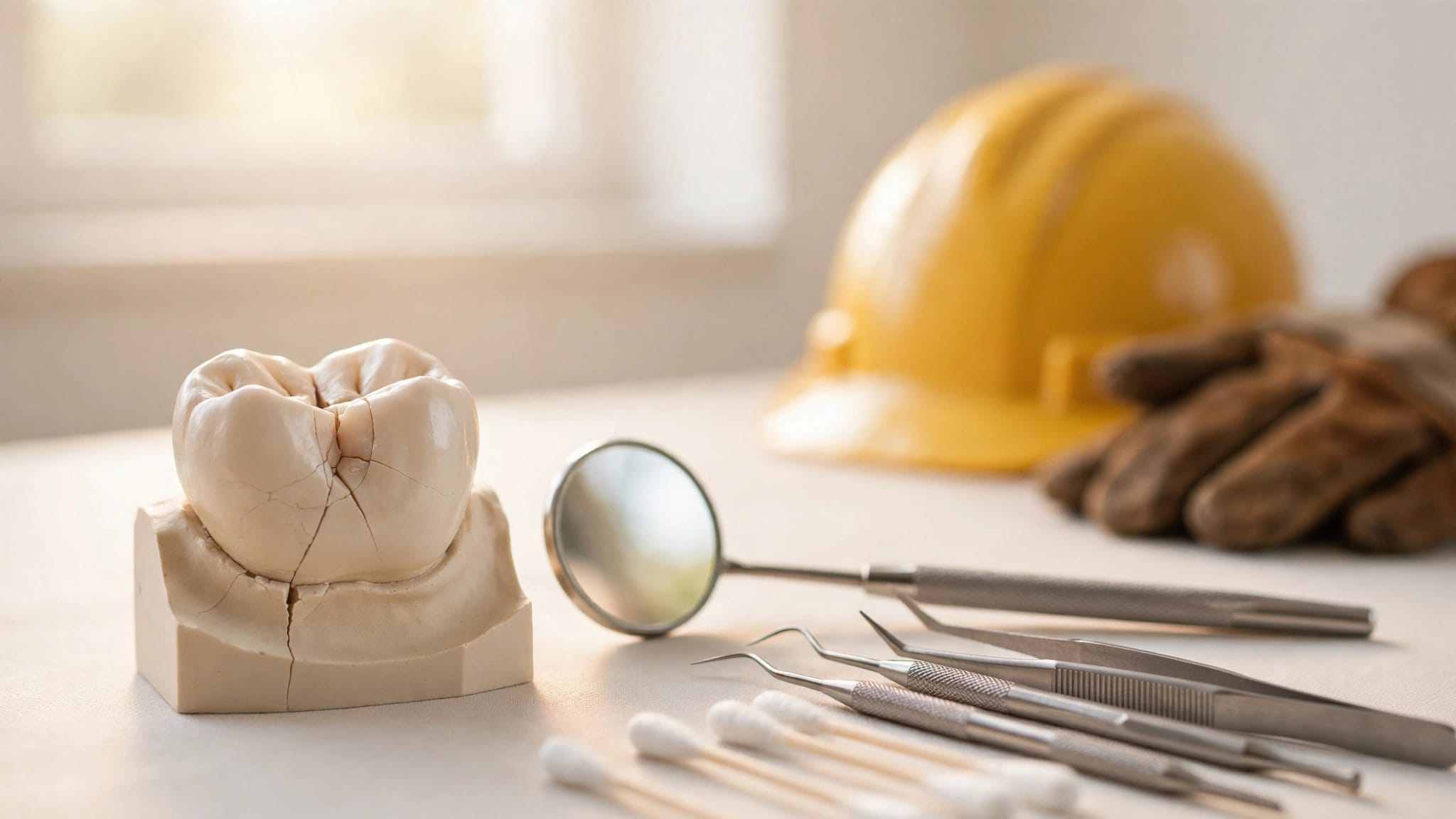
A broken tooth at work can leave you facing urgent treatment and uncertainty about who will pay. Florida workers’ compensation can cover dental injuries when they arise from employment and require medically necessary care.
However, treatment authorization matters, and a work-related accident doesn’t automatically make every dental procedure payable.
Protecting your claim starts with prompt reporting, clear dental records, and knowing how to obtain approved care.
Key Takeaways for Injured Florida Workers
- Florida workers’ compensation can cover medically necessary dental treatment related to a compensable workplace injury.
- Report the injury promptly. Florida generally requires notice to your employer within 30 days, subject to statutory exceptions.
- Emergency treatment follows different authorization rules than routine dental appointments and follow-up procedures.
- Save accident evidence, dental records, treatment requests, and communications with the insurance carrier.
- Reporting an injury doesn’t replace filing a Petition for Benefits when disputed care or payments require formal action.
When Does Workers’ Compensation Cover Dental Injuries?
Florida’s workers’ compensation law connects medical benefits to injuries arising out of and occurring in the course of employment. Dental injuries fall within that framework.
Establishing the connection to your work
A workplace fall, falling object, or equipment accident can damage teeth or fracture the jaw. Workers’ compensation generally doesn’t require proof that your employer acted negligently. However, the carrier can dispute whether the accident happened during employment or caused the diagnosed damage.
Document the task you were performing and how the impact occurred. Photographs, witness accounts, and incident reports can support the claim.
Also, tell the treating provider about related symptoms. Jaw pain, facial numbness, difficulty chewing, or a changed bite may require evaluation beyond the visibly damaged tooth.
Addressing previous dental problems
An existing crown, cavity, or history of gum disease doesn’t automatically defeat a claim. However, earlier conditions can complicate proof of what the workplace accident caused.
Prior dental X-rays and treatment records can help distinguish old damage from a new fracture or other injury. Your provider should explain the diagnosis, the accident’s role, and why the proposed care is necessary.
Be accurate about earlier symptoms and dental work. Omitting that history can create inconsistencies the insurer later uses to challenge treatment.
What Dental Treatment Can Workers’ Comp Pay For?
The Florida Department of Financial Services identifies authorized medically necessary treatment as a workers’ compensation benefit. Dental care must meet those requirements and relate to the covered injury.
Repairing teeth and treating jaw damage
Depending on the diagnosis, treatment may involve examinations, dental imaging, tooth stabilization, root canal treatment, crowns, extractions, or oral surgery. Jaw fractures may also require specialist care.
These procedures aren’t automatically approved because a dentist recommends them. The records should explain how each procedure treats damage caused by the workplace injury.
Ask for a written treatment plan identifying the affected teeth, proposed procedures, and supporting findings. If several providers are involved, confirm who will request authorization for each stage.
Cosmetic improvements unrelated to restoring the injured area generally aren’t part of the claim.
Planning for later treatment
Dental trauma can require staged care rather than one appointment. A tooth may need monitoring, and definitive restoration may follow initial stabilization.
Ask your dentist or oral surgeon to identify expected follow-up care and any medically necessary replacement options. Bridges, dentures, or implants require a treatment-specific assessment; approval of one procedure doesn’t guarantee approval of another.
Future dental needs also matter when discussing settlement. Before agreeing to close medical rights, review the proposed treatment, likely follow-up needs, and who would pay after settlement.
Getting Authorized Dental Care in Florida
The employer or carrier generally directs non-emergency treatment through approved providers. Seeing your regular dentist without authorization can create a payment dispute, even when the injury happened at work.
Emergency treatment comes first
Seek immediate care for serious facial trauma, uncontrolled bleeding, breathing difficulty, or other emergency symptoms. A knocked-out permanent tooth also requires urgent dental attention.
Florida’s provider reimbursement manual recognizes that emergency oral surgery doesn’t require prior authorization. Nevertheless, emergency treatment doesn’t guarantee acceptance of the underlying workers’ compensation claim.
Tell the provider that the injury occurred at work. Give the employer and carrier information you have, then keep discharge instructions and bills.
Avard Law’s guidance on workers’ comp emergency treatment explains how emergency care differs from routine authorized treatment.
Confirm approval for follow-up appointments
After the emergency, ask the adjuster which dentist or oral surgeon is authorized. Request appointment instructions and written confirmation before arranging non-emergency care.
A referral or recommendation alone doesn’t establish that the carrier approved the visit or procedure. Confirm authorization for specialist consultations, imaging, and restorative work.
If approval stalls, ask the provider when the request was submitted and whether the carrier received it. Keep copies of requests and responses.
Approval of an emergency visit doesn’t automatically authorize a later crown, implant, or oral surgery appointment.
Reporting Your Dental Injury and Watching Deadlines
Dental pain may intensify after an accident. Report the injury when it happens rather than waiting to learn the full treatment cost.
Notify your employer promptly
Under Florida’s injury-reporting statute, employees generally must notify the employer within 30 days after an injury or its initial manifestation. Exceptions exist, but relying on one can invite a dispute.
Identify the accident date, location, work task, and affected teeth or facial areas. Include witnesses and explain any immediate symptoms.
If you reported verbally, send a written follow-up. Save it somewhere you can access outside your work account.
The employer generally has seven days after actual knowledge to report the injury to its carrier. Avard Law’s Florida DWC-1 reporting guide explains the First Report of Injury or Illness.
Track the separate petition deadline
A Petition for Benefits is different from notifying your employer. It requests disputed benefits through Florida’s workers’ compensation system.
Section 440.19 generally provides a two-year filing period after you knew, or should have known, the injury arose from employment. Authorized treatment and compensation payments can affect that calculation.
A one-year gap without authorized remedial treatment or indemnity benefits can also create a limitations issue. The exact deadline requires review of the claim history.
An adjuster’s statement that the claim is “under review” doesn’t automatically extend your filing time.
Can a Dental Injury Qualify for Lost-Wage Benefits?
Dental injuries can affect work when pain, surgery, medication, or medical restrictions prevent you from performing your duties. However, a treatment appointment or dental bill doesn’t automatically establish entitlement to wage benefits.
Ask the authorized provider to document your work status. Restrictions should address the actual job, including duties that medication or recovery makes unsafe.
Temporary total or temporary partial disability benefits may apply, depending on medical restrictions and earnings. Keep missed-shift records, pay stubs, and written communications about available work.
Florida’s injured-worker FAQs explain that wage benefits generally exclude the first seven days of disability. If disability continues for more than 21 days, those first seven days become payable.
That waiting period concerns wage benefits. It doesn’t impose a seven-day wait for authorized medical treatment.
If your employer offers modified work, compare the duties with your documented restrictions. Raise conflicts promptly rather than assuming the assignment is medically appropriate.
Responding to Denied or Delayed Dental Treatment
First, identify what the carrier disputed. A denial of the entire accident requires a different response than refusal to authorize a particular crown or specialist consultation.
Build a clear treatment record
Ask for the carrier’s explanation in writing. Then obtain the provider’s diagnosis, treatment plan, relevant imaging, and explanation of medical necessity.
The state’s workers’ compensation forms page identifies DFS-F5-DWC-11 as a dental claim form. It’s a provider billing form, not your workplace injury report. DFS-F5-DWC-25 is used for treatment-plan authorization, referrals, and treatment or status reporting.
Keep call notes with dates, names, and what each person said. This helps establish whether a delay began with a missing request, disputed causation, or carrier refusal.
Know when to involve an attorney
Legal review is useful when the carrier blames old dental disease, denies surgery, stops benefits, or leaves a referral unresolved.
A lawyer can examine accident evidence, dental history, authorization records, and filing deadlines. When informal efforts fail, a Petition for Benefits may seek the disputed care or payment.
Avard Law’s guidance on challenging denied workers’ comp care addresses the distinction between a denied claim and a denied treatment request.
If your employer won’t provide carrier information, Florida’s Employee Assistance Office can help at 1-800-342-1741. State assistance doesn’t guarantee claim acceptance.
Frequently Asked Questions About Work-Related Dental Injuries
Can I use my regular dentist?
For non-emergency care, obtain authorization before assuming workers’ compensation will pay your regular dentist. The employer or carrier generally selects the initial authorized provider.
Ask the adjuster whether your dentist can participate and what approval is required. If treatment has already occurred, preserve the records and bills. Payment depends on the claim’s facts, authorization requirements, and any applicable exception.
Can workers’ comp cover a damaged crown or implant?
A previously restored tooth can suffer new workplace damage. The existence of a crown or implant doesn’t automatically exclude the injury.
However, you still need evidence connecting the new damage and proposed treatment to the work accident. Earlier dental records can help establish the restoration’s condition beforehand. Coverage depends on compensability, medical necessity, and authorization; it doesn’t guarantee the replacement option you prefer.
Protect Your Dental Care and Your Claim
A workplace dental injury deserves prompt treatment and a documented claim. Clear medical evidence and proper authorization give you a stronger basis for pursuing necessary care.
Don’t let unanswered calls or an ongoing investigation distract you from filing deadlines. If treatment is denied or benefits stop, Avard Law Offices offers a free case evaluation to review your Florida workers’ compensation options.