
Florida Malpractice Claims After an Insulin Error
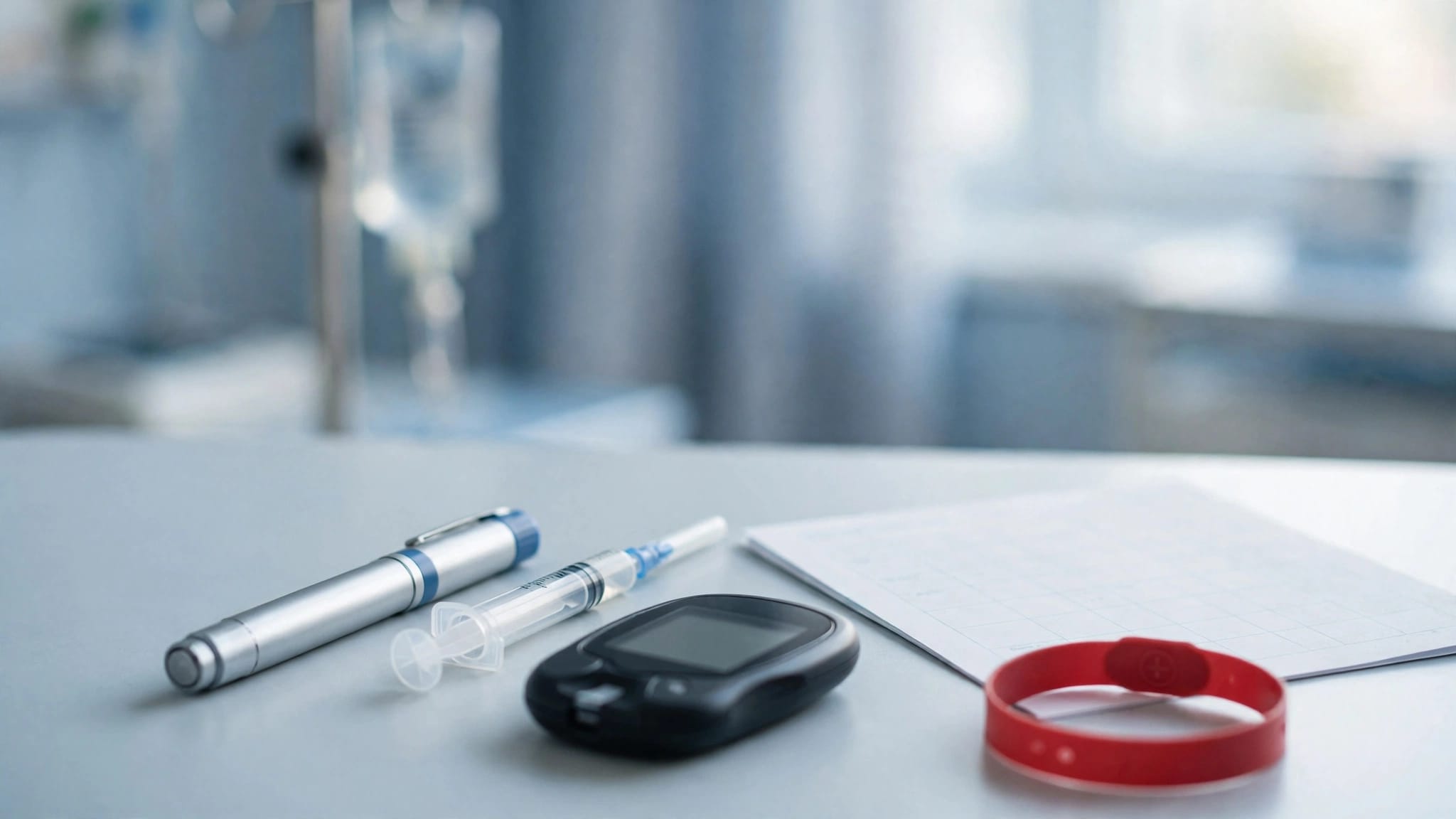
An incorrect insulin dose can turn routine care into a medical emergency. If you or a loved one suffered harm, a Florida malpractice claim requires proof that negligent care caused an injury.
An insulin mistake alone doesn’t establish a case, but the medication order, administration record, and glucose timeline can reveal what happened. Your priorities are medical care and early legal review, because Florida requires investigation before a lawsuit can begin.
Key Takeaways
- An insulin-related malpractice claim must connect a breach of the applicable standard of care to an injury and measurable losses.
- Records showing the prescribed dose, actual administration, meals, glucose readings, and emergency treatment help establish that connection.
- Florida generally requires expert-supported presuit investigation and notice before litigation, while filing deadlines may run during recovery.
How Insulin Administration Errors Cause Harm
Insulin lowers blood glucose. Too much can cause severe hypoglycemia, while an omitted or inadequate dose can allow dangerous hyperglycemia. In patients with type 1 diabetes, insufficient insulin can contribute to diabetic ketoacidosis.
Seizures, loss of consciousness, or inability to swallow require emergency help. Call 911 rather than waiting for a facility’s explanation or a legal consultation. Don’t change prescribed insulin without medical guidance.
Wrong Dose, Product, or Patient
An administration error may involve giving more insulin than ordered, selecting the wrong product, or administering another patient’s medication. Concentration also matters because insulin products aren’t interchangeable simply because their containers look similar.
Rapid-acting and long-acting insulin have different action profiles. The FDA’s guidance on insulin product switching addresses differences between products during emergencies.
The investigation compares the active order with the insulin actually administered. A chart entry must be assessed alongside other evidence.
Missed Doses, Meals, and Monitoring
Errors can also involve omitted doses, duplicate administration, or inappropriate timing around food intake. A patient’s inability to eat may require reassessment of a meal-related order.
Monitoring matters after administration, too. Records may show whether staff recognized falling glucose and responded appropriately. However, an adverse glucose reading doesn’t establish negligence without examining the patient’s condition, treatment plan, and clinical circumstances.
What Makes an Insulin Error Medical Malpractice in Florida?
A Florida insulin-error malpractice claim generally requires proof of a provider’s duty, a breach of the applicable standard, causation, and damages. A disappointing outcome doesn’t establish all four elements.
Proving Care Fell Below the Required Standard
The question is whether the provider acted as a reasonably prudent, similar healthcare provider would under comparable circumstances. Our explanation of Florida’s medical malpractice standard of care addresses that legal requirement.
Expert review may examine dose calculations, order interpretation, patient identification, and glucose monitoring. Facility policies can help explain expected procedures, but violating a policy doesn’t automatically prove malpractice.
Likewise, correctly following an order may not resolve every issue. The review can include whether the prescribing decision was appropriate and whether changing circumstances required reassessment.
Connecting the Error to the Injury
Medical evidence must show that negligent care probably caused the claimed injury. The analysis compares the patient’s condition before administration with the symptoms, laboratory findings, and treatment afterward.
Diabetes, kidney disease, infection, or reduced food intake can complicate that assessment. An expert must distinguish the harm attributable to negligence from illness that would have occurred anyway.
For example, the timing of a seizure relative to insulin administration and documented hypoglycemia can be important. It still requires medical interpretation.
Records That Help Explain an Insulin Incident
The medication administration record, often called the MAR, is a starting point. It may identify the documented drug, dose, route, time, and administering staff member.
However, the MAR doesn’t always establish what actually happened. An electronic entry may require comparison with pharmacy records, nursing notes, and the original order. Our discussion of nursing home medication error records explains why those comparisons matter.
Useful evidence may include:
- The insulin order and later changes, including instructions for withholding or adjusting treatment.
- Timed glucose readings, laboratory results, meal records, and feeding interruptions.
- Nursing observations, emergency-response documentation, and records of treatment for abnormal glucose.
- Pharmacy dispensing information and records identifying the insulin product and concentration.
Preserve discharge paperwork, medication packaging already in your possession, and messages about the incident. Write down dates and what you observed, while separating observations from assumptions.
Electronic records may also contain timestamps or amendment histories that help explain discrepancies. Counsel can assess whether those materials should be requested or preserved.
A documented dose and a glucose result become more useful when their timing connects them to symptoms and treatment.
Who May Be Responsible for the Insulin Error?
Responsibility depends on how the mistake occurred. A prescribing error, dispensing mistake, administration failure, or delayed response may involve different providers and entities.
The investigation can examine the physician, nurse, pharmacy, facility, or staffing organization. Employment relationships and contracts can affect whether an entity bears responsibility for another person’s conduct.
A nursing home case may require records beyond the hospital chart, including facility orders, transfer paperwork, and outside pharmacy records. Similarly, multiple providers may have separate documentation of the same event.
A hospital’s public or governmental status can also change the legal analysis. Our discussion of Florida public hospital malpractice claims addresses additional notice requirements and recovery restrictions that may apply.
Naming every organization involved in treatment isn’t enough. Each proposed defendant needs a supported legal basis for responsibility, and identifying the correct parties takes time.
Florida Requires Expert Review and Notice Before Suit
Florida medical-negligence cases generally require preparation before a complaint is filed. The Florida medical malpractice presuit requirements govern investigation, notice, and information exchange.
The Investigation Must Support Negligence and Causation
Before serving notice, the claimant must conduct a reasonable investigation into whether negligent care caused injury. A qualified medical expert’s verified written opinion must corroborate reasonable grounds for the claim.
The expert must address more than whether an insulin incident occurred. The review needs to support a departure from proper care and a connection to harm.
Expert qualifications depend on Florida’s statutory requirements. Choosing an unsuitable expert or relying on incomplete records can create procedural disputes before the case reaches its merits.
Notice Starts the Presuit Screening Process
Formal notice must go to each prospective defendant. Recipients generally receive 90 days to investigate before a lawsuit may proceed.
During that period, a provider or insurer may seek information, deny responsibility, offer settlement, or admit liability and request arbitration. The process also includes required authorization for relevant health information.
A hospital complaint or insurance discussion doesn’t replace statutory notice. Obtain legal advice before sending formal claim materials or signing claim-related releases.
Filing Deadlines Can Expire During Recovery
Florida generally applies both a limitations period and a separate outside deadline. The dates require individual analysis because treatment, discovery, and presuit procedures can affect the calculation.
The General Two-Year Discovery Period
Under Florida’s medical malpractice limitations statute, an action generally must begin within two years of the incident or its discovery under the statutory rule.
Courts consider when the patient knew, or reasonably should have known, about the injury and a possible connection to negligence. A later diagnosis doesn’t automatically restart the clock.
The deadline also doesn’t necessarily wait until rehabilitation ends or the full financial loss becomes clear. Requesting records, hiring counsel, and negotiating settlement don’t automatically pause it.
The Four-Year Outside Limit and Exceptions
Florida generally imposes a four-year statute of repose measured from the incident. That limit can bar a claim even when the explanation for the injury emerges later.
Limited exceptions involve fraud, concealment, intentional misrepresentation, and certain claims involving young children. Some fraud-related circumstances permit an outside period of up to seven years.
The repose rule doesn’t bar an action brought for a minor on or before the child’s eighth birthday, but other deadlines still matter. Proper presuit procedures can affect timing, so an attorney should calculate the applicable dates promptly.
Compensation Depends on the Harm the Error Caused
A successful claim may recover losses attributable to negligent care. Those losses can include emergency treatment, hospitalization, rehabilitation, lost wages, reduced earning capacity, and future care.
Pain, disability, and loss of enjoyment of life may also support damages. Our guide to Florida medical malpractice damages explains these categories.
The evidence must support both the injury and its cost. Bills and employment records document financial losses, while medical opinions can address lasting impairment or future assistance.
If the patient dies, Florida wrongful-death law governs who brings the action and which survivors may recover particular damages. The estate’s personal representative generally brings that claim.
No responsible assessment can assign a standard settlement value to an insulin error. Severity, causation, lasting effects, and the applicable law determine what the evidence supports.
Frequently Asked Questions
Can I Bring a Claim if Staff Admit Giving the Wrong Dose?
An admission can support the investigation, but it doesn’t establish every element. The claim still requires evidence that the error caused injury and losses. Preserve the exact statement and any written acknowledgment without relying on it to satisfy Florida’s presuit requirements.
Does Every Episode of Low Blood Sugar Mean Malpractice?
No. Hypoglycemia can occur despite appropriate treatment. The review examines the insulin order, administration, food intake, monitoring, and response. A claim depends on whether care fell below the applicable standard and probably caused additional harm.
Should I Wait for the Hospital’s Internal Investigation?
You don’t need to wait before seeking legal advice. An internal review doesn’t replace expert-supported presuit investigation or automatically extend filing deadlines. Medical treatment and legal evaluation can proceed at the same time.
Protect Your Options After an Insulin Error
An insulin incident requires a clear timeline connecting the order, administration, glucose changes, and injury. Evidence of preventable harm, supported by qualified expert review, is the foundation of a Florida malpractice claim.
Our attorneys can evaluate suspected medical negligence while you continue receiving care. We offer free consultations, and our guidance on when to contact a malpractice attorney explains why early review matters.