
Florida Hernia Mesh Claims After Implant Complications
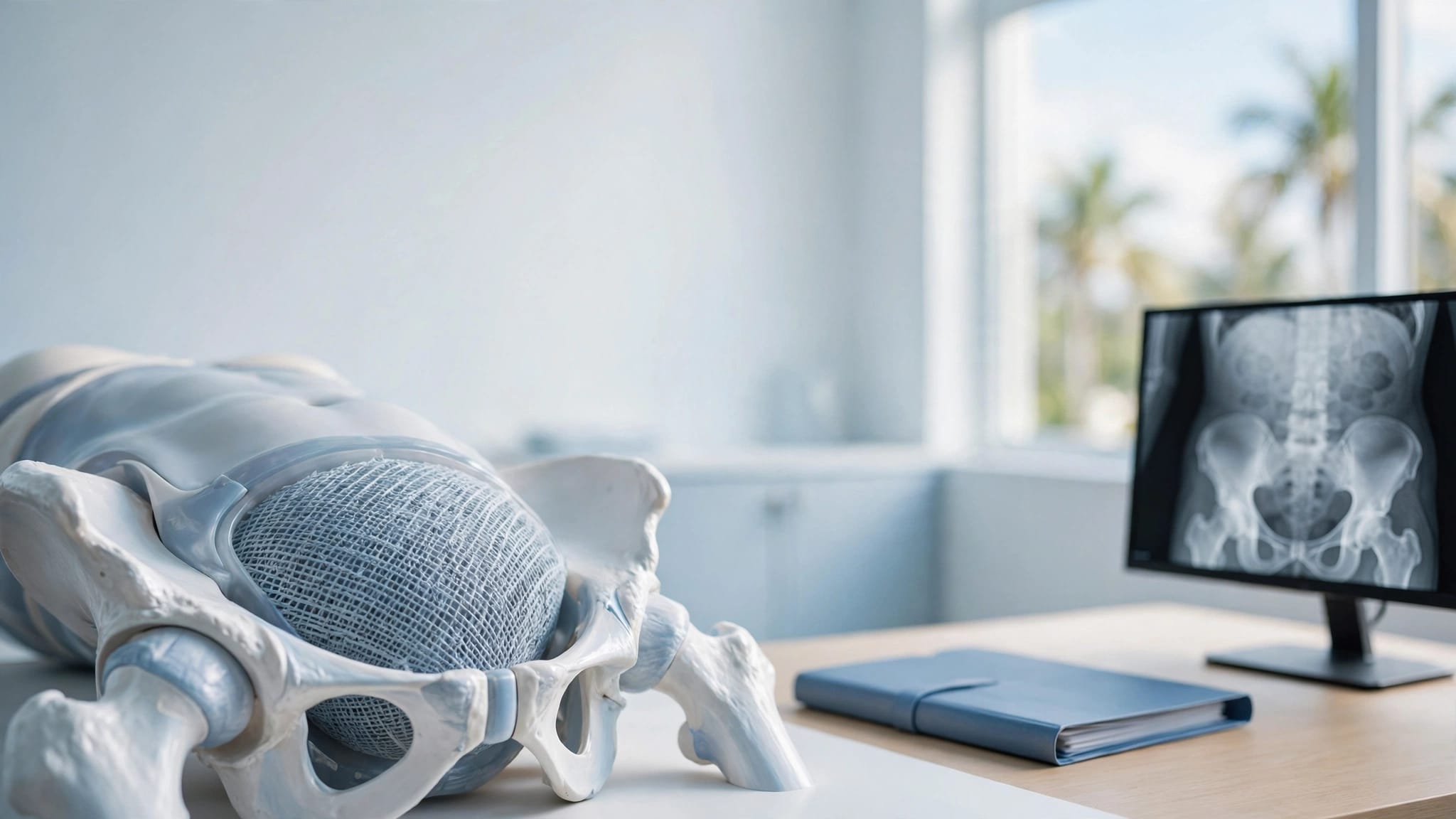
Persistent pain after hernia surgery can leave you facing another operation, missed work, and uncertainty about what went wrong. Florida hernia mesh claims may involve a defective implant, negligent medical care, or both.
A successful claim requires evidence connecting a specific failure to your injury, not simply proof that recovery went badly. The first step is distinguishing a mesh-related problem from a complication caused by the procedure or follow-up care.
Key Takeaways
- A mesh complication alone doesn’t establish a product defect or medical malpractice.
- Manufacturer claims and claims against medical providers involve different evidence, procedures, and deadlines.
- Implant records, operative reports, imaging, and revision-surgery findings can help establish what happened.
- Legal review should begin before treatment ends because filing deadlines can expire while you’re still recovering.
Hernia Mesh Complications That Deserve Medical Attention
Pain, infection, and problems involving nearby organs
The FDA’s information on mesh used for hernia repair identifies pain, infection, recurrence, adhesions, bowel obstruction, and other complications. Some occur after hernia surgery with or without mesh. Mesh-related risks also include migration and shrinkage, sometimes called contraction.
Adhesions are bands of scar tissue that can connect tissues or organs. A fistula is an abnormal connection between organs or tissues. Both can complicate treatment, but neither diagnosis alone identifies the responsible party.
Seek emergency care for severe abdominal pain with vomiting, inability to pass stool or gas, or signs of serious infection.
Why symptoms don’t establish legal responsibility
Persistent pain may involve nerve injury, scar tissue, recurrence, infection, or another cause. Therefore, the investigation needs medical findings that explain the symptoms.
Revision surgery can provide important evidence about mesh position, surrounding tissue, and organ damage. However, another operation doesn’t automatically prove the original implant was defective or the surgeon acted negligently.
The distinction matters because the same symptom can support different legal theories. Medical experts must assess the repair, later treatment, and underlying condition rather than assume every problem resulted from mesh.
Product Liability and Medical Malpractice Are Different Claims
Claims involving a mesh manufacturer
A manufacturer claim examines whether the device had a design defect, a manufacturing defect, or inadequate warnings. Each theory requires evidence of the alleged failure and its connection to the injury.
A design claim concerns the product’s intended characteristics. A manufacturing claim concerns a problem in how a particular device was produced. A warning claim examines whether the manufacturer adequately communicated relevant risks.
The investigation also needs the correct manufacturer’s identity and the exact implanted product. Advertising about mesh litigation doesn’t establish that every product qualifies for the same claim or legal proceeding.
Claims involving a surgeon or other provider
A provider claim examines clinical decisions and treatment. Relevant issues may include implant selection, placement, surgical technique, or failure to respond appropriately to postoperative complications.
Florida requires proof that the provider departed from the prevailing professional standard of care and caused harm. Our explanation of Florida’s medical malpractice standard describes that requirement.
An implant selected incorrectly for a patient isn’t necessarily defective. Similarly, a product problem doesn’t automatically establish surgeon negligence. Some cases require investigation of both, but each defendant’s responsibility needs separate support. The investigation must distinguish acceptable clinical judgment from care that fell below the applicable standard.
Medical Records and Device Identification Build the Case
The implant’s identity is a central piece of evidence. The FDA’s hernia mesh patient information recommends obtaining the manufacturer, brand, material, and Unique Device Identifier, or UDI.
These details may appear in the implant log, device sticker, or operative records. A general discharge summary may describe the surgery without identifying the mesh.
Other important records include preoperative evaluations, consent documents, postoperative visits, imaging, laboratory results, and revision-surgery reports. Together, they can establish the timeline and help explain whether the injury involved the product, its placement, or later care.
Records from a second hospital matter when that facility diagnosed or treated the complication. Pathology findings and photographs taken during surgery may also help explain what clinicians observed.
If mesh removal is planned, discuss evidence preservation with your attorney before the procedure when practical. Necessary treatment shouldn’t wait for legal arrangements.
Keep a dated record of symptoms, work absences, and assistance you need at home. Describe concrete limitations, such as difficulty lifting, sleeping, or completing household tasks. Those details support the damages analysis without replacing medical proof.
Florida Filing Deadlines Depend on the Claim
Medical malpractice has discovery and outside deadlines
Under Florida’s medical-malpractice limitations statute, claims generally have a two-year filing period. The calculation considers the incident or when the injury and a possible connection to negligence were discovered or should have been discovered.
Florida also generally applies a four-year statute of repose measured from the alleged negligent act or omission. That outside limit can bar a claim before the full medical explanation becomes clear.
Limited exceptions involve fraud, concealment, intentional misrepresentation, and certain claims involving young children. Proper presuit notice can affect the calculation, but requesting records or discussing settlement doesn’t automatically stop the clock.
Product claims follow separate timing rules
Manufacturer claims require a separate analysis under Florida’s products-liability discovery and repose provisions. The discovery inquiry concerns when relevant facts became known or should have become known through reasonable diligence.
Florida’s products-liability repose provisions include a 12-year restriction for products with an expected useful life of 10 years or less. That period generally runs from delivery to the first noncommercial purchaser or lessee, subject to statutory qualifications.
Those conditions matter. The provision isn’t a universal deadline measured from every patient’s implantation date.
A hospital investigation, an open insurance claim, or continuing treatment doesn’t automatically preserve your right to sue.
Florida Requires Preparation Before a Malpractice Lawsuit
Medical-negligence claims generally require a reasonable presuit investigation. A qualified medical expert’s verified written opinion must support reasonable grounds to believe negligence caused injury.
The expert’s qualifications must fit the care under review. A technical assessment of the implant doesn’t replace the medical opinion required for a claim against a healthcare provider.
After the investigation, formal notice must reach each prospective medical-negligence defendant. Florida generally provides a 90-day presuit investigation period before litigation proceeds, subject to procedural rules and applicable extensions.
During that period, recipients may request information, deny the claim, offer settlement, or admit liability and seek arbitration. The process also includes health-information authorization requirements.
Identifying defendants takes more than listing everyone in the operating room. Provider relationships, billing records, and facility responsibilities can affect who belongs in the claim. Our discussion of physician group malpractice claims addresses those questions.
A complaint to hospital administration doesn’t replace statutory notice. Likewise, calling a clinical claim ordinary negligence doesn’t bypass malpractice requirements when proving it requires professional medical judgment.
Compensation Depends on the Harm the Evidence Supports
Recoverable damages may include additional surgery, hospitalization, medications, rehabilitation, and future treatment supported by medical evidence. Lost wages and reduced earning capacity may also matter when the injury prevents a return to work.
Pain, disability, and loss of enjoyment of life can form part of a claim. However, the damages analysis must separate the added injury from the hernia and treatment you would have needed anyway.
Keep medical bills, insurance statements, pay records, and documentation of paid assistance. Employment records can show missed work, while medical and vocational evidence can support lasting restrictions.
Future losses require more than a patient’s concern that problems will continue. The evidence should identify likely treatment needs or ongoing limits on earning ability.
No reliable settlement amount follows from the diagnosis, the mesh’s name, or the fact that removal occurred. Case value depends on liability, causation, the extent of injury, and documented losses. If the patient died, separate wrongful-death rules govern who may recover and which damages are available.
Choosing an Attorney for Florida Hernia Mesh Claims
An attorney evaluating your case should consider both device evidence and medical care. Focusing on only one can overlook a responsible party or apply the wrong procedural rules.
Ask how the investigation will identify the implant, obtain expert review, preserve evidence, and evaluate filing deadlines. The discussion should also address litigation expenses and the written fee agreement.
Bring the surgery date, provider names, available records, bills, and any explanation you received about the complication. You don’t need a complete medical file before seeking advice.
Our guidance on when to contact a malpractice attorney explains why early review matters. We offer free consultations so you can discuss the circumstances of your injury and potential legal options.
Frequently Asked Questions
Can I have a claim without mesh removal?
Yes, removal isn’t a universal requirement. An investigation can examine documented injuries involving mesh that remains implanted. However, the claim still needs evidence of a product defect or negligent care, causation, and damages.
A treating clinician should determine whether removal is medically appropriate. Surgery carries risks, and treatment decisions should follow your medical needs rather than a perceived litigation requirement. Imaging, clinical findings, and other records may support the investigation without removal.
Does reporting the problem to the FDA start a lawsuit?
No. The FDA’s hernia mesh reporting process concerns device safety monitoring. It doesn’t file a civil claim or stop a legal deadline.
An adverse-event report also doesn’t establish that the device caused the injury. Reports can help identify safety concerns, but an individual claim requires evidence addressing what happened to that patient. Legal review and medical treatment remain separate from the reporting process.
Protect Your Health and Your Legal Options
Persistent complications deserve medical attention and a careful investigation of the implant and care you received. A valid claim connects a supported failure to a measurable injury.
Early legal review allows time to gather records, identify responsible parties, and address deadlines while treatment continues. You don’t need to know exactly what went wrong before discussing your options with our attorneys.