
Florida Auto-Belay Injuries: When a Gym May Be Liable
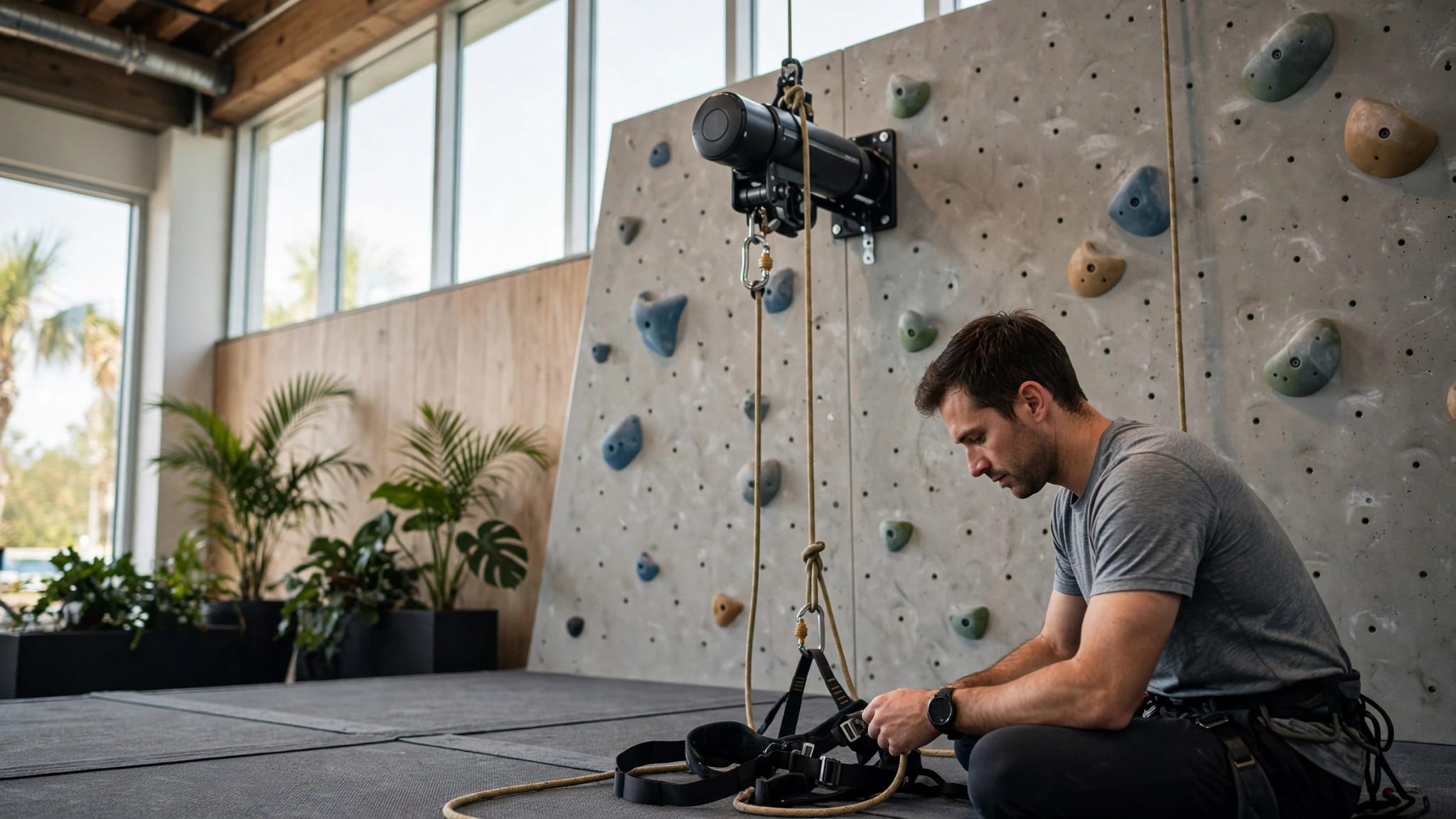
A Florida auto-belay injury claim may arise when unsafe equipment, poor maintenance, or negligent gym operations cause a climbing fall. Liability depends on connecting a specific failure to your injuries, even when you’ve signed a waiver.
After a serious fall, medical treatment and preserving evidence deserve immediate attention. The device, surveillance footage, and inspection history may explain what happened more accurately than an initial incident report. Start by protecting your health and the information needed to evaluate responsibility.
Key Takeaways
- An auto-belay fall requires investigation into the device, attachment system, instructions, and staff conduct.
- Inspection records matter most when they identify the exact equipment and show whether reported problems received completed repairs.
- A waiver doesn’t automatically eliminate every claim, but its wording can affect recovery.
- Florida generally provides two years for negligence lawsuits, and shared fault can reduce or bar compensation.
What to Do After an Auto-Belay Fall
Seek prompt medical care after a substantial fall. Call 911 for suspected spinal injuries, loss of consciousness, severe bleeding, or other emergency symptoms. Tell medical providers about the fall, any head impact, and symptoms such as numbness or weakness.
Once you’re safe, report the injury to a manager and request an incident report. Describe what you observed without guessing about internal mechanical failures. Record who received your report and any statements employees made.
Photograph the climbing lane, landing surface, warning signs, harness, connector, and device label when you can do so safely. Keep original files, witness contact information, receipts, membership documents, and the signed waiver.
Don’t test, repair, or dismantle the equipment. Tell your attorney where it is and who controls it. A preservation request can identify the device, video, maintenance records, and communications that should remain available for investigation.
Identify How the Auto-Belay System Failed
An auto-belay controls a connected climber’s descent without a human belayer. However, a fall described as an “auto-belay failure” can involve several different problems.
Separate a Device Malfunction From an Attachment Problem
The investigation should determine whether the climber connected to the system, whether that connection remained secure, and whether the device controlled descent.
Relevant components include the harness attachment point, connector, retracting line, mounting hardware, and braking mechanism. A qualified expert may need to examine their condition and operation.
Video and witness observations can help distinguish uncontrolled descent from a disconnected climb or another event. Preserve the entire system when possible because an isolated photograph may omit the component that explains the fall.
Examine Instructions and Supervision
A supervision claim requires more than proof that an employee wasn’t watching at one moment. The evidence must show what reasonable supervision required and whether timely intervention could have prevented the injury.
The Climbing Wall Association’s updated guidance addresses auto-belay orientations, documented competency assessments, and barriers. Those recommendations provide safety context, but they aren’t automatically Florida legal requirements.
Training records should show what the climber received and understood. Compare written policies with staff assignments, witness accounts, and footage of actual operations.
Inspection Records Must Match the Equipment
A general gym safety checklist may reveal little about the particular auto-belay involved. Equipment-specific records provide a stronger foundation for understanding its condition before the fall.
Identify the Device and Its Service Requirements
Record the manufacturer, model, serial number, installation information, and service history. Match each inspection report to that equipment rather than assuming a facility-wide inspection covered it.
Manufacturer instructions also differ. For example, the Head Rush Technologies TRUBLUE iQ+ LT/XL manual includes a weekly inspection log and an in-depth inspection every six months. Those provisions concern those models, not every auto-belay.
The important comparison is between the applicable instructions and documented work. Inspection dates alone don’t establish that someone examined the relevant component or addressed a developing problem.
Follow Defects Through Completed Repairs
A reported concern and a finished repair are different events. Trace maintenance requests through technician notes, replacement-part records, invoices, and any return-to-service documentation.
A work order marked “closed” may reflect an administrative update rather than proof that the equipment was repaired.
Earlier complaints matter when they concern the same device or a related hazard. Compare those reports with subsequent inspections and evidence showing whether staff restricted access while repairs remained unfinished.
Also preserve communications between the operator and service contractor. Those messages may explain an incomplete repair or a decision to continue using equipment.
Who May Be Responsible for a Climbing Gym Injury?
Responsibility depends on control, conduct, and causation. The name displayed on the gym’s sign may differ from the legal entity operating the facility or maintaining its equipment.
The Gym Operator and Other Property Parties
A claim against a gym may involve inadequate inspections, ignored defects, unsafe installation, deficient instruction, or a failure to respond to a known hazard.
The injured person must establish duty, breach, causation, and damages. Similar questions arise in Florida trampoline park injury claims, where equipment condition and operating practices can both matter.
A landlord’s responsibility depends on its obligations and control over the condition involved. Ownership alone doesn’t establish responsibility for every operational decision.
Manufacturers and Maintenance Contractors
A manufacturer may face a product-liability claim when evidence supports a design defect, manufacturing defect, or inadequate warning that caused harm. A service contractor may face a negligence claim for faulty repairs or inspections.
A malfunction by itself doesn’t identify which theory applies. The equipment’s condition, maintenance history, instructions, and technical analysis must support the alleged failure.
Contracts can also identify who installed, inspected, or serviced the system. However, an agreement assigning responsibilities doesn’t replace evidence connecting a particular party’s conduct to the injury.
How Waivers and Shared Fault Affect Recovery
Save the full waiver, including electronic signature records and any instructions presented with it. Its wording, the parties it identifies, and the circumstances of signing can affect enforceability and scope.
A signed release doesn’t answer every question about a manufacturer, contractor, or alleged safety failure. Likewise, an equipment malfunction doesn’t automatically defeat a waiver. The agreement and the underlying facts require separate analysis.
An insurer may also argue that a climber ignored instructions, failed to connect properly, or interfered with the system. Video, orientation records, and witness testimony can help determine whether those allegations explain the injury.
Under Florida’s comparative-fault statute, assigned fault generally reduces damages in covered negligence actions. A claimant found more than 50% responsible for their own harm generally cannot recover. Exactly 50% doesn’t trigger that bar, although it reduces recovery.
Fault percentages require evidence. A serious injury doesn’t establish the gym’s fault, and an accusation of climber error doesn’t establish yours.
Compensation and Florida’s Filing Deadline
The medical and financial effects of a climbing fall can continue long after emergency treatment. Meanwhile, the deadline for filing a lawsuit may arrive before recovery is complete.
Document the Injury and Its Lasting Effects
Potential damages include medical expenses, lost income, reduced earning capacity, and pain and suffering. Recovery depends on proof and the legal rules governing the claim.
A substantial fall can cause fractures, head injuries, or spinal injuries. Medical records should document the diagnosis, treatment, prognosis, and connection to the incident.
Keep therapy notes, prescriptions, work restrictions, wage records, and receipts for injury-related expenses. A factual record of disrupted sleep and daily limitations can also help describe the injury’s effects. Future losses need supporting evidence rather than assumptions.
Act Within the Applicable Time Limit
Florida’s negligence filing deadline generally allows two years under section 95.11(5)(a). The applicable deadline depends on the claim, incident date, defendant, and any legally recognized exceptions.
Other claims can involve different timing rules. Settlement discussions or an insurer’s investigation don’t automatically pause the filing period.
Evidence also has a shorter practical lifespan than a lawsuit deadline. Surveillance systems may overwrite footage, and equipment may undergo repairs. Early legal review allows preservation efforts to begin while responsibility remains under investigation.
Frequently Asked Questions About Florida Auto-Belay Injuries
Can I Pursue a Claim if Staff Say I Clipped In Incorrectly?
Possibly. That statement is an allegation, not a final determination. The attachment system, orientation, staff conduct, and video may support or contradict it. Your conduct can affect recovery, but the investigation should also address any separate equipment or operational failure that contributed to the fall.
Does a Recent Inspection Mean the Gym Isn’t Liable?
No. An inspection is one piece of evidence. Its value depends on what someone inspected, how thoroughly they examined it, and what happened afterward. A checklist may omit the component involved, while repair records or earlier complaints may reveal an unresolved problem.
Can an Attorney Obtain Records the Gym Won’t Give Me?
An attorney can request preservation of relevant evidence. However, a preservation request doesn’t guarantee voluntary production. Once a lawsuit begins, formal discovery may allow counsel to seek records from the operator, manufacturer, maintenance contractor, and other parties. Those records can supplement photographs and documents already available to you.
Protect Your Recovery After an Auto-Belay Fall
A Florida auto-belay injury claim needs a clear connection between the safety failure and your losses. Equipment-specific evidence and medical documentation give that investigation its foundation.
We offer free case evaluations for people seeking help with Florida personal injury matters. Early review can address responsibility, waiver issues, and filing deadlines while you focus on treatment.