
Can You Sue a Florida Hotel for Carbon Monoxide Poisoning?
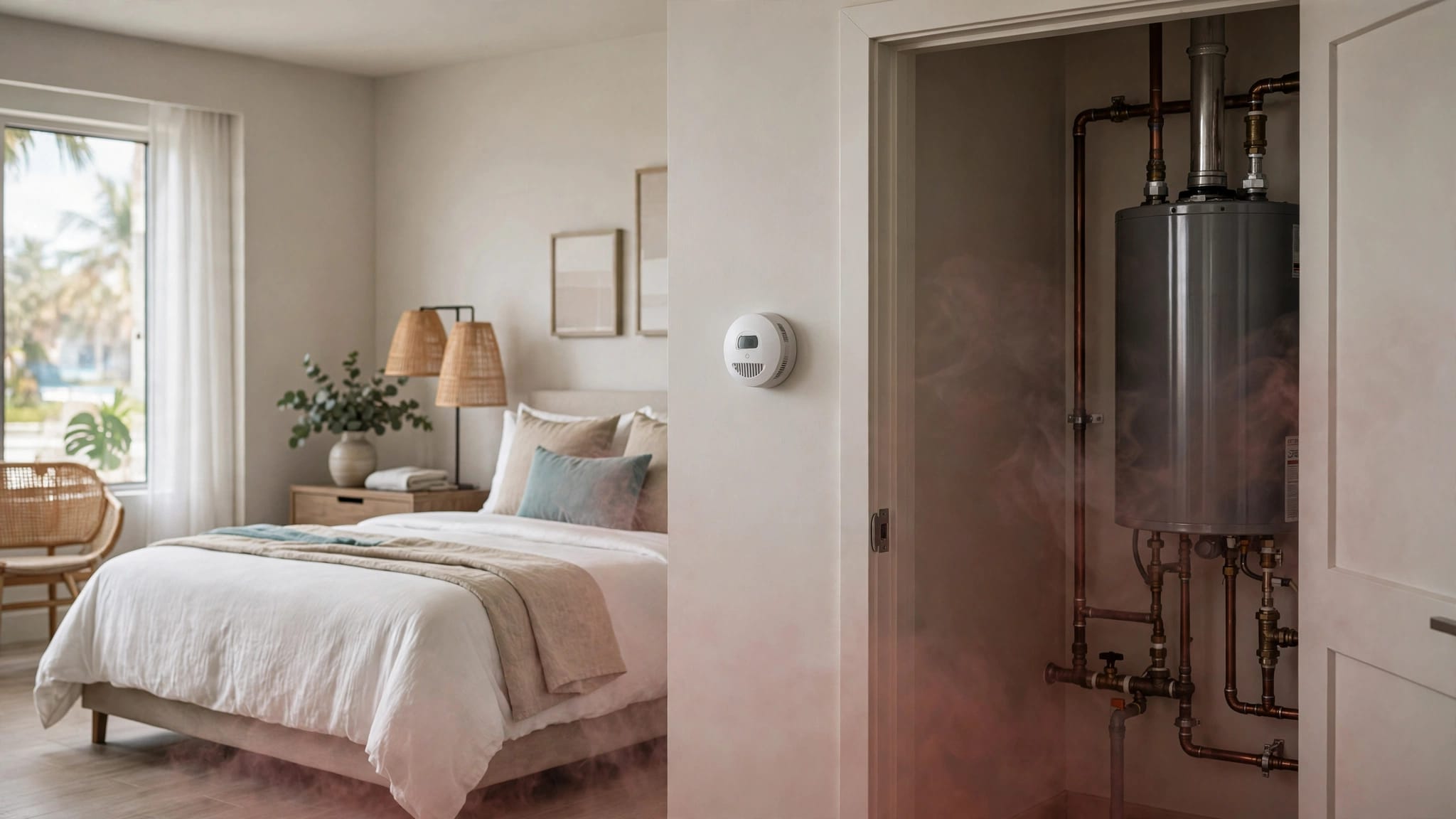
Yes. A Florida hotel can be liable for carbon monoxide poisoning when its negligence causes a guest’s injuries. A successful claim requires proof of a safety failure, a connection to the exposure, and resulting harm.
Your priority is immediate medical care, because carbon monoxide exposure can become life-threatening before anyone recognizes the source. Once you’re safe, the hotel’s maintenance history, alarm records, and response to earlier warnings can help establish whether the poisoning was preventable.
Key Takeaways
- A hotel injury claim requires proof of duty, breach, causation, and damages. Exposure alone doesn’t establish negligence.
- Responsibility may involve the owner, operator, management company, or equipment contractor, depending on each party’s conduct.
- Seek emergency care and preserve records promptly. A hotel investigation or insurance negotiation doesn’t automatically extend the deadline to sue.
When a Florida Hotel Can Be Liable for Poisoning
Hotels must use reasonable care to keep their premises reasonably safe for guests. They must also address dangerous conditions they know about or should discover through reasonable care.
A safety failure must support the claim
A carbon monoxide claim may involve poorly maintained fuel-burning equipment, blocked exhaust systems, inadequate inspections, or ignored alarms. Continuing to rent rooms after credible warnings may also support a negligence claim.
The investigation should identify what the hotel should have done and when it should have acted. An equipment failure doesn’t automatically establish fault. However, repeated service calls, unresolved repair recommendations, or earlier guest complaints can help show that the danger was foreseeable.
The failure must have caused your injuries
Your claim must connect the hotel’s conduct to both the exposure and your medical condition. Relevant evidence may include emergency responders’ carbon monoxide readings, equipment inspections, treatment records, and witness accounts.
Symptoms alone don’t establish where exposure occurred. The timeline matters: when you entered the room, when symptoms began, and whether other guests became ill.
Medical and engineering experts may address different questions. A physician evaluates the health effects, while an equipment specialist may explain how combustion gases entered occupied rooms.
Carbon Monoxide Sources and Hotel Safety Requirements
Carbon monoxide is a colorless, odorless gas produced by fuel combustion. In hotels, potential sources include fuel-fired water heaters, boilers, pool heaters, and generators.
Faulty venting can allow exhaust to reach guest rooms. Because gases can travel through building openings, the dangerous equipment doesn’t have to be inside your room.
Florida’s public lodging safety laws address carbon monoxide detection in covered lodging circumstances. Applicable requirements can matter when evaluating whether a hotel took reasonable precautions. However, a detector issue doesn’t eliminate the need to prove causation and injury.
Alarm maintenance and staff response also deserve attention. Investigators may examine whether a detector operated, whether anyone disabled it, and what employees did after receiving a warning.
A working alarm can support a negligence claim if staff received its warning but failed to protect guests.
A hotel’s compliance with one safety requirement doesn’t resolve every question about equipment maintenance, ventilation, or its response to a known hazard. Those duties require separate analysis.
Which Businesses May Be Responsible?
The brand on the building doesn’t necessarily identify the business that owned the property, operated the hotel, or maintained its equipment. Each proposed defendant needs an evidence-based legal theory.
Owners, operators, and management companies
Responsibility often depends on control. Ownership records, leases, and management agreements can show who had authority to inspect equipment, approve repairs, remove rooms from service, or warn guests.
A hotel may also bear responsibility for negligent acts of employees acting within their employment. For example, maintenance records and staff communications may show whether workers reported a problem to management.
Still, naming several related companies isn’t enough. The evidence must connect each company’s responsibilities and conduct to the injury.
Contractors and other outside businesses
A contractor may share responsibility if negligent installation, inspection, or repair contributed to the exposure. Service agreements and invoices can identify who worked on the equipment and what work they performed.
Hiring an outside contractor doesn’t automatically resolve the hotel’s own responsibility. Likewise, a franchise relationship alone doesn’t establish that a national brand controlled the dangerous condition.
The investigation should follow the actual authority, maintenance work, and warnings rather than assume every business had the same role.
What to Do After Suspected Hotel Exposure
Protect your health first. Evidence collection can wait until you’re outside and emergency responders have addressed the danger.
Leave the building and seek emergency care
Move everyone outside to fresh air and call 911. Don’t remain inside while staff investigates, and don’t re-enter until emergency responders say it’s safe.
The CDC’s carbon monoxide guidance identifies symptoms including headache, confusion, dizziness, fatigue, and nausea. Severe exposure can cause loss of consciousness or seizures.
Tell responders and treating clinicians that you suspect carbon monoxide exposure. Explain where you stayed, when symptoms began, and whether anyone else became sick. Follow medical advice even if you start feeling better outside.
After discharge, report persistent or new symptoms promptly. Keep follow-up appointments so your records reflect both recovery and any continuing problems.
Preserve the timeline and available records
Once you’re safe, retain your reservation confirmation, room number, receipts, and communications with hotel staff. Write down the timing of symptoms, alarms, evacuation instructions, and statements you remember.
Preserve photographs you already have, along with contact information for witnesses. Don’t return to a dangerous area to obtain additional evidence.
An attorney can seek preservation of maintenance logs, alarm histories, incident reports, surveillance footage, service contracts, and equipment. A preservation request doesn’t guarantee voluntary production, but early action matters because repairs and routine record deletion can change the available evidence.
Compensation After Carbon Monoxide Poisoning
Compensation depends on the injuries the negligence caused and the evidence documenting their consequences. There isn’t a reliable standard settlement amount for hotel carbon monoxide exposure.
Medical costs, income losses, and lasting limitations
Recoverable damages may include emergency treatment, hospitalization, rehabilitation, and medically supported future care. Lost wages and reduced earning capacity may also matter when symptoms interfere with employment.
Pain, disability, and loss of enjoyment of life can form part of a claim. However, future losses need support rather than speculation.
Keep bills, work restrictions, wage records, and a factual account of daily limitations. If another person helps with household tasks or personal care, document that assistance. These records help distinguish temporary inconvenience from lasting injury.
Claims when exposure causes death
When negligent exposure causes death, the estate’s personal representative generally brings the wrongful-death action. Florida law determines which survivors may recover and what damages are available.
Our discussion of Florida wrongful death damages explains losses involving support, services, and other statutory categories.
The estate and survivors may have different recoverable losses. Family relationship, financial dependence, and the circumstances of the death affect the analysis.
Filing Deadlines and Shared-Fault Defenses
Evidence preservation and filing deadlines require separate attention. Obtaining records doesn’t itself protect the right to file a lawsuit.
Florida generally allows two years for negligence claims
Under Florida’s statute of limitations, negligence actions generally have a two-year filing period. Wrongful-death actions also generally have a two-year period, although the starting point and applicable exceptions require individual analysis.
Don’t assume the clock begins when treatment ends or an insurer makes its final offer. The claim type, relevant dates, and defendant can affect the deadline.
A complaint to hotel management, a regulatory investigation, or ongoing settlement discussions doesn’t automatically pause the filing period. Early legal review leaves time to identify responsible businesses and develop the evidence.
Allegations of guest fault need evidence
Florida’s comparative fault statute generally bars recovery when a claimant is more than 50% responsible in a covered negligence action. A smaller percentage of fault can reduce damages.
A hotel or insurer might argue that a guest ignored evacuation instructions or interfered with safety equipment. Such allegations require evidence. An adjuster’s proposed fault percentage isn’t a final legal determination.
Because carbon monoxide has no smell, failing to notice an odor doesn’t establish that a guest ignored the danger.
Frequently Asked Questions
Can I pursue a claim if I live outside Florida?
Yes. Living elsewhere doesn’t prevent you from pursuing a claim arising from injuries at a Florida hotel. Your reservation records, travel timeline, and treatment records remain important, including records from care you received after returning home.
Does receiving a room refund settle my injury claim?
A refund alone doesn’t necessarily settle an injury claim. However, a signed release may surrender important rights. Have an attorney review settlement documents before signing, particularly when the full medical effects of the exposure remain unclear.
Is a hotel poisoning claim medical malpractice?
A claim about unsafe hotel equipment or premises generally involves ordinary negligence. A separate claim alleging negligent diagnosis or treatment may involve medical malpractice. Florida’s medical-negligence rules can require expert-supported investigation and formal presuit notice, so the claims shouldn’t be treated as interchangeable.
Protect Your Health and Your Right to Seek Compensation
A Florida hotel can face liability when a preventable safety failure causes carbon monoxide poisoning. The strongest claims connect the hotel’s responsibilities and warnings to documented exposure, injury, and losses.
Seek care first, then protect the evidence and filing deadline. Contact us at Avard Law Offices for a free personal injury case evaluation to discuss your circumstances and legal options.