
Florida Boating Injury Claims After a Propeller Strike
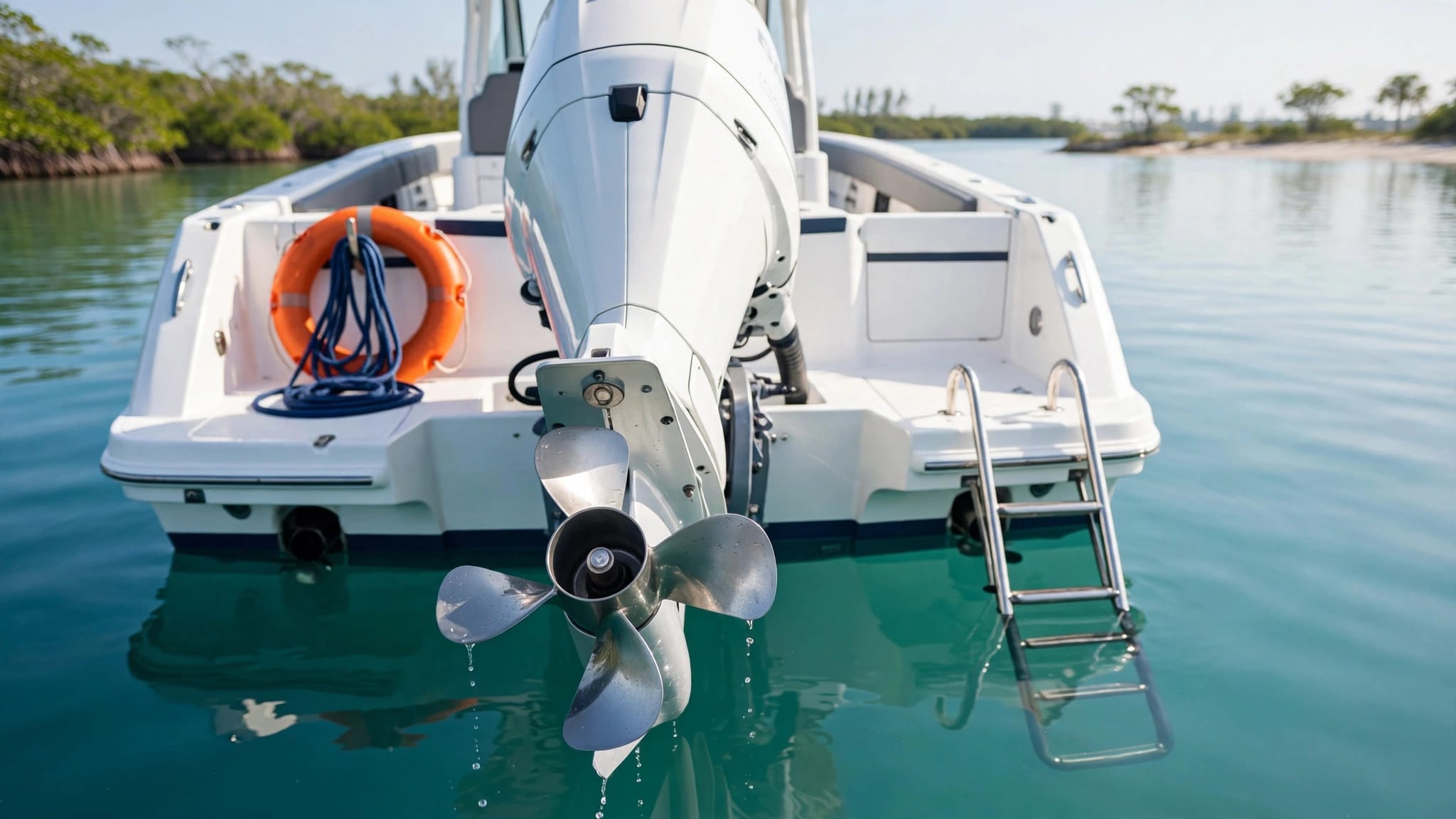
Florida boating injury claims after a propeller strike depend on proof of responsibility, the injuries caused, and the law governing the accident. A swimmer, passenger, or person reboarding a boat may have a claim against an operator or another responsible party.
Because these injuries can require surgery and lengthy rehabilitation, early evidence preservation matters alongside emergency treatment. The boat, engine controls, witness accounts, and medical records can answer different questions about what happened.
Start with medical care and reporting, then protect the evidence needed to explain the strike.
Key Takeaways
- Emergency treatment comes first, and an injury requiring more than immediate first aid triggers Florida’s boating-accident reporting requirement.
- Preserve the vessel, propulsion equipment, original recordings, and witness information before repairs change the evidence.
- Compensation depends on documented losses, responsibility, insurance coverage, and the governing law.
- Florida’s shared-fault rules and filing deadlines shouldn’t automatically be applied to every maritime claim.
Get Medical Help and Report the Propeller Strike
Emergency care takes priority
Call 911 after a serious propeller injury. If it can be done safely, stop the engine and prevent anyone from restarting it while people remain near the propeller. Follow emergency responders’ instructions rather than risking another injury during rescue.
Propeller wounds can involve heavy bleeding, nerve damage, broken bones, or amputation. Water exposure also raises infection concerns. Tell treating providers where the incident happened, how the propeller contacted you, and whether you were submerged.
Treatment records should capture more than the visible wound. Weakness, numbness, and limits on movement can affect both care and the injury claim.
Florida requires prompt notice of qualifying accidents
Under Florida’s boating accident reporting law, an operator must report an accident without delay when it causes an injury requiring treatment beyond immediate first aid. Death and disappearance under circumstances indicating possible injury or death also trigger reporting.
The operator must notify the Florida Fish and Wildlife Conservation Commission’s Division of Law Enforcement, the county sheriff, or the applicable municipal police chief.
The law also requires assistance when practicable without serious danger. Operators must provide their name, address, and vessel identification in writing to injured people and owners of damaged property.
Who Can Be Responsible in Florida Boating Injury Claims?
Operator decisions can explain how contact occurred
The investigation should establish where everyone was before the engine started or the boat moved. Important questions include whether passengers were reboarding, whether swimmers were visible, and whether the operator knew someone was near the stern.
Witnesses may describe a sudden reverse maneuver, movement during boarding, or an operator’s failure to account for someone in the water. However, the evidence must connect that conduct to the strike.
Engine cut-off equipment may also matter when an operator falls overboard or loses control. The Coast Guard’s cut-off device guidance explains how these systems help prevent injuries after an operator becomes displaced.
Other parties may require investigation
A rental business, charter company, maintenance provider, or equipment manufacturer may warrant review when the facts point to unsafe instructions, faulty repairs, or a product defect.
Responsibility depends on each party’s conduct and legal duties. A company’s name on a rental agreement doesn’t answer whether it caused the injury.
Preserve booking documents, rental agreements, safety instructions, and any signed waiver. These records help identify the parties, contractual terms, and insurance issues. A signed document also deserves legal analysis before anyone treats it as a complete answer to the claim.
Preserve Evidence Before the Boat Changes
Protect the vessel and propulsion equipment
A damaged propeller is only part of the physical evidence. The engine, throttle and shift controls, cut-off system, boarding ladder, and stern layout may help explain how someone reached the danger area.
An attorney can send written preservation requests to the owner, operator, rental company, marina, or others controlling relevant materials. Requests should identify equipment, recordings, maintenance records, inspection documents, and incident communications.
Preserving the propeller alone can leave unanswered questions about the controls and boarding area.
Keep copies of preservation requests and delivery records. A verbal promise to save footage offers less documentation if the recording later disappears. Coordinate inspections before repairs or testing alter relevant evidence.
Save original records and witness accounts
Keep original photographs and videos, including their timestamps and other file information. Screenshots and edited clips can omit context. Nearby marina cameras, onboard cameras, passenger phones, and vessel electronics may contain useful information.
Photographs should show the boarding area and overall layout, not only close-ups of the wound or propeller. Images of warning labels and the view from the helm may also help.
Record witness names and contact information promptly. Describe what you personally observed without estimating engine speed, distances, or timing you couldn’t reliably perceive.
Document the Full Cost of a Propeller Injury
Medical and employment records support financial losses
Potential compensation can include emergency care, surgery, rehabilitation, medication, assistive devices, and future treatment. Depending on the injury, medical recommendations may address prosthetic care, additional procedures, or ongoing therapy.
Keep bills, insurance statements, receipts, discharge instructions, and work restrictions together. Pay records and employer documentation can show missed earnings.
Future losses require support beyond an early estimate. Treating providers can explain expected care, while vocational or economic evidence may address reduced earning capacity. Records should also distinguish a new injury from an aggravated preexisting condition.
Lasting limitations and fatal injuries require separate attention
Pain, scarring, disability, and loss of enjoyment of life may form part of the damages claim. Photographs over time and treatment notes can document healing and lasting limitations.
A brief record of daily difficulties can supplement medical evidence. Describe concrete limitations, such as difficulty dressing, standing, driving, or performing job duties, without exaggeration.
If the injury causes death, the personal representative generally brings the wrongful-death action for eligible survivors and the estate. Our explanation of Florida wrongful death damages addresses qualifying losses, including lost support and services. The damages available depend on the survivor’s relationship to the deceased and statutory requirements.
Shared Fault Can Change the Recovery
An insurer may argue that an injured person entered the water unexpectedly, ignored instructions, or approached the stern while the engine was running. Those allegations need evidence connecting the person’s conduct to the injury.
Under Florida’s comparative-fault statute, assigned responsibility generally reduces damages in covered negligence actions. A person found more than 50 percent responsible for their own harm cannot recover in those actions.
However, maritime comparative-fault principles can differ. Florida’s threshold shouldn’t automatically govern an accident simply because it happened near the Florida coast.
An adjuster’s percentage isn’t a final legal finding. Witness accounts, recordings, instructions, visibility, and vessel movement can support or challenge an accusation. Be accurate in insurance communications, but don’t guess about events you couldn’t see. Discuss another insurer’s recorded-statement request with counsel before responding.
Filing Deadlines Continue During Insurance Negotiations
Florida generally provides a two-year filing period for negligence actions. Wrongful-death actions also generally have a two-year period, usually measured from the date of death.
However, a boating injury can require a federal maritime-law analysis. The vessel’s activity, accident location, claim type, and defendant can affect which rules govern. Product claims and cases involving government defendants may also require different calculations or procedures.
Don’t assume the deadline waits until rehabilitation ends or permanent limitations become clear. An open insurance claim, settlement discussions, or a promise to investigate doesn’t automatically pause the filing clock.
Evidence may disappear much sooner. Recordings can be overwritten, boats can be repaired, and witnesses can become difficult to locate. Early legal review allows time to address both preservation and filing requirements.
Bring the accident date, treatment timeline, rental or charter documents, and any claim correspondence to an evaluation. You don’t need to wait for the investigation to finish.
Frequently Asked Questions
Can I pursue a claim if I was visiting Florida?
Yes. Returning home doesn’t automatically prevent you from pursuing a claim arising from a Florida boating injury. The accident’s location, parties, and governing law help determine where the case belongs.
Keep travel records, booking documents, witness contacts, and treatment records from every provider. Continuing care outside Florida should still document the injury and its practical effects.
Does an accident report establish who must pay?
An accident report can identify witnesses, observations, and investigative findings, but it doesn’t resolve every civil liability or insurance question. Photographs, equipment inspections, medical evidence, and witness accounts may support or challenge its description.
Likewise, a citation or criminal investigation doesn’t replace proof connecting the responsible conduct to your injuries and losses.
Should I accept an early settlement offer?
Evaluate an offer against the medical evidence, expected future care, income losses, available coverage, and any disputed responsibility. Serious propeller injuries can have costs that aren’t clear immediately after discharge.
Before signing, understand which claims the release ends. Follow your own policy’s notice and cooperation requirements, and get legal advice about an offer before giving up rights to compensation.
Protect Your Claim While You Recover
A propeller-strike claim needs a clear account of the boat’s operation, the equipment involved, and the resulting harm. Preserved evidence gives that account a stronger foundation while medical and financial records establish the losses.
At Avard Law Offices, we offer free case evaluations for Florida personal injury matters. Bring the records you have so we can discuss responsibility, preservation, insurance, and deadlines without waiting for every question to be resolved.