
Florida Ceiling Collapse Injuries in Rental Homes
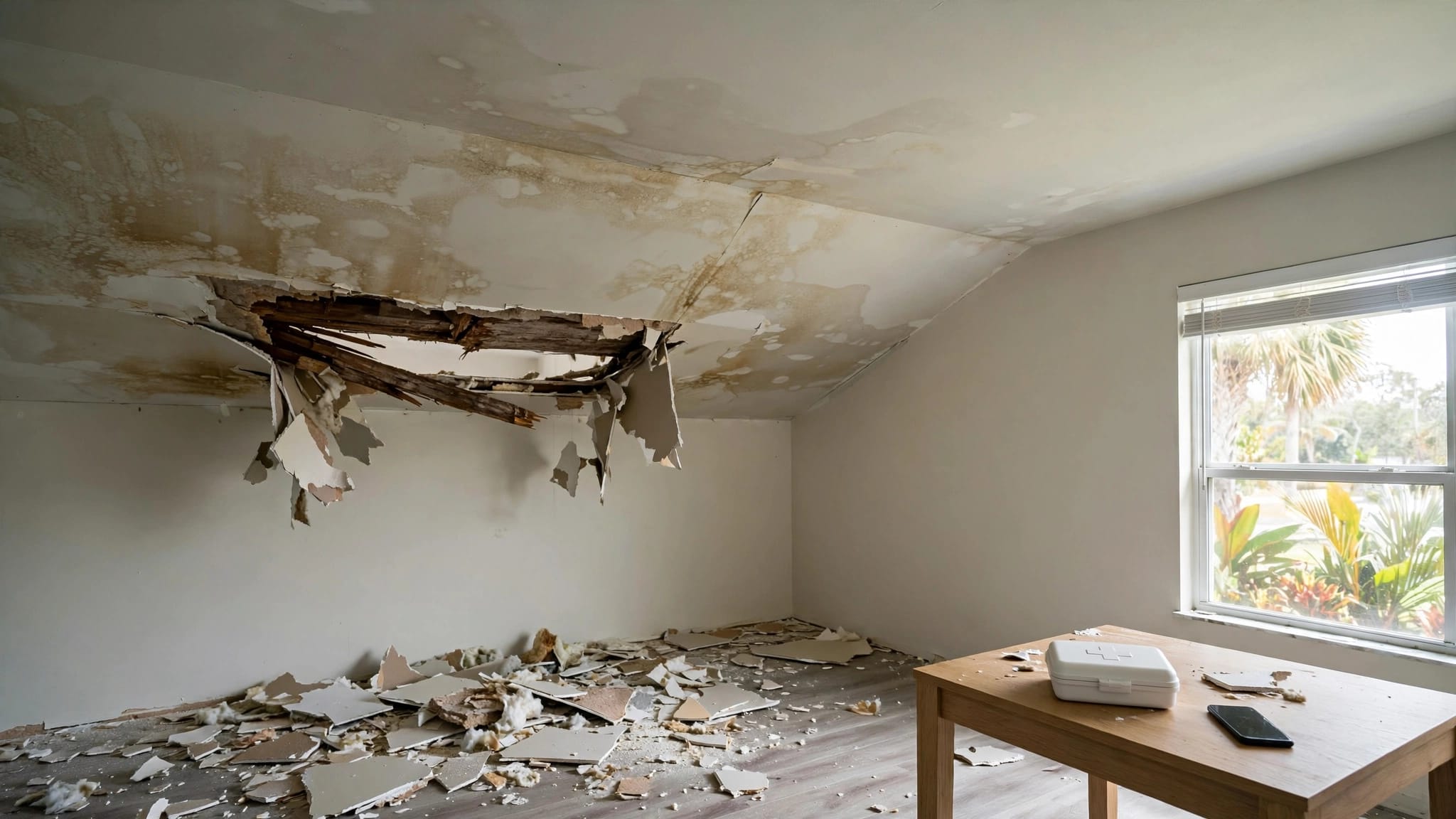
A Florida ceiling collapse can support an injury claim when a landlord or another responsible party failed to address a dangerous condition and that failure caused harm. The collapse alone doesn’t establish who is liable, so evidence of the condition and prior notice matters.
If you were hurt in a rental home, you may be dealing with medical bills and an unsafe place to live. Take care of your health first, then preserve the records that can help explain what happened.
Key Takeaways for Injured Tenants
- Florida landlords have maintenance duties under state law, applicable codes, and, in some cases, the lease.
- Repair requests, photographs, and maintenance records can show what a landlord or manager knew before a ceiling fell.
- A property manager, contractor, or another party may share responsibility, depending on their role and conduct.
- Many Florida negligence claims that accrued after March 24, 2023, have a two-year filing period.
- Medical records and proof of lost income help establish the losses caused by the collapse.
What to Do After a Ceiling Collapse
Get to safety and seek medical care
Leave the affected area immediately. Falling drywall, plaster, insulation, or ceiling fixtures can cause further injuries, and water near electrical wiring creates an additional hazard.
Call 911 for an emergency. Head trauma, severe bleeding, trouble breathing, new weakness, or suspected spinal injuries need urgent medical attention. Tell your treating provider that material fell from the ceiling and describe where it struck you.
Symptoms of a concussion don’t always appear immediately. The CDC’s HEADS UP concussion resources describe signs to watch for and when to seek emergency care.
Document the scene without disturbing it
If it’s safe, ask someone to photograph the room before cleanup changes it. Wide shots can show where the collapse occurred, while close-ups can capture stains, damaged materials, and the location of any leak.
Don’t re-enter an unsafe room or handle debris to get a better picture. Instead, photograph from a safe location and ask the landlord or manager to preserve the fallen material.
Report the collapse in writing. Include the address, room, approximate time, injuries, and any earlier reports of water damage or other warning signs. Save a copy of the message and any response.
Warning Signs That Can Matter in a Claim
Water damage and visible changes
A ceiling may fail after a roof or plumbing leak, persistent moisture, damaged supports, or a poor repair. Stains, bubbling paint, sagging drywall, cracks, or dripping water can help establish what was visible before the collapse.
A stain by itself doesn’t prove what caused the failure or that someone acted negligently. Its significance depends on where it appeared, how long it existed, and what the responsible party knew or should have done.
Earlier photographs are especially useful because they can show whether a condition grew worse. Keep the original files, including images sent with maintenance requests.
Previous repairs and recurring complaints
A maintenance worker may have patched a ceiling without correcting the source of the water. In other cases, a contractor may have completed work that requires closer examination.
Save work orders, appointment confirmations, and messages describing what was repaired. If the leak returned, preserve each later complaint and response. Together, those records can establish a timeline for an attorney investigating the failure.
Neighbors or household members may also remember water intrusion or repair visits. Ask for their contact information, but don’t pressure them to agree with your account.
Florida Law and Landlord Maintenance Duties
What the maintenance statute requires
Florida Statute section 83.51 requires landlords to comply with applicable building, housing, and health codes during a tenancy. Where those codes don’t apply, the statute requires certain parts of the property, including the roof and other structural components, to be in good repair and capable of resisting normal forces and loads.
The statute doesn’t name ceilings expressly. Still, a leak or structural problem associated with a ceiling can raise questions under the statute, applicable codes, or the lease.
For a single-family home or duplex, the statute allows the duties in subsection (1) to be altered or modified in writing. The lease and property type therefore matter when identifying the applicable obligations.
How those duties relate to an injury claim
An injury claim generally requires proof of a duty, a breach of that duty, causation, and damages. A maintenance obligation can be important, but the evidence must also connect the failure to your injury.
For example, a tenant’s written report of a sagging, leaking ceiling may help show that the landlord knew about a dangerous condition. Medical records and evidence of the fallen material can then help establish how the incident caused harm.
The same questions arise in other property cases. Our discussion of Florida landlord liability for unsafe conditions explains how control and maintenance records can affect an injury claim.
Who Could Be Responsible for a Ceiling Collapse?
Owners and property managers
The owner may have maintenance responsibilities under the lease and Florida law. A management company may receive complaints, arrange inspections, or direct repairs. Its role depends on its agreement and actual involvement with the property.
The person who collected rent isn’t necessarily the person who made repair decisions. Lease documents, ownership records, work orders, and communications can help identify who had authority over the ceiling or the source of a leak.
Notice is also fact-sensitive. A message to a property manager may become important evidence of what the management company knew and whether the owner was informed.
Contractors and other parties
A roofing, plumbing, or maintenance contractor may have worked on the area before the collapse. A claim against a contractor requires evidence connecting its work or other conduct to the dangerous condition and resulting injury.
Other parties may need review when the facts support it. For example, control of a roof or an area above the rental unit may belong to someone other than the landlord. Contracts, invoices, and building records can help identify those relationships.
Evidence That Can Explain What Happened
Records tenants can preserve
Keep the lease, move-in photographs, repair requests, and all responses from the landlord or manager. Save emails and text messages in their original form when possible, including dates and attachments.
Write down what you remember while the details are fresh. Include where you were standing or sitting, what fell, and what you observed before and after the collapse. Identify anyone who witnessed the incident or saw the ceiling beforehand.
Keep damaged belongings if you can store them safely. However, don’t risk exposure to electrical hazards or unstable debris to retrieve them.
Records an attorney may request
The property owner or manager may hold inspection reports, maintenance logs, prior complaints, contractor invoices, and internal messages. Those records can show whether a problem was reported, what repairs were ordered, and whether anyone followed up.
A written preservation request can ask the relevant parties to retain the fallen materials, photographs, repair files, and other evidence. If a lawsuit becomes necessary, formal discovery may provide a way to seek records that weren’t produced voluntarily.
Our guide to records showing neglected property repairs addresses similar evidence questions after a structural collapse.
Compensation and Insurance After an Injury
Losses a claim may address
Depending on the evidence and circumstances, a claim may seek compensation for medical bills, rehabilitation, lost income, reduced earning capacity, and pain and suffering. Future medical needs require support from appropriate evidence rather than a guess based on the initial diagnosis.
Keep treatment notes, prescriptions, bills, and receipts. Pay records and written work restrictions can help document missed earnings. A personal record of pain and missed activities may also help explain the effect of the injury.
A fatal collapse may support a wrongful death claim under Florida law. The available claim and recoverable losses depend on the circumstances.
Dealing with an insurer
An insurer may ask for a statement, medical authorization, or settlement release. Give an accurate account, but avoid guessing about the cause or the extent of your injuries.
A settlement release can affect your right to seek additional compensation. Before signing, consider having an attorney review its terms, particularly if treatment is ongoing. Renter’s insurance coverage, meanwhile, depends on the policy and is separate from proving another party’s liability.
Shared Fault and Florida Filing Deadlines
How shared fault can affect recovery
An insurer might argue that a tenant ignored a warning or contributed to the damage. Such an allegation requires evidence. Your messages, photographs, witness accounts, and the property’s repair history can help show what happened.
Under Florida’s comparative fault statute, damages can be reduced when an injured person shares responsibility. In covered negligence actions, a person found more than 50% at fault for their own harm generally cannot recover.
An adjuster’s proposed percentage isn’t a court ruling. The evidence and applicable law determine how fault is ultimately assessed.
When a lawsuit generally must be filed
For many negligence claims that accrued after March 24, 2023, Florida generally provides two years to file suit. Florida Statute section 95.11 contains the limitations periods.
The applicable deadline can differ based on the claim, injury date, defendant, and other circumstances. Older claims may require a different analysis, and claims involving public property can have additional procedures.
An insurance claim or settlement discussion doesn’t automatically pause the filing deadline. Early legal review also gives your attorney time to seek evidence before repairs or routine record disposal change what’s available.
Frequently Asked Questions
Can I have a claim if I never reported the ceiling?
Possibly. The answer depends on the condition, who controlled the property, and what the responsible party knew or should have done under the applicable law. Evidence of an earlier inspection, repair, or complaint by someone else may matter.
Can a guest seek compensation after a collapse?
A guest who is injured may have a claim if the evidence supports liability. Visitor status and the circumstances of the incident affect the legal analysis. Guests should preserve photographs, witness information, and medical records, even if they aren’t named on the lease.
Does a repaired ceiling end the claim?
A repair doesn’t erase an earlier injury or resolve who was responsible. The condition before the repair remains important. Photographs, repair requests, and a preservation request can help document it before materials are removed.
Protect Your Health and Your Legal Options
A ceiling collapse can leave you facing an injury and questions about whether your home is safe. Your records can help connect the condition before the collapse to the harm that followed.
At Avard Law Offices, we offer free consultations for people seeking personal injury help. Contact us to discuss the incident, the evidence, and your options.