
Florida Gym Equipment Injuries: Cable and Seat Failures
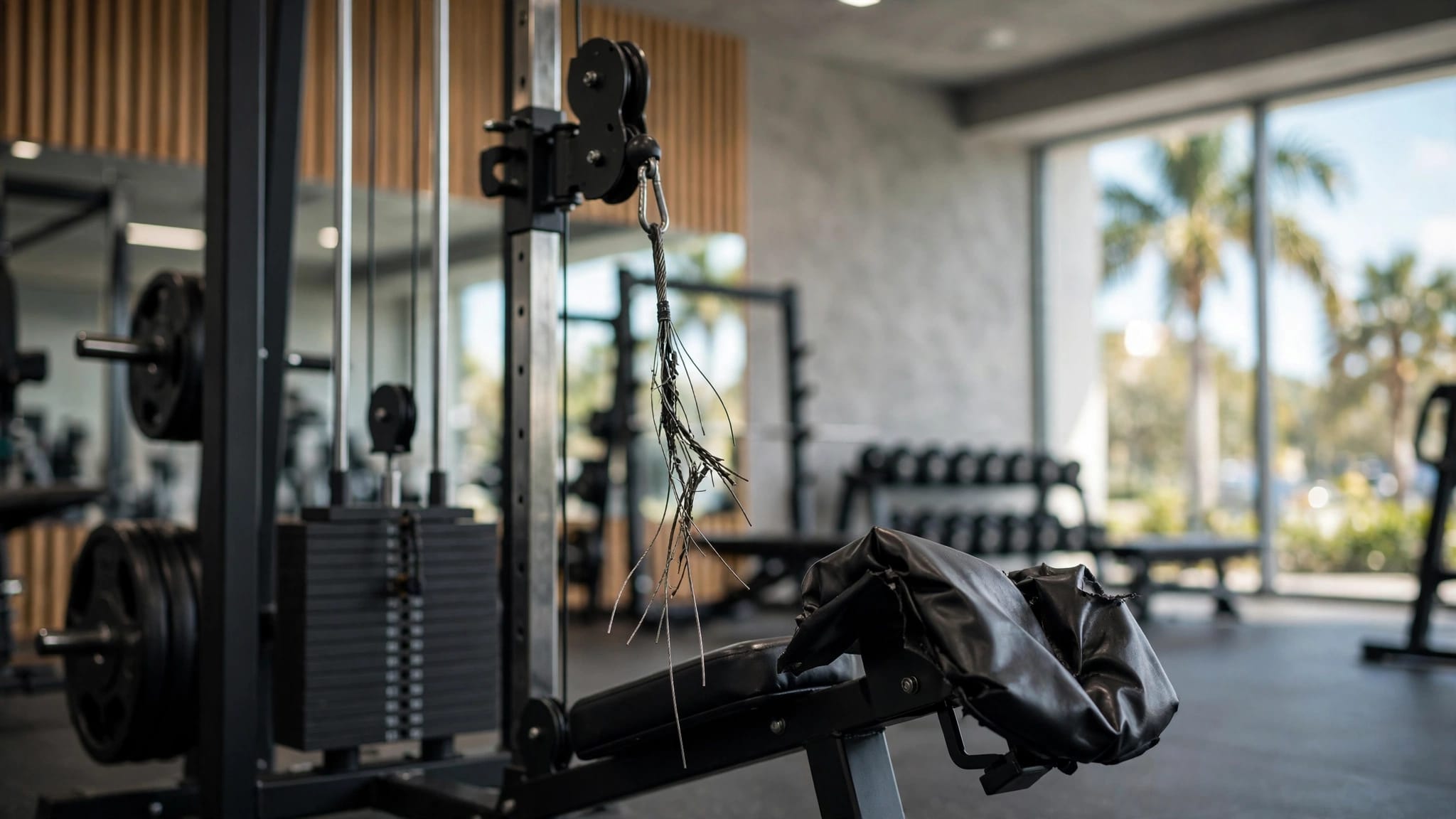
Gym equipment injuries can support a Florida personal injury claim when an unsafe condition or careless maintenance causes harm. A snapped cable or collapsed seat alone doesn’t prove who was responsible. The machine’s condition, repair history, and circumstances of the injury all matter.
Your first priorities are medical care and preserving evidence. The equipment may be repaired or moved, and video may be overwritten before you know why the failure happened.
A closer look at the machine and the records can help identify what caused the injury.
Key Takeaways
- A gym may be responsible if it failed to use reasonable care and that failure caused your injury.
- The operator, a maintenance contractor, or a manufacturer may have relevant records or a role in the incident.
- Photographs, witness information, maintenance records, and the failed component can help establish what happened.
- Florida generally gives people two years to file many negligence claims that accrued after March 24, 2023.
- A signed waiver, a staff member’s account, or an insurer’s fault allegation deserves review alongside the evidence.
How Cable and Seat Failures Cause Gym Injuries
A weight machine can place force on your body through a cable, a handle, a seat, or a padded support. When a component fails during an exercise, the movement can change abruptly.
The injuries and the evidence depend on the type of failure.
When a Cable or Attachment Breaks
A cable may snap, pull free, or lose its connection to a handle or weight stack. The sudden release can cause a person to lose balance or be struck by a moving part. A falling weight stack or attachment may also injure someone nearby.
An investigation may focus on the cable’s condition, its connection points, and the pulleys that guided it. Wear, improper installation, or an earlier repair may be relevant, but the visible break alone doesn’t establish its cause.
When a Seat or Support Collapses
A seat failure can throw a user to the floor or place the body in an unexpected position under load. The problem may involve a frame, fastener, adjustment mechanism, or mounting point.
The position of the seat and any loose parts can matter. If the machine has an adjustable support, document the setting you used if you remember it. Don’t move the machine or attempt to reproduce the failure.
When a Florida Gym May Be Responsible
A Florida injury claim generally requires proof that a party owed a duty of care, failed to meet that duty, and caused an injury with resulting losses. A machine breaking during use is important evidence, but the claim must also connect the failure to someone’s conduct.
Inspection and Maintenance Problems
A gym’s responsibilities can include reasonable inspection, maintenance, repairs, and responses to reported hazards. Records may show that an employee noticed a frayed cable, that a member complained about a loose seat, or that a repair was ordered but not completed.
An inspection checklist alone doesn’t answer every question. Its value depends on what the employee examined, whether the failed component was included, and what happened after a problem was reported.
Other Parties With a Role
A separate company may have installed, serviced, or repaired the machine. The equipment’s manufacturer or seller may also have relevant information if a product issue contributed to the failure.
Responsibility depends on the facts and each party’s role. A service invoice, purchase record, or equipment label can help identify who should be part of the investigation. Similar questions arise in Florida climbing equipment injury claims, where the operator’s practices and the device’s condition may both matter.
What to Do After a Weight Machine Injury
Get medical attention promptly. If you have severe symptoms or need emergency help, call 911. Tell the medical provider how the equipment failed and describe all symptoms you noticed.
If you can do so safely, report the incident to a manager before leaving. Ask for the manager’s name and an incident report. Describe what you observed without guessing about why the machine failed.
Photograph the Machine and Surroundings
Take wide photographs that show the machine’s location and close images of the broken cable, seat, fasteners, attachments, and weight stack. Include warning labels, the make and model, and the serial number if you can see them.
Photograph visible injuries and keep the original image files. If someone else took pictures or video, ask for a copy and save their contact information. Don’t enter a restricted area or handle damaged equipment to get a better photograph.
Record Witnesses and Preserve Your Account
Write down the date, time, gym location, exercise, and weight setting. Identify anyone who saw the failure or spoke with you afterward. Record staff statements as accurately as you can, including who made them.
Keep your membership agreement, incident report, receipts, and messages with the gym. If you don’t know an answer, say so. An accurate account is more useful than a technical explanation you can’t support.
Equipment Records Can Reveal What Happened Beforehand
The gym may control evidence that you can’t collect yourself. Ask that the machine, failed components, surveillance footage, and relevant records be preserved. A prompt request matters because equipment may be repaired and video systems may overwrite recordings.
Keep a copy of your request and any response. A request doesn’t guarantee that the gym will voluntarily give you its records, but it identifies evidence that may matter to your claim.
Maintenance Logs and Prior Complaints
Useful documents can include inspection checklists, work orders, replacement-part invoices, service contracts, and communications about earlier complaints. The records may identify who inspected the machine, what they examined, and whether a reported problem was addressed.
A completed checklist doesn’t necessarily show that someone examined the failed cable or seat. Repair records may also reveal an unresolved issue that a routine checklist doesn’t mention.
Video and the Failed Components
Video can help establish how the machine was being used and what happened immediately afterward. Meanwhile, the cable, attachment, or seat assembly may allow an inspection of the failure itself.
An attorney can send a preservation request identifying these materials. After a lawsuit begins, formal discovery may allow counsel to seek records from the gym and other parties. Our discussion of trampoline park injury claims explains why inspection records and operating practices can both matter in a facility injury case.
Waivers and Shared Fault in Florida
Bring your membership agreement and any signed waiver to your attorney. The agreement’s language and the facts of the incident require review. Keep the full document rather than relying on a summary from the gym or its insurer.
The gym or insurer may also argue that you selected too much weight, ignored an instruction, or adjusted the seat incorrectly. Those allegations should be evaluated against the machine’s condition, video, witness accounts, and other evidence.
Under Florida’s comparative fault statute, an injured person’s share of fault generally reduces damages in a covered negligence action. A person found more than 50% at fault for their own harm generally cannot recover. Exactly 50% doesn’t cross that threshold, although the fault finding reduces recovery.
An adjuster’s proposed percentage isn’t a court determination. Likewise, a serious injury alone doesn’t establish the gym’s fault.
Medical Records and Compensation
Medical evidence helps connect the incident to your injuries and document their effects. Tell each provider how the machine failed, and report symptoms that appear or change after your first appointment.
Keep discharge papers, imaging results, prescriptions, therapy records, and bills. If your injury affects work, save work restrictions, pay records, and documentation of missed time. A dated account of daily limitations can also help you remember changes during recovery.
Depending on the facts, a claim may include medical expenses, supported future care, lost income, reduced earning capacity, and pain and suffering. Each claimed loss needs evidence. If you had a prior condition, give your providers and attorney an accurate history rather than assuming it prevents a claim.
Don’t treat an early settlement offer as a reliable measure of long-term losses. Future treatment and lasting limitations require medical support.
Florida Filing Deadlines and Public Facilities
For many Florida negligence claims that accrued after March 24, 2023, the general deadline to file a lawsuit is two years. Florida Statutes section 95.11 sets out the applicable limitations periods.
The deadline for your case depends on the claim, the dates involved, the defendant, and any applicable exceptions. Older claims and claims involving different legal theories may require a separate analysis.
If the machine was at a publicly operated facility, additional government-claim procedures may apply. Seek legal advice promptly rather than waiting for the facility to complete an investigation. Requests for records, insurance negotiations, and ongoing medical treatment don’t automatically extend the time to sue.
If You Were Working When the Machine Failed
A trainer, gym employee, or maintenance worker injured while performing job duties may have a workers’ compensation issue as well as questions about the machine.
Florida generally requires an injured employee to notify the employer within 30 days after the injury or its initial manifestation. Exceptions can apply under Florida’s workplace injury reporting law.
Report the incident promptly and keep a copy of any written notice. Include the date, location, work activity, injured body parts, and witnesses. Covered workplace injuries generally involve different rules for claims against an employer than an ordinary personal injury case. An attorney can review the applicable process.
Frequently Asked Questions About Gym Equipment Injuries
Can I Pursue a Claim Without an Incident Report?
Possibly. Photographs, video, witness accounts, medical records, and communications with the gym may help establish what happened. Write down the details you remember and identify anyone who saw the failure. An attorney can assess what evidence is available and request preservation of missing records.
Does a Recent Inspection Prove the Gym Isn’t Responsible?
A recent inspection is one piece of evidence. It doesn’t by itself establish what someone examined or whether a reported defect was repaired. The checklist, repair history, staff statements, and condition of the failed component need to be considered together.
What Should I Bring to an Attorney Consultation?
Bring the documents you have, including photographs, witness contacts, medical records, your membership agreement, and communications with the gym or insurer. Also provide the incident date, gym location, and machine details. You don’t need a complete evidence file before asking for legal help.
Protect Your Recovery After a Machine Failure
A cable or seat failure deserves an investigation into both the equipment and the decisions made before it broke. Preserved evidence and medical records can help connect the cause of the failure to your losses.
At Avard Law Offices, we offer free consultations for Florida personal injury matters. Bring the information you have so we can discuss possible responsibility, preservation needs, and filing deadlines.