
Florida PIP 14-Day Rule After a Car Accident
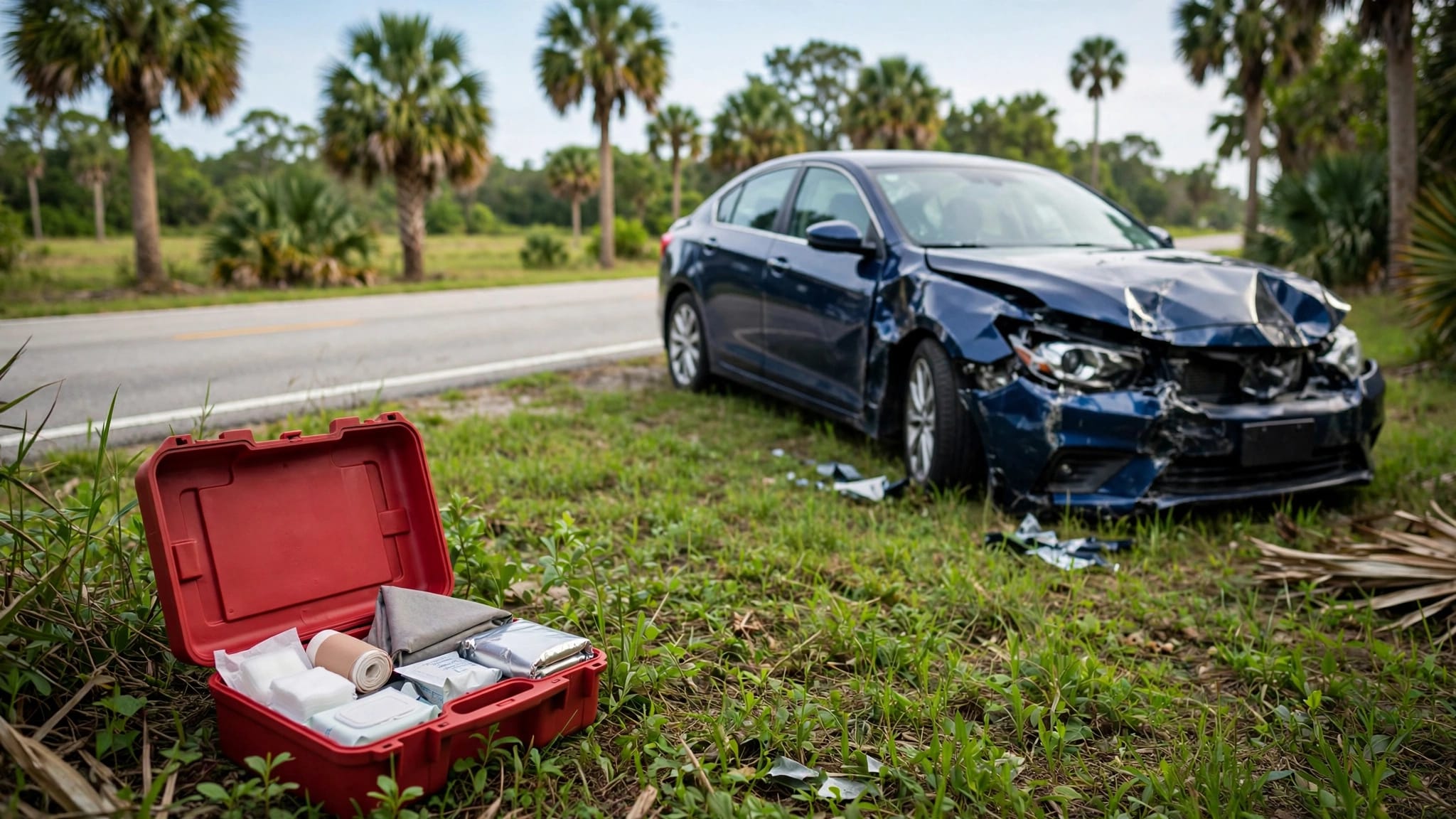
Florida’s PIP 14-day rule generally requires you to receive initial medical care within 14 days after a car accident to qualify for personal injury protection medical benefits. The deadline applies to receiving care, not filing an insurance claim or lawsuit.
You don’t have to wait for an insurer to decide who caused the crash before seeking treatment. However, timely care is only one requirement for payment. Here’s how the deadline affects your benefits and what to do if you’ve missed it.
Key Takeaways
- Initial care must occur within 14 days after the accident and meet Florida’s provider requirements.
- PIP generally pays 80% of covered medical expenses and 60% of covered lost income, subject to limits and other conditions.
- A qualifying emergency medical condition determination affects whether up to $10,000 in medical and disability benefits is available.
- Missing the treatment window can jeopardize PIP medical benefits, but it doesn’t automatically end a separate claim against a responsible driver.
How the Florida PIP 14-Day Rule Works
Personal injury protection, or PIP, is no-fault auto insurance coverage. It can pay qualifying benefits without requiring you to prove that another driver caused the accident.
For medical benefits, Florida Statutes section 627.736 generally requires you to receive initial services and care within 14 days after the motor vehicle accident. The care must come from a provider or facility covered by the statute.
The deadline is for receiving initial care
An appointment scheduled within the window isn’t the same as an appointment that takes place within it. You generally need to receive qualifying services during the 14-day period.
For example, if an accident occurs on April 1, April 2 is the first day after the crash and April 15 is the 14th. Seeking care well before the last day leaves room for scheduling problems and gives a provider an earlier opportunity to assess your injuries.
You don’t have to finish treatment in 14 days
The rule concerns the start of qualifying care. It doesn’t require you to complete physical therapy, receive a final diagnosis, or recover within two weeks.
Follow-up care can continue after the initial window, subject to the statute’s requirements. In general, later services must be consistent with the diagnosis and treatment of the injuries identified through the initial care. Medical necessity, the connection to the accident, and available benefits still matter.
Where You Can Receive Initial Treatment
Florida law recognizes several categories of providers for initial PIP care. Your medical needs should determine where you seek help, especially if you have symptoms that require emergency attention.
Emergency care and physician visits
Qualifying initial care can include services from a hospital or emergency medical services provider. Physicians licensed under Florida’s medical or osteopathic licensing laws are also among the providers identified in the statute.
If you have severe symptoms, such as trouble breathing, a possible head injury, or sudden weakness, seek emergency care or call 911. Don’t wait for a routine appointment because you’re thinking about an insurance deadline.
Other providers listed in the statute
Florida’s PIP law also identifies dentists, chiropractic physicians, and certain medical facilities. Different requirements can apply to particular facilities and non-physician providers.
Tell the provider that you were injured in a motor vehicle accident. Describe when your symptoms started and how they’ve changed. An accurate record of the visit date, the collision, and your symptoms can matter if the insurer later questions your claim.
How Much PIP Can Pay for Medical Bills
Meeting the 14-day deadline doesn’t mean PIP will pay every medical bill in full. The amount depends on the type of loss, available benefits, the policy, and the statutory requirements.
The medical and lost-income percentages
PIP generally pays 80% of reasonable, medically necessary covered medical expenses. It also generally pays 60% of qualifying lost income when an accident injury prevents you from working.
For example, 80% of $1,000 in eligible medical expenses is $800 before any applicable deductible or other limit. The calculation alone doesn’t establish what an insurer owes on a particular bill.
Medical and disability benefits generally share the policy’s available limit. A deductible, if applicable, can also affect the amount paid. PIP doesn’t cover vehicle repairs or compensate you for pain and suffering.
The $10,000 and $2,500 benefit limits
Florida generally provides up to $10,000 in combined medical and disability benefits when an authorized provider determines that the injured person had an emergency medical condition. Without a qualifying determination, medical benefits may be limited to $2,500.
The $10,000 figure is a maximum, not an automatic payment. Covered medical expenses and lost-income benefits draw on the available benefits, and the insurer still evaluates whether claimed expenses meet the law’s requirements.
What Counts as an Emergency Medical Condition?
An emergency medical condition involves acute symptoms severe enough that a prudent layperson could reasonably expect serious harm without immediate medical attention. The potential harm includes serious jeopardy to health, serious impairment of bodily functions, or serious dysfunction of an organ or body part.
The question depends on your condition, not simply on whether you visited an emergency room. A provider must make the determination under Florida’s PIP law.
Who can make the determination?
The statute identifies physicians, dentists, physician assistants, and advanced practice registered nurses among the professionals authorized to determine whether an emergency medical condition exists. A chiropractor can provide qualifying initial care, but a chiropractic diagnosis alone isn’t the emergency medical condition determination listed for access to the higher benefit limit.
Don’t assume the name of a facility settles the issue. The medical record and the determination made by an authorized provider matter.
What to tell your provider
Describe all symptoms accurately, including headaches, dizziness, numbness, pain, and limited movement if you’re experiencing them. Explain when each symptom appeared and whether it has worsened.
Also mention relevant prior injuries or conditions. That information helps your provider assess the difference between an earlier problem and a new injury or aggravation after the collision. Follow the treatment plan your provider recommends and report changes in your condition.
What to Do After the Accident
Medical care comes first. Once you’re safe, a clear record of your treatment and losses can make it easier to address questions about PIP coverage.
Report the accident and keep treatment records
Notify the applicable insurer about the crash. Give providers accurate insurance information and explain that the treatment relates to the collision.
Keep discharge papers, appointment records, prescriptions, imaging results, and bills together. If symptoms develop after your first visit, tell your provider when they began. Save records of follow-up care as well, since they can help explain why additional treatment was needed.
A police investigation or disagreement about fault doesn’t have to be complete before you seek care. PIP eligibility and another driver’s responsibility are separate issues.
Document time away from work
If your injuries affect your ability to work, keep medical notes that describe your restrictions. Pay stubs, employer records, and a record of missed hours can help document lost income.
Self-employed workers can retain records that show earnings and time missed because of the injury. Whatever your work arrangement, connect the claimed loss to the medical restrictions rather than relying on an estimate alone.
Which Policy Pays for PIP?
Your own applicable auto policy is often the starting point, but the answer depends on your circumstances. Coverage for a passenger can involve the passenger’s own policy, coverage through a household member, or another applicable policy.
Drivers and passengers
The driver’s insurer doesn’t automatically pay first for every injured passenger. Insurance priority depends on the facts and the coverage available to the injured person.
Our discussion of Florida passenger injury claims explains why a passenger may need to look beyond the policy on the vehicle involved in the crash. Regardless of which insurer may be responsible, don’t delay needed care while coverage questions are being resolved.
Visitors and out-of-state policies
A crash in Florida doesn’t automatically give every visitor access to Florida PIP. The person’s coverage, the vehicle, and other circumstances matter.
A home-state policy may be relevant, and a separate liability claim may also be available. Our guide to insurance for out-of-state drivers addresses how those coverage questions can arise after a Florida collision.
What If You Miss the 14-Day Deadline?
If you didn’t receive qualifying initial care within 14 days, you can face a denial of PIP medical benefits. An appointment made during the window won’t fix a first visit that happened later.
Get medical attention even if the deadline has passed. Your health needs don’t disappear when an insurance deadline expires. A provider can evaluate your symptoms and recommend appropriate care.
An attorney can review the treatment timeline, available coverage, and the insurer’s stated reason for denial. For example, you may have received qualifying emergency services at the scene or another form of initial care that needs closer review.
Missing the PIP treatment window also doesn’t automatically eliminate a claim against a responsible driver. That claim has its own requirements involving fault, damages, and applicable coverage.
When an Insurer Delays or Denies Payment
An insurer may question whether treatment was timely, medically necessary, or related to the accident. It may also dispute the amount of a bill or the available benefit limit.
Read the reason for the decision
A denial based on the 14-day rule raises a different issue from a denial based on medical necessity. Keep the insurer’s letters and note which bill or service each decision addresses.
Your initial treatment record, subsequent medical records, and billing documents can help establish the relevant timeline. If the insurer relies on incomplete information, those records may also help identify what was missing.
The insurer’s payment clock is separate
PIP benefits generally become overdue if the insurer doesn’t pay within 30 days after receiving written notice of a covered loss and its amount. Statutory exceptions and claim-review provisions apply.
That 30-day payment period is different from your 14-day treatment window. An attorney can review the insurer’s explanation and the records it received before advising you about a disputed payment.
PIP Benefits and a Claim Against Another Driver
PIP can pay qualifying benefits before fault is resolved. It doesn’t decide who caused the crash, and it doesn’t necessarily cover all of your losses.
A separate claim against a responsible driver may address supported losses beyond available PIP benefits, such as additional medical expenses or reduced earning capacity. In covered motor vehicle cases, Florida’s serious-injury requirements can affect recovery for pain and suffering.
Fault can also affect a liability claim. Our explanation of Florida comparative negligence describes how an insurer’s allegations about your share of responsibility may matter.
The treatment deadline isn’t the same as a lawsuit deadline. Our guide to Florida car accident filing deadlines explains why those timelines need separate attention.
Frequently Asked Questions
Does filing a PIP claim within 14 days satisfy the rule?
No. The rule generally requires you to receive initial qualifying medical services within 14 days after the accident. Reporting the crash or opening a claim doesn’t replace medical care.
Can I receive follow-up treatment after 14 days?
Yes. The deadline concerns initial care, not the end of treatment. Later services remain subject to medical necessity, the applicable statutory requirements, and available coverage.
Does PIP pay if I caused the accident?
PIP can pay qualifying benefits without first deciding who caused the crash. However, you must still meet the applicable coverage and benefit requirements. PIP payment doesn’t determine fault for a separate liability claim.
Get Help With Your PIP Claim
The 14-day rule makes prompt medical attention important after a Florida car accident. Receiving qualifying initial care preserves the opportunity to seek PIP medical benefits, although payment still depends on the law and your coverage.
If you’re facing a denial or have questions about your treatment timeline, we can review the circumstances and discuss your options. Avard Law Offices offers free consultations for personal injury matters.