
Florida Car Accident Claims Involving a Minor Driver
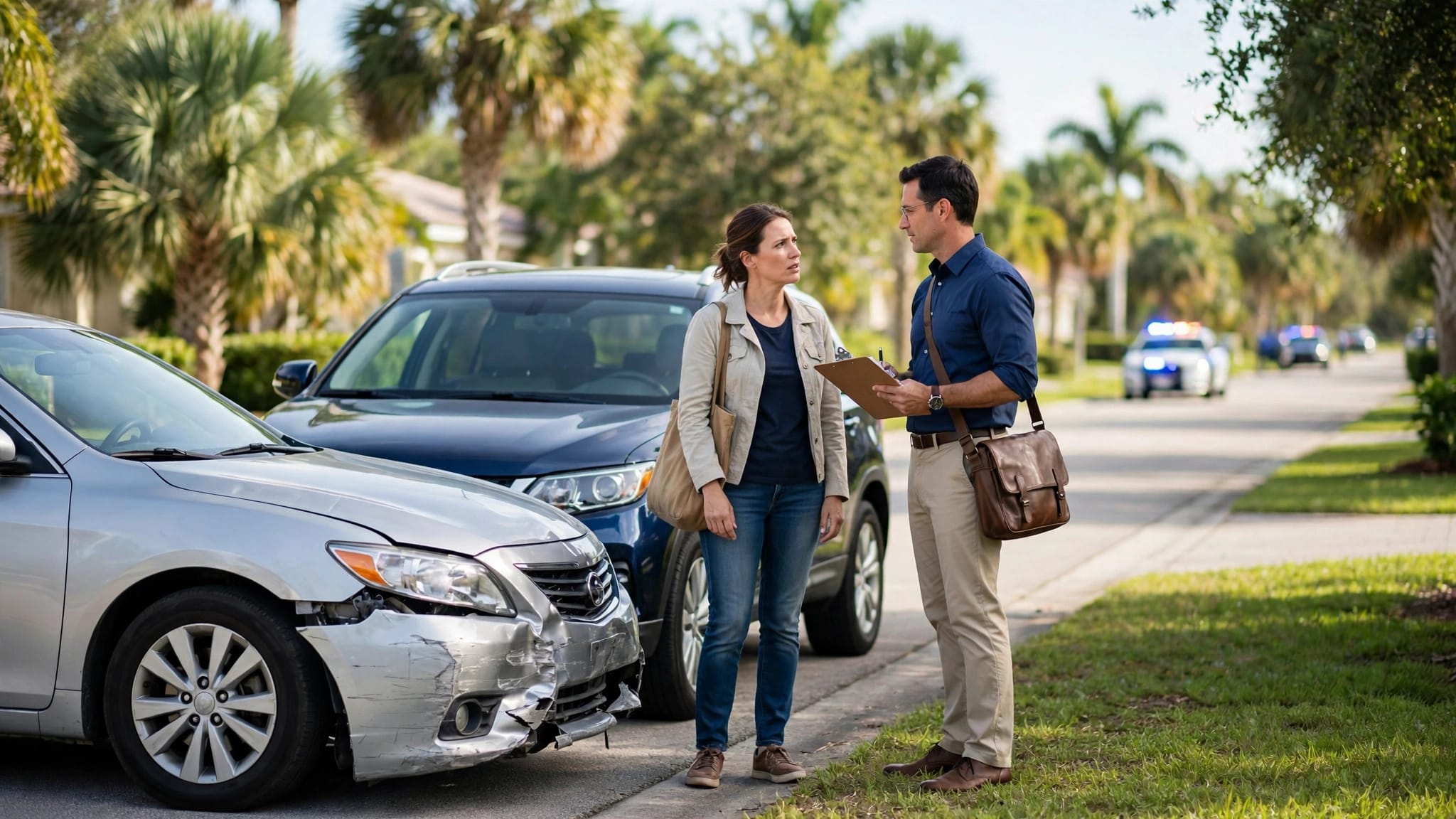
If a minor driver causes a crash in Florida, you may have an injury claim against the driver and, in some cases, the person who signed their license application. The driver’s age doesn’t erase responsibility, but it can make identifying the right people and insurance policies more complicated.
Your own insurance coverage may also provide benefits before fault is resolved. Here’s how these claims work and what to do after a crash.
Key Takeaways
- A minor driver can be responsible for harm caused by negligent driving.
- Florida law can make the person who signed the minor’s license application jointly liable for a crash on a highway.
- Personal Injury Protection (PIP) may pay some medical expenses and lost income, regardless of fault.
- An open insurance claim doesn’t automatically extend the deadline to file a lawsuit.
Who Is Responsible When a Minor Causes a Crash?
Responsibility depends on the driver’s conduct and the relationship between the minor, the license-application signer and the vehicle. Being related to the driver doesn’t, by itself, establish that a parent is liable.
The minor driver’s conduct
A minor who causes a collision through negligent driving can be held responsible for resulting harm. The claim still needs evidence that the driver’s conduct caused the crash and that the crash caused your injuries.
For example, a driver may fail to yield, follow too closely or look away from traffic. The driver’s age alone doesn’t prove any of those actions occurred. Photographs, witness accounts and other evidence help establish what happened.
A traffic citation can be useful evidence, but a citation isn’t required for an injury claim. Likewise, an insurer’s decision to accept or deny fault doesn’t settle every legal issue in the case.
The person who signed the license application
Florida Statutes section 322.09 provides that negligence or willful misconduct by a driver under 18 on a highway is imputed to the person who signed the minor’s permit or license application. That signer is jointly and severally liable with the minor for resulting damages under the statute.
A parent may be the signer, but you shouldn’t assume which adult signed. The application record matters. The driver’s age at the time of the crash and the circumstances of the collision also matter to the statutory analysis.
Joint responsibility doesn’t mean an insurer will automatically pay the full value of your claim. You still need evidence of fault, injuries and available coverage.
Which Insurance Policies May Apply?
A Florida accident involving a minor driver can involve more than one insurance policy. Coverage depends on the people, vehicles and terms involved.
The policy covering the vehicle
The vehicle’s insurance may provide a source of compensation for a liability claim, subject to its terms and limits. The analysis can become more complicated when the minor drove a borrowed car, used a family vehicle or wasn’t named on the policy.
The owner’s identity alone doesn’t establish the outcome. The driver’s permission and the applicable policy language can affect coverage. Our discussion of Florida borrowed-car accident claims explains why the driver and vehicle owner may have separate roles in a claim.
Bodily injury liability coverage and property damage liability coverage address different losses. A policy that pays for vehicle repairs doesn’t necessarily provide the same protection for an injury claim.
Your own coverage
Your PIP coverage may pay eligible benefits without a fault finding. In addition, uninsured or underinsured motorist coverage may be available for an injury claim if the responsible party lacks sufficient applicable coverage.
UM coverage depends on the policy and the facts. A claim can involve disputes over who qualifies for benefits, the amount of available coverage and the value of the injury. Keep your insurance declarations page and any correspondence you receive about the crash.
How Florida PIP Works After a Minor Driver Accident
PIP is often an early source of payment after a Florida collision. It’s separate from a claim against the driver who caused the crash.
Medical expenses and lost income
Under Florida’s PIP statute, qualifying coverage generally pays 80% of covered, reasonable and medically necessary expenses and 60% of covered lost income. The combined medical and disability benefit is generally limited to $10,000, subject to policy terms and statutory conditions.
Medical benefits may be limited to $2,500 if there isn’t a qualifying determination of an emergency medical condition. An applicable deductible can also affect payment.
PIP doesn’t pay for vehicle repairs or pain and suffering. It also doesn’t decide who caused the crash. Our guide to Florida PIP coverage for injured passengers explains how coverage can work when you’re hurt while riding in someone else’s car.
The 14-day treatment requirement
Initial qualifying medical services and care generally must begin within 14 days after the crash for PIP medical benefits. Don’t wait for the other driver’s insurer to accept responsibility before seeking care.
Tell your provider when symptoms began and how they affect your work or daily activities. Keep follow-up appointments and records of treatment. These documents can support both a PIP claim and a separate injury claim.
What Compensation Can You Seek Beyond PIP?
A claim against a responsible party may include medical expenses and lost earnings that PIP doesn’t pay. Depending on the evidence, it may also include future medical needs, reduced earning capacity and vehicle damage.
Medical records should connect the collision to the injuries you’re claiming. Bills show expenses, while pay records and work restrictions can help document lost income. Future losses need support, such as medical evidence about ongoing treatment or limitations.
Florida law also restricts recovery for pain, suffering and certain other non-economic damages in covered motor-vehicle cases. The statutory serious-injury threshold includes significant and permanent loss of an important bodily function, a qualifying permanent injury, significant and permanent scarring or disfigurement, or death.
An early offer may not account for treatment you haven’t yet needed. Before signing a release, understand which claims and parties it covers. A release can affect your ability to seek additional compensation.
How to Prove Fault After the Collision
A successful claim needs a clear account of the driver’s actions and the harm that followed. The minor’s age may be relevant to the investigation, but it doesn’t replace proof of negligence.
Crash reports and other evidence
A crash report can identify the drivers, vehicles, witnesses and investigating agency. It may also contain a diagram or the officer’s observations. The Florida Department of Highway Safety and Motor Vehicles provides information about obtaining reports.
A report isn’t a final ruling on civil fault. If it contains an error, photographs, video and witness accounts may help establish what happened. Our guide to Florida claims without a police report discusses other evidence that can support a case.
Preserve original dash-camera footage and photographs. Nearby businesses may overwrite surveillance recordings, and damaged vehicles may be repaired before they can be inspected.
When an insurer blames you
Florida’s comparative fault statute can reduce damages according to an injured person’s share of fault. In covered negligence actions, a person found more than 50% responsible for their own harm generally can’t recover damages.
An adjuster’s proposed fault percentage isn’t a court finding. If an insurer says you could have avoided the crash, the available reaction time, vehicle positions and witness accounts may matter. Learn more about how shared fault affects a Florida claim.
Steps to Take After a Crash With a Minor Driver
Get to a safe location if you can do so without worsening an injury. Call 911 when someone is hurt, and follow the instructions of responding officers and medical personnel.
If you’re able, collect the driver’s name and insurance information, the vehicle owner’s information and witness contact details. Photograph vehicle damage, road markings and the surrounding area. Don’t guess about the driver’s speed or the extent of your injuries.
Afterward, notify your insurer and keep a file of medical records, bills, pay information, repair estimates and claim correspondence. An attorney can help request the license application, identify applicable policies and address a disputed account of the collision.
Florida’s Filing Deadline for an Injury Lawsuit
Many Florida negligence actions have a two-year filing period under Florida’s limitations statute. The applicable deadline depends on the crash date, the type of claim, the defendant and any relevant exceptions. Older claims and claims involving government entities can require a different analysis.
An open insurance file doesn’t automatically preserve your right to sue. Settlement talks and requests for medical records don’t automatically stop the filing clock either.
If the injured person is a minor, don’t assume their age alone pauses the deadline. Florida law provides limited circumstances for tolling, including certain situations involving a parent, guardian or guardian ad litem. Early legal review gives your attorney time to identify the applicable dates and protect the claim.
Frequently Asked Questions
Can I pursue a claim if the minor wasn’t ticketed?
Yes. A traffic ticket isn’t required to pursue a civil injury claim. Your case can rely on photographs, witness accounts, video and other evidence of negligent driving. The absence of a citation doesn’t establish that the driver acted safely.
Does a parent have to pay whenever their teen causes a crash?
No. A parent’s relationship to the driver alone doesn’t establish liability. Florida’s license-application rule can make the person who signed a minor’s application jointly responsible for covered conduct, but that signer isn’t necessarily the parent you meet at the scene.
What if the teen’s insurance isn’t enough?
Other coverage may be available, including uninsured or underinsured motorist coverage under your own policy. The outcome depends on the policies, limits and facts. Avoid signing a release before understanding how it could affect other claims.
Protect Your Claim After a Florida Crash
A minor driver’s age adds questions to an accident claim, especially about the license-application signer and available coverage. The claim still depends on evidence of what caused the crash and how it affected you.
At Avard Law Offices, we offer free consultations for people seeking help with personal injury matters. We can review your accident, identify potential sources of compensation and help you understand the applicable deadline.