
Florida Apartment Fire Injury Claims After Alarm Failures
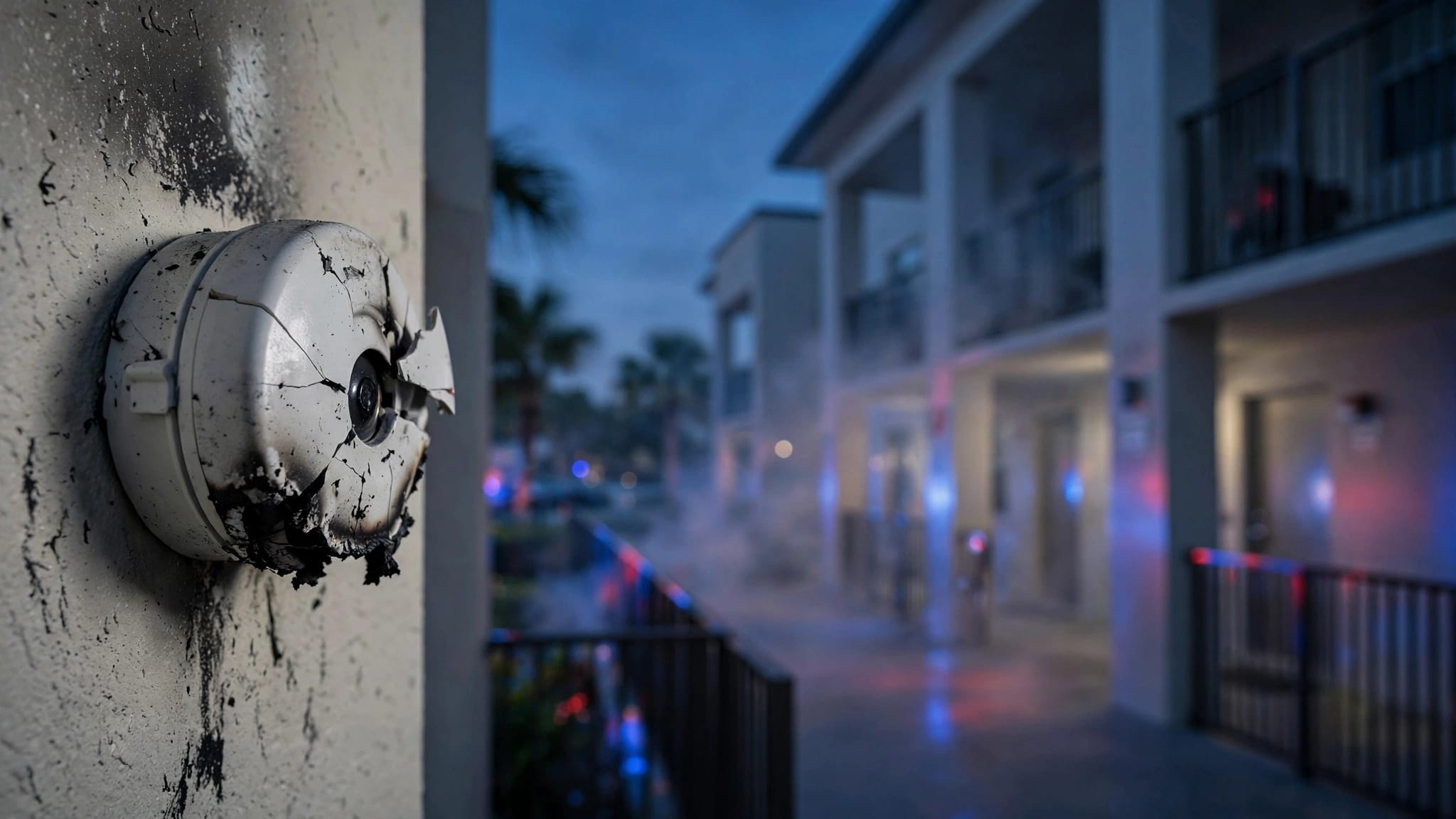
Apartment fire injury claims can arise when a faulty smoke alarm delays a warning and contributes to injuries. In Florida, a claim depends on evidence of a preventable failure, who was responsible for it, and how the delay affected the person who was hurt.
A silent alarm doesn’t automatically prove that a landlord is liable. You may also face questions about prior repair requests, the fire’s timing, and your medical care.
The distinction between an alarm failure and a supported legal claim starts with what happened before and during the fire.
Key Takeaways for Injured Tenants
- A landlord’s duties for an apartment can depend on applicable codes, the lease, and who controlled the alarm system.
- Maintenance requests and inspection records may help show whether someone knew about a problem before the fire.
- A claim must connect the alarm failure to injuries or to harm made worse by a delayed escape.
- Many Florida negligence claims that accrued on or after March 24, 2023, have a two-year filing period.
- An insurance investigation or settlement discussion doesn’t automatically stop the lawsuit deadline.
When an Alarm Failure May Support a Claim
A fire can start for many reasons, including an electrical problem, cooking equipment, or a battery failure. A smoke alarm claim focuses on a different question: whether a working warning system would have given occupants more time to respond.
Connecting the Failure to Your Injuries
To pursue a negligence claim, you generally need evidence that a responsible party had a duty, failed to meet it, and caused harm. In an alarm case, causation can be disputed even when the device didn’t sound.
For example, the available evidence may show when smoke reached the apartment, when occupants became aware of the fire, and how long it took them to escape. Medical records can then help establish whether additional exposure or a delayed exit contributed to their injuries.
When the Alarm’s History Matters
A landlord’s response to a reported problem may be important. A written request about an alarm that repeatedly failed a test can help establish notice of a possible defect.
The absence of a complaint doesn’t automatically defeat a case. Inspection records, the device’s condition, or evidence about who installed it may identify a problem that wasn’t apparent to the tenant. Each claim depends on the duties and facts involved.
Florida Landlord Duties and Apartment Smoke Alarms
Florida law requires landlords to comply with applicable building, housing, and health codes during a residential tenancy. The lease and the responsibilities of a property manager or maintenance contractor may also matter.
Florida Statutes section 83.51 includes a smoke-detection provision for a single-family home or duplex. Unless otherwise agreed in writing, that provision requires the landlord to install working smoke-detection devices at the start of the tenancy.
That language shouldn’t be treated as the automatic alarm standard for every apartment building. Apartment requirements depend on the applicable codes and the building’s circumstances. The Florida Senate’s statutory definitions index lists smoke detection devices under section 83.51.
The Fire Code and the Building
The Florida Fire Prevention Code is part of the analysis, but a claim needs the provisions applicable to the property and the relevant date. Building characteristics and existing-building rules can affect which requirements apply.
As of November 2026, Florida’s eighth edition is in effect. The ninth edition has an effective date of December 31, 2026. A code violation may support a claim, but the injured person still needs evidence connecting the failure to the harm.
The Lease and Repair Responsibilities
A lease can identify who handles maintenance requests and who is expected to perform certain tasks. It doesn’t replace applicable legal duties, and a lease term alone doesn’t establish who caused an injury.
Keep the complete lease, any addenda, and messages about alarm maintenance. These materials may help identify who controlled the device and what occupants were told to do when it malfunctioned.
Who May Be Responsible After an Apartment Fire?
The property owner is one potential defendant, but ownership alone doesn’t resolve every question. A management company may have handled complaints and repairs, while a contractor may have installed or serviced an alarm.
A manufacturer may also be involved if evidence points to a defect in the device. That theory requires its own investigation. Damage caused by the fire can make an alarm difficult to examine, so preserving what remains matters.
Different parties may be responsible for different events. Someone could cause the fire, for example, while another party’s failure to maintain a warning system contributes to the injuries. Our discussion of Florida e-bike battery fire claims explains why preserving a device can matter when a product is involved.
Evidence That Can Explain What Went Wrong
Start with materials you already have, then preserve information that might otherwise disappear. Don’t enter an unsafe building or handle damaged equipment before fire officials allow access.
Fire Reports and the Alarm
The fire department’s incident information may identify the responding agency and provide a starting point for obtaining available reports. An investigation can address the fire’s origin and circumstances, although a report may not answer every question about the alarm.
Ask your attorney about preserving the detector, its components, and any available photographs before repairs or disposal. Avoid cleaning, testing, or taking apart a damaged device yourself. An examination may need to distinguish fire damage from a condition that existed beforehand.
If the Florida State Fire Marshal investigated, a released investigative report costs $10, payable in advance. The Florida Department of Financial Services also accepts public-records requests for certain fire records.
Complaints, Repairs, and Witnesses
Copies of messages to management can establish what you reported and when. Other useful materials may include:
- Alarm inspection, testing, service, and replacement records.
- Maintenance work orders and communications about access to the unit.
- Photos or videos taken before or after the fire, along with the original files.
- Names and contact details of people who heard the alarm or noticed smoke.
Neighbors may remember whether an alarm sounded, but their accounts can differ. Write down your own recollection while it’s fresh, including when you first noticed smoke and how you escaped.
Prior notice can be important in other property injury cases too. Our article on Florida rental home ceiling collapse injuries discusses how repair requests and maintenance history can help establish what a landlord knew.
Documenting Smoke and Fire Injuries
Seek medical attention promptly and tell your providers about the fire and any smoke exposure. Breathing problems, burns, and other injuries need medical assessment even while the cause of the alarm failure remains unknown.
Keep records of emergency care, follow-up visits, medication, rehabilitation, and related expenses. If injuries affect your work, preserve pay information, missed-work records, and any written restrictions.
Depending on the evidence and applicable law, a claim may include medical expenses, lost earnings, and pain and suffering. Long-term scarring or respiratory limitations can also affect the value of a claim when medical evidence supports them.
There isn’t a reliable settlement amount based only on the fact that an alarm failed. The extent of the injuries, proof of responsibility, available insurance, and other circumstances affect recovery.
How Shared Fault Can Affect Recovery
An owner or insurer may argue that an occupant contributed to the harm. For instance, there may be a dispute about whether a tenant reported an alarm problem or followed an evacuation warning.
Those arguments require evidence. A statement from an adjuster isn’t a court finding, and a fault allegation doesn’t establish what happened.
Under Florida’s comparative fault law, an injured person’s share of fault can reduce damages in a covered negligence case. A person found more than 50% responsible for their own harm generally cannot recover in those cases.
Preserve the evidence that supports your account, including repair requests and witness information. If the insurer asks for a recorded statement or presents a release, an attorney can explain how the request may affect your claim before you respond.
Filing Deadlines During an Investigation
For many Florida negligence claims that accrued on or after March 24, 2023, the general deadline to file a lawsuit is two years. Older claims may require a different analysis.
The applicable deadline depends on the claim, when it accrued, the defendant, and any statutory exception. A product-liability claim, a wrongful-death claim, or a case involving a public housing authority can raise different timing or notice issues.
Don’t assume that a fire investigation, an open insurance claim, or settlement negotiations preserve your right to sue. Those processes don’t automatically pause the filing period. A lawyer can identify potential claims and calculate the relevant deadlines while evidence collection continues.
Frequently Asked Questions
Can a Guest Bring an Apartment Fire Injury Claim?
A guest may have a claim even if they didn’t sign the lease. The answer depends on the guest’s circumstances, who controlled the property, and whether a failure caused the injury.
Witness accounts and records from the tenant may help explain the alarm’s history. The guest’s own medical records are also important evidence of the harm.
What If I Never Complained About the Alarm?
You may still have a claim. A tenant might not know about an installation defect or an inspection issue. Service records and an examination of the device may help establish whether a responsible party should have addressed the problem.
A prior complaint can be useful evidence, but it isn’t the only way to investigate responsibility.
Can I Pursue a Claim If the Fire Started in Another Unit?
You may be able to pursue a claim if a failure connected to your warning or escape contributed to your injuries. The origin of the fire is one part of the investigation; the warning you received is another.
Evidence about when smoke reached your unit and when you became aware of the danger can be important.
Protect Your Claim While You Recover
A faulty alarm can support an injury claim when evidence connects a responsible party’s failure to the harm. Medical records, the device’s condition, and the property’s repair history can help establish that connection.
At Avard Law Offices, we offer a free initial consultation for Florida personal injury matters. Bring any available fire incident information, medical records, lease documents, and communications with management so we can discuss your next steps.