
Florida Hit-and-Run Claims When the Driver Is Never Found
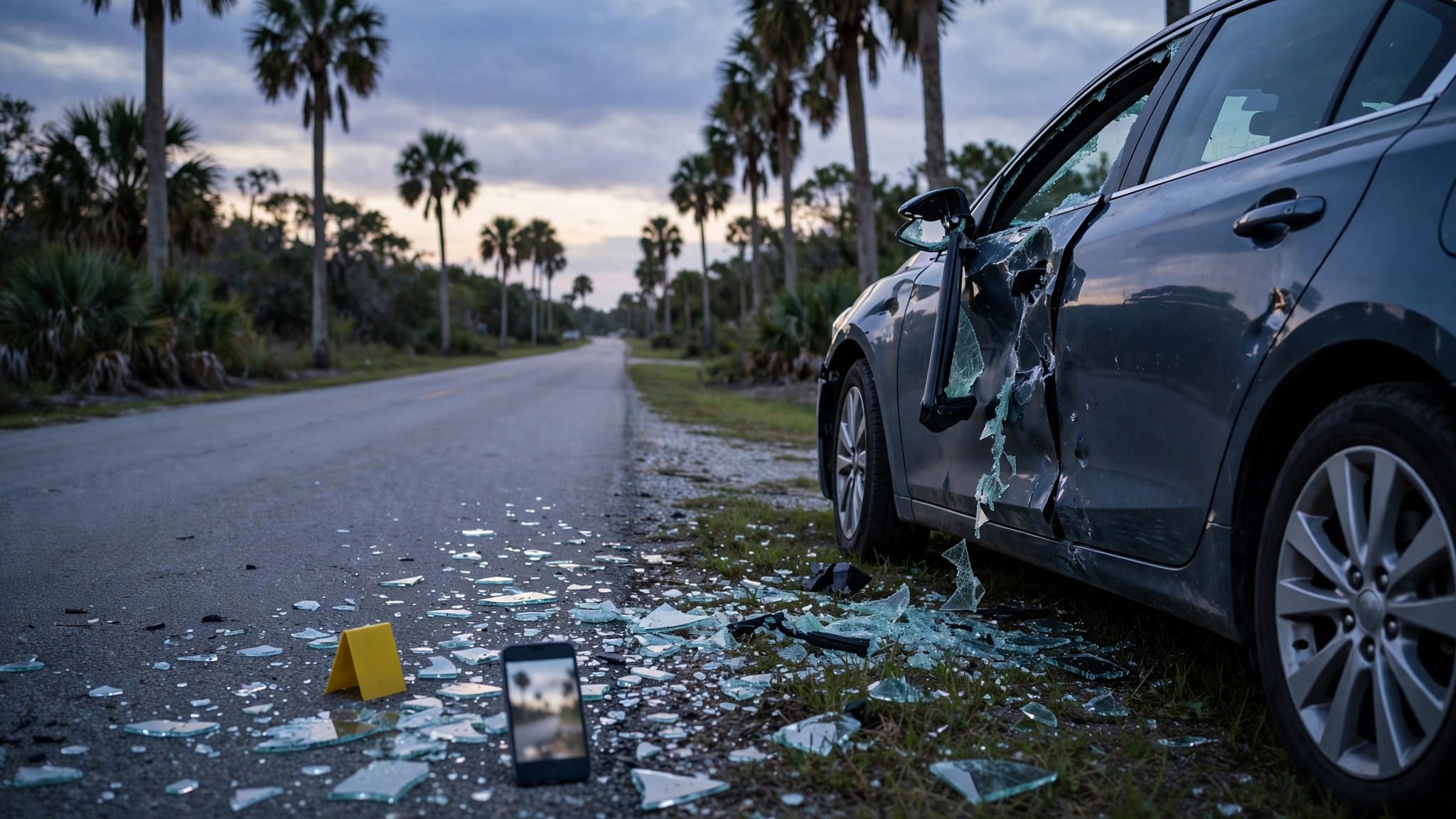
You can pursue a Florida hit-and-run claim even if police never identify the driver. Your options may include personal injury protection (PIP), uninsured motorist coverage, and collision coverage, depending on the policies available and the evidence.
An unidentified driver can make proof of fault harder, but it doesn’t automatically end your claim. Here’s how to protect your health, document the crash, and identify possible sources of payment.
Key Takeaways
- PIP can pay qualifying medical expenses and lost income without a decision about fault. Initial qualifying medical care generally must begin within 14 days.
- Uninsured motorist coverage may address eligible injury losses when an unknown driver caused the crash, but coverage and fault must be established.
- Photos, witness information, video, and medical records can help support a claim when the other driver is never found.
- Vehicle repairs generally involve different coverage from injury benefits.
- Many Florida negligence lawsuits have a two-year filing period. An open insurance claim doesn’t automatically extend it.
What to Do After a Florida Hit-and-Run Crash
Your first priorities are safety and medical care. Once you’re safe, a prompt report and a factual account can also help establish what happened.
Get to Safety and Report the Crash
Move to a safe location if you can do so without worsening an injury. Don’t follow the fleeing vehicle. Call 911 if anyone is injured or the crash creates an immediate hazard.
Florida law requires a driver involved in a crash causing injury, death, or apparent property damage of at least $2,000 to notify law enforcement immediately. Reporting a hit-and-run promptly can also create a record of the location, time, damage, and initial witness accounts.
Give the responding officer the details you remember. If you’re unsure about a license plate, vehicle color, or direction of travel, say so rather than guessing. Ask for the report number and keep any later updates in your claim file.
Get Medical Care and Notify Your Insurer
Seek medical attention promptly and tell the provider how the crash happened. Describe all symptoms, even if they seem minor. Headaches, dizziness, neck pain, and numbness can require evaluation.
Notify your insurer as soon as practical. Explain that the other vehicle left the scene, and provide the report number if you have it. Reporting the collision starts an insurance process, but it doesn’t replace the PIP treatment requirement or establish the other driver’s fault.
Evidence That Can Support Your Claim
Florida hit-and-run claims often depend on evidence collected before witnesses disappear or footage is erased. The question isn’t only whether another vehicle was present. You also need evidence connecting that driver’s conduct to your injuries and losses.
Preserve What You Can at the Scene
Photograph your vehicle, visible injuries, debris, skid marks, road conditions, and nearby traffic controls if it’s safe. Save dash-camera footage in its original form. Ask witnesses for their names and contact information rather than relying on their availability later.
Nearby businesses, homes, traffic cameras, or other vehicles may have recorded the crash or the fleeing vehicle. An attorney can request that relevant footage be preserved, although a camera’s existence doesn’t guarantee it captured the collision.
Keep damaged parts and clothing when practical. Before repairs or disposal alter important evidence, photograph the vehicle and discuss preservation with your insurer or attorney.
Document the Effects of Your Injuries
Medical records can connect your symptoms and treatment to the collision. Keep discharge instructions, prescriptions, therapy records, referrals, and bills. Tell providers about relevant prior conditions and any changes after the crash.
Pay records and work restrictions can help show lost income. A record of missed activities or daily limitations may also support your account. The police report is useful evidence, but it doesn’t decide civil liability or replace the other documentation your claim needs.
How PIP Benefits Work When the Driver Is Unknown
Florida’s no-fault system gives many injured motorists an initial source of benefits without requiring proof that someone else caused the crash. The other driver’s identity isn’t necessary to establish fault for an otherwise eligible PIP claim.
Treatment Timing Matters
Under Florida’s PIP statute, initial qualifying medical services generally must occur within 14 days after the collision for medical benefits. Opening an insurance claim during that period doesn’t substitute for receiving qualifying care.
Don’t wait for police to find the driver or for an insurer to resolve a fault dispute before seeking treatment. Follow-up care and referrals can also matter under the statute and the policy.
What PIP May Pay
PIP generally pays 80% of qualifying reasonable medical expenses and 60% of covered lost income. Medical and disability benefits generally share a $10,000 limit, subject to statutory conditions and any applicable deductible.
Without a qualifying determination of an emergency medical condition, medical benefits may be limited to $2,500. PIP doesn’t pay for vehicle repairs or pain and suffering. It also doesn’t establish who caused the collision.
Passengers and pedestrians can have PIP coverage too, but the applicable policy depends on their circumstances. A person’s own coverage, qualifying household coverage, or another policy may be relevant. For pedestrians, our discussion of Florida pedestrian injury claims addresses these separate coverage questions.
When Uninsured Motorist Coverage May Apply
Uninsured motorist coverage, often called UM, may provide a source of compensation for eligible injury losses when the responsible driver can’t be identified. It’s a separate claim from PIP, and payment isn’t automatic.
Find the Applicable UM Coverage
Start with your auto policy’s declarations page, which lists coverages and limits. A household or other applicable policy may also matter, depending on who was injured and the policy language.
UM coverage isn’t included in every Florida auto policy. Under Florida’s uninsured motorist statute, certain policies with bodily injury liability coverage must include UM unless a named insured rejects it in writing.
Our guide to Florida UM and UIM coverage explains how these benefits relate to uninsured and underinsured drivers. In an unidentified-driver case, the available policies, applicable law, and proof of the crash all matter.
Prove the Unknown Driver Caused the Injury
For a UM claim, evidence must support your entitlement to recover damages because of the unknown driver’s conduct. An insurer may dispute whether another vehicle was involved, whether its driver caused the crash, or whether your injuries resulted from it.
Vehicle damage, paint transfer, video, and witness accounts can help establish contact. If another driver forced you off the road without touching your vehicle, preserve evidence of that driver’s actions and your vehicle’s path.
A lack of contact doesn’t automatically resolve the claim. Policy language and Florida law require careful review. Our discussion of forced-off-road rollover claims covers evidence that can matter in that situation.
What Compensation Can an Injury Claim Include?
A supported claim may include medical expenses PIP leaves unpaid, future treatment, lost earnings, and reduced earning capacity. The evidence must connect those losses to the crash. Medical recommendations can help establish future care needs, while employment and income records can support a wage claim.
Depending on the injury and applicable law, pain and suffering may also be recoverable. Florida’s motor vehicle law generally requires a qualifying serious injury for certain non-economic damages. Categories include permanent injury, significant and permanent loss of an important bodily function, and significant permanent scarring.
Coverage limits and other applicable insurance rules affect the amount available. Payments from different sources also don’t necessarily add up to full reimbursement for the same expense. Keep records of bills, insurer payments, and balances so your attorney can assess the claim.
How to Pay for Vehicle Damage
PIP and UM injury coverage don’t automatically pay to repair your car. If you carry collision coverage, you may be able to make a property damage claim through your own insurer, subject to the policy terms and deductible.
Keep the repair estimate, towing receipts, and photographs of the damage. If the vehicle is a total loss, records of its mileage, condition, and recent work can help document its value. Rental reimbursement depends on the coverage you purchased and its terms.
If police later identify the driver, their property damage liability coverage may be another possible source of payment. That still depends on proof of responsibility, available coverage, and policy limits.
Deadlines for Florida Hit-and-Run Claims
Several deadlines can apply to the same crash. The deadline for initial PIP treatment is different from the deadline for a lawsuit or a notice requirement in an insurance policy.
Negligence Lawsuits Generally Have a Two-Year Limit
For many Florida negligence claims accruing on or after March 24, 2023, the general filing period is two years. In an ordinary crash case, the claim generally accrues on the date of the collision. Florida’s limitations statute sets out filing periods for different types of actions.
An unidentified driver doesn’t automatically stop the clock. Our guide to Florida car accident lawsuit deadlines explains why the crash date and claim type matter.
Insurance Claims Have Separate Requirements
An insurer may require prompt notice and cooperation under the policy. A UM claim can also involve a different legal deadline from a negligence lawsuit against a driver.
Settlement discussions or an open insurance claim don’t automatically pause a lawsuit deadline. An attorney can identify the relevant dates and evaluate whether another responsible party or policy should be part of the investigation.
Frequently Asked Questions
Can I Recover If the Hit-and-Run Driver Is Never Found?
You may be able to recover qualifying PIP benefits, UM injury benefits, or collision benefits without identifying the driver. Each has different requirements. A UM claim generally requires proof that the unidentified driver caused the injury and that applicable coverage exists.
Does a Hit-and-Run Mean the Other Driver Was at Fault?
Leaving the scene doesn’t by itself prove who caused the collision. Evidence still needs to establish how the crash happened. An insurer may also argue that you share responsibility, which can affect recovery under Florida’s comparative-fault rules.
What If There Was No Police Report?
You can still notify your insurer and pursue a claim, but proving the collision may be more difficult. Witnesses, photographs, medical records, and video can help. The absence of a report doesn’t erase a reporting duty that applied at the time of the crash.
Protect Your Options After an Unidentified-Driver Crash
When a driver disappears, your own insurance may provide a path to payment. PIP, UM, and collision coverage address different losses, so each needs a separate review.
At Avard Law Offices, we offer free consultations for personal injury cases. We can discuss the evidence, available coverage, and deadlines that apply to your Florida hit-and-run claim.