
Florida Scuba Diving Injury Claims After Safety Failures
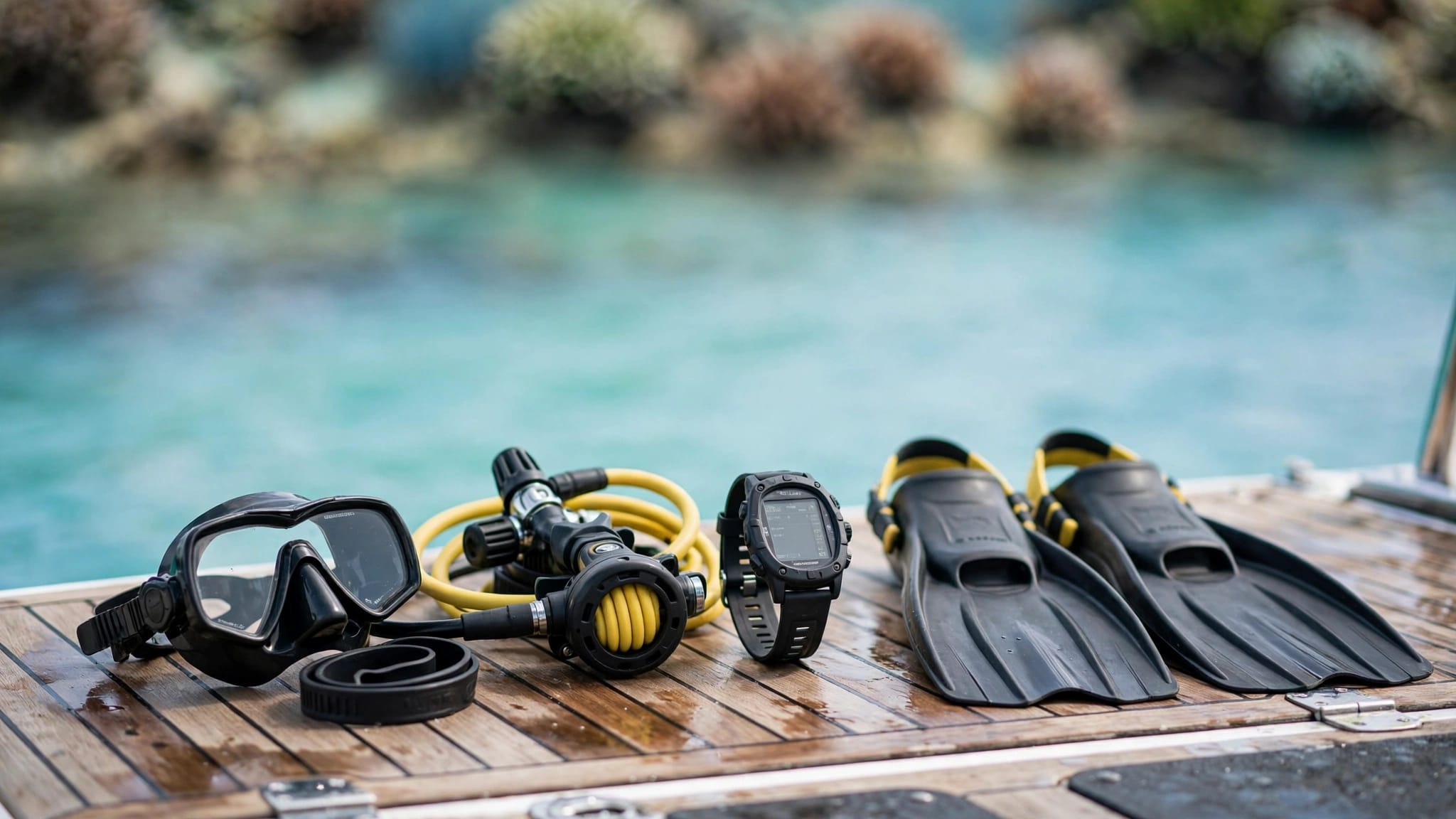
A Florida scuba diving injury can support a compensation claim when a dive operator’s negligence causes harm. The central issue is whether a preventable safety failure contributed to your injury.
A signed waiver, your certification, and the dive’s location can affect the claim, but none supplies the complete answer alone. Start with medical care and evidence preservation, then address the liability rules and filing deadline.
Key Takeaways
- A claim needs evidence connecting an operator’s safety failure to the injury, not simply proof that a dive went wrong.
- Preserve the waiver, dive computer data, equipment information, witness contacts, and medical records.
- Florida negligence rules may apply, but vessel-related diving injuries can require maritime-law analysis.
- Insurance negotiations don’t automatically extend the deadline for filing a lawsuit.
When a Dive Operator’s Safety Failure Supports a Claim
Dive operators don’t guarantee an injury-free experience. However, their obligations can include reasonable care in equipment maintenance, instruction, and the services they agree to provide.
Identify the unsafe decision or condition
Potential failures include supplying poorly maintained rental equipment, assigning an unsuitable dive without appropriate precautions, or giving inadequate instructions about known hazards. A delayed response to a missing or distressed diver may also warrant investigation.
The relevant duty depends on the operator’s role. A transportation-only charter and an instructor supervising a beginner’s first open-water dive don’t necessarily undertake identical responsibilities.
The U.S. Coast Guard’s recreational diving safety advisory addresses passenger-vessel operations supporting recreational dives. Safety guidance can inform an investigation, although a recommendation isn’t automatically a binding legal requirement.
Connect the failure to the injury
A negligence claim generally requires duty, breach, causation, and damages. An equipment problem matters only if evidence connects it to the injury or resulting harm.
For example, determining whether a regulator malfunctioned requires more than documenting an emergency ascent. Investigators may need equipment testing, maintenance records, the dive profile, and medical findings.
Similarly, an allegation of delayed rescue requires a timeline. The analysis must distinguish the original emergency from any additional harm caused by the response.
Get Medical Care Before Investigating the Claim
Breathing difficulty, chest pain, confusion, weakness, or numbness after diving warrants emergency attention. Call 911 for a suspected diving emergency and tell responders that you were scuba diving.
Give medical providers an accurate account of your depth, dive duration, breathing gas, ascent, and symptom onset. Include earlier dives and any problems underwater. Don’t delay treatment while trying to determine whether the operator was responsible.
Medical records can help distinguish decompression illness, lung injury, aspiration, and unrelated conditions. However, symptoms alone don’t establish the diagnosis or prove negligence.
Keep discharge instructions, specialist reports, treatment bills, and work restrictions. Report continuing symptoms accurately, including changes after the initial visit. An early improvement doesn’t necessarily establish complete recovery, while persistent symptoms require medical evaluation rather than assumptions about permanent injury.
Preserve Evidence Before Equipment or Records Change
Much of the evidence may remain with the charter company, instructor, rental shop, or vessel owner. Early preservation requests can identify records that otherwise might disappear.
Save your dive data and documents
Keep the original dive computer and export available data without deleting or overwriting it. Preserve logbook entries, booking confirmations, payment receipts, promotional descriptions, and communications about experience requirements or planned depths.
Save the exact waiver you signed, including attachments and electronic signature records. The document presented after an accident may not establish what you accepted before departure.
Photographs and video can show equipment identifiers, vessel conditions, entry points, and conditions at the time. Keep original files and witness contact information. Write down your recollection while separating direct observations from what others later told you.
Protect equipment and operational records
Identify the cylinder, regulator, buoyancy compensator, and other equipment involved, including serial numbers when available. Don’t attempt repairs or informal testing of suspected equipment.
A preservation request may seek maintenance histories, cylinder-fill records, gas information, passenger lists, crew assignments, weather records, GPS data, and emergency communications.
Depending on the incident, the Coast Guard’s marine casualty reports may contain investigative findings. Private operational records may require formal legal requests.
An incident report that conflicts with dive computer data or medical timing deserves investigation. The conflict alone doesn’t prove dishonesty.
A Dive Waiver Requires a Document-Specific Review
A clear, enforceable release can defeat some ordinary negligence claims. Its effect depends on the wording, the parties covered, the circumstances of signing, and the governing law.
In Diodato v. Islamorada Asset Management, Inc. (2014), Florida’s Third District Court of Appeal identified a factual dispute over the activity and duration covered by a release. That distinction matters when a business relies on paperwork signed for a different activity or earlier visit.
Review must address the actual claim, too. A release naming a dive school may raise different questions from one identifying the vessel operator and equipment provider.
Our explanation of Florida injury waivers discusses why release language and surrounding facts matter. Keep the agreement alongside booking communications rather than treating it as a separate issue. Equipment failure alone doesn’t resolve whether a release applies.
Address Shared Fault and Filing Deadlines Early
Liability and timing require separate analysis. Strong evidence of unsafe conduct won’t preserve a claim filed after its deadline.
Shared fault must connect to what happened
An insurer may argue that you ignored instructions, exceeded your training, failed to monitor air, or withheld relevant health information. Those allegations require evidence linking your conduct to the injury.
Under Florida’s comparative-fault statute, a claimant found more than 50 percent responsible generally cannot recover in covered negligence actions. At 50 percent or less, assigned fault reduces recoverable damages.
An adjuster’s proposed percentage isn’t a court finding. Also, maritime claims can follow different rules, so Florida’s threshold shouldn’t be applied without analyzing the governing law.
Calculate the deadline for the actual claim
For many Florida negligence claims accruing after March 24, 2023, the general filing period is two years. Florida’s limitations statute contains the applicable categories.
Older claims, product claims, wrongful-death cases, and government defendants can require different calculations or procedures. A vessel-related dive injury also requires attention to maritime law.
An open insurance claim, records request, or settlement discussion doesn’t automatically pause the filing clock. The deadline also doesn’t necessarily wait until treatment ends or the full extent of lasting limitations becomes clear.
Document the Losses a Claim May Cover
A scuba injury claim should account for supported losses throughout recovery. Depending on the applicable law and evidence, compensation may include medical expenses, future treatment, lost earnings, reduced earning capacity, and pain and suffering.
Keep wage statements and employer records alongside medical restrictions. Missed work and an inability to return to the same duties are different losses, and each needs support.
For lasting symptoms, document effects on sleep, mobility, concentration, and ordinary activities. Describe those limitations plainly to treating providers. Future care and permanent impairment require medical evidence.
If a diver dies, the deceased person’s personal representative generally brings a Florida wrongful-death action for eligible survivors and the estate. Our discussion of Florida wrongful death damages explains how survivor losses differ from estate losses. Maritime law can affect fatal diving claims as well.
Before accepting a settlement, review the payment and release together. A final release may end claims before future treatment needs become clear.
Frequently Asked Questions About Dive Injury Claims
Can I have a claim if I’m a certified diver?
Yes. Certification doesn’t excuse an operator’s negligent maintenance or other actionable conduct. However, your training and experience may matter when evaluating instructions, dive planning, and shared-fault allegations.
The investigation should compare what you knew with the operator’s responsibilities. Preserve certification information and communications describing your experience. Neither certification nor an accident, by itself, decides liability.
Can several businesses be responsible?
Yes. A charter operator, instructor, equipment rental business, maintenance provider, or manufacturer may have separate responsibilities. Liability depends on each party’s conduct and its connection to the injury.
Booking names don’t always identify every involved legal entity. Receipts, waivers, equipment records, and crew information can help establish who supplied each service or product.
Can I pursue a claim after returning home?
Yes. Leaving Florida doesn’t automatically prevent a claim arising from a Florida dive trip. Jurisdiction, contract terms, and governing law still need analysis.
Keep travel documents and treatment records from every provider, including care received after returning home. Counsel can coordinate the legal investigation while you continue appropriate medical treatment.
Protect Your Claim While You Recover
A viable Florida scuba diving injury claim connects an identifiable safety failure to documented harm. The strongest evidence may include the original waiver, equipment records, dive data, and a reliable medical timeline.
Address preservation and deadlines early while recovery continues. Waiting for an insurer’s final position can leave less time to protect your rights.
At Avard Law Offices, we offer a free consultation for personal injury matters. We can review the circumstances, discuss potential deadlines, and identify evidence that may support your claim.