
Florida Dental Implant Nerve Injury: Evidence for a Claim
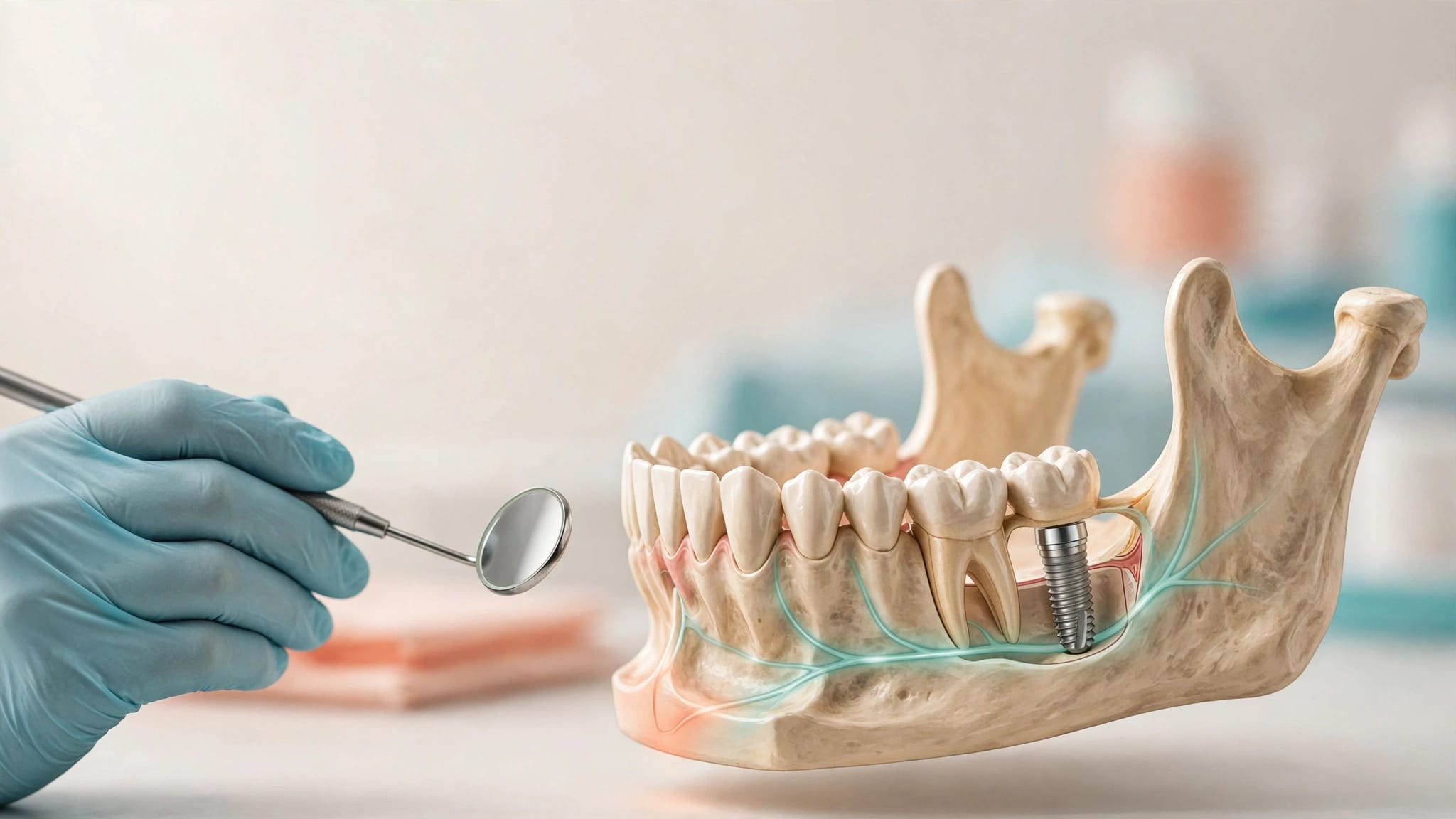
A dental implant nerve injury may support a Florida malpractice claim when negligent care caused or worsened the damage. Persistent numbness alone doesn’t establish negligence, but it deserves prompt medical attention and a careful review of the treatment records.
If your lip, chin, tongue, or gums feel different after implant surgery, you may be dealing with pain, uncertainty, and unexpected costs. The timing and documentation of your symptoms can matter to both your treatment and a potential claim.
Signs of a Dental Implant Nerve Injury
Some numbness is expected immediately after local anesthesia. Contact your dentist or surgeon promptly if altered sensation persists as the anesthetic wears off, or if you develop concerning pain or other new symptoms.
Where Symptoms May Appear
Implants in the lower jaw are placed near nerves involved in sensation. The inferior alveolar nerve travels through the lower jaw and supplies sensation to areas including the lower lip and chin. The lingual nerve supplies sensation to much of the tongue.
Depending on the nerve affected, symptoms can include numbness, tingling, burning, or pain. Some people notice a change in how an area responds to touch, temperature, or pressure. A clinician can assess whether the symptoms are consistent with a nerve injury and consider other possible causes.
Why Follow-Up Matters
Tell the treating office which areas feel different, when you first noticed the change, and whether it has improved or worsened. Ask for a clinical assessment rather than relying on an assumption that the sensation will return.
An oral and maxillofacial surgeon or another appropriate specialist may evaluate persistent symptoms. Treatment depends on the cause and timing. Don’t delay seeking care while deciding whether to contact a lawyer.
When an Implant Complication May Be Malpractice
Nerve injury is a known risk of some dental procedures. A claim requires evidence that a provider failed to meet the applicable standard of care and that the failure caused harm.
Examining the Provider’s Decisions
A review may address how the provider evaluated the jaw, planned the implant position, performed the procedure, and responded to reported symptoms. For example, an expert may examine whether available imaging and measurements were assessed appropriately before drilling.
Imaging choices depend on the circumstances. A case doesn’t automatically prove negligence because a provider didn’t order a particular scan. The relevant question is what reasonably prudent, similar providers would have done with the information available at the time.
Our explanation of the Florida medical malpractice standard of care describes how that comparison works.
Evaluating the Response to Symptoms
Follow-up care can also become part of the investigation. If a patient reported persistent numbness, the records may show what the provider observed, advised, or arranged next.
A delayed referral doesn’t automatically prove malpractice. An expert must assess whether the response fell below the standard of care and whether a different response would more likely than not have prevented or reduced the injury.
Connecting the Treatment to Nerve Damage
A malpractice claim needs a medical explanation for the connection between the alleged error and the injury. The fact that symptoms began after surgery is relevant, but timing alone may not resolve causation.
A qualified reviewer may compare symptoms before and after treatment, examine imaging, and consider whether the implant or surgical instruments affected a nerve. The reviewer may also consider other possible causes, including a patient’s prior condition or another part of the procedure.
Postoperative imaging can help show the implant’s position relative to nearby anatomy. Still, an image requires interpretation alongside the clinical findings. It doesn’t independently establish what happened during surgery or whether a provider acted negligently.
In a delayed-response claim, the question may be whether earlier assessment or treatment would more likely than not have changed the outcome. That analysis can be difficult when the extent of the original injury is uncertain. Our discussion of malpractice after a known complication explains why an adverse result and a preventable injury require separate analysis.
Records That Can Support an Implant Injury Claim
Your records can help establish what the provider knew, what happened during treatment, and how your symptoms developed. You don’t need to collect every document before speaking with an attorney, but preserving what you already have can help.
Dental Records and Imaging
Request records from the implant provider and any office involved in planning or follow-up. Relevant materials may include examination notes, treatment plans, consent forms, operative notes, implant information, prescriptions, and messages about postoperative symptoms.
Ask for copies of imaging taken before and after surgery, including the original digital files when available. Reports and screenshots can be useful, but original files may give a reviewing professional more information.
Records from a dentist, specialist, or hospital that later evaluated the injury also matter. They may document sensory findings, diagnoses, treatment recommendations, and changes over time.
Your Timeline and Daily Records
Write down when you noticed symptoms and whom you contacted. Include the dates of calls, appointments, and referrals. Keep your observations separate from explanations you later received from a clinician.
Save appointment summaries, bills, insurance statements, and messages. If altered sensation affects eating, speaking, sleep, or work, record the specific difficulty and when it occurred. Keep original documents unchanged and make copies for your own notes.
Under Florida’s medical negligence statutes, relevant records requested for a presuit investigation generally must be furnished within 10 business days, subject to a statutory exception. The Florida Department of Health’s complaint information also addresses requesting records from a provider.
Who May Be Responsible for the Injury?
The provider who placed the implant may be central to the review, but others may have participated in planning, treatment, or follow-up. An attorney can examine each person’s role and whether the dental practice bears responsibility under the facts and applicable law.
Don’t assume that everyone working at the same office has the same legal relationship to the practice. Employment, ownership, and control can affect the analysis. Similarly, a referral to another provider doesn’t by itself establish that either provider made an error.
Consent may also be relevant. A signed form is evidence of what was disclosed, but a review may consider the conversation, the information provided, and the patient’s circumstances. A lack-of-informed-consent claim has its own legal and causation requirements, and the presence of a known risk doesn’t automatically resolve it.
Damages After a Dental Nerve Injury
A successful malpractice claim may seek compensation for losses caused by the negligence. Depending on the evidence, those losses can include additional medical and dental care, lost income, and future expenses supported by the medical evidence.
Pain and other effects on daily life may also matter. Persistent altered sensation can interfere with meals, sleep, or conversations. Records of those effects can help explain the injury, particularly when a visible examination doesn’t convey what you feel.
Keep receipts and pay records, but don’t assume that every expense following implant treatment is recoverable. The claim must connect the loss to the injury caused by negligence. Future care and lasting limitations generally require support from appropriate medical evidence.
Florida’s Presuit Process for Dental Malpractice
Florida medical negligence claims generally require an investigation before a lawsuit can be filed. That process takes time, even when the injury appears clear.
Expert Review Comes First
Under Florida’s medical negligence statutes, a claimant generally must investigate whether reasonable grounds exist to believe a prospective defendant’s negligence caused injury. A qualified medical expert’s verified written opinion must corroborate those grounds.
The opinion must address more than the fact that a patient has numbness. It needs to support the alleged negligence and resulting harm. The expert’s qualifications must also fit Florida’s requirements and the care under review.
You don’t have to obtain that opinion before contacting us. We can discuss the circumstances, identify records that may be needed, and evaluate the next steps.
Notice Starts a Screening Period
After the required investigation, formal notice must go to each prospective defendant. Under Florida’s presuit notice law, recipients generally have 90 days to investigate before a lawsuit may proceed.
During that period, a provider or insurer may request information, deny the claim, offer a settlement, or admit liability and seek arbitration. The process also involves authorization for relevant health information.
A complaint to the dental office or an insurance discussion doesn’t replace statutory notice. Obtain legal advice before sending formal claim materials or signing claim-related releases.
Florida Filing Deadlines Can Run During Recovery
Florida generally gives a patient two years to begin a medical malpractice action, measured from the incident or discovery under the statutory rule. The analysis considers when you knew, or reasonably should have known, about the injury and its possible connection to negligence.
A four-year outside limit generally applies from the incident. Florida law provides limited exceptions, including provisions involving fraud or concealment and certain claims concerning young children. The facts and applicable statutory rules control the calculation.
Florida’s malpractice limitations statute and the presuit rules work together. Proper notice can toll the limitations period under those rules, but sending an informal complaint doesn’t have the same effect.
A later diagnosis doesn’t automatically restart the clock. Because investigation and expert review take time, speak with a Florida malpractice attorney promptly rather than waiting for symptoms to become permanent.
Questions About Implant Nerve Injury Claims
Does the Implant Need to Be Removed to Prove a Claim?
No. Whether removal is appropriate is a medical decision based on your circumstances. A legal claim depends on evidence of negligent care, causation, and harm, not on removal alone. Continue discussing treatment options with an appropriate clinician.
Can I File a Complaint With the State?
The Florida Department of Health accepts provider complaints. A complaint may lead to a regulatory review, but it doesn’t replace a malpractice claim, provide statutory presuit notice, or stop the filing deadline.
Can I Contact a Lawyer Before Treatment Ends?
Yes. An attorney can review the available information while you continue receiving care. You don’t need a final prognosis, a complete set of records, or your own expert opinion to request an evaluation.
Take the Next Step While You Continue Care
A dental implant nerve injury can have lasting effects, but the injury alone doesn’t establish malpractice. The claim turns on the care provided, the cause of the harm, and evidence of your losses.
At Avard Law Offices, we offer free case evaluations for people seeking help with injury and malpractice matters. Contact us to discuss what happened and the records that may help us review your options.