
Florida Testicular Torsion Malpractice Claims
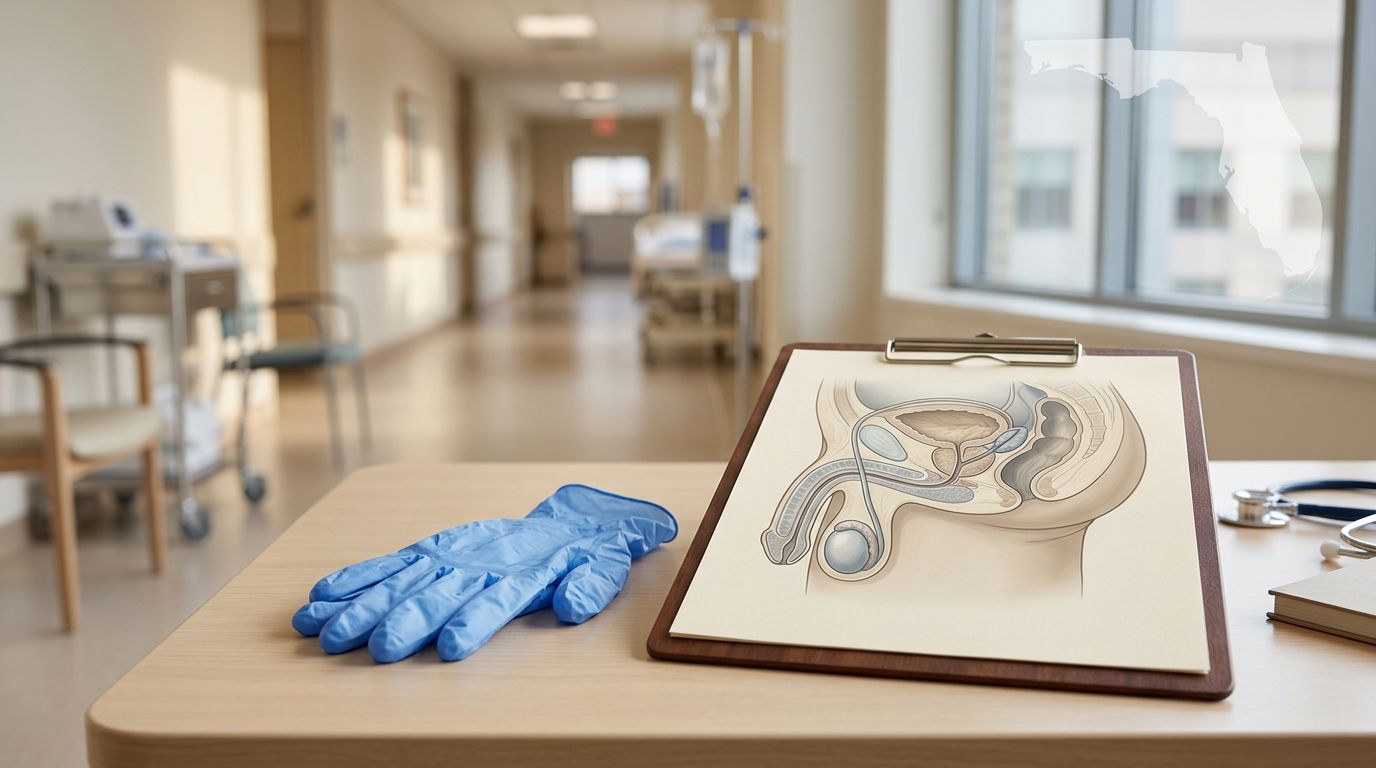
A delayed testicular torsion diagnosis may support a Florida malpractice claim when substandard care probably caused preventable injury. A testicular torsion malpractice case requires proof that a provider’s mistake caused harm, not simply that treatment ended badly.
Because torsion can cut off blood flow, sudden testicular pain requires emergency medical attention, even if symptoms improve. If you’re considering a claim after delayed treatment, the medical timeline is the starting point for understanding whether earlier care would likely have changed the outcome.
Key Takeaways
- A missed diagnosis, delayed surgical consultation, or inappropriate discharge may warrant investigation, but none automatically proves malpractice.
- Medical experts must connect the provider’s conduct to additional injury, such as testicular loss or tissue damage.
- Florida requires presuit investigation and formal notice, and filing deadlines can expire while treatment continues.
Why Testicular Torsion Requires Immediate Care
Blood flow and treatment timing
Testicular torsion occurs when the spermatic cord twists and restricts blood flow to the testicle. Without prompt treatment, the tissue can suffer permanent damage.
The StatPearls review of testicular torsion describes approximately six hours after pain begins as the typical window for surgical intervention and salvage. However, the degree of twisting also affects the outcome.
That window isn’t a guaranteed safe period or an automatic legal cutoff. A patient needs urgent assessment regardless of how long symptoms have lasted. Likewise, a salvage statistic cannot establish whether one person’s testicle remained viable at a particular moment.
Symptoms and urgent evaluation
Sudden pain, swelling, nausea, and vomiting can accompany torsion. Some patients, including children, initially describe lower abdominal pain rather than scrotal pain.
The evaluation must account for the history, examination, and clinical concern. Doppler ultrasound can help assess blood flow, but testing shouldn’t postpone urgent surgical evaluation when suspicion is high.
A malpractice investigation therefore examines more than whether someone ordered an ultrasound. It also considers when clinicians requested testing, interpreted findings, sought urologic consultation, and acted on the available information.
When a Delay Becomes Testicular Torsion Malpractice
Identifying a departure from proper care
Florida measures medical negligence against the prevailing professional standard of care for the provider and circumstances involved. An expert assesses what a reasonably careful, similarly situated provider should have done.
Potential concerns include dismissing acute symptoms without an adequate examination, failing to respond to worsening pain, or discharging a patient despite findings requiring further evaluation.
Emergency department delays may also involve triage decisions. Our discussion of Florida emergency room triage errors addresses how the initial assessment can affect access to timely treatment.
However, a long wait alone doesn’t establish negligence. The evidence must identify an unreasonable clinical decision or failure to act.
Proving that the delay caused injury
Causation is separate from identifying a mistake. The patient generally must establish that the departure from proper care more likely than not caused or worsened the injury.
An expert may assess whether timely examination, consultation, transfer, or surgery probably would have preserved the testicle or reduced damage. The analysis also considers symptoms before arrival and the condition when treatment first became available.
Under Florida’s medical malpractice standard of care, a poor outcome doesn’t establish every element of a claim. Evidence of a reduced chance of recovery, without the required causal proof, isn’t enough.
Evidence That Can Establish the Medical Timeline
Records before the correct diagnosis
The timeline begins with symptom onset, not merely the hospital’s registration time. Earlier urgent care visits, telephone advice, ambulance records, and patient portal messages may explain what providers knew.
Preserve discharge instructions and contemporaneous messages describing pain or requests for help. A parent’s observations can also matter when a child couldn’t clearly describe symptoms.
Write down recollections while they’re fresh, but separate remembered details from facts documented in records. Don’t alter original messages or medical documents. If the chart describes symptoms differently than you remember, tell your attorney about that difference.
Records through surgery and follow-up
An attorney may seek nursing assessments, examination notes, ultrasound images, radiology reports, consultation requests, transfer communications, and operating room records. These materials help distinguish a delayed order from a delayed response.
Operative findings and pathology reports can help explain tissue damage. Follow-up examinations may reveal later atrophy even when surgeons initially preserved the testicle.
The investigation must also identify who controlled each decision. An emergency physician, radiologist, urologist, hospital, or physician group may have different responsibilities. A hospital isn’t automatically responsible for every clinician involved.
Injuries and Losses a Claim May Address
Testicular loss and later physical effects
Emergency surgery may untwist and secure the testicle. If tissue is no longer viable, surgeons may need to remove it, a procedure called an orchiectomy.
However, preserving a testicle during surgery doesn’t guarantee normal later function. The review of torsion diagnosis and management distinguishes surgical salvage from later outcomes, including testicular atrophy.
A claim may address removal, subsequent procedures, persistent pain, or other medically supported consequences attributable to negligent delay. Loss of one testicle doesn’t automatically establish infertility or a need for testosterone treatment. Those issues require an individual medical assessment.
Financial and personal losses
Recoverable damages may include additional medical expenses, lost income, and future treatment needs supported by evidence. The analysis separates treatment the torsion itself required from losses the negligent delay caused.
Pain, emotional distress, scarring, and changes in body image may also matter. For a teenager, sensitive consequences can affect daily life well beyond the hospital stay.
Keep bills, wage records, and documentation of continuing symptoms. A damages assessment should reflect actual limitations and supported future needs rather than assumptions about fertility, sexual function, or lifelong disability.
Florida’s Presuit Requirements and Filing Deadlines
Investigation and notice come before suit
Florida generally requires a reasonable presuit investigation. Under section 766.203, a qualified medical expert’s verified written opinion must corroborate reasonable grounds to believe negligence caused injury.
The expert’s qualifications must fit the care under review. A statement confirming that a testicle was removed doesn’t necessarily establish negligence or causation.
The claimant must then serve notice of intent on each prospective defendant. Florida’s medical negligence notice law generally provides a 90-day investigation period before suit may proceed.
During that period, a recipient may request information, deny the claim, offer settlement, or admit liability and seek arbitration. Required health-information authorization and information-exchange rules also apply.
Deadlines require an individual calculation
Florida’s medical malpractice limitations statute includes discovery-based filing rules and an outside deadline. The calculation can depend on treatment dates and when the injury and a possible connection to negligence became apparent.
A later diagnosis doesn’t automatically restart the clock. Nor does the deadline necessarily wait until follow-up treatment ends or permanent effects become clear.
A hospital grievance doesn’t replace statutory presuit notice or automatically preserve the filing deadline.
Proper presuit procedures can affect time calculations. However, hiring counsel, requesting records, or discussing settlement doesn’t automatically pause the clock. Claims involving children or government-connected providers can raise additional issues.
Preparing to Speak With a Florida Malpractice Attorney
You don’t need to obtain an expert opinion before asking an attorney to evaluate what happened. Bring the dates and names you know, along with available records, discharge papers, and follow-up recommendations.
Be ready to explain when symptoms began, what you reported, what providers told you, and when surgery occurred. Also describe continuing treatment and any effects on work or daily activities. Missing records shouldn’t prevent an initial conversation.
Before sending formal notices or signing claim-related releases, obtain legal advice. Continue necessary medical care while the legal review proceeds.
At Avard Law, we offer free consultations for people considering medical malpractice claims. Speaking with a Florida medical malpractice attorney can help you understand whether the documented delay warrants further investigation.
Frequently Asked Questions
Can I have a claim if surgeons saved the testicle?
Possibly. Surgical preservation doesn’t rule out later atrophy or other injury. However, a claim still requires evidence of negligent care, a causal connection, and compensable harm. Saving the testicle also doesn’t prove that earlier care would have produced a better outcome.
Does removal of a testicle prove malpractice?
No. Torsion can cause irreversible damage despite appropriate treatment, including when tissue was already nonviable before the provider had an opportunity to intervene. The central question is whether unreasonable delay probably caused additional harm. Removal establishes an injury, but it doesn’t establish who caused it.
Can a parent pursue a claim for a child?
A parent or legal guardian can seek legal advice about a child’s potential claim. Counsel must address who may act for the child, the available claims, and any applicable procedural protections. Don’t assume that a child’s age automatically preserves the claim until adulthood.
Will the claim necessarily go to trial?
No. A claim may resolve during presuit review or later settlement negotiations. If the parties cannot agree, litigation may follow. The medical evidence, causation dispute, and documented losses affect those decisions. Neither an investigation nor a filed lawsuit guarantees compensation.
Protect Your Options After a Delayed Diagnosis
A testicular torsion malpractice claim depends on what timely care probably would have changed. The strongest assessment connects the clinical decisions, treatment timeline, and resulting injury.
Preserve the records you have and continue recommended treatment. Early legal advice gives counsel time to investigate the delay and address Florida’s procedural requirements before a deadline closes your options.