
Aortic Dissection Misdiagnosis: Florida ER Warning Signs
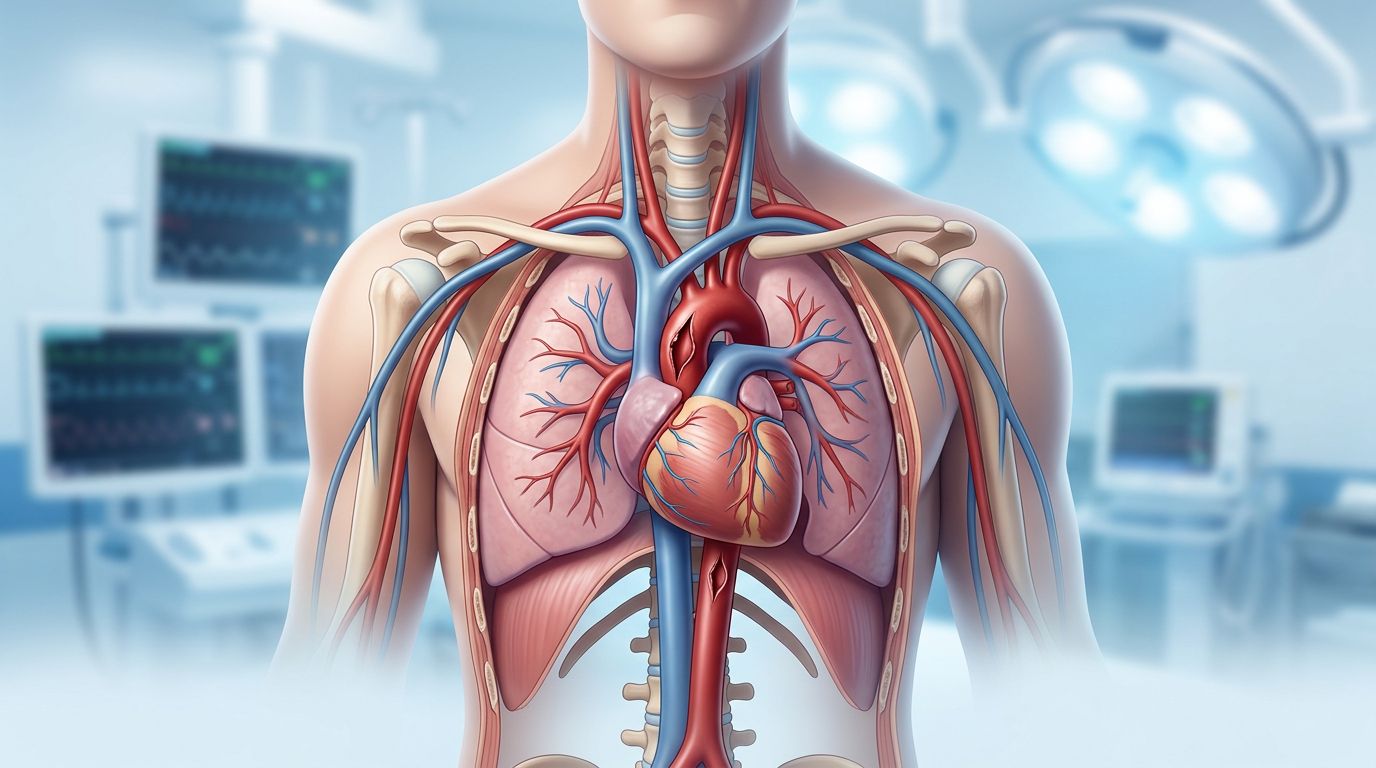
Chest or upper back pain that reaches full intensity immediately can signal a life-threatening aortic tear. An aortic dissection misdiagnosis may delay surgery, blood pressure treatment, or transfer while the condition causes stroke, organ damage, or death.
These cases are difficult because dissection can resemble a heart attack, reflux, pulmonary embolism, or stroke. Still, sudden severe pain, fainting, neurological changes, or unequal pulses require careful evaluation. If these symptoms are happening now, call 911 before considering any legal issue.
Emergency Room Warning Signs That Should Raise Concern
An aortic dissection occurs when a tear develops in the aorta’s inner lining. Blood then enters the wall and separates its layers. The tear may involve branches that supply the brain, heart, kidneys, intestines, spinal cord, or limbs.
Warning signs can include:
- Sudden, severe chest, upper back, or abdominal pain that reaches maximum intensity immediately.
- Pain described as tearing, ripping, sharp, or stabbing, although patients may use different words.
- Pain that moves or spreads into the neck, jaw, shoulder, arm, abdomen, groin, buttocks, or legs.
- Fainting, confusion, shortness of breath, sweating, nausea, or vomiting.
- Stroke-like symptoms, including facial drooping, one-sided weakness, trouble speaking, or vision changes.
- A weak pulse, low blood pressure, or a noticeable difference in blood pressure between the arms.
- New leg pain, numbness, weakness, or signs of poor blood flow.
Chest pain is common, but it isn’t required. Some people have primarily back or abdominal pain. Others present with fainting, heart-failure symptoms, or neurological problems caused by reduced blood flow.
A patient may also lack the classic “tearing” description. The severity, speed of onset, movement of pain, medical history, and physical findings matter together. High blood pressure, a known aneurysm, a bicuspid aortic valve, or an inherited connective-tissue condition can increase concern.
Why the First Diagnosis Can Be Wrong
A 2022 systematic review of aortic dissection misdiagnosis reported an overall misdiagnosis rate of 33.8% across the reviewed literature. Chest pain appeared in 67.5% of patients, back pain in 24.8%, and syncope in 6.8%.
Those figures show why a normal-appearing presentation can still deserve attention. A patient with chest pain may receive an evaluation for heart attack first. That evaluation may be appropriate, but a negative or incomplete cardiac workup doesn’t automatically exclude dissection.
A chest X-ray also may not show a widened mediastinum. The absence of that finding doesn’t rule out an aortic emergency.
A normal-looking chest X-ray, normal initial heart tests, or a suspected diagnosis of reflux doesn’t by itself eliminate the need to consider dissection.
Aortic dissection is a medical emergency. Anyone with sudden severe chest or back pain, sudden shortness of breath, fainting, or stroke symptoms should receive immediate emergency care. Do not drive yourself, and don’t wait to see whether the pain improves.
How Aortic Dissection Misdiagnosis Happens in the ER
Emergency departments evaluate many patients with chest pain. Heart attacks, pulmonary embolisms, pneumonia, reflux, panic attacks, and muscle injuries are more common than aortic dissection. That frequency can lead clinicians to focus on the most familiar explanation before considering a less common emergency.
The problem becomes more serious when important details don’t receive enough weight. A sudden onset, migrating pain, unequal arm pressures, a weak pulse, or neurological changes may change the entire evaluation. A patient who arrives by private vehicle may also appear less ill than someone transported by ambulance, even when the underlying condition is severe.
A study examining failures to diagnose acute aortic dissection found that walk-in ER admission and anterior chest pain appeared more often among misdiagnosed patients. The study also found widened mediastinum less often in those cases and estimated that emergency physicians missed the condition in about one out of six cases examined. The study of diagnostic failures illustrates why triage appearance and a single imaging finding cannot carry the entire decision.
Testing can create another problem when results are interpreted without the full clinical picture. An ECG and cardiac blood tests may help evaluate a heart attack, but they don’t independently exclude dissection. Depending on the symptoms and examination, clinicians may need advanced imaging, often CT angiography, and consultation with specialists.
A 2025 emergency department review described missed diagnoses as the product of cognitive errors, communication failures, and system problems. Those problems can include incomplete handoffs, delayed imaging, failure to review results, or discharge before a patient’s worsening symptoms receive a new assessment.
When a Missed Dissection May Become a Florida Medical Malpractice Case
A missed diagnosis isn’t automatically medical malpractice. Florida law requires proof that the medical provider owed a duty, breached the applicable standard of care, caused harm, and produced legally recognized damages. A Florida medical malpractice law guide explains these core requirements in more detail.
An aortic dissection misdiagnosis may raise legal concerns when the records show warning signs that a reasonably careful provider should have addressed. Potential issues can include:
- Failing to ask when the pain began or whether it reached maximum intensity suddenly.
- Failing to examine or document pulses, neurological function, or blood pressure differences.
- Treating chest pain as reflux, anxiety, or a muscle injury without adequately considering dangerous causes.
- Failing to order appropriate imaging or consult a vascular or cardiothoracic specialist.
- Misreading an imaging study or failing to act on a radiologist’s urgent finding.
- Discharging a patient despite persistent, worsening, or unexplained symptoms.
- Failing to communicate test results, follow-up instructions, or return precautions.
The question is not whether the patient had a poor outcome. The question is whether the care fell below the applicable standard and whether that failure caused additional injury.
For example, a delay may allow the dissection to extend into arteries supplying the brain or spinal cord. It may also cause kidney failure, intestinal injury, limb ischemia, severe heart damage, or death. A lawyer and medical expert must examine whether earlier recognition would probably have changed treatment or the outcome.
The Medical Records Often Determine the Case
A patient’s memory matters, but the medical record provides the timeline lawyers and experts must analyze. Relevant records may include:
- Ambulance reports and emergency department triage notes.
- Initial and repeat vital signs, including blood pressure readings from each arm.
- Nursing observations, pain scores, and changes reported during the visit.
- ECGs, laboratory results, radiology reports, and the actual imaging files.
- Physician notes, consultations, transfer records, and discharge instructions.
- Follow-up records, surgical reports, rehabilitation records, and death records when applicable.
Timing can be decisive. A legal review may compare the first report of pain with the time of triage, the timing of tests, the review of results, the discharge decision, and the eventual diagnosis.
A hospital’s final diagnosis also doesn’t settle whether negligence occurred. Conversely, a serious complication doesn’t prove that a provider made a legal error. Expert review is usually needed to determine what the warning signs meant and what care the circumstances required.
When a patient dies after a delayed diagnosis, surviving family members may have a wrongful death claim. The available claim, damages, and eligible beneficiaries depend on the facts and Florida law. Prompt review helps preserve evidence while records, witnesses, and medical details remain available.
What to Do After a Delayed Aortic Dissection Diagnosis
Medical treatment comes first. After the patient is stable, family members should request complete records rather than relying only on a discharge summary. Imaging files are especially important because a radiology report alone may not answer every question.
Write down a clear timeline while events remain fresh. Include the first symptoms, statements made to triage staff, changes during the visit, requests for help, testing, discharge, return to the hospital, surgery, and any lasting disability. Save bills, employment records, prescription information, and communications with the hospital.
Avoid altering or discarding messages, photographs, notes, or appointment records. Those materials may help establish when symptoms appeared and how the condition progressed.
Florida medical negligence claims also have strict deadlines. In many cases, the statute of limitations is two years after the patient discovered, or should have discovered, the injury and a reasonable possibility that malpractice caused it. A four-year statute of repose can create an outside deadline, although exceptions may apply. The Florida medical malpractice time limits are fact-specific and should not be calculated from a general online rule.
Contact a Florida medical malpractice attorney early, especially if the patient suffered permanent disability, lost the ability to work, required emergency surgery, or died. The attorney may arrange medical review, identify responsible providers, obtain imaging, and determine whether the facts support a negligence claim.
Conclusion
An aortic dissection can begin with symptoms that look like common emergency-room complaints. Sudden maximal pain, fainting, neurological changes, migrating pain, and unequal pulses deserve careful attention, even when initial heart tests appear reassuring.
An aortic dissection misdiagnosis becomes a potential Florida malpractice matter only when evidence shows a breach of the medical standard caused additional harm. Complete records, a precise timeline, and timely legal review can help a family understand what happened before important deadlines pass.