
Florida Airbag Nondeployment Claims After a Car Accident
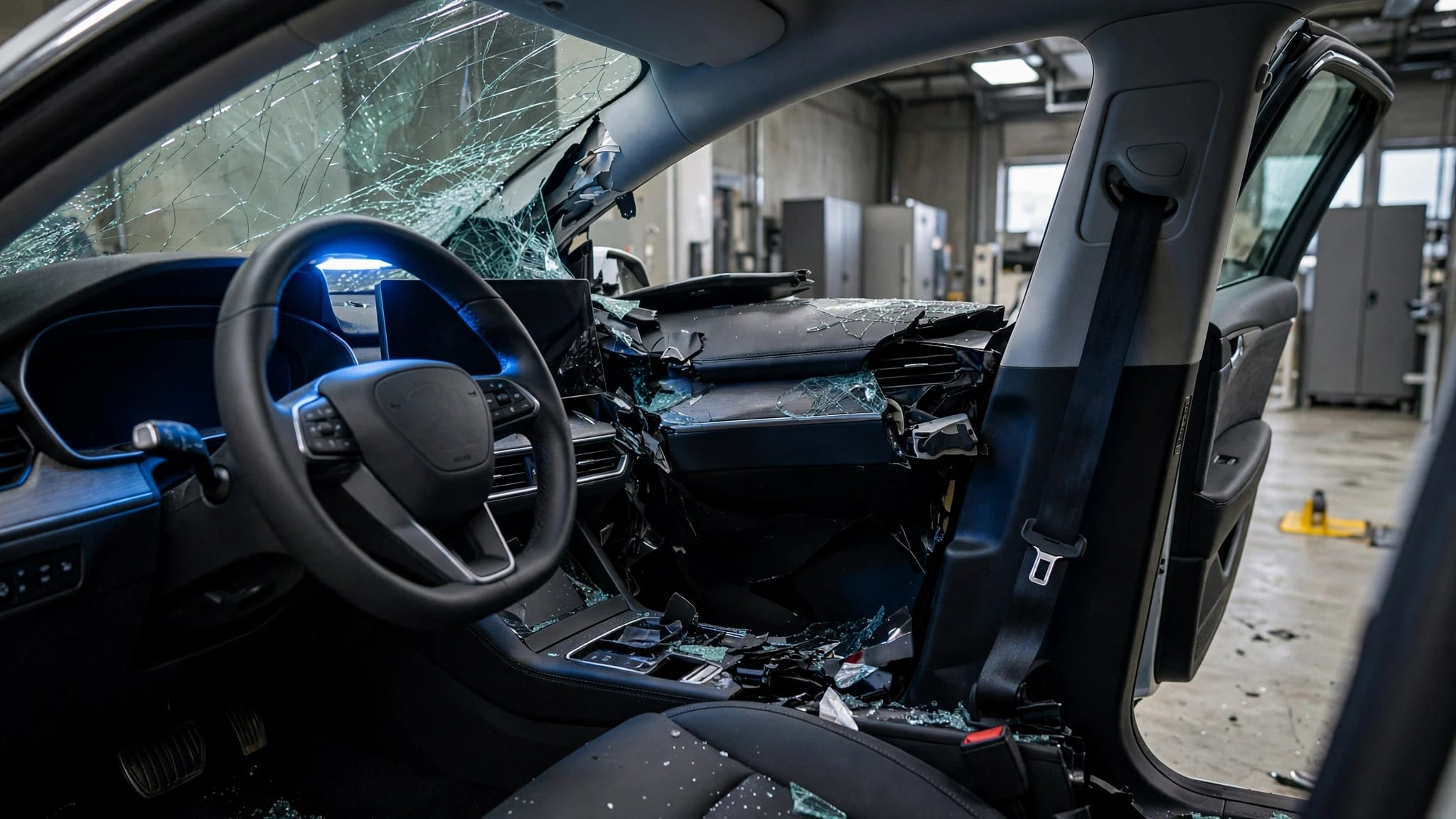
A Florida airbag nondeployment claim requires proof that an airbag should have deployed and that its failure caused or worsened your injuries. An unopened airbag alone doesn’t establish a defect, even after a serious collision.
The investigation must separate the cause of the crash from any additional harm caused by a failed restraint system. Because repairs or salvage can destroy critical evidence, protecting the vehicle is an early priority.
Key Takeaways
- Airbags don’t deploy in every collision. Crash direction, severity, and the vehicle’s restraint-system design matter.
- A claim may involve a vehicle manufacturer, component supplier, repair business, or negligent driver, depending on the evidence.
- Preserve the vehicle, electronic data, and medical records promptly. Florida negligence and product-liability claims can have different filing deadlines.
When a Florida Airbag Nondeployment Claim Has Merit
The central question is whether the restraint system performed as it should under the actual crash conditions. Vehicle damage and injury severity are important, but neither answers that question alone.
Some crashes don’t require deployment
The National Highway Traffic Safety Administration explains that frontal and side-impact airbags generally deploy in moderate-to-severe crashes. However, crash characteristics and system design affect deployment.
A frontal airbag may remain closed during a rear impact or some side impacts. Passenger airbags may also be suppressed when an occupant-detection system identifies an empty seat or certain small occupants.
Rollover protection raises different questions because curtain-airbag designs vary. In Florida rollover crash claims, the vehicle’s equipment and rollover sequence require separate analysis.
A failure requires technical support
Potential failures include defective sensors, damaged wiring, control-module problems, or an airbag missing after an earlier repair. A warning light before the wreck may provide evidence, but it doesn’t establish the cause by itself.
An investigation examines the vehicle’s condition, diagnostic information, repair history, and deployment criteria. It must establish that the system should have provided protection during the relevant impact.
Who May Be Responsible for a Failed Airbag?
A vehicle manufacturer or component supplier may face a product-liability claim involving defective design or manufacture. The claim still requires evidence connecting that defect to the injury.
A repair business may bear responsibility for improper installation, disconnected components, or failure to replace deployed airbags correctly. Prior collision repairs therefore deserve close attention.
NHTSA has warned about dangerous replacement airbag inflators. That warning doesn’t prove a particular vehicle contained a defective replacement, but it makes repair records important.
Meanwhile, the driver who caused the collision may remain responsible for crash-related injuries. A defect claim and a driver-negligence claim can proceed together when the evidence supports both.
Passengers can also pursue appropriate claims. Our discussion of Florida passenger injury claims explains why riding in an at-fault driver’s vehicle doesn’t eliminate potential compensation rights.
Identifying every responsible party matters because the crash and restraint failure may have different causes.
Preserve the Vehicle Before Repairs or Salvage
A totaled vehicle can contain the strongest evidence of an airbag failure. An insurer’s total-loss decision doesn’t resolve whether the restraint system was defective.
Protect the vehicle and restraint components
Before authorizing repairs, dismantling, or disposal, tell your attorney where the vehicle is stored and who controls it. Counsel can seek preservation and arrange an appropriate inspection.
The inspection may involve airbags, sensors, wiring, control modules, seat belts, and seat structures. Keep removed components rather than allowing a shop to discard them.
A repair estimate documents repair costs. It doesn’t replace an inspection of why an airbag failed to deploy.
Address storage charges promptly while arranging preservation. Don’t attempt to remove airbag components or reset restraint-system faults yourself.
Save electronic data and surrounding records
Depending on the vehicle and event, an event data recorder may contain crash-related information, including speed, braking, restraint use, and deployment commands. Retrieval requires suitable equipment and procedures.
Also preserve original photographs, dashcam recordings, purchase records, and earlier repair invoices. Photograph dashboard warnings and the passenger compartment when safe.
Witness accounts and roadway video can help reconstruct the impact. Although useful, a police report doesn’t decide whether an airbag was defective. Other evidence also matters in crash claims without police reports.
Proving the Airbag Failure Made Your Injuries Worse
An airbag defect doesn’t need to cause the collision to create liability. It may cause additional injuries during a crash that another driver caused. Lawyers often describe this as an enhanced-injury claim.
Connect the crash mechanics to occupant movement
An accident-reconstruction specialist can examine impact direction, vehicle deformation, and available crash data. A restraint-system specialist may evaluate whether deployment should have occurred.
Those findings help explain how an occupant moved inside the vehicle. Contact with the steering wheel, dashboard, or other interior surfaces may support the analysis.
However, the investigation must consider seat position, belt use, and multiple impacts. Severe injuries alone don’t prove that an airbag would have prevented them.
Connect medical findings to the alleged failure
Medical records establish the injuries, treatment, and lasting limitations. Additional expert analysis may explain which injuries proper deployment would likely have prevented or reduced.
The medical evaluation must also account for injuries that the crash would have caused even with a functioning airbag. Distinguishing those injuries helps define the harm attributable to the alleged defect.
Medical Care and Compensation After Nondeployment
Seek medical attention promptly rather than waiting for a vehicle inspection. Tell providers how the crash occurred, where your body struck the interior, and when symptoms began.
For available Florida Personal Injury Protection benefits, initial qualifying medical treatment generally must begin within 14 days. That treatment requirement is separate from the lawsuit deadline and doesn’t establish fault.
Potential compensation may include medical expenses, rehabilitation costs, lost earnings, reduced earning capacity, and other proven losses. Future treatment and work limitations require supporting evidence.
Pain-and-suffering recovery depends on the applicable legal requirements. Claims against an at-fault driver may require satisfaction of Florida’s motor-vehicle serious-injury threshold. Product-liability claims require separate analysis.
There’s no reliable settlement value based solely on an airbag staying closed. The injury, proof of failure, available coverage, and responsibility of each defendant affect the claim.
Keep bills, pay records, work restrictions, and notes about daily limitations. Also seek legal review before signing a release that might affect claims against additional parties.
Florida Filing Deadlines and Shared Fault
The insurance investigation and the lawsuit deadline run on separate tracks. An open claim doesn’t preserve the right to sue.
Negligence and product claims have different clocks
Under Florida’s filing-deadline statute, negligence actions generally have a two-year filing period. The shortened period generally applies to claims accruing on or after March 24, 2023.
The statute separately places product-liability actions in a four-year category. Discovery rules and a statute of repose may affect the calculation. Repose can impose an outside limit tied to product delivery and other statutory conditions.
The legal theory matters when a claim concerns negligent repairs as well as a defective product. Wrongful-death claims and government defendants can require different analysis.
Settlement negotiations don’t automatically pause these deadlines. Counsel should identify each potential claim and its controlling dates early.
Fault can reduce or bar recovery
Under Florida’s comparative-fault statute, a claimant’s assigned fault generally reduces recoverable damages. In covered actions, fault greater than 50% bars recovery.
The statute includes product-liability theories within its framework. Enhanced-injury cases also require attention to the fault of those who contributed to the accident.
An adjuster’s accusation isn’t a final fault determination. Allegations about driving conduct or seat-belt use require supporting evidence and a connection to the claimed harm.
Frequently Asked Questions
Can I bring a claim without an airbag recall?
Yes. A recall isn’t required to pursue a supported defect claim. Conversely, a recall doesn’t automatically establish that the same defect affected your vehicle or caused your injuries.
The investigation must connect the particular vehicle, alleged failure, crash conditions, and resulting harm.
What if the insurer already took my totaled vehicle?
Tell your attorney immediately where the vehicle went, including any storage yard or salvage company. Provide the claim number and insurer correspondence.
A preservation request may help prevent further alteration or disposal. However, evidence already destroyed may be difficult or impossible to recover, so the timing matters.
What should I bring to an attorney consultation?
Bring available crash photographs, medical records, insurance correspondence, vehicle identification information, and repair records. Include any photographs of warning lights and details about earlier collisions.
Also identify the vehicle’s current location and any pending salvage transfer. Missing documents shouldn’t delay seeking advice when the vehicle or a filing deadline is at risk.
Protect the Evidence Behind Your Claim
A Florida airbag nondeployment case depends on proving both a system failure and the injuries it caused. Preserving the vehicle gives investigators a better opportunity to answer those questions.
At Avard Law Offices, we offer free case evaluations for Florida personal injury matters. Contact us before repairs, salvage, or a settlement release limits the evidence and legal options available.