
Florida Battery Fire Claims: Preserving Product Evidence
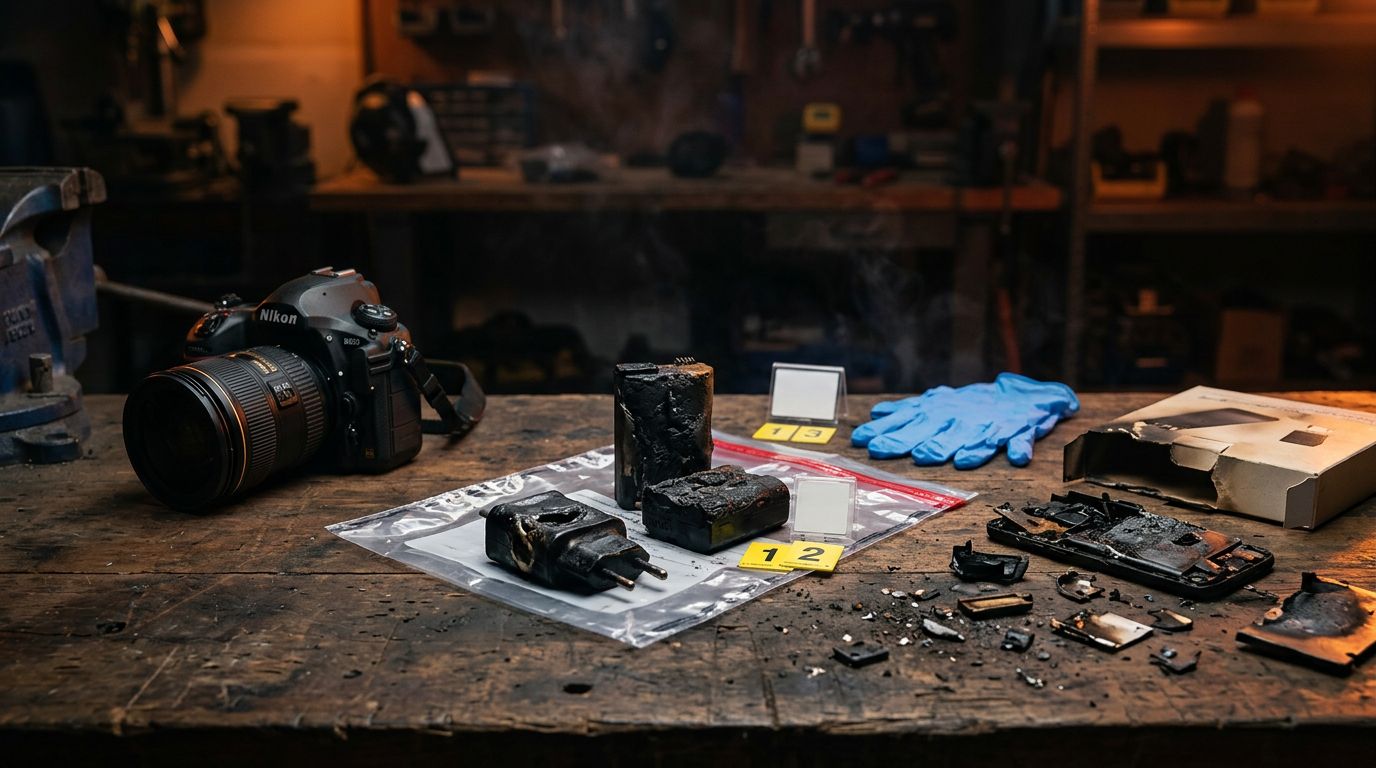
A lithium-ion battery can turn an ordinary phone, e-bike, vape device, scooter, tool, or vehicle into the center of a serious injury case. Florida battery fire claims often involve burns, smoke inhalation, eye injuries, respiratory damage, and wrongful death.
The fire itself is only the beginning. To recover compensation, you may need to show that a defective battery, charger, product design, warning, or repair caused the incident. The evidence can disappear quickly, especially when the product is discarded, altered, or destroyed during cleanup.
Key Takeaways
- Preserve the battery, device, charger, packaging, labels, and purchase records.
- Fire reports, medical records, photographs, videos, and witness information can establish how the injury happened.
- Potential defendants may include manufacturers, distributors, retailers, repair companies, and property owners.
- Product liability claims may involve strict liability, negligence, or breach of warranty.
- Florida filing deadlines depend on the claim type and injury date, so prompt legal advice matters.
How Florida Battery Fire Claims Depend on Product Evidence
Lithium-ion batteries can experience thermal runaway, a rapid chemical reaction that causes intense heat, fire, smoke, or an explosion. A damaged cell, manufacturing error, defective battery-management system, unsafe charger, poor ventilation, or inadequate warning may trigger the event.
However, proving that a fire occurred doesn’t automatically establish legal responsibility. A claim usually must connect three facts:
- The product had a defect or failed to meet a required safety standard.
- The defect caused the fire or explosion.
- The incident caused the claimant’s injury, property damage, or death.
The defect may involve the battery itself or another part of the product. For example, a phone manufacturer may face questions about battery design and safety controls. A retailer may face separate questions about what it sold or represented. A repair company may become involved if improper work altered the battery or charging system.
The product’s condition after the fire can answer questions that photographs cannot. Investigators may examine burn patterns, melted components, cell damage, charger connections, wiring, circuit boards, and manufacturing marks. They may also compare the product with an exemplar, which is an undamaged product of the same model.
That comparison can help determine whether the damaged unit had a design problem or suffered an isolated manufacturing failure. It may also show whether the product lacked a necessary warning or charging instruction.
A Florida jury awarded $10 million in 2024 in Bennett Fields v. South Georgia Vapor, Good Life Vapor, and others, a Leon County case involving a box mod and lithium-ion batteries. The award reportedly included $7 million in compensatory damages and $3 million in punitive damages. The result involved the facts and evidence presented in that case, so it doesn’t predict the value of every battery-fire injury.
Product Evidence to Preserve After a Battery Fire
After emergency treatment and scene safety, preserve every item connected to the incident. Don’t throw away the battery, charger, device, vehicle, packaging, or damaged parts unless an investigator instructs you to do so.
Store the product in a safe location and avoid testing, charging, opening, repairing, or disassembling it. A damaged lithium-ion battery can remain dangerous. Your attorney may arrange secure storage and inspection by qualified professionals.
Useful evidence may include:
- The battery, charger, appliance, vehicle, or other product
- Brand name, model number, serial number, and manufacturer label
- Receipts, invoices, online order records, and warranty documents
- Original packaging, manuals, warnings, and charging instructions
- Photographs and videos taken before cleanup or repairs
- Fire department, fire marshal, 911, and emergency response records
- Medical records from every treating facility
- Names and contact information for witnesses
- Repair estimates, replacement costs, and property inspection reports
- Communications with the retailer, manufacturer, insurer, landlord, or property manager
- Recall notices and reports submitted to the Consumer Product Safety Commission
Photograph the scene from multiple angles. Include the room, outlet, charger, product placement, burn marks, smoke damage, damaged furniture, and surrounding electrical equipment. Close-up photographs should capture labels and visible defects.
Keep the original files when possible. Phone applications can alter image metadata, and social media uploads may reduce image quality. Don’t edit the photographs before giving them to your lawyer or investigator.
Medical documentation should describe more than the visible burn. Battery fires may produce smoke and chemical gases that affect the lungs, eyes, and skin. Tell every treating provider that a lithium-ion battery fire caused the injury. Follow-up records can help document scarring, surgeries, nerve damage, breathing problems, vision issues, and emotional effects.
A burned device may look worthless, but its model label, battery cells, charger, and internal parts can provide the most direct evidence of a defect.
Fire investigators may need to determine where ignition began. If the fire occurred in Miami-Dade or Broward County, the responding fire-rescue agency’s investigation file may contain photographs, witness statements, origin-and-cause findings, and equipment information. Requesting those records early can prevent important details from being overlooked.
Who May Be Responsible for a Florida Battery Fire Injury?
Liability depends on the product’s history and the cause of the fire. Potential defendants may include:
- The battery or product manufacturer
- A distributor or importer
- A retailer or online seller
- A vehicle, scooter, e-bike, phone, tool, or vape-device company
- A repair shop or service provider
- A property owner or landlord
- An electrical contractor, when wiring or installation contributed to the event
A manufacturer may be responsible under a design-defect theory if the product was unreasonably dangerous even when made correctly. A manufacturing-defect claim involves a mistake affecting one product or batch. A failure-to-warn claim may arise when the company didn’t provide adequate instructions about charging, storage, damage, overheating, or replacement batteries.
Florida battery fire claims may also include negligence. That theory can focus on testing, quality control, inspection, product design, warnings, or the company’s response to known incidents. Breach of warranty may apply when written or implied promises about safety or performance were not accurate.
Strict product liability doesn’t require proof that the manufacturer acted carelessly. Instead, the focus is usually whether a defective product reached the consumer, caused the injury, and was used in a reasonably foreseeable manner.
Rental and commercial settings create additional questions. A rental scooter, vacation property, workplace device, or shared e-bike may involve contracts that assign maintenance duties. Preserve rental agreements, text messages, app records, inspection documents, and communications about prior problems.
A Pensacola wrongful-death lawsuit reported in 2026 involved allegations that a Rad Power Bikes e-bike ignited in a garage. The complaint named the manufacturer and retailer, among others. That matter illustrates why investigators examine both the product chain and the location where the fire began.
Building the Injury and Damages Evidence
A product case must establish more than technical fault. It must also show the full effect of the injury on your health, work, finances, and family.
Keep records for ambulance transport, emergency care, hospitalization, surgery, burn treatment, physical therapy, prescription medication, counseling, and follow-up appointments. Photographs taken throughout treatment can show how wounds changed and whether scarring or loss of function developed.
Financial proof may include wage statements, employer records, tax documents, disability applications, and evidence of missed work. If the injury prevents you from returning to the same occupation, vocational evidence may help explain future earning losses.
You may also seek compensation for pain, disfigurement, emotional distress, medical expenses, lost income, and reduced quality of life. A wrongful-death claim may involve funeral expenses, lost financial support, and the family’s loss of companionship, subject to Florida law and the facts of the case.
Insurance companies may request a recorded statement or quick settlement. Avoid giving a detailed statement before you understand the evidence and your legal rights. A premature settlement can prevent additional recovery when burns require future surgery or long-term care.
For guidance on the investigation and claim process, review these Florida personal injury attorneys and consider the factors in hiring a personal injury attorney.
Deadlines and Steps to Take After the Fire
Florida filing deadlines can differ based on the legal theory, the injury date, the defendant, and whether the claim involves death or property damage. Florida Statute section 95.11 includes separate limitation periods for different causes of action. Legislative changes also affect some negligence claims, including claims arising after March 24, 2023.
Some sources describe a four-year period for strict-liability product claims, while negligence claims may involve a shorter period under current law. You shouldn’t assume that one deadline applies to every battery case. Claims against a government entity, an employer, or an insurer may involve additional requirements.
Take these steps as soon as possible:
- Get emergency medical care and follow the treatment plan.
- Notify the fire department, property owner, employer, or rental company when appropriate.
- Preserve the product and related materials without testing or repairing them.
- Photograph injuries, the scene, product labels, and property damage.
- Save receipts, messages, videos, witness details, and insurance communications.
- Report the incident to the CPSC when appropriate and keep the confirmation.
- Speak with a Florida product liability attorney before signing a release.
An attorney may send preservation letters to manufacturers, retailers, property owners, and insurers. Those letters can demand that relevant products, electronic records, inspection files, sales records, recall information, and surveillance footage remain available.
The investigation may also involve fire experts, engineers, medical specialists, vocational professionals, and economists. Their work should connect the product evidence to the ignition source and then connect the injuries to measurable losses.
Conclusion
A lithium-ion battery fire can leave evidence scattered across a damaged product, a fire department file, medical records, and purchase history. Florida battery fire claims become stronger when those pieces are preserved before cleanup, repairs, or disposal alter the facts.
Keep the battery and device safe, document every injury and expense, and avoid signing a release before reviewing the claim. Early investigation gives your attorney a better chance to identify the responsible parties and protect your right to compensation.