
Florida Car Accident Claims When the Driver Dies
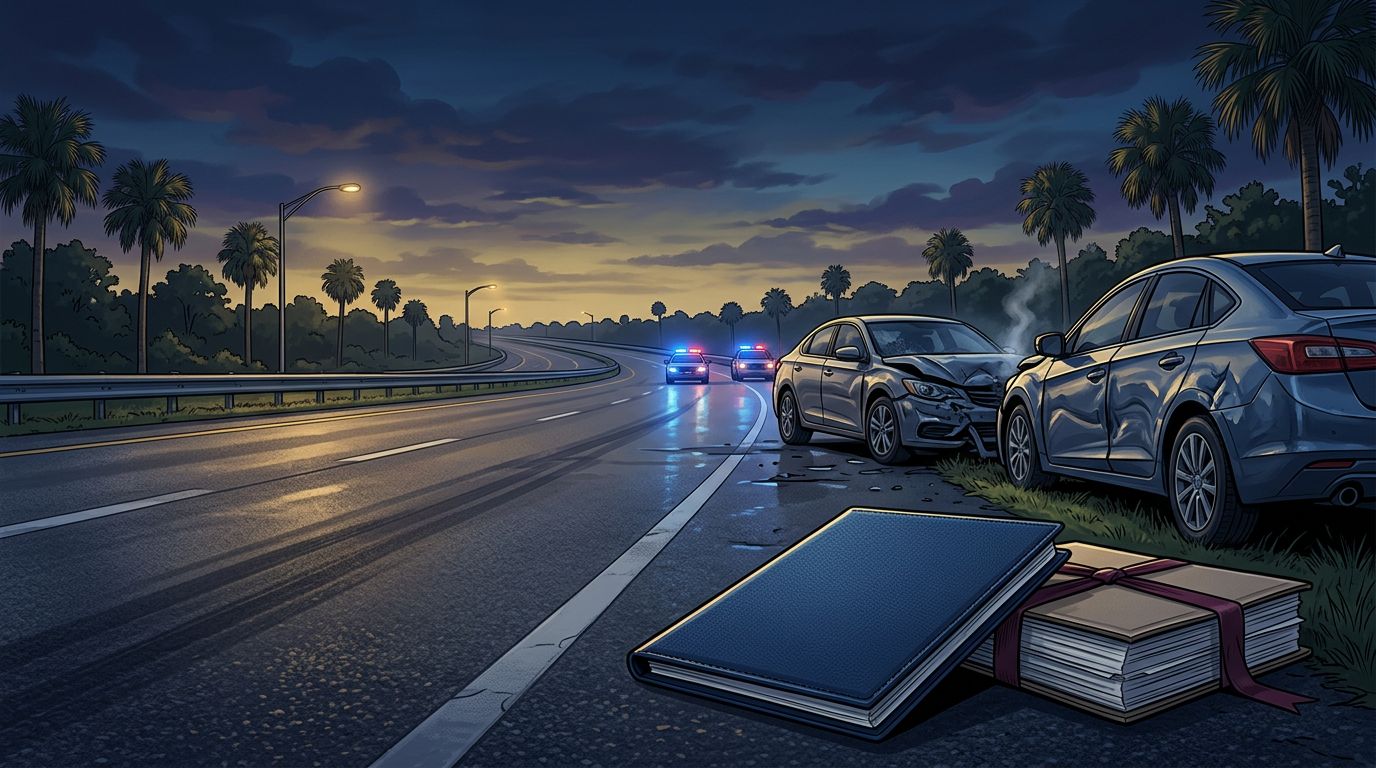
A fatality after a collision can leave you facing medical bills while the other driver’s family handles a funeral and probate. Florida car accident claims don’t automatically disappear when the person who caused the crash dies. However, the path to compensation can shift quickly from an ordinary insurance claim to an estate proceeding.
Your personal injury protection benefits, bodily injury claim, liability insurance, and possible employer coverage each involve different rules. Timing also matters. Florida generally gives two years for many negligence claims, while probate law creates separate deadlines that may expire sooner. The first step is identifying the available claim and the person legally authorized to resolve it.
How Florida car accident claims continue after an at-fault driver’s death
Florida law generally allows a personal injury claim to survive the at-fault driver’s death. The claim doesn’t become worthless because the defendant is no longer alive. Instead, the deceased driver’s estate becomes the party responsible for handling the legal claim.
A court-appointed personal representative manages the estate. That representative may be an executor, administrator, or another person appointed by the probate court. If you filed a lawsuit before the driver died, the court may require the personal representative to replace the deceased defendant in the case.
If you haven’t filed suit, you may need to present a creditor claim in the probate case. The process can involve both a civil lawsuit and a probate filing. A demand letter sent to the insurance company doesn’t necessarily satisfy the probate requirements.
The estate isn’t the same as the driver’s relatives. You generally can’t hold a spouse, child, or other family member personally responsible only because that person inherited property. A valid recovery may come from the estate’s available assets, an applicable insurance policy, or another responsible party.
The driver’s death also doesn’t prove negligence. You still need evidence showing that the driver caused the crash and that the collision caused your injuries. Useful evidence may include:
- The crash report, photographs, traffic-camera footage, and nearby business video.
- Statements from witnesses, passengers, and responding officers.
- Medical records connecting your treatment to the collision.
- Pay records and employer information supporting lost-income damages.
- Vehicle data, photographs, repair records, and available cell phone evidence.
The investigation may also reveal another source of responsibility. For example, if the driver was working within the scope of employment, the employer might face separate liability. The employer’s insurance may provide a path to recovery outside the driver’s personal estate. Learn more about Florida car accident claims involving employers when a work-related driver caused the collision.
Does the deceased driver’s insurance still cover the claim?
The driver’s death doesn’t automatically cancel an auto liability policy. The policy may still provide a defense and indemnity for a covered accident, subject to its terms, exclusions, and limits. The insurer may communicate with the estate’s representative and negotiate a settlement.
Insurance coverage isn’t the same as guaranteed payment. The carrier may dispute fault, causation, the severity of your injuries, or whether the policy covers the vehicle and driver. It may also argue that the available policy limit is the most it must pay.
Florida’s no-fault system adds another layer. Your own personal injury protection, or PIP, usually pays initial covered medical expenses and a portion of lost income regardless of who caused the crash. PIP commonly covers 80% of reasonable medical expenses and 60% of lost wages, subject to the policy limit and statutory requirements. Treatment timing matters, so seek medical care promptly after the collision.
A bodily injury claim against the at-fault driver is separate from PIP. It may seek damages for losses PIP doesn’t cover, including deductibles, unpaid medical expenses, future care, lost earning capacity, and qualifying pain and suffering. Florida’s no-fault rules generally require a serious injury before an injured person can recover non-economic damages from the at-fault party.
You may also have uninsured or underinsured motorist coverage through your own policy. That coverage can matter when the deceased driver had no insurance or carried limits below the value of your losses. Review the policy and provide timely notice before assuming the coverage applies.
Deadlines that can control a Florida car accident claim
A deceased defendant creates two separate clocks. The ordinary deadline for a lawsuit and the deadline for filing a claim in probate are different.
A lawsuit deadline doesn’t replace the probate deadline. A claim can be timely under one rule and barred under the other.
For many newer negligence claims, Florida generally provides two years from the date of the crash. The state’s limitations law changed on March 24, 2023, so the accident date matters. Older crashes may fall under the prior limitations period or another exception.
If probate has been opened, a creditor claim against the estate generally must be filed by the later of three months after the first publication of the Notice to Creditors or 30 days after service of the notice on a creditor who must receive it. Florida’s creditor claim statute contains the filing requirements and exceptions.
Florida also imposes an outside deadline. Under the state’s non-claim statute, an action against the estate, personal representative, or beneficiaries generally cannot proceed more than two years after the driver’s death. That deadline may apply even if nobody opened probate promptly. The Florida estate time limit makes waiting especially dangerous.
| Situation | Deadline that may apply |
|---|---|
| Negligence claim for many newer crashes | Generally two years after the crash |
| Claim against an opened estate | Later of three months after first publication or 30 days after required service |
| Outside probate cutoff | Generally two years after the driver’s death |
| Wrongful death of an injured person | Generally two years after the date of death |
These deadlines can overlap. For example, the driver might die 18 months after the crash. Your ordinary negligence deadline could be approaching, while the estate’s notice deadline could arrive shortly after probate begins. A lawyer should calculate each date separately rather than rely on one general deadline.
A wrongful death claim is different from a personal injury claim against a deceased driver. If your family member died because of the crash, the personal representative may bring a wrongful death action for eligible survivors under Florida law. The Florida Wrongful Death Act addresses recoverable damages and survivor rights. The driver’s death doesn’t turn your own injury claim into a wrongful death case.
What compensation may be available?
A claim may include the losses caused by the collision, but the amount depends on evidence, insurance, and available assets. Potential damages include past medical care, reasonably expected future treatment, lost wages, reduced earning capacity, property damage, and pain and suffering when Florida’s serious-injury threshold is met.
PIP may pay part of medical bills and lost income first. A later bodily injury settlement should account for payments already made and any valid reimbursement claims. Medical providers, health insurers, Medicare, Medicaid, or other benefit programs may assert liens or repayment rights.
The estate’s value also affects collection. Probate assets may include bank accounts, investments, vehicles, or other property, but some assets can receive legal protection or have priority claims against them. A judgment doesn’t guarantee that every dollar can be collected from the estate.
Insurance may provide the practical source of payment. If the policy limit is low, an attorney may evaluate additional coverage through your own UM or UIM policy, an employer, a vehicle owner, or another potentially responsible party. Those options depend on facts and policy language.
Steps to protect your claim after the driver dies
Act promptly when you learn that the at-fault driver has died. The following steps can protect evidence and preserve available avenues for compensation:
- Report the loss to your insurers. Notify your PIP carrier and any UM or UIM insurer. Follow policy notice requirements, even if the other driver’s insurer has contacted you.
- Find the probate case. Search the clerk’s records in the county where the estate is being administered. Identify the case number, personal representative, attorney, and date the Notice to Creditors was first published.
- Preserve the accident evidence. Keep medical records, bills, wage documents, photographs, repair estimates, and insurance correspondence. Ask businesses or government agencies to preserve video before routine deletion.
- File the required estate claim. A formal statement of claim may need to be filed with the probate clerk. If the personal representative disputes it, the matter may require a separate civil action. Filing only an insurance demand may leave the probate requirement unmet.
- Avoid signing a release too soon. An insurer may offer policy limits while other claims remain unexamined. A release can end your rights against the estate, insurer, employer, or other parties named in the agreement.
- Get legal advice before a deadline arrives. A Florida personal injury lawyer can examine fault, coverage, probate filings, serious-injury requirements, and possible liens together. You can speak with Florida car accident attorneys about the effect of the driver’s death on your case.
A lawyer may also determine whether opening an estate is necessary when no probate case exists. That decision depends on the driver’s assets, insurance, applicable deadlines, and the value of the claim.
Conclusion
A driver’s death changes who handles a Florida crash claim, but it doesn’t automatically eliminate your rights. Your PIP benefits may continue, while a bodily injury claim can proceed against the estate, an insurer, an employer, or another responsible party.
The most serious risk is waiting while probate deadlines run. Confirm the driver’s estate status, preserve your evidence, notify applicable insurers, and have every deadline reviewed before accepting payment or signing a release. In Florida car accident claims, prompt legal action can matter as much as the strength of the evidence.