
Florida Dangerous Instrumentality Claims for Borrowed Cars
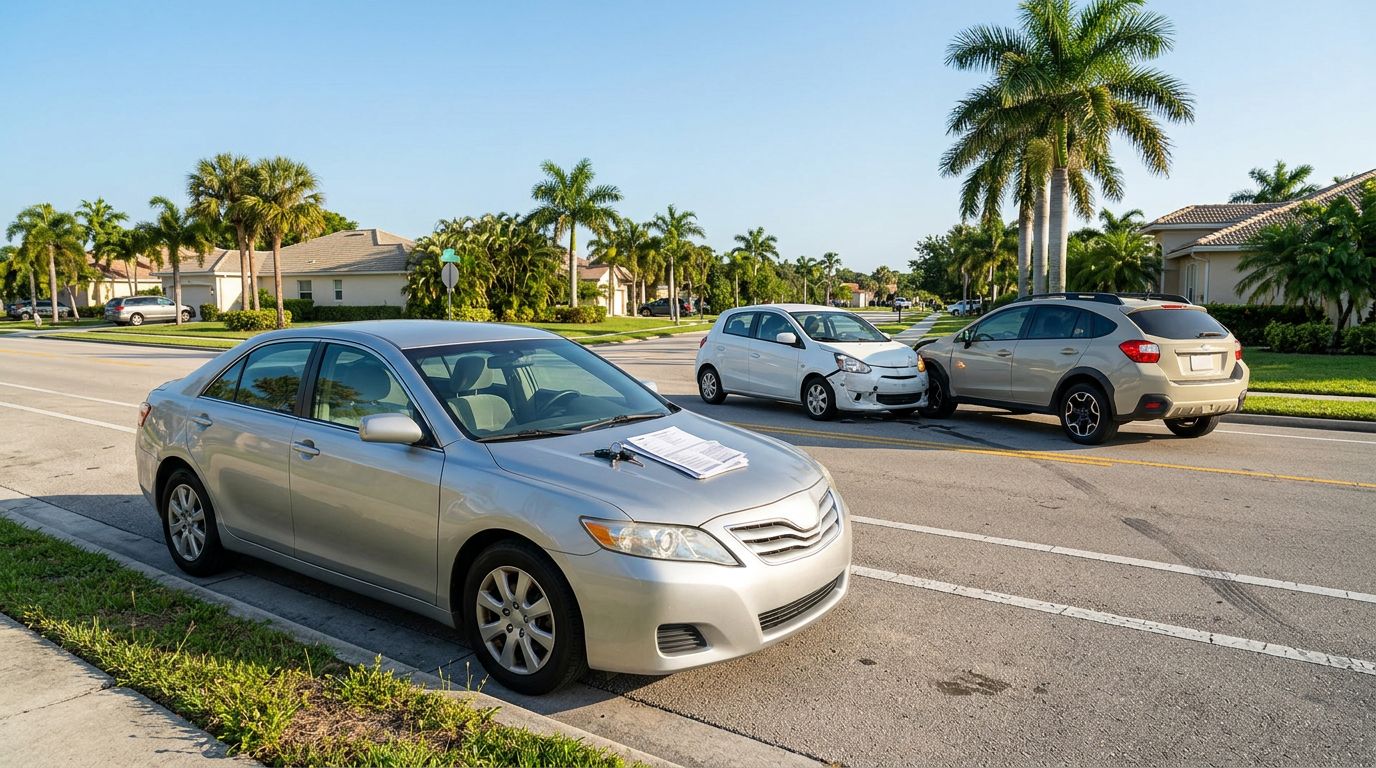
A borrowed car crash can create a claim against someone who never touched the steering wheel. In Florida, Florida dangerous instrumentality claims may hold a vehicle owner vicariously liable when the owner gave another person permission to drive and that driver caused a negligent collision.
That rule matters when the at-fault driver has little insurance or denies responsibility. Ownership alone doesn’t win the case, however. You must connect the crash to negligent driving, prove the defendant’s legal relationship to the vehicle, and address consent, exceptions, insurance, and deadlines.
How Florida dangerous instrumentality claims work
Florida’s dangerous instrumentality doctrine treats motor vehicles as dangerous instrumentalities because they can cause serious harm when operated negligently. Under this rule, an owner who voluntarily allows another person to use a vehicle may be responsible for injuries caused by that person’s negligent driving.
The doctrine creates vicarious liability. In other words, the owner may face liability even without proof that the owner drove carelessly, failed to maintain the car, or knew the driver would cause a crash. The driver’s negligence remains the foundation of the claim.
Florida first applied the doctrine to automobiles in Southern Cotton Oil Co. v. Anderson in 1920. Since then, courts have applied it to other motorized vehicles, including certain golf carts and heavy equipment. A Florida Senate analysis of the doctrine describes its development and the types of vehicles that may fall within its scope.
To pursue a claim after a borrowed car crash, an injured person generally must show:
- The driver owed a duty to operate the vehicle with reasonable care.
- The driver breached that duty through conduct such as speeding, distraction, impairment, or running a traffic signal.
- The crash caused the claimed injuries and losses.
- The defendant owned the vehicle or had a legal status that creates responsibility under Florida law.
- The owner gave the driver express or implied permission to use the car, unless another legal theory applies.
The doctrine doesn’t eliminate the need to prove medical causation or damages. A crash report may show how the collision happened, but medical records must connect the injuries to that event.
Permission matters after a borrowed car crash
Most borrowed vehicle cases turn on whether the driver had permission to use the car. Permission can be direct, such as handing someone the keys and saying they may drive. It can also be implied through conduct, past use, family arrangements, or regular access to the vehicle.
Text messages, emails, witness statements, and insurance records can help establish consent. The owner’s statements after the crash may also matter. For example, an owner who initially says a relative regularly used the car may later struggle to claim that the driver took it without permission.
Florida courts have generally treated permission broadly. A driver may remain a permissive user even when taking an unexpected route or making an unauthorized stop. A minor departure from the owner’s instructions doesn’t automatically end the owner’s responsibility. The facts matter, including what the owner allowed, what the driver understood, and whether the use fell outside the parties’ arrangement.
The issue becomes harder when the driver took the vehicle without consent. Theft, unauthorized use, or a clear withdrawal of permission can support the owner’s defense. Still, the owner might face separate claims for negligent entrustment if the owner knowingly gave the vehicle to an unsafe driver.
A vehicle owner who knew the driver had no license, had a history of dangerous driving, or was visibly impaired may face additional allegations. Those claims are separate from dangerous instrumentality liability because they focus on the owner’s own conduct.
Who counts as the owner under Florida law?
The person listed on the title is usually the starting point, but title doesn’t answer every ownership question. Courts may examine who had beneficial ownership, who controlled the vehicle, and who had the right to possess or use it.
Florida’s Supreme Court addressed this issue in Emerson v. Lambert, 374 So. 3d 756 (Fla. 2023). The Court held that a person who merely possesses a vehicle as a bailee doesn’t become vicariously liable under the dangerous instrumentality doctrine based on bailee status alone. The decision rejected liability against a mother who had possession of the vehicle but did not qualify as its owner under the doctrine.
That ruling matters when a borrowed vehicle passes through several hands. Suppose a person borrows a car and then allows another driver to use it. The original title owner, the borrower, and the driver may have different legal positions. A court must examine each person’s relationship to the vehicle and the permission given.
Florida courts also apply dangerous instrumentality principles to some vehicles besides ordinary cars. In Meister v. Fisher, the Florida Supreme Court held that a golf cart operated on a golf course could fall within the doctrine. Avard Law discusses related issues in its guide to a Florida golf cart accident injury claim.
A borrower is not automatically treated as the vehicle owner, but the owner may still face liability if the evidence shows permissive use.
Exceptions and defenses that can limit owner liability
Florida dangerous instrumentality claims have important limits. Insurance companies often investigate these exceptions when deciding whether to accept or contest responsibility.
The shop rule may protect an owner who leaves a vehicle with a repair shop. If an employee or customer causes a crash while using the vehicle for the shop’s business, the shop may be responsible instead of the title owner. The exact facts and purpose of the vehicle’s use still matter.
A person who holds only bare legal title may also have a defense when that person lacks beneficial ownership or control. This issue can arise after a sale, during certain financing arrangements, or when ownership paperwork doesn’t match the actual transaction.
Rental and leasing arrangements require separate analysis. Federal law and Florida statutes can limit when a rental company or lessor is responsible for a customer’s crash. The company’s ownership of the vehicle doesn’t automatically create unlimited liability.
The doctrine also has a narrow limitation involving weapon-like use. In Sager v. Blanco, a Florida appellate court explained that liability may depend on whether the driver’s intentional or weapon-like use of the vehicle was reasonably foreseeable. Ordinary reckless driving, speeding, or even serious misconduct doesn’t automatically remove owner liability. The defense is stronger when the driver used the vehicle as a weapon with an intent to cause physical injury.
Company vehicles create another important issue. In a June 25, 2025 decision, Florida’s Fourth District Court of Appeal reversed summary judgment for an employer after an employee caused a crash while driving a company vehicle under the influence. The court held that company policies alone may not defeat liability when the employer gave the employee possession of the vehicle. The decision described the employer’s duty as nondelegable, even when the driver violated instructions.
Insurance, PIP, and compensation after the crash
Florida’s no-fault system usually requires injured people to turn first to available Personal Injury Protection, or PIP, benefits. PIP may cover part of medical expenses and lost income regardless of who caused the collision, subject to policy terms and statutory requirements.
PIP doesn’t replace a bodily injury claim. When another driver’s negligence causes significant harm, the injured person may pursue compensation against the driver and a legally responsible owner. Florida’s no-fault law generally requires a qualifying permanent injury, significant and permanent scarring or disfigurement, or death before an injured person can recover pain and suffering damages from the at-fault party.
A claim may include:
- Past and future medical treatment.
- Lost wages and reduced earning ability.
- Pain, disability, and emotional distress.
- Permanent scarring, disfigurement, or loss of bodily function.
- Property damage and related out-of-pocket costs.
- Wrongful death damages when the crash kills a family member.
The available insurance can affect the practical value of a claim. The owner’s policy may provide coverage for a permissive driver, but the insurer may dispute permission, policy conditions, or the extent of coverage. The driver may also have separate coverage, such as an employer policy or an applicable umbrella policy.
A liability finding doesn’t guarantee full payment. If the available insurance is limited and the at-fault parties have few assets, collection may become a serious concern. An attorney can review the policies and identify every potentially responsible party before you accept a settlement.
Evidence that can strengthen a borrowed car claim
Evidence about the vehicle and permission can disappear quickly. An owner may sell the car, repair it, delete messages, or change the account of what happened. Begin preserving records as soon as possible.
Important evidence may include:
- The crash report, citations, 911 records, and witness contact information.
- Vehicle title, registration, purchase records, and financing documents.
- Text messages, emails, or social media messages about borrowing the car.
- Photos, traffic-camera footage, surveillance video, and dashcam recordings.
- Vehicle data, maintenance records, and inspection reports.
- Medical records, bills, prescriptions, and work restrictions.
- Pay records or employer documentation showing lost income.
- Insurance policies, claim letters, recorded statements, and settlement offers.
Seek medical care promptly, even when symptoms seem minor. Neck injuries, concussions, back injuries, and internal trauma may worsen after the initial impact. A gap in treatment gives an insurer an argument that the injury came from another event.
Don’t sign a broad release before understanding all injuries and insurance sources. A settlement with the driver may affect claims against the vehicle owner or other parties.
Deadlines and the right time to seek legal help
Florida generally provides two years to file a negligence lawsuit for crashes occurring on or after March 24, 2023, under section 95.11(4)(a), Florida Statutes. Older crashes may fall under a different deadline. Claims involving a government vehicle, wrongful death, minors, or unusual insurance issues may have additional rules.
Comparative fault can also reduce recovery. For negligence claims governed by Florida’s current modified comparative fault law, a person found more than 50% responsible for the harm may be barred from recovering damages. A lower percentage of fault can reduce the award.
Contact a Florida personal injury attorney before giving a recorded statement or accepting a settlement. Early legal review can clarify who owned the vehicle, whether permission existed, which exceptions might apply, and what evidence needs preservation.
Conclusion
A borrowed car crash can create liability beyond the person who caused the collision. Under Florida’s dangerous instrumentality doctrine, a vehicle owner may owe compensation for a permissive driver’s negligence even when the owner wasn’t present.
The strongest Florida dangerous instrumentality claims connect four facts: ownership or legal responsibility, permission, negligent driving, and provable injury. Prompt medical care, careful evidence preservation, and an early review of insurance coverage can protect your ability to seek fair compensation.