
Florida Dram Shop Claims After a Drunk Driving Crash
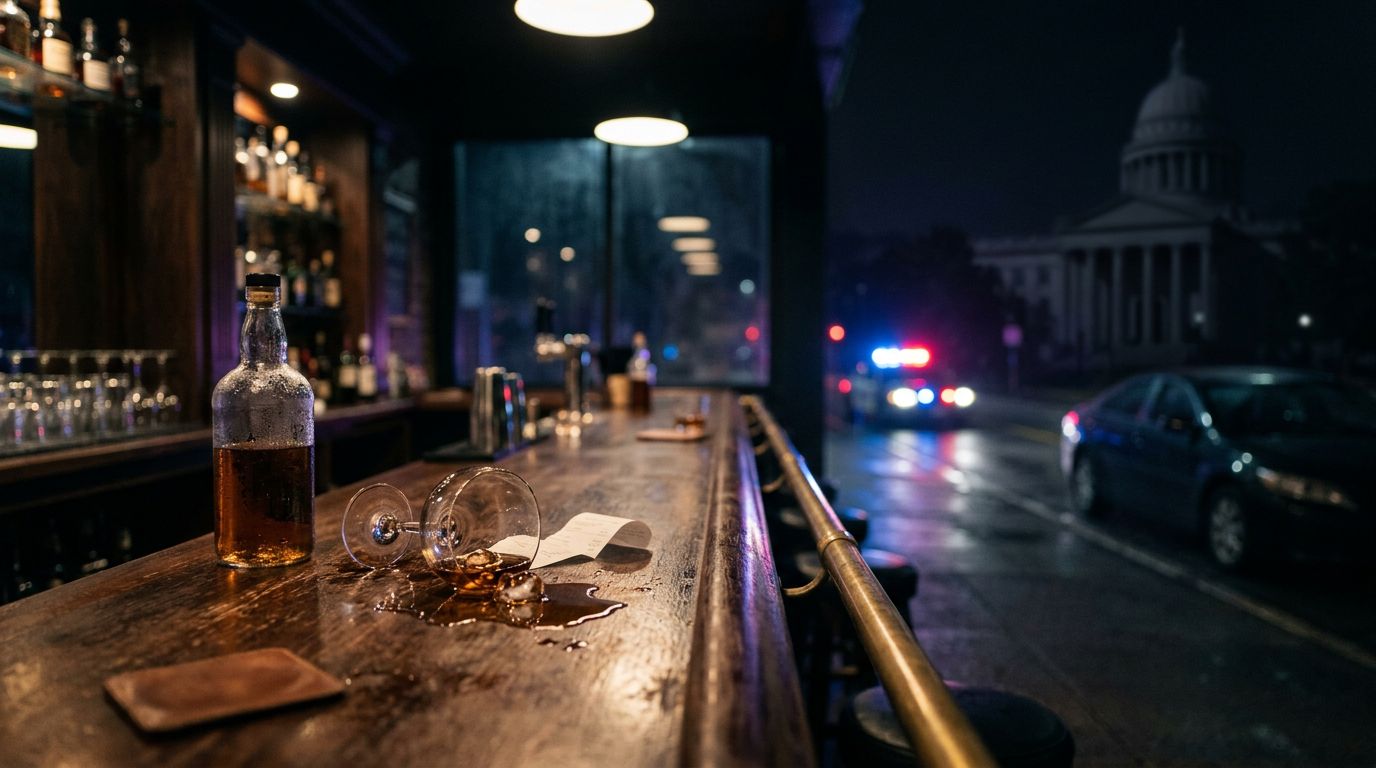
A drunk driving crash can create more than one legal claim. In some cases, Florida dram shop claims may allow an injured person to pursue compensation from the bar, restaurant, or other alcohol seller that supplied the driver. However, Florida law limits these claims to two narrow situations.
The evidence often disappears quickly. Surveillance footage may be erased, receipts may become difficult to locate, and witnesses may forget what they saw. Understanding the law early can help you identify the right defendants and preserve the facts that support your case.
Key Takeaways
- Florida Statute 768.125 generally protects alcohol sellers from liability for an adult customer’s intoxication.
- A claim may exist when a seller willfully and unlawfully provides alcohol to someone under the lawful drinking age.
- A claim may also exist when a seller knowingly provides alcohol to someone habitually addicted to alcohol.
- The drunk driver usually remains a separate and important defendant.
- Receipts, surveillance video, witness accounts, toxicology results, and service records can help prove the claim.
How Florida’s Dram Shop Law Works
Florida follows a narrow dram shop rule. Under Florida Statute 768.125, a person who sells or furnishes alcohol to someone of lawful drinking age generally isn’t liable for injuries caused by that person’s intoxication.
The law creates two exceptions:
- The seller willfully and unlawfully sells or furnishes alcohol to a person who isn’t of lawful drinking age.
- The seller knowingly sells or furnishes alcohol to a person who is habitually addicted to alcohol.
These requirements matter. Serving several drinks to an adult who later causes a crash does not automatically create liability for the establishment. The injured person must connect the alcohol service to one of the statutory exceptions.
For an underage-service claim, the evidence must show more than a simple mistake. A seller’s failure to check identification may not satisfy the willful and unlawful standard in every case. Facts such as altered identification, repeated admissions of the customer’s age, prior warnings, or deliberate disregard of age information may become important.
The habitual-addiction exception also requires proof of knowledge. A visibly intoxicated customer isn’t automatically a person the establishment knew was habitually addicted to alcohol. The investigation may need to show prior dealings, statements by the customer, warnings from others, or conduct that gave employees actual knowledge of the addiction.
Because the statute is narrow, these claims require careful factual analysis. The name of the bar alone doesn’t establish responsibility.
When Florida Dram Shop Claims May Apply
A claim involving an underage customer may arise when a business knowingly provides alcohol to someone under 21. The exact facts can include the customer’s age, the identification shown, employee training, point-of-sale records, and whether staff received warnings before serving the person.
A second type of claim involves a customer who is habitually addicted to alcohol. This exception doesn’t cover every person who drinks too much on one night. The issue is whether the seller knew about a continuing alcohol addiction and still furnished alcohol.
That distinction can make these cases difficult. A business may argue that employees had no actual knowledge of the person’s addiction. The claimant may need circumstantial evidence, such as the customer’s repeated visits, previous incidents, statements to staff, or warnings from family members and other patrons.
The crash itself must also connect to the alcohol service. A claimant may need to prove that the service helped cause the driver’s intoxication and that the intoxication caused the collision. Police reports, breath or blood test results, admissions, witness statements, and the timing of the customer’s visit can all help establish that connection.
The alcohol seller may also dispute causation. For example, the driver may have consumed alcohol at several locations, taken prescription drugs, or driven recklessly for reasons unrelated to intoxication. These facts don’t automatically defeat a claim, but they can affect the investigation and the amount of available compensation.
The Drunk Driver Is Usually a Separate Defendant
A dram shop claim doesn’t replace the claim against the intoxicated driver. The driver’s conduct remains central because the driver operated the vehicle and caused the crash.
The driver may have personal automobile insurance. The policy can provide coverage for medical expenses, lost income, pain and suffering, property damage, or wrongful death damages, depending on the facts and policy limits. If the driver’s coverage is insufficient, an injured person may also need to review uninsured or underinsured motorist coverage.
Other parties may have responsibility in certain cases. An employer could become involved if the driver was working at the time of the collision. A vehicle owner, transportation company, or another negligent motorist may also contribute to the crash.
A complete investigation should identify every possible source of compensation. This is especially important after a serious injury, because one insurance policy may not cover long-term medical care, reduced earning capacity, or permanent limitations.
People dealing with these issues can review Avard Law Offices’ information about Florida car accident claims for related questions involving drivers, employers, insurance, and evidence.
Evidence That Can Support an Alcohol Liability Claim
Alcohol-related evidence often becomes harder to obtain with time. A business may overwrite surveillance footage, discard sales records, or lose access to employees who worked that night. A prompt investigation can help preserve information before it disappears.
Useful evidence may include:
- The crash report and any traffic citations
- Breath, blood, or urine test results
- Bar, restaurant, or store receipts
- Credit card and point-of-sale records
- Surveillance video from the business or nearby locations
- Witness names and statements
- Employee schedules and training records
- Text messages, social media posts, or admissions about drinking
- Photographs of the crash scene and vehicle damage
- Medical records documenting the injuries
- Records showing lost wages or reduced work capacity
The crash report may identify where the driver had been drinking, but it may not tell the entire story. Witnesses could have seen the driver leave an establishment, heard staff discuss the driver’s condition, or observed the driver being served after showing questionable identification.
An attorney may send a preservation request to the business. That letter can identify the date, approximate time, customer, and materials that should be retained. The business may still dispute the claim, but preserving records can prevent avoidable evidence problems.
Medical documentation is equally important. Follow treatment instructions, attend appointments, and keep records of symptoms and limitations. Gaps in treatment can give an insurer an argument that the injuries are less serious than claimed.
What Compensation May Be Available?
Compensation depends on the injury, the available insurance, the evidence, and the claimant’s role in the crash. A successful claim may seek damages for:
- Emergency care and ongoing medical treatment
- Rehabilitation, medication, and medical equipment
- Lost wages and reduced future earning capacity
- Physical pain and emotional distress
- Permanent impairment or disfigurement
- Vehicle damage and other financial losses
- Funeral costs and lost support in a wrongful death case
Florida’s fault rules can affect the final recovery. The defense may argue that the injured person contributed to the crash or that another party caused part of the harm. The driver’s intoxication, the road conditions, vehicle problems, and the conduct of other motorists may all become part of the fault analysis.
Insurance companies may also separate the driver’s liability claim from any claim against the alcohol seller. They may request broad records, question the severity of the injuries, or argue that the establishment falls within Florida’s general protection for alcohol providers.
For serious injuries, a lawyer can investigate the alcohol seller while handling communications with insurers. Avard Law Offices provides information about Florida car accident attorneys and the evidence often needed after a collision.
Steps to Take After a Crash Involving Alcohol
Seek medical care first, even if your symptoms seem manageable. Some injuries become more apparent hours or days after a collision. Call law enforcement and obtain the crash report when it becomes available.
Next, preserve information about the driver’s drinking. Write down what you remember about statements made at the scene, where the driver said they had been, and whether anyone mentioned a bar, restaurant, party, or store. Ask witnesses for contact information if you can do so safely.
Don’t contact the suspected alcohol seller to argue about the incident or demand payment. A conversation with an employee may create confusion about what was said, and the business may refer all communications to an insurer or lawyer. Instead, provide the information to your attorney so the evidence can be requested properly.
Avoid posting details about the crash or your injuries on social media. Insurers and defense attorneys may review public posts and use photographs, comments, or location information to challenge a claim.
Finally, get legal advice promptly. Florida deadlines vary according to the type of claim and the facts involved. Waiting can affect witness memories, business records, medical evidence, and your ability to identify all responsible parties.
Choose Representation Based on the Full Investigation
Florida dram shop claims are more demanding than ordinary accident claims because the statute protects most alcohol sellers from liability. The case may depend on proving underage service, actual knowledge of habitual addiction, causation, and the full extent of the injuries.
A careful review should include the driver, the alcohol seller, insurance policies, available records, and every fact surrounding the crash. If you or a family member was injured, speaking with a Florida personal injury attorney can help protect evidence and clarify your legal options.
Conclusion
A drunk driving crash may involve more than the driver’s insurance claim. Florida dram shop claims can provide another path to compensation when an alcohol seller willfully serves an underage person or knowingly serves someone habitually addicted to alcohol.
The law’s limits make early evidence collection important. Preserve the crash records, identify where the driver drank, document your medical care, and obtain advice before critical information disappears.