
Florida Hospital Fall Claims and Bedside Monitoring
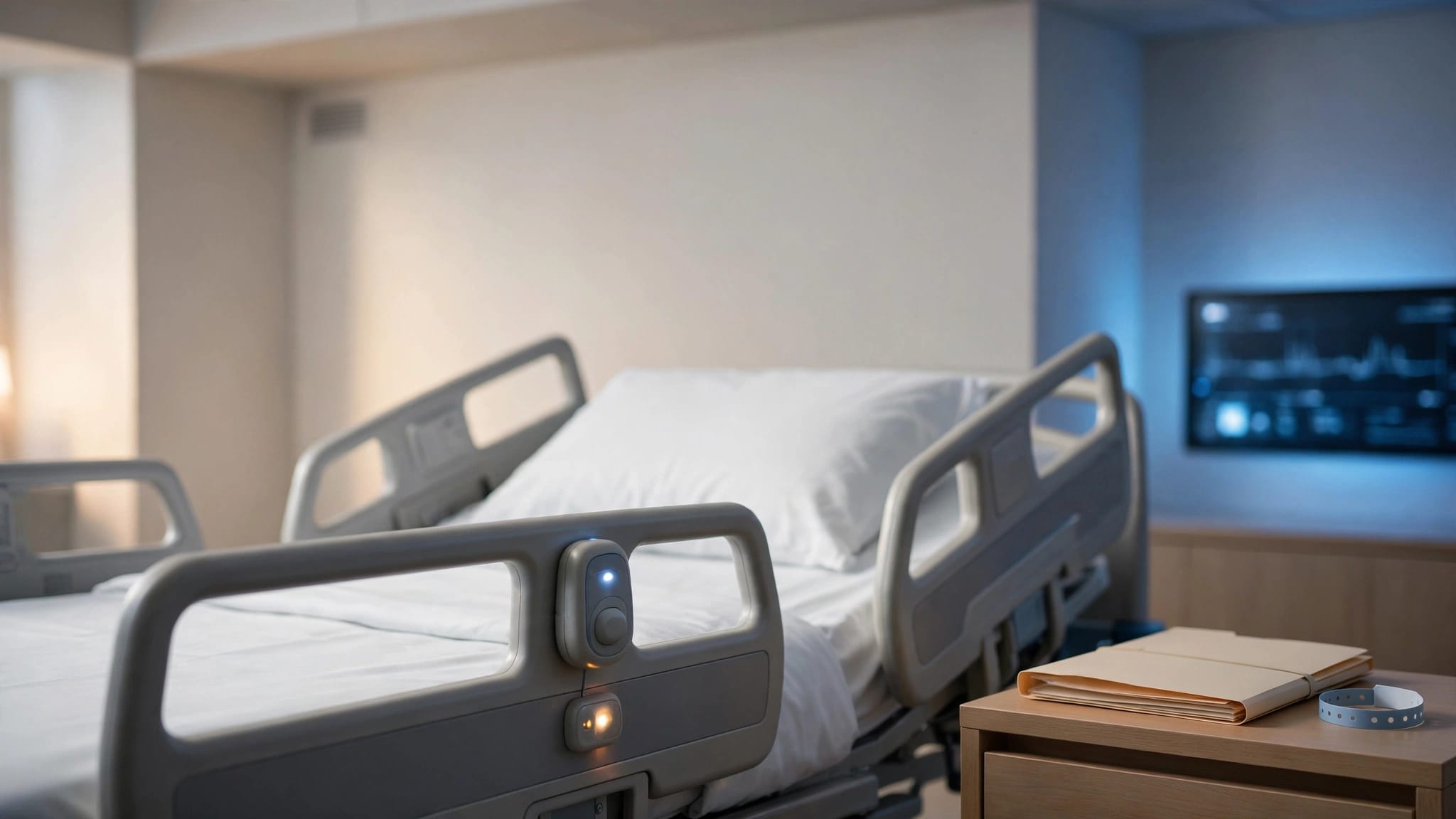
A hospital fall can leave a patient with a fractured hip, brain injury, or a long rehabilitation, yet the fall itself may reveal only part of what went wrong. Florida hospital fall claims often turn on the minutes before the incident: whether staff identified the risk, answered a call light, responded to an alarm, or checked a patient whose condition had changed.
Hospitals cannot prevent every fall. However, a preventable fall may support a medical negligence claim when poor bedside monitoring or a missed safety measure caused additional harm.
The medical record, device data, and staff timeline often provide the clearest answers.
What a bedside monitoring failure can look like
Bedside monitoring is more than a bed alarm. It includes risk assessments, nursing rounds, call-light response, transfer assistance, handoffs, and follow-up after medication, surgery, or a change in mental status.
Missed warnings before a patient tries to move
A patient may become unsteady after anesthesia, pain medication, blood-pressure medication, or a new diagnosis. Confusion, dizziness, weakness, and a prior fall can also raise the risk.
When staff document those conditions, the care plan should address them. Depending on the patient’s needs, precautions may include assisted bathroom trips, frequent checks, a low bed, non-slip footwear, mobility devices, or an activated alarm.
A failure can occur when a nurse identifies a high fall risk but does not follow the ordered precautions. It can also occur when staff leave a patient without needed help after repeated requests to use the bathroom.
A fall-risk score matters most when it leads to a clear safety plan that staff carry out across every shift.
Alarms and call lights can create a timeline
Alarm records may show whether a bed or chair alarm was active, when it sounded, and whether anyone responded. Call-light logs may identify how long a patient waited for assistance. Neither type of record proves negligence by itself, but both can test the hospital’s account.
For example, nursing notes may state that staff found a patient immediately after a fall. An alarm timestamp or call-light record might support that account, or it might show an unexplained gap. Bed alarm records in patient fall cases can help clarify whether a bedside safety device was ordered, used, and answered.
When Florida hospital fall claims may support malpractice
A bad outcome alone does not establish medical malpractice. Florida hospital fall claims require proof that a health care provider fell below the applicable professional standard of care, that the failure caused injury, and that the injury resulted in compensable losses.
The patient’s condition sets the standard of care
The expected precautions depend on the facts. A healthy visitor who slips in a lobby presents a different legal issue than a postoperative patient with documented weakness, delirium, and orders for assisted transfers.
Medical experts typically review the chart to determine what a reasonably careful provider should have done under similar circumstances. They may consider the patient’s medication, surgery, vital signs, mobility status, prior falls, cognitive condition, and instructions from the treating physician.
The AHRQ Fall TIPS program describes a practical hospital safety process: assess fall risk, create an individualized prevention plan, and consistently carry out that plan. A missed step does not automatically prove liability, but it may be important evidence.
Hospitals may share responsibility for nursing failures
A hospital can face liability for negligent nursing care, staffing, supervision, or its own safety policies. The facts may also involve physicians, hospital-employed therapists, independent practice groups, residents, or other providers.
Teaching hospitals can add another layer of review. Resident supervision, attending physician involvement, unit policies, and shift assignments may all matter. Florida nurse negligence and hospital liability explains why identifying each potential defendant early is important.
A family should not assume that a nurse’s badge alone settles the question. Employment records, provider contracts, billing statements, and patient-facing materials can help identify who was responsible for the care.
Records that may show what happened
Hospitals create records throughout a patient’s stay, but no single document tells the full story. A strong review compares the clinical chart with time-stamped system records and the patient’s actual injuries.
Start with the medical chart and staffing trail
Request the complete hospital record, not only the discharge summary. Relevant materials can include fall-risk assessments, nursing notes, physician orders, medication administration records, vital signs, care plans, therapy records, and shift handoff notes.
Also preserve staff assignment sheets and unit census information when available. These records may show who had responsibility for the patient, whether a nurse changed shifts shortly before the fall, and whether the unit faced unusual patient volume.
Look closely at entries made after the incident. A late note, altered timeline, or record that conflicts with an incident report deserves careful review. Still, a documentation gap is not proof by itself. It becomes meaningful when other evidence supports the same concern.
Preserve electronic and physical evidence quickly
Some evidence may disappear quickly. Ask in writing that the hospital preserve relevant alarm data, call-light activity, telemetry records, electronic audit trails, and available video footage. A camera may not capture the fall itself, yet it can show hallway activity, staff response, or whether anyone entered the room.
Keep a personal timeline with the date, time, hospital unit, room number, names or roles of staff, and the words used when the hospital notified the family. Save texts, emails, billing statements, photographs of bruising, footwear, mobility aids, and contact information for witnesses.
If monitoring concerns followed surgery, Florida claims involving inadequate postsurgical monitoring may involve additional evidence, such as oxygen checks, sedation assessments, and rapid-response records.
Protect the patient’s health and the early evidence
Medical needs come first. Seek prompt evaluation for pain, confusion, vomiting, new weakness, severe headache, or trouble walking after a hospital fall. A fracture or head injury may not be obvious in the first hours.
Ask direct questions before memories fade
Families can ask the charge nurse or treating physician what staff observed before the fall, whether the patient had been classified as high risk, and what precautions were ordered. Write down the answers with the speaker’s name and the time.
Request copies of discharge paperwork and imaging reports. If the patient transfers to rehabilitation or another facility, give the new care team an accurate account of the fall and any symptoms that developed afterward. That continuity can protect the patient’s health and document the progression of injury.
Avoid relying on an internal investigation
A hospital may investigate and issue an incident report. That process can provide useful information, but it does not decide legal responsibility or preserve a lawsuit deadline.
Florida’s Agency for Health Care Administration has an Office of Risk Management and Patient Safety, which provides assistance with incident reporting through AIRS. A report to AHCA does not replace a private claim, expert review, or the formal presuit process.
Do not sign a broad release or send a formal notice of intent without legal advice. Those documents can affect access to records, responsible parties, and future options.
Florida deadlines and presuit requirements
Timing requires early attention because medical malpractice claims follow a different procedure than many ordinary injury cases. Waiting for all treatment to end, a hospital response, or settlement discussions can put a claim at risk.
The two-year period and four-year outside limit
Under Florida Statutes section 95.11, a medical malpractice action generally must begin within two years of the incident or of discovering the injury and a possible negligent cause through reasonable diligence.
Florida also generally has a four-year statute of repose, measured from the alleged negligent act or omission. Limited exceptions can affect the analysis, including certain claims involving young children and cases involving fraud, concealment, or intentional misrepresentation.
The applicable deadline depends on the facts, treatment dates, discovery dates, claim type, and defendants. A public hospital or government-connected provider may raise separate notice requirements and recovery limits.
Expert review and the 90-day screening period
Before filing a medical negligence lawsuit, Florida requires a reasonable presuit investigation. The claimant must have reasonable grounds to believe negligence caused injury, supported by a verified written opinion from a qualified medical expert under section 766.104.
The claimant must then serve a notice of intent on each prospective defendant. Under section 766.106, recipients generally receive 90 days to investigate. The limitations period is tolled during that review period.
A missed provider, incomplete investigation, or defective notice can cause procedural disputes. Early legal review allows time to obtain records, identify responsible parties, and secure expert analysis.
Key takeaways for families after a hospital fall
- A hospital fall may raise a malpractice concern when evidence shows a known risk, missed monitoring, and an injury tied to that lapse.
- Preserve records early, including nursing notes, fall-risk assessments, medication records, alarm data, call-light logs, staffing information, photos, and witness details.
- The hospital’s internal review does not pause legal deadlines or establish liability.
- Florida’s medical malpractice process generally requires expert-backed presuit investigation and notice before a lawsuit can begin.
- Florida medical malpractice claims for hospital falls often depend on a detailed comparison of the safety plan, the monitoring record, and the injuries that followed.
Frequently asked questions about hospital fall cases
Does every patient fall create a Florida malpractice claim?
No. Falls can occur even when a hospital follows appropriate safety practices. A viable claim needs evidence that a provider failed to meet the applicable standard of care, that the failure caused the fall or worsened the outcome, and that the patient suffered actual harm.
A patient with no known risk factors may present a different case from someone who was sedated, confused, unable to walk safely, or documented as needing assistance.
Can a family obtain bed alarm and call-light records?
A family can request hospital records, although access to certain device logs, audit trails, and system data may require formal preservation efforts and legal review. These records can be important because they may establish timing more precisely than narrative notes.
The absence of an alarm record does not settle the issue. A lawyer and qualified expert must assess what equipment was available, what monitoring was ordered, and whether the hospital’s response met the professional standard of care.
What damages may be available after a preventable fall?
Damages depend on the harm caused by negligent care and the available proof. A claim may seek past and future medical expenses, rehabilitation costs, in-home assistance, lost income, reduced earning ability, pain, disability, disfigurement, and loss of enjoyment of life.
If the patient dies from fall-related injuries or complications, surviving family members may have a wrongful death claim. The proper parties and deadlines require a case-specific review.
A clear timeline can protect a family’s options
The central issue in a hospital fall case is often simple: did the care team recognize the patient’s risk and follow the monitoring plan when it mattered? The answer usually lies in records created before and after the fall.
Prompt medical care, preserved evidence, and early review give a family the best chance to understand whether a bedside monitoring failure caused preventable harm.