
Florida Insulin Mix-Up Claims: Why Blood Sugar Records Matter
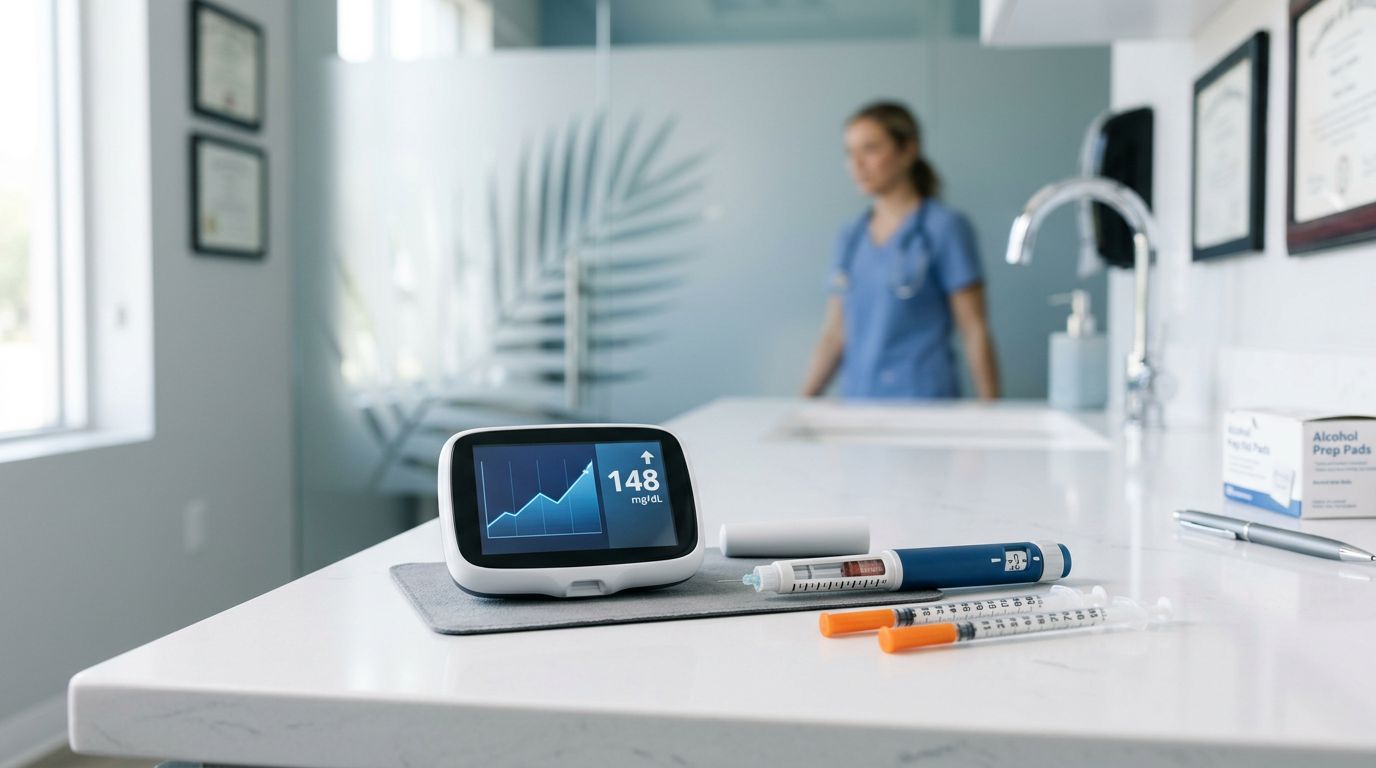
An insulin mix-up can push blood sugar out of range in minutes. When that happens, blood sugar records often become the clearest proof of what went wrong.
Those records can show when the numbers changed, how long they stayed unsafe, and whether the response matched the chart. For people looking at Florida insulin mix-up claims, that timeline matters from the start.
What counts as an insulin mix-up in Florida?
An insulin error can happen in more ways than most people expect. A nurse may give the wrong dose. A pharmacy may fill the wrong insulin. A provider may miss a scheduled dose, give it too late, or double it by mistake.
The problem can also start with a pump setting, a charting error, or a bad handoff between staff. In a hospital, nursing home, rehab center, or outpatient clinic, one wrong number can snowball fast. Too much insulin can drive glucose down. Too little can let it rise and stay high.
Not every bad result means negligence. Sometimes a person’s diabetes is hard to control. Still, a claim gets stronger when the timing points to a preventable mistake. If the record shows insulin was given, or withheld, and the blood sugar changed right after, that pattern matters.
A mix-up also becomes more serious when the patient ends up with symptoms like confusion, fainting, vomiting, or loss of consciousness. Those signs can point to a medical error rather than an ordinary fluctuation. In many cases, they fit the same warning pattern seen in other signs of medical malpractice in Florida.
Why blood sugar records matter so much
Blood sugar records do more than show a number. They show a timeline. That timeline helps tell the difference between an unlucky reading and a likely treatment mistake.
A finger-stick log, continuous glucose monitor report, and hospital lab result may each reveal something different. One record may show the glucose drop. Another may show when staff gave insulin. A third may show when the patient reached the ER or called 911.
That matters because insulin mix-up claims turn on causation. You need to connect the error to the harm. If the chart says insulin was given at 2:00 p.m. and the glucose fell hard by 2:30 p.m., that sequence may support the claim. If a dose was missed and sugar climbed over several hours, the pattern can help too.
Still, the records need context. A single high or low reading does not tell the full story. The stronger the case, the more the records line up with symptoms, treatment notes, and medication orders. Missing times, blank entries, or handwritten changes can also matter. They may show confusion, poor charting, or gaps in care.
The records that can help prove the timeline
A strong claim usually pulls together more than one type of record. The goal is to show what was ordered, what was given, and how the body responded.
| Record | What it can show | Why it matters |
|---|---|---|
| Home glucose log | Readings before and after the event | Helps show the patient’s normal pattern |
| CGM download | Continuous highs and lows with timestamps | Shows sudden drops or spikes clearly |
| Hospital chart and medication record | Ordered insulin and what was actually administered | Helps spot dose or timing errors |
| Lab tests, ER notes, EMS report | Symptoms, severity, and treatment response | Supports the injury and the timeline |
When these records line up, the case becomes easier to read. When they clash, the gap can matter just as much. A chart that says one thing and a glucose log that says another often deserves a closer look.
How Florida medical malpractice rules affect insulin claims
A blood sugar problem alone does not make a malpractice case. To move forward, the facts usually have to show duty, breach, causation, and damages. In plain terms, the provider had a duty to care for the patient, fell below the standard of care, caused harm, and left real losses behind.
That is why records matter so much in Florida insulin mix-up claims. They help connect the treatment error to the injury. They also help a medical professional review the file and explain whether the care was reasonable.
The legal rules matter too. Florida medical malpractice cases have strict requirements, and they often need expert support. For a closer look at those rules, see Florida medical malpractice legal requirements.
Deadlines can also be a problem. If too much time passes, even a strong claim can become harder to bring. That is one reason chart requests, pharmacy records, and glucose downloads should be saved early. The sooner the file is preserved, the harder it is for important details to disappear.
What to do after a suspected insulin error
If you think an insulin mix-up happened, the first hours matter. Medical care comes first, of course, but records should be protected right away.
- Get medical help if the person is confused, fainting, vomiting, having a seizure, or struggling to wake up.
- Save every glucose reading you can find, including meter photos, app screenshots, and CGM reports.
- Keep the insulin box, pen, vial, prescription label, and any discharge papers.
- Write down the dose, time, symptoms, meals, and the names of the people who gave care.
- Ask for the full chart, including medication administration records, lab results, and ER notes.
- Speak with a Florida attorney before records are lost, changed, or explained away.
The strongest claims are built early. Once the timeline gets scattered, it becomes much harder to show what happened.
A mix-up often leaves the same kind of red flags found in other medical error cases, especially when staff miss a dose, chart the wrong amount, or ignore a dangerous glucose pattern. If that sounds familiar, review the same warning signs of medical malpractice in Florida that often show up in preventable injury claims.
Conclusion
An insulin error can turn a normal day into a medical crisis. After that, the records become more than paperwork, they become the story of what happened and when.
That is why blood sugar records matter so much in Florida insulin mix-up claims. They can show the timeline, support causation, and reveal whether the care matched the chart.
When the glucose data, medication records, and treatment notes fit together, the picture gets clearer. When they do not, that gap may be the heart of the case.