
Florida Hotel Shower Falls: When Missing Grab Bars Matter
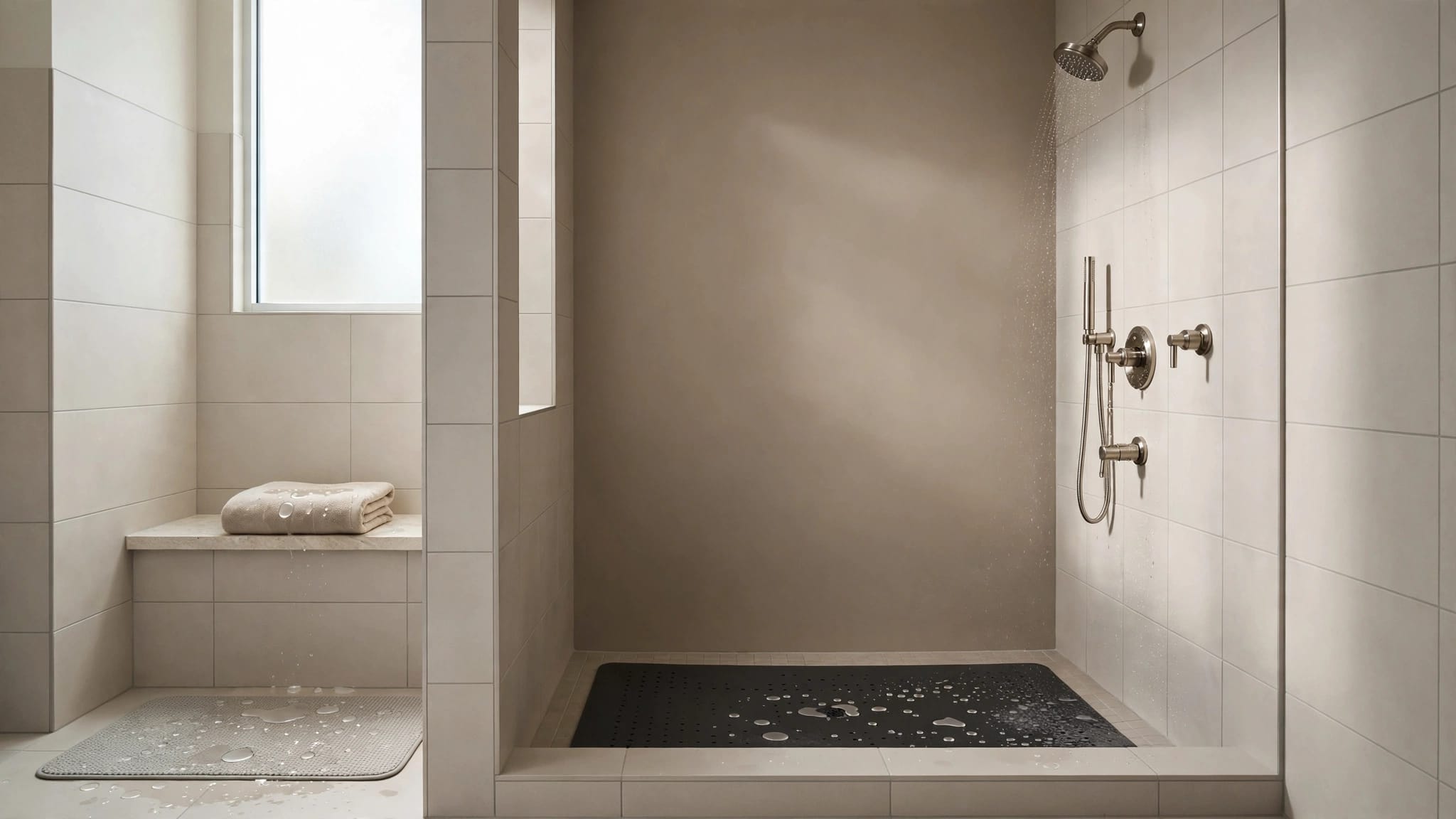
A missing grab bar can matter after a Florida hotel shower fall when evidence connects its absence to an unsafe condition and your injury. The key questions are whether a bar was required, whether the hotel used reasonable care, and whether support would have prevented or reduced the fall.
You may face medical bills while the hotel disputes responsibility. Early evidence preservation matters because repairs can change the bathroom before anyone documents it.
Start with the shower’s condition, then connect applicable safety requirements and maintenance records to what happened.
Key Takeaways
- Missing grab bars can support a claim, but liability also requires proof of negligent conduct, causation, and injury.
- Accessibility requirements depend on the room, shower configuration, and applicable construction or alteration standards.
- Photographs, reservation records, repair histories, and prior complaints can help explain what the hotel knew.
- Preserve evidence and address legal deadlines early. A hotel investigation or insurance negotiation doesn’t automatically extend the time to sue.
What a Florida Hotel Shower Fall Claim Must Prove
Identify the unsafe condition
Hotels generally owe guests reasonable care in maintaining their property. However, a fall doesn’t establish that the hotel failed in that duty.
The investigation must identify the actual hazard. A missing required grab bar, loose mounting hardware, or a bar that separates from the wall raises different questions than ordinary shower water.
Document where you stood and whether you were entering, bathing, or stepping out. Also distinguish a purpose-built grab bar from a towel rack or shower-door handle. Those fixtures aren’t interchangeable safety supports.
Connect the condition to your injury
The evidence must explain how the missing or defective support contributed to the fall. Relevant details include where you lost balance, which hand reached for support, and whether a properly placed bar would have been within reach.
A missing bar elsewhere in the bathroom may have little connection to the accident. By contrast, an absent support at the point of a transfer may be central.
Medical records must also connect the fall to the injuries and losses claimed.
Which Hotel Showers Require Grab Bars?
Accessibility rules depend on the room and property
The 2010 ADA Standards for Accessible Design contain requirements for covered accessible bathing facilities. They don’t impose an identical grab-bar layout on every hotel shower.
Relevant facts include whether the guest room required mobility-accessible features, when construction or alterations occurred, and which standards applied. Florida accessibility and building requirements may also affect the analysis.
Reservation confirmations and messages requesting an accessible room can help establish what you booked and what the hotel provided. However, a room’s marketing label doesn’t settle whether its bathroom complied.
Shower configuration determines bar placement
Sections 608.3 and 609 address grab bars in covered showers. For transfer-type showers, bars extend across the control wall and along the back wall, ending 18 inches from the control wall.
A standard roll-in shower without a seat requires bars on three walls, with the specified bars no more than 6 inches from adjacent walls. When the shower has a seat, the required arrangement changes: bars go on the back wall and the side wall opposite the seat, not above it.
These differences matter because a photograph showing one empty wall doesn’t establish a violation without identifying the shower type.
The Justice Department’s guidance on the accessibility standards also addresses how requirements apply to construction and alterations. An older building’s age alone doesn’t resolve its obligations.
Records That Show Hotel Responsibility
Identify who controlled the bathroom
The hotel brand on your reservation may differ from the company that owned, operated, or maintained the property. A management company or renovation contractor may also have relevant responsibilities.
Ownership records, management agreements, maintenance contracts, and renovation documents can help identify the proper parties. The inquiry should focus on who controlled the bathroom and who undertook the work at issue.
For a missing-bar claim, plans and room-conversion records may explain whether the fixture was omitted during renovation or removed afterward.
Establish what the responsible party knew
Prior guest complaints, housekeeping reports, inspection records, and repair requests can show earlier warnings. A work order stating that a bar was removed or awaiting replacement may be especially important.
For a loose bar, photographs of damaged anchors or wall deterioration may help explain whether reasonable inspections would have revealed the problem.
Similar issues arise in Florida stairway fall claims, where rail condition, repair history, and applicable construction rules must connect to the injury.
A completed inspection form isn’t conclusive. Its timing, scope, and consistency with other evidence matter.
Preserve Shower Evidence Before Repairs Change It
Photograph the location without risking another fall
Seek necessary medical care first. If it’s safe, ask a companion to photograph the whole bathroom and then capture closer views of the shower entrance, walls, fixtures, and floor.
Include missing-bar locations, exposed mounting holes, damaged anchors, drainage conditions, and nearby supports. Save original image files rather than edited versions.
Don’t test a loose fixture, pull hardware from the wall, or recreate the accident. Those actions can cause another injury and change the evidence.
Report the fall and request preservation
Notify hotel management promptly. Identify the room number, date, approximate time, and precise location. Request an incident-report number and retain communications about the accident.
A written preservation request can identify:
- Inspection logs, repair orders, renovation records, and earlier complaints involving that bathroom.
- The damaged bar, mounting hardware, incident report, and relevant photographs.
- Relevant hallway footage showing staff visits or the response to the incident.
Keep the request and proof of delivery. Don’t rely solely on verbal assurances that records will remain available. Avoid signing a statement containing guesses or an inaccurate account.
Slippery Surfaces Raise a Separate Legal Question
A missing fixture and a temporary substance aren’t the same hazard. Your claim may involve one, the other, or both.
Florida Statutes section 768.0755 addresses falls involving transitory foreign substances in business establishments. When it applies, the injured person must establish actual or constructive knowledge. Constructive knowledge can involve how long the condition existed or whether it occurred regularly enough to be foreseeable.
The Florida premises-liability statute doesn’t automatically supply the governing notice test for a missing grab bar.
Ordinary water inside a shower doesn’t, by itself, establish negligence. Cleaning residue, faulty drainage, or an unusually slippery surface requires evidence about the particular condition.
A photograph of a missing bar documents its absence. It doesn’t establish which standard applied or how the absence contributed to the fall.
Document Injuries and Their Financial Impact
Bathroom evidence addresses responsibility. Medical and financial records establish the harm caused by the accident.
Tell treating providers how you fell, where you landed, and when symptoms began. Seek urgent care for possible head injury, severe pain, inability to bear weight, or new weakness.
Keep imaging results, treatment notes, rehabilitation records, bills, and work restrictions. Pay records and employer documentation can support a claim for missed earnings. Future care or reduced earning capacity needs supporting evidence rather than an early estimate.
A preexisting balance problem, arthritis, or prior injury doesn’t answer whether this fall caused new harm. Accurate medical history helps providers distinguish an existing condition from a new injury or aggravation.
Also record practical limitations, such as difficulty bathing, driving, sleeping, or completing household tasks. Keep those entries factual.
Address Shared Fault and Deadlines Early
An insurer may argue that you ignored an available support, used a fixture improperly, or failed to exercise reasonable care. Those allegations require evidence about your conduct and the bathroom’s actual condition.
Florida’s comparative-fault rules can affect recovery in covered negligence actions. An adjuster’s proposed allocation isn’t a final legal finding. Photographs, witness accounts, medical limitations, and the location of available supports can help evaluate the argument.
Filing deadlines need separate attention. The applicable period depends on the claim, injury date, defendant, and any relevant exceptions. Government-owned property can raise additional procedures.
Don’t wait for a complete maintenance file before seeking legal advice. Records requests, internal investigations, and settlement discussions don’t automatically stop the deadline.
An attorney can address preservation and filing requirements while treatment and investigation continue.
Frequently Asked Questions
Can I bring a claim if I wasn’t assigned an accessible room?
Potentially. An accessible-room requirement is one possible basis for investigating negligence, but it’s not the only one. A defective installed bar, unsafe renovation, or another dangerous bathroom condition may support a claim. The evidence must still connect the hotel’s conduct to your injury.
What if the hotel repaired the shower after my fall?
A repair doesn’t erase the possibility of a claim. Earlier photographs, witness accounts, work orders, and preserved hardware may establish the bathroom’s prior condition. However, the legal use of post-accident repairs has limits. A repair alone doesn’t prove earlier negligence.
Do I need an attorney before speaking with the insurer?
You can report basic facts without guessing about fault, measurements, or the hotel’s maintenance history. Legal guidance is useful before detailed recorded questioning or signing a release. A settlement can end the claim before future treatment needs and lasting limitations are clear.
Protect the Evidence Behind Your Claim
Missing grab bars matter when the evidence connects the shower’s condition, the hotel’s responsibilities, and your injuries. A documented timeline helps establish that connection before repairs and lost records make it harder.
At Avard Law Offices, we offer free initial consultations for personal injury matters. We can review your Florida hotel shower fall claim and discuss the next steps while evidence remains available.