
Florida Pool Drowning Claims After a Missing Lifeguard
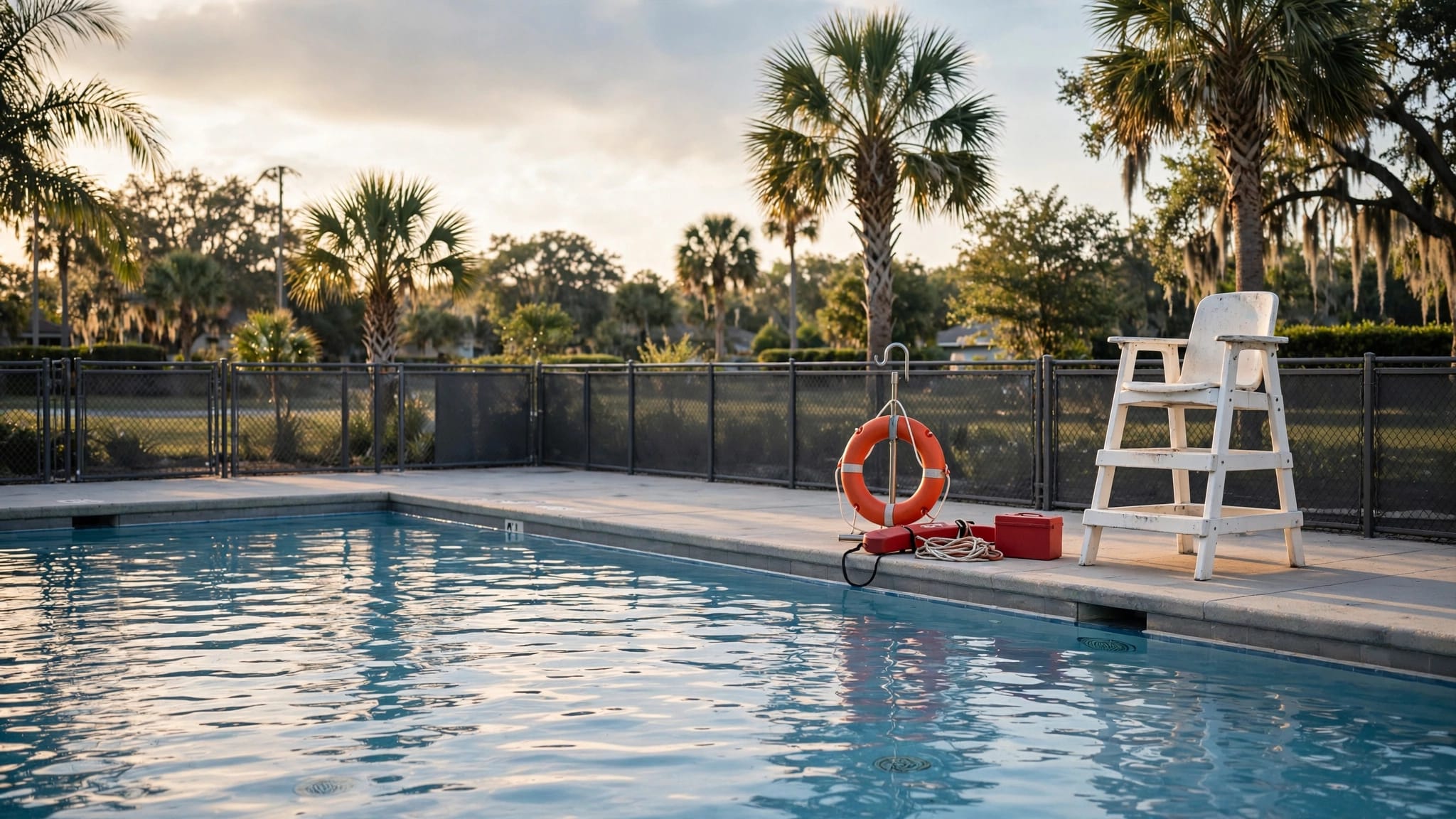
A Florida pool drowning claim may be possible when a missing lifeguard or inadequate supervision contributed to someone’s death or injury. The claim depends on what the pool operator was required to do, what happened at the pool, and whether a reasonable response could have changed the outcome.
For families, those answers often lie in staffing records and video controlled by the facility. Understanding the legal issues can help you protect evidence while deciding what to do next.
Key Takeaways for Families
- A missing lifeguard doesn’t automatically establish liability. Florida doesn’t require a lifeguard at every pool.
- An operator’s staffing practices, posted promises, and applicable rules can all matter when determining its duties.
- Video, schedules, witness accounts, and emergency records can help establish whether earlier intervention was possible.
- Wrongful death and injury claims generally have filing deadlines, while claims involving government pools may require additional notice.
When Is a Lifeguard Required at a Florida Pool?
There is no single lifeguard rule for every Florida pool. A hotel pool, a municipal aquatic center, and a private backyard pool may operate under different requirements. The facility’s classification, activities, and operating arrangements matter.
A pool may have a duty arising from an applicable rule, its agreement with a group, or the supervision it undertook to provide. Reasonable-care duties can also depend on what the operator knew and how it ran the pool.
Public Pools and Lifeguard Certification
Florida’s public-pool law addresses permits and safety standards. It doesn’t mean that every public pool must have a lifeguard on duty at all times.
When someone works as a lifeguard at a public pool, Florida’s certification statute requires current lifeguarding, first-aid, and CPR certifications. The certification requirement is separate from the question of whether the facility had to provide a guard at the time of the incident.
Promised Supervision and Pool Operations
Even where a lifeguard wasn’t required by a particular rule, the facility’s conduct still matters. Signs, registration materials, schedules, and staff instructions may show whether the operator offered supervision or told guests a guard would be present.
A missing employee is only part of the inquiry. A claim also depends on the operator’s responsibilities and the connection between the absent supervision and the harm.
What a Florida Pool Drowning Claim Must Prove
A negligence claim generally requires evidence of a duty of care, a breach of that duty, causation, and damages. A death or serious injury is devastating, but the outcome alone doesn’t establish each part of a legal claim.
Establishing the Duty and the Failure
The investigation begins with who controlled the pool and what safety measures were appropriate. Relevant facts may include the pool’s rules, the activities underway, the swimmers using it, and whether staff knew that a scheduled guard hadn’t arrived.
A facility’s own policies may provide useful evidence about its operations. However, a missed shift or a departure from a policy doesn’t automatically prove legal liability. The evidence must show why the responsible party should have acted differently under the circumstances.
Connecting the Failure to the Drowning
Causation can be contested. The claim must show that the alleged failure contributed to the death or injury, rather than assuming that a guard’s presence would have prevented it.
Evidence may address when the swimmer entered distress, whether anyone could see them, how long they remained unnoticed, and when rescuers responded. Medical and emergency records can help explain the person’s condition and the likely effect of the response time.
How Records Can Establish the Rescue Timeline
A strong investigation compares the facility’s account with independent evidence. Staff may remember an emergency differently, and a written incident report may leave gaps about what happened before anyone called for help.
Surveillance footage can show who was on deck, whether a lifeguard station was occupied, and when the rescue began. However, a camera may not capture the entire pool or provide a clear view beneath the water. Its angle and clock settings matter when comparing it with other records.
Staff schedules and time records can help establish whether a guard was assigned and whether a replacement was requested. Radio logs, dispatch recordings, and emergency medical records may add detail about the response.
Witness accounts also matter, particularly when footage is missing or incomplete. A witness who observed the pool before the emergency may be able to describe staffing and supervision, while someone who arrived later may have different information.
The timeline needs medical support as well as operational records. Depending on the facts, qualified professionals may need to evaluate visibility, rescue practices, and whether an earlier response could have affected the outcome.
Who May Be Responsible for a Missing Lifeguard?
More than one organization may have a role in pool safety. The property owner doesn’t always hire or supervise the people who work at the pool.
Property Owners and Pool Operators
A hotel operator, apartment management company, homeowners’ association, or public agency may control access, staffing, or daily operations. Contracts and operating records can show who had authority to assign personnel, respond to an absence, or close the pool.
Responsibility depends on each party’s actual role. Ownership alone doesn’t answer whether a particular person or company failed to meet a duty connected to the drowning.
Staffing Companies and Event Organizers
Some facilities hire outside companies to provide lifeguards. A staffing agreement, employee schedule, and communications about an uncovered shift may help show what the contractor agreed to do and what the pool operator knew.
A camp or other group organizer may also have separate supervisory responsibilities. Those obligations depend on the arrangement and the facts, rather than a rule that every organizer is responsible for every pool injury.
Evidence to Preserve After a Pool Drowning
Medical care comes first. Call 911 during an emergency, follow the dispatcher’s instructions, and don’t enter the water if doing so would put you in danger. A person rescued from the water needs prompt medical attention, even if they initially appear to improve.
Once the immediate emergency has passed, preserve information before it disappears or the scene changes:
- Keep original photos and videos showing the pool, lifeguard stations, signs, and sightlines.
- Write down witness names and contact information, along with what each person personally observed.
- Save registration materials, emails, pool rules, and any statements about lifeguard coverage.
- Retain medical records, bills, incident numbers, and information about responding agencies.
A lawyer can send a preservation letter requesting surveillance footage, staffing schedules, incident reports, contracts, training records, and communications about the shift. Video systems may overwrite recordings within days or weeks, so waiting for an insurer to complete its review can leave important gaps.
Public agency records may include pool permits, inspection reports, and correction notices. Private schedules and contractor files may require a request to the operator or formal legal process.
If equipment also played a role, don’t remove or discard it yourself. Emergency repairs should proceed, but safe documentation and preservation of removed parts can be important. Our discussion of pool drain safety and inspection records explains how equipment evidence may affect a separate part of the investigation.
Compensation After a Death or Nonfatal Drowning
The available compensation depends on whether the person survived and on the losses the evidence supports.
Nonfatal Drowning Injuries
A surviving swimmer may have a personal injury claim for medical expenses, lost income, and other legally recoverable losses. Treatment can include emergency care and rehabilitation. Some people experience lasting injuries, but the extent of future needs must rest on medical evidence.
Keep records of treatment, prescriptions, therapy, work restrictions, and out-of-pocket costs. A settlement release may end the claim, so the long-term effects deserve attention before signing.
Wrongful Death Claims
When a drowning causes death, Florida’s Wrongful Death Act allows the deceased person’s personal representative to bring an action for eligible survivors and the estate. Available damages depend on the survivor’s relationship to the person who died and other statutory requirements.
Florida’s wrongful death damages statute addresses losses that can include support, services, and certain medical or funeral expenses. Our guide to Florida wrongful death and estate damages describes how those categories differ.
Filing Deadlines and Shared Fault
For many negligence claims arising on or after March 24, 2023, Florida generally provides two years to file. Wrongful death actions also generally have a two-year deadline. The applicable date and any exceptions depend on the claim and circumstances.
Florida’s limitations statute contains the relevant time limits. An insurer’s investigation or settlement discussions don’t automatically stop the clock.
A city, county, school district, or other government entity may own or operate the pool. Claims against government entities can involve separate notice requirements and limits, so they warrant prompt legal review.
Insurers may argue that a swimmer ignored a warning, entered a closed pool, or contributed to the incident. In negligence cases covered by Florida’s modified comparative fault rule, a person’s share of fault generally reduces recovery. A person found more than 50 percent at fault generally cannot recover under that rule.
An adjuster’s proposed percentage isn’t a court finding. Video, posted rules, witness accounts, and the swimmer’s circumstances can all matter. Give truthful information, but don’t guess about facts you don’t know.
Frequently Asked Questions
Can We Have a Claim if a “No Lifeguard” Sign Was Posted?
Possibly. A sign is evidence about what the facility communicated, but it doesn’t automatically resolve every duty or safety issue. Its location, wording, visibility, and consistency with other statements about supervision may matter.
Does a Child’s Parent Automatically Bear Responsibility?
No. The investigation must consider the duties and conduct of everyone involved. Evidence may include the supervision provided, the child’s access to the water, and any representations the facility made about its own staffing.
Can We Pursue a Claim if the Lifeguard Left for a Break?
Possibly. The circumstances of the break, the operator’s coverage arrangements, and what staff knew about the pool are relevant. The claim must still connect a failure of reasonable care to the injury or death.
What if the Pool Has Already Changed Its Staffing?
Preserve earlier schedules, advertisements, photographs, witness information, and incident records. A later staffing change doesn’t by itself establish that the operator was negligent at the time of the drowning.
Protecting Your Family’s Options
A missing lifeguard can be an important fact in a Florida pool drowning claim. The outcome depends on the duty owed, the rescue timeline, and evidence linking the failure to the harm.
At Avard Law Offices, we offer free consultations for Florida personal injury matters. We can discuss what happened and the steps available to protect your family’s claim.