
Florida Pressure Cooker Burn Claims After a Lid Failure
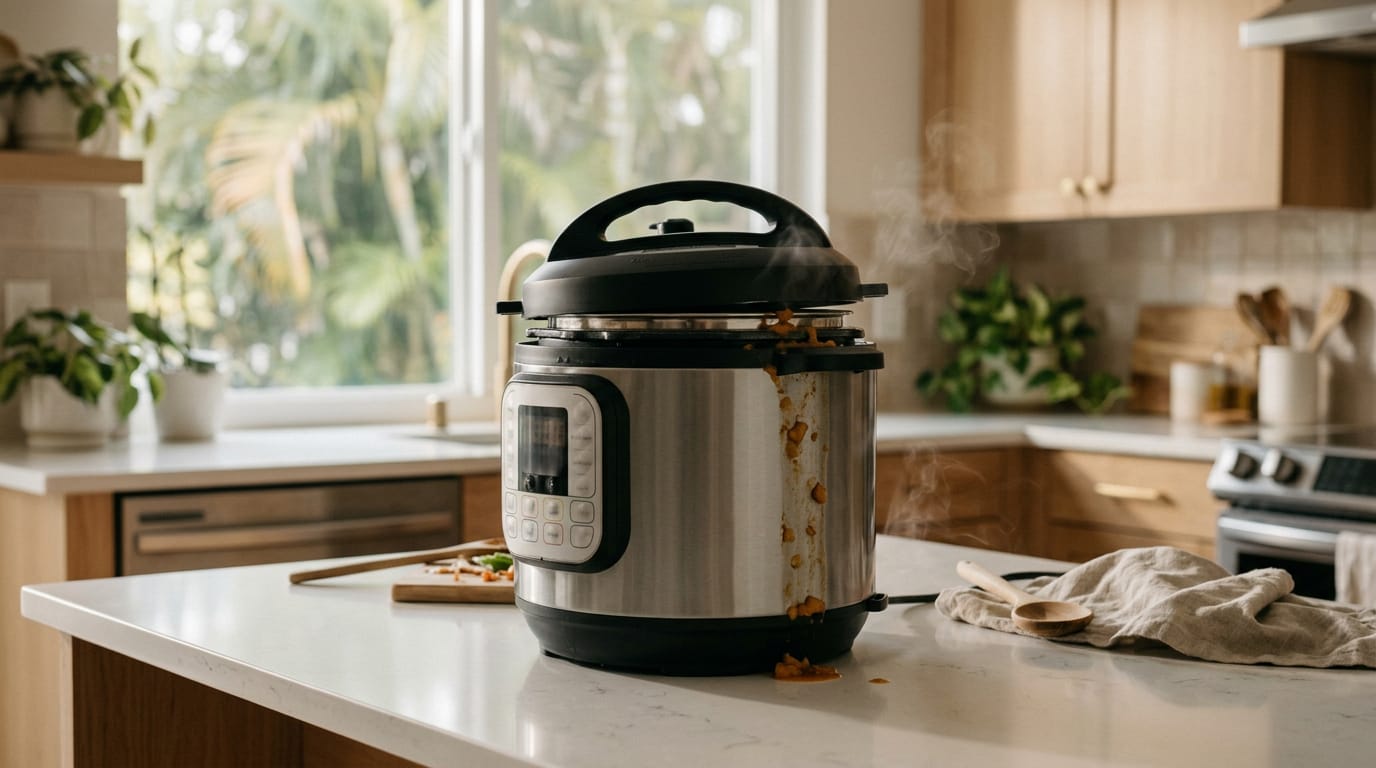
Florida pressure cooker burn claims can arise when a defective lid, locking mechanism, or warning causes hot food or steam to escape and injure someone. A successful claim requires evidence connecting the product defect to the burns and resulting losses.
Your immediate priorities are medical care and preserving the cooker, including its lid and removable parts. Understanding how the failure occurred helps identify who may be responsible and which Florida filing deadlines apply.
Key Takeaways
- Keep the cooker, lid, valves, instructions, and purchase records rather than returning or discarding them.
- A product-liability investigation examines the alleged defect, how the cooker was used, and the connection to your injuries.
- Florida generally places qualifying product-liability actions in a four-year category, while ordinary negligence actions generally have a two-year period.
- Insurance discussions and recall requests don’t automatically preserve your right to sue.
How a Pressure Cooker Lid Failure Causes Burns
Pressure can remain when a lid opens
Pressure cookers heat food inside a pressurized vessel. If a lid opens or detaches before pressure drops safely, the release can propel scalding liquid and food onto nearby people.
The investigation must distinguish between different failure mechanisms. A lid might unlock while pressure remains, detach during cooking, or permit pressure to build without a secure lock. These events raise different questions about the locking assembly, pressure indicators, valves, and instructions.
The condition of those components matters because damage after the incident can obscure what failed first.
A documented recall shows the potential danger
On May 1, 2025, the Consumer Product Safety Commission announced a recall of approximately 1.8 million Ninja Foodi OP300-series pressure cookers. The agency reported that the pressure-cooking lid could open during use.
According to CPSC’s SharkNinja recall notice, SharkNinja received reports of 106 burn injuries, including more than 50 reports involving second- or third-degree burns. The remedy was a free replacement lid, with instructions to stop using the pressure-cooking function.
Those reports provide safety context. Each injured person’s claim still requires evidence about their cooker and incident.
What Pressure Cooker Burn Claims Must Establish
The alleged defect must explain the injury
Florida product-liability claims can involve defective design, manufacturing problems, or inadequate warnings. A design claim examines the product’s design itself. A manufacturing claim concerns a product that departed from its intended specifications.
A warning claim examines whether instructions adequately addressed the danger involved. Relevant details include the warning’s wording, visibility, and placement, along with what the user could reasonably understand.
The claim must connect the alleged defect to the release of hot contents and resulting burns. The occurrence of an injury alone doesn’t establish that connection.
Responsibility depends on each company’s role
A manufacturer, distributor, or commercial seller may face a claim depending on the evidence and applicable law. A separate repair company could also require investigation if its work contributed to the failure.
Receipts and product labels help identify the correct companies. A brand name on the front of the cooker doesn’t necessarily identify every business involved in its manufacture or sale.
Legal review also considers whether strict liability, negligence, or warranty theories fit the facts. These theories have different requirements, even when they concern the same incident.
Preserve the Cooker Before Evidence Disappears
Keep the product intact and out of use
Stop using the cooker after a suspected lid failure. Once it’s safe to approach, preserve it without attempting repairs, tests, or demonstrations.
Keep the lid, inner pot, sealing ring, pressure-release components, cord, packaging, and instructions. Photograph the model and serial information, along with visible damage. Store loose parts together without altering them.
Don’t ship the cooker to a manufacturer or discard it before discussing evidence preservation with an attorney. A return request can remove the most important physical evidence from your possession.
A replacement lid may address a recall remedy, but returning the original lid can remove evidence needed to explain the injury.
Record the sequence while details are fresh
Write down the cooking setting, approximate time, pressure-indicator position, and what happened immediately before the release. Identify anyone who saw the incident or helped afterward.
Also preserve purchase emails, appliance-registration records, recall communications, and photographs of the surrounding area. Images may show where the cooker stood and where hot contents landed.
Describe what you observed without guessing about internal pressure or mechanical causes. An expert’s examination may later explain facts you couldn’t see during the incident.
Document the Burns and Their Financial Effects
Seek prompt medical attention for pressure-cooker burns. Extensive burns, facial burns, or breathing problems require immediate medical attention. Don’t delay treatment while photographing the appliance or contacting its manufacturer.
Medical records should identify the affected body areas, treatment, and any follow-up needs. Photographs taken throughout recovery can document changes that a single emergency-room image misses. Keep images dated and retain the original files.
Your records should also show how the injury affects work and daily activities. Save bills, medication receipts, work restrictions, and pay records showing missed earnings. Medical evidence should support any claimed need for future treatment.
If the burn occurred while working, a separate benefits claim may apply. Our guidance on workers’ compensation for burn injuries explains that coverage. A work-related injury can also require analysis of a claim against a responsible product manufacturer.
A settlement assessment depends on documented harm and legal responsibility. The burn’s severity alone doesn’t establish what a particular claim is worth.
Florida Filing Deadlines Require Separate Analysis
Product claims and ordinary negligence have different periods
Under Florida’s lawsuit filing periods, qualifying personal-injury actions founded on the design, manufacture, distribution, or sale of personal property generally have a four-year limitations period. Product-liability accrual rules consider when the facts giving rise to the claim were discovered or should have been discovered through due diligence.
Ordinary negligence actions generally have a two-year period. The shortened negligence period generally applies to claims accruing on or after March 24, 2023.
Calling a claim “negligence” doesn’t settle which provision controls when the allegations concern a defective product. The substance of the claim matters.
An older cooker raises an additional outside limit
Florida also imposes a product-liability statute of repose. For products with an expected useful life of 10 years or less, a 12-year restriction tied to delivery to the first qualifying purchaser or lessee may apply.
Florida’s product-liability repose provisions include qualifications and exceptions. Purchase history and product age therefore matter even when the burn occurred much later.
Settlement negotiations don’t automatically stop these clocks. Neither an open insurance file nor a pending replacement-lid request preserves the right to file suit. An attorney can identify the applicable claims and calculate their deadlines while the investigation continues.
Shared Fault Requires Evidence About Your Conduct
A manufacturer or insurer may argue that you overfilled the cooker, used an incompatible part, forced the lid, or disregarded instructions. Those allegations require evidence connecting your conduct to the release and injury.
Preserving the original components and instructions helps address these arguments. So does an accurate account of the pressure indicator, release valve, and lid movement.
Under Florida’s comparative-fault statute, an injured person’s assigned responsibility can reduce damages. In actions covered by the modified comparative-fault rule, a claimant found more than 50% responsible for their own harm generally cannot recover.
Exactly 50% doesn’t trigger that bar, although it reduces recoverable damages by half. The claim’s dates and applicable law affect the analysis.
An adjuster’s proposed percentage isn’t a court finding. A fault assessment should rest on the product evidence, witness accounts, instructions, and a supported explanation of how the injury happened.
What to Bring to an Attorney Consultation
Bring available medical records, injury photographs, the model number, and documents showing when and where the cooker was acquired. You don’t need a completed expert report before seeking legal help.
Explain whether anyone has requested the cooker, offered a refund, or sent a release. Also identify repairs, replacement parts, earlier pressure problems, and any communications with the seller or manufacturer.
A useful consultation addresses both the product and the legal timeline. Counsel can identify potential defendants, plan an inspection, and evaluate how to preserve evidence without creating a safety risk.
Be direct about facts that may complicate the claim, including missing instructions or modifications. Early disclosure lets the investigation address those issues rather than leave them for an insurer to raise later.
Frequently Asked Questions About Lid-Failure Claims
Can I pursue a claim if my cooker wasn’t recalled?
Yes, the absence of a recall doesn’t automatically prevent a product-liability claim. A claim can depend on evidence of a defect in the particular cooker, its design, or its warnings.
The investigation still needs to establish causation and injury. Product inspection, instructions, incident photographs, and witness accounts can matter whether or not the model appears in a recall announcement.
Does accepting a replacement lid settle my injury claim?
A replacement product and an injury settlement address different matters. However, the documents accompanying an offer may affect your rights, particularly if they contain a release.
Have an attorney review a proposed release before signing it. Also address preservation of the original lid before sending it back, because its condition may be important to explaining the failure.
Can I bring a claim without the receipt?
A missing receipt doesn’t automatically defeat a claim. Order histories, payment records, registration information, packaging, or testimony may help establish the product’s identity and purchase history.
If the cooker was a gift, preserve available information about who purchased it and when. Those details can help identify the seller and address product-age questions.
Protect Your Evidence and Your Right to Seek Recovery
A pressure-cooker lid failure requires an investigation into the product and the resulting injury. Preserving the original cooker gives that investigation a stronger factual foundation.
Deadlines continue while manufacturers and insurers review an incident. Early legal advice can protect the evidence and identify the claims that need timely action.
At Avard Law Offices, we represent people in Florida personal injury matters and offer free consultations. Contact us to discuss your burns, the lid failure, and your available legal options.