
VA Clothing Allowance Eligibility for Service-Connected Disabilities in 2026
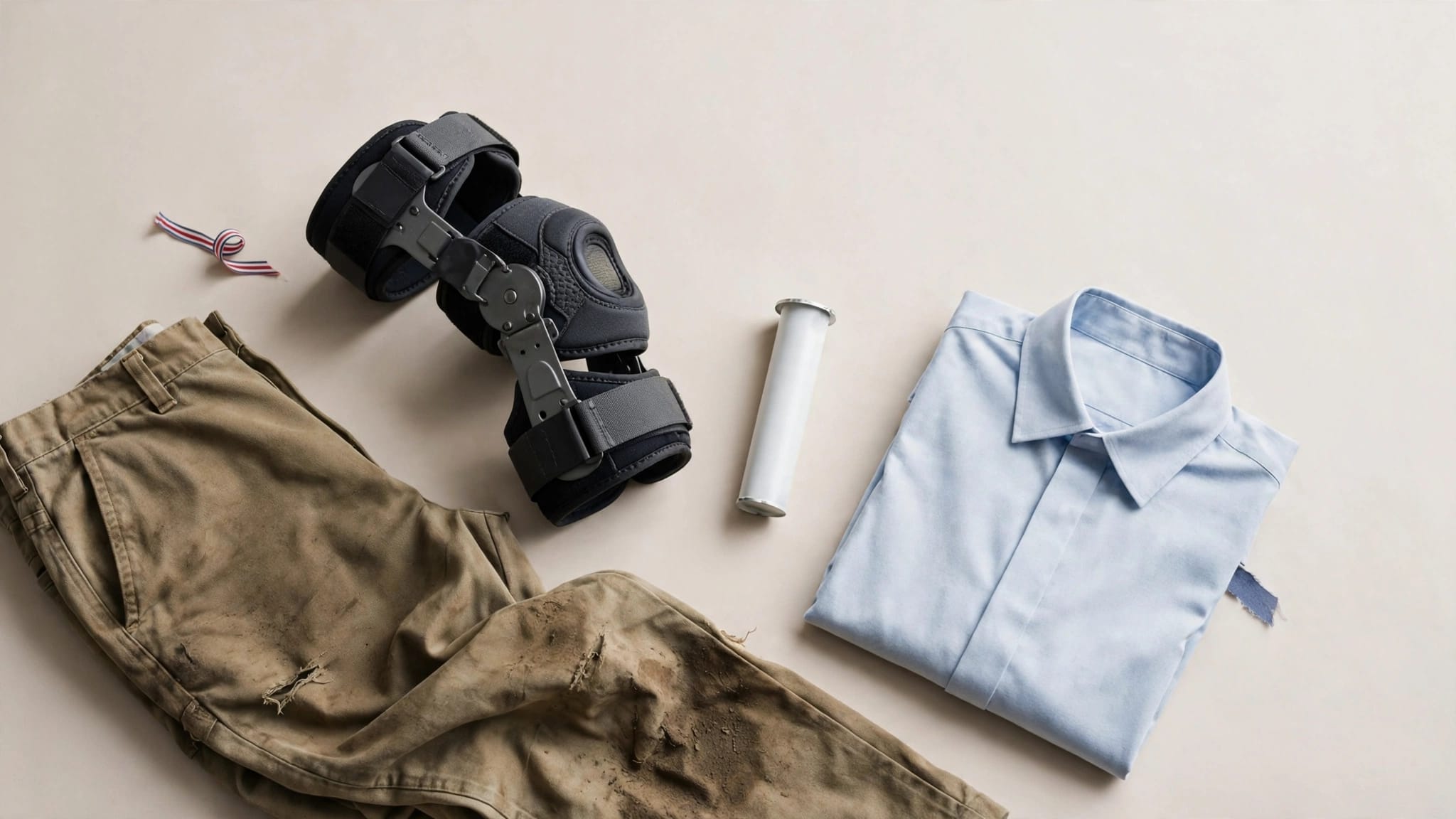
A brace that ruins your work pants or a prescribed cream that permanently marks shirts can create a recurring expense. A Service-connected disability must require a qualifying appliance or prescribed medication that causes lasting damage to qualifying clothing.
The 2026 rate should be confirmed against the latest official update before you rely on it. Each approved allowance receives the applicable annual amount, and eligibility depends on the condition, required treatment, and actual clothing damage, not merely on having a diagnosis.
The details matter because a missed filing date or incomplete application can delay a payment for which you may qualify.
Key Takeaways
- In 2026, VA pays $1,053.19 for each approved annual clothing allowance, separate from monthly disability compensation.
- Eligibility generally requires a service-connected condition and a prescribed prosthetic, orthopedic device, or medication that causes repeated or lasting damage to qualifying clothing.
- Ordinary fading, routine laundry wear, discomfort, and minor scuffs usually do not satisfy the clothing-damage requirement.
- Submit VA Form 10-8678 with specific details about the device or medication, affected garments, and the resulting damage.
- VA must receive an application for the 2026 benefit year by August 1, 2026; some recurring awards may renew automatically when the circumstances remain unchanged.
VA clothing allowance: what the benefit pays in 2026
The Department of Veterans Affairs pays an annual clothing allowance once each year. For 2026, each approved allowance is $1,053.19. This annual payment is separate from monthly disability compensation. Eligibility depends on the qualifying service-connected condition, treatment, clothing damage, and current VA rules, not a rating percentage alone.
The allowance is best understood as one of VA’s special benefit allowances, not reimbursement for ordinary living expenses. VA generally issues approved payments in the fall after the annual deadline, but dates can vary by benefit year. Confirm the 2026 schedule through current VA guidance.
The payment is tied to clothing damage
The allowance doesn’t reimburse every cost of living with a disability. Instead, it addresses predictable wear and tear or permanent marks caused by treatment for a service-connected condition.
A metal leg brace that frays pant legs may qualify. A wheelchair that wears through trousers may also qualify. A prescribed skin treatment that leaves permanent marks on a shirt may support eligibility.
VA reviews the facts of each application. Therefore, describe the appliance, treatment, and affected garments in plain terms.
This benefit can supplement VA disability benefits
A veteran may receive the annual clothing payment while also receiving disability compensation if the applicable requirements are met. The programs serve different purposes: this allowance addresses treatment-related clothing damage, while disability compensation addresses the effects of a service-connected condition.
If VA has denied or underrated the underlying disability, that decision may affect clothing allowance eligibility. Florida veterans can review the steps to challenge a denied VA claim for general background. An accredited representative or attorney can advise on individual claim strategy.
Service-connected devices that may qualify
The first eligibility path applies when a veteran’s service-connected disability requires a prosthetic or orthopedic device that tends to wear out or tear clothing. An orthopedic appliance may qualify only when it’s medically required because of, or associated with, that condition.
VA’s clothing allowance eligibility guidance identifies prosthetic and orthopedic devices as a central basis for approval. Wear and tear, rather than appearance, is central to VA’s review. VA evaluates whether the appliance tends to wear, tear, snag, or abrade qualifying garments through more than ordinary use.
Common appliance examples
Qualifying equipment can include a rigid brace, artificial limb, wheelchair, or crutches when it damages clothing. A prosthetic or orthopedic device, such as a knee-ankle-foot orthosis, may scrape or catch fabric. A prosthetic limb may wear through pants at a contact point, while wheelchair components may repeatedly abrade pants or skirts.
The same device can affect different garments. Still, VA evaluates the device and resulting damage case by case. Keep medical records, prescriptions, and any VA prosthetics documentation available.
Soft devices usually do not meet the standard
VA distinguishes between rigid or damaging appliances and soft items, including elastic stockings or soft orthoses, that don’t tend to damage garments. An item that does not tend to damage clothing generally won’t satisfy the clothing-damage requirement.
That distinction can be frustrating when an item is uncomfortable or expensive. Discomfort, expense, fading, routine laundering, or minor scuffs alone do not establish eligibility. Photos of damaged garments may support a factual explanation, but they don’t guarantee approval.
Ordinary fading, routine laundry wear, and minor scuffs usually do not establish the repeated damage needed for a clothing allowance.
Skin medication can also support eligibility
The second eligibility path covers medication prescribed for a qualifying skin condition related to an underlying disability VA has recognized as service connected. The medication must cause lasting clothing damage, including irreparable damage through permanent bleaching, staining, or deterioration.
This rule may apply to topical creams, ointments, gels, or liquids. VA looks for damage normal washing can’t correct, not grease, odor, inconvenience, extra laundering, or temporary discoloration alone.
Connect the skin condition to service connection
The skin condition must itself be service-connected, or VA must recognize it as secondary to a service-connected condition. For example, a veteran with a service-connected skin condition may use prescribed medication that permanently discolors shirts or pants.
A prescription label alone may not establish the required connection. Include the prescription, diagnosis, medication name, and actual garment damage. If a private physician prescribed the medication, provide records showing the diagnosis and treatment relationship.
Outer garments are the focus
The current form instructions identify shirts, blouses, pants, skirts, shorts, and similar items as examples of outer garments. Treatment of shoes, hats, scarves, socks, underwear, and similar items may differ, so check the current instructions before filing.
The official VA Form 10-8678 instructions provide a useful reference before filing. Read the current instructions carefully, because medication claims need a clear explanation of permanent damage to specific garments.
When more than one annual allowance is available
Some veterans may qualify for Multiple allowances in the same year. VA may consider separate qualifying appliances or medications that damage distinct garment types. It may also consider one qualifying item that damages more than one type of clothing. Approval depends on VA’s evaluation and current policy.
For example, a rigid leg brace may qualify as a prosthetic or orthopedic device that damages pants. Prescribed skin medication may cause irreparable damage to shirts. These are separate sources of damage, but they don’t automatically establish eligibility for two payments.
The veteran should identify both on the application rather than assume one claim covers everything.
Separate items need separate explanations
Don’t write only “brace damages clothes.” Name each device or medication, the body area, the garment affected, and the type of damage. Explain the medication claim separately, if one exists.
Clear descriptions make the application easier for the Prosthetic & Sensory Aids Service to review. Photos and treatment or prescription records may clarify the claim, but they don’t establish entitlement by themselves.
Rapid wear may support an additional payment
One appliance can sometimes damage more than one type of garment at a faster-than-normal rate. A wheelchair, for example, may damage pants and shirts through repeated contact. VA may consider an additional payment if the damage is faster than normal and affects both garment types.
VA decides whether the facts support an additional allowance. Submit supporting details early, particularly when adding a new appliance, a different medication, or a claim for more than one payment.
How to apply with VA Form 10-8678
Start by completing VA Form 10-8678, the application for this benefit. Service-connected disability details are essential. Also identify the prescribed appliance or medication, affected garments, and specific damage, not merely the diagnosis.
You can access the current annual clothing allowance application through VA’s website. Complete every relevant section, explain how the appliance or medication damages clothing, sign the form, and keep a copy with proof of submission.
Send the form to the right VA office
Submission instructions can change, so review the current VA page and form instructions before choosing an online, mail, fax, or facility option. If VA directs you to a local medical center, contact its Prosthetic & Sensory Aids Service or prosthetics representative to confirm the correct office.
If current instructions direct you to the Claims Intake Center, use the address listed there. Before mailing or faxing, check the VA clothing allowance page for current directions and contact details. Don’t rely on an older address or fax number.
Provide facts that match the legal standard
A diagnosis alone may not establish eligibility. For a device-based claim, identify the prescribed prosthetic or orthopedic device, including any orthopedic appliance. Explain how it physically damages clothing.
Medication claims should name the prescription and describe the specific damage to affected garments.
Include useful supporting records when available:
- A prescription, prosthetics record, or physician statement identifying the device or medication and qualifying condition.
- Photographs of repeated damage, especially when the pattern is clear.
- A brief written account identifying the affected garment and the location of the damage.
Before submitting, review VA Form 10-8678, attach available records, and keep a complete copy with delivery confirmation. These materials support the record, but they don’t guarantee approval. The underlying condition must be service connected. If that connection hasn’t been established, you may need to pursue the appropriate service-connection process separately from this application.
The August 1 deadline and automatic renewal
To receive the 2026 payment, VA must receive the application by August 1, 2026. This cutoff applies to the 2026 annual clothing allowance benefit year. Waiting until late July creates avoidable risk, particularly if the claim needs clarification or the form goes to the wrong office.
An otherwise valid claim received after August 1 may not be processed for that year’s payment. Ask VA whether an exception or review option applies.
Processing times vary, and VA may request clarification or additional evidence before deciding a claim.
Many approved claims now renew automatically
Under Public Law 117-328, VA may renew certain recurring awards without a new application when eligibility and the prescribed device or medication remain unchanged.
This limited process is sometimes described as “Auto-renew,” but it isn’t universal. VA may require updated information and can stop a recurring award if eligibility changes. Contact the local prosthetics office promptly if your device, medication, service connection, treatment, or clothing damage changes.
File again when your circumstances change
Submit a new application if you begin using a new qualifying prosthetic or orthopedic device, start a prescribed medication that damages clothing, or seek an additional allowance. Contact the local prosthetics office to confirm the required application and evidence, and follow up if an expected payment doesn’t arrive.
Save copies of forms, mailing receipts, fax confirmations, VA letters, and photographs. A paper trail helps resolve processing problems and supports an appeal if VA denies the claim.
What to do after a denial or missing payment
Read any VA notice closely. The reason may involve service connection, insufficient evidence of repeated clothing damage, an unrecognized prescription, or a late application. Each reason calls for a different response.
These decisions are generally handled through VA health-care and prosthetics channels. Follow the reconsideration or appeal instructions in the notice. Contact the issuing VA facility or prosthetics office if the next steps aren’t clear.
Disability compensation decisions may follow different challenge procedures. For general legal information about those separate issues, veterans can review VA appeal lane options for Florida veterans.
Build evidence around the denial reason
A denial based on missing service connection requires records linking the condition to military service. Relevant treatment records, prior decisions, and supporting medical statements may help establish that connection.
If the issue involves a device, gather prescription details and prosthetics records. Explain how the prescribed device repeatedly damages clothing during ordinary use. Photos and clear descriptions may help document the pattern, but no single item guarantees approval.
Medication cases need records identifying the diagnosis and prescription. Explain that the medication treats a condition connected to service and causes lasting damage to clothing. Include treatment notes, photos, and written descriptions when available.
Act promptly after receiving a decision. The August 1 deadline for annual applications is separate from any deadline or review period for challenging a decision. Check the notice and current official VA guidance for applicable timelines.
This information is general and isn’t individualized legal advice.
Frequently Asked Questions
How much is the VA clothing allowance in 2026?
Each approved clothing allowance is $1,053.19 for 2026. The payment is made annually and is separate from monthly VA disability compensation.
Who may qualify for a VA clothing allowance?
A veteran may qualify when a service-connected condition requires a prescribed prosthetic or orthopedic device that damages clothing. Eligibility may also apply when prescribed medication for a qualifying service-connected skin condition causes permanent staining, bleaching, or deterioration.
What clothing damage does VA consider?
VA looks for repeated wear, tearing, snagging, abrasion, or lasting damage that normal washing cannot correct. Fading, routine laundering, temporary discoloration, inconvenience, and minor scuffs generally do not establish eligibility.
When is the application deadline for the 2026 allowance?
VA must receive the application by August 1, 2026, for the 2026 annual benefit year. Filing early helps reduce the risk of delays caused by missing information or submission to the wrong office.
Can a veteran receive more than one clothing allowance?
VA may approve multiple allowances when separate qualifying appliances or medications damage distinct garment types, or when one appliance causes qualifying damage to more than one type of clothing. Each source of damage should be identified and explained separately, and approval depends on VA’s review and current policy.
A yearly benefit that should not be overlooked
An annual clothing allowance helps offset clothing replacement costs when prescribed treatment damages garments before normal wear. In 2026, the annual payment is $1,053.19 per approved allowance, and some veterans may qualify for more than one if VA approves.
Strong applications link a qualifying service-connected condition to prescribed treatment and documented garment damage. Filing by August 1 and keeping proof of every submission can support timely payment.