
VA Hip Replacement Ratings in 2026: Pain and Motion
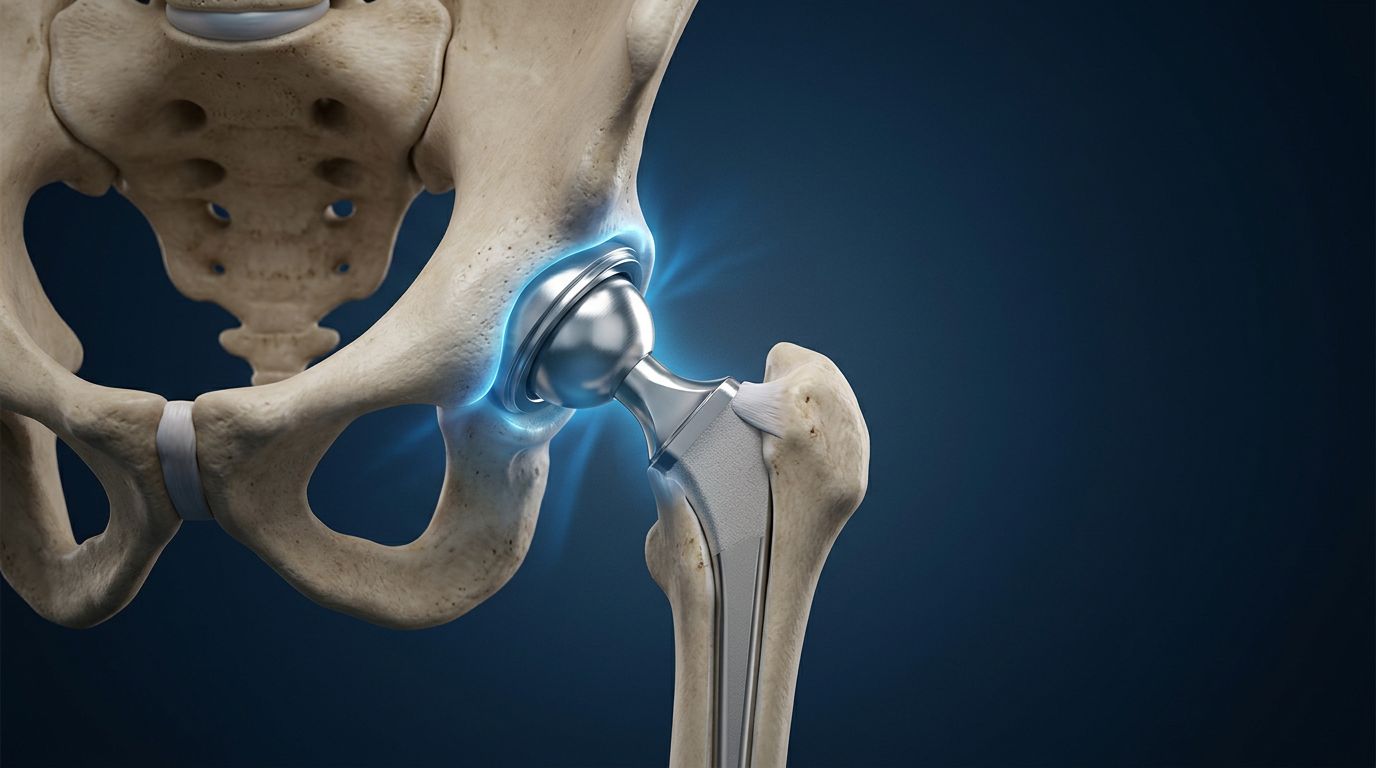
After a total hip replacement, VA hip replacement ratings may begin at 100 percent, but the long-term evaluation depends on residual pain, weakness, and limited motion. Many veterans expect surgery to end the problem. A prosthetic hip can still make walking, climbing stairs, sitting, and working difficult.
The governing rule is Diagnostic Code 5054 under 38 C.F.R. § 4.71a. Understanding how the VA evaluates residual symptoms can help you identify missing evidence and recognize when a rating may be too low.
What VA hip replacement ratings are under Diagnostic Code 5054
As of August 2026, the VA continues to use DC 5054 for prosthetic replacement of the head of the femur or acetabulum. The current 38 C.F.R. § 4.71a rating schedule provides a temporary 100 percent rating for one year after implantation. After that period, the VA assigns a rating based on the severity of the remaining disability.
| Residual condition after the one-year period | VA rating |
|---|---|
| Painful motion or weakness requiring crutches | 90% |
| Markedly severe residual weakness, pain, or limited motion | 70% |
| Moderately severe residual weakness, pain, or limited motion | 50% |
| Minimum rating after hip replacement | 30% |
The 100 percent evaluation is temporary. It does not continue for life simply because a veteran received a hip replacement. Once the one-year period ends, the VA must evaluate the residual symptoms and assign the appropriate percentage.
The 30 percent rating is the minimum evaluation for a qualifying total hip replacement after the temporary period. A higher rating requires evidence showing that pain, weakness, or loss of motion is moderately severe, markedly severe, or severe enough to require crutches.
DC 5054 does not automatically apply to every hip procedure. The operative report matters. Hip resurfacing, arthroscopy, fracture repair, or another limited procedure may involve different diagnostic codes. The VA must identify what was replaced and which symptoms result from the service-connected condition.
Veterans who need a broader explanation of the rating system can review this guide on how VA disability ratings work.
How residual pain and motion affect the rating
The VA does not rate post-replacement pain based only on a numerical pain score. A report stating that pain is “7 out of 10” may help, but the rating depends more on how the symptoms affect movement and daily function.
Pain that limits weight-bearing, walking distance, stair use, balance, or sitting can support a higher evaluation. The same is true when pain causes a veteran to change gait, rely on a cane or walker, stop frequently, or avoid ordinary activities.
Weakness also matters. A veteran may have acceptable range-of-motion measurements but still experience significant weakness when standing from a chair, lifting the leg, climbing stairs, or walking on uneven ground. Medical records should connect that weakness to the replaced hip when possible.
The 90 percent criteria are narrower than the lower levels. The regulation refers to painful motion or weakness that requires crutches. A veteran does not need crutches to qualify for 50 or 70 percent, but the evidence must still show that the residual disability is moderately severe or markedly severe.
Crutch use is an express part of the 90 percent criteria. It isn’t a requirement for every rating above the 30 percent minimum.
The VA also must consider functional loss during repetitive use and flare-ups. A single range-of-motion measurement may not show what happens after walking for an hour, standing through a work shift, or repeating the same movement several times.
A higher VA hip replacement rating may be supported when records show persistent pain despite treatment, reduced strength, an abnormal gait, frequent flare-ups, or substantial limits on ordinary activities. The description must be concrete. “Hip pain continues” is less useful than explaining how far you can walk, how often you need to rest, and what movements cause symptoms.
The VA cannot assign duplicate ratings for the same pain or limited motion. However, a separate evaluation may be available for a distinct complication, such as a painful surgical scar, nerve impairment, or another condition with separate symptoms. The evidence must distinguish those problems from the residuals already rated under DC 5054.
How the VA measures hip motion after replacement
A Compensation and Pension examination usually measures hip flexion, extension, abduction, adduction, and rotation. The examiner may also test strength, gait, pain with movement, repetitive use, and the need for an assistive device.
When the VA rates a hip condition under motion-specific codes rather than DC 5054, the thresholds can be important. Under DC 5252, flexion limited to 45 degrees generally supports 10 percent, 30 degrees supports 20 percent, 20 degrees supports 30 percent, and 10 degrees or less supports 40 percent.
DC 5251 provides a 10 percent rating when thigh extension is limited to 5 degrees. DC 5253 addresses impaired rotation, adduction, and abduction. For example, inability to cross the legs or inability to toe out the affected leg beyond 15 degrees can support 10 percent. Abduction limited beyond 10 degrees can support 20 percent.
These motion codes do not automatically stack on top of DC 5054 for the same manifestations. The VA must avoid compensating the same pain or limitation twice. Still, the measurements can help show the severity of post-replacement residuals and may apply when the VA evaluates a separate hip disability.
What to explain during the C&P examination
Give the examiner a complete picture of your symptoms. Do not focus only on your best day or the few minutes of testing in the examination room.
Explain:
- When pain begins during flexion, walking, standing, or stair use.
- How long you can walk before needing to stop or sit.
- Whether the hip gives way, feels unstable, or becomes weaker with repetition.
- How often flare-ups occur and how long they last.
- Whether you use a cane, walker, crutches, or another support.
- How the hip affects work duties, driving, sleep, dressing, and household tasks.
The VA examination should address functional loss after repeated use and during flare-ups. If the examiner cannot measure motion during a flare-up, the report should still discuss the additional limits based on your description and the available medical evidence.
A veteran’s statement can establish observable facts, such as difficulty walking or needing help with socks and shoes. Medical evidence remains important, but your daily experience is part of the disability picture.
Evidence that can support a higher rating
A successful claim usually combines surgical records with current evidence of function. The operative report can establish the type of replacement, while later records show whether the hip healed without lasting problems or developed serious residuals.
Useful evidence may include:
- The operative report and hospital records identifying the prosthesis.
- Orthopedic examinations documenting pain, weakness, gait, and range of motion.
- Physical therapy records showing limited progress or continuing restrictions.
- Imaging studies, medication records, and treatment for complications.
- Medical orders or regular use of a cane, walker, or crutches.
- Statements from family members, coworkers, or supervisors who observe your limitations.
- A personal statement describing walking distance, flare-ups, sleep disruption, and work restrictions.
Treatment records often contain details that a rating decision overlooks. A physical therapist may record that you cannot complete a particular exercise because of weakness. An orthopedic provider may document an antalgic gait or pain with weight-bearing. Those details can support the difference between a minimum 30 percent rating and a higher residuals evaluation.
Describe changes over time as well. If you could walk several miles before surgery but now need frequent breaks, document that difference. If you require a cane only during flare-ups, explain when and why you use it. A precise account is more persuasive than a general statement that the hip is painful.
The percentage also affects monthly compensation. Veterans can review the firm’s 2026 VA disability compensation rates to understand how a rating may affect payments, although dependents and combined ratings can change the final amount.
When a low hip rating may need review
A decision may deserve review when the VA assigns the 30 percent minimum without addressing evidence of substantial weakness or limited motion. The same concern applies when the examiner records pain but fails to explain how it affects repeated use, walking, or flare-ups.
Other problems include an incorrect surgery date, an incomplete review of the operative report, reliance on an examination that no longer reflects current symptoms, or failure to consider a separate service-connected complication.
If the decision is less than one year old, a veteran generally must choose a VA review option within that period to protect available appeal rights and the effective date. The best option depends on the error and the evidence. A Supplemental Claim may fit when new medical records are available. Higher-Level Review may fit when the existing record shows an error. A Board appeal may be appropriate when the dispute requires review by a Veterans Law Judge.
Service connection also remains essential. The VA must connect the replacement or residual disability to military service, or to another service-connected condition when the claim is secondary. A strong medical record should address that connection as well as the current severity.
Conclusion
The most important part of a post-replacement claim is the evidence describing what the hip can no longer do. The VA schedule provides 100 percent for one year after a qualifying replacement, followed by ratings of 30, 50, 70, or 90 percent based on residual pain, weakness, and functional limitation.
A painful hip with limited motion deserves more than a bare statement of symptoms. Walking distance, flare-ups, assistive-device use, strength loss, and work restrictions can show the actual severity of the disability. For many veterans, the right VA hip replacement rating depends on whether those details appear clearly in the medical and lay evidence.