
VA Special Monthly Compensation for Loss of Use in 2026
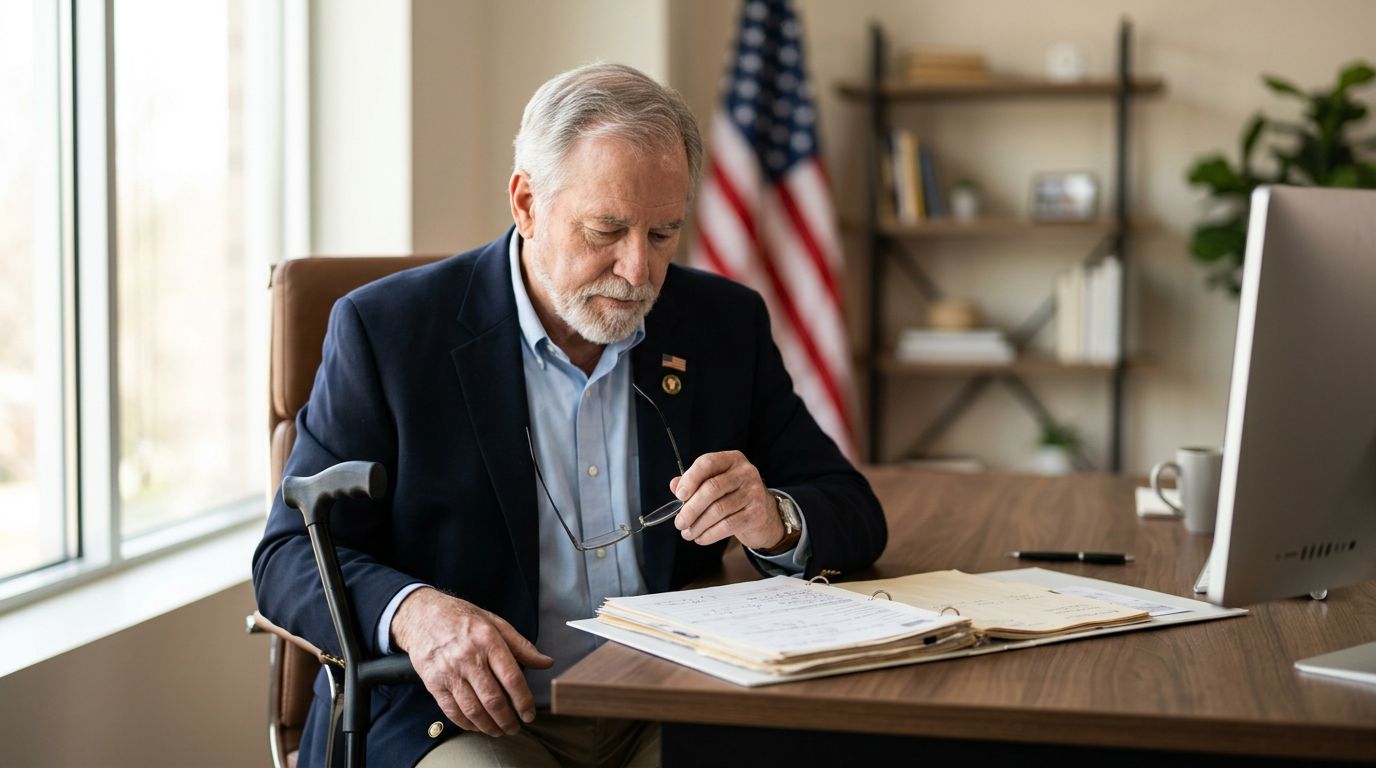
A hand that cannot grip, a foot that cannot support your weight, or vision limited to light perception can affect nearly every part of daily life. VA special monthly compensation may provide additional tax-free money when a service-connected disability causes this level of functional loss.
The VA does not decide loss of use based only on a disability percentage. It examines what the affected body part can still do, whether another person is needed for daily care, and whether the evidence meets a specific legal standard. Understanding those rules can help Florida veterans identify missing benefits and respond to an incorrect decision.
Who qualifies for VA special monthly compensation for loss of use?
Special Monthly Compensation, or SMC, is separate from ordinary VA disability compensation. A veteran may qualify even without a 100% schedular rating, depending on the type and severity of the service-connected disability.
Under 38 CFR 3.350, SMC can apply to anatomical loss or loss of use involving certain body parts and functions.
SMC-K for one qualifying loss
SMC-K is the rate most often associated with a single loss of use. It can apply to:
- One hand
- One foot
- One or more creative organs
- Blindness in one eye with only light perception
- Both buttocks
- Complete organic aphonia, meaning the constant inability to communicate by speech
- Certain forms of bilateral deafness
- Qualifying loss of breast tissue for a woman veteran
A veteran may receive SMC-K in addition to basic disability compensation. The award isn’t limited to veterans with a 100% rating.
For example, service-connected erectile dysfunction may support SMC-K for loss of use of a creative organ, even when the condition receives a 0% schedular rating. Veterans can review VA erectile dysfunction ratings and SMC-K for a related example.
Higher SMC levels for serious combinations
Higher levels, such as SMC-L through SMC-O, may apply when a veteran has multiple qualifying losses or needs regular aid and attendance. Loss of both feet, loss of one hand and one foot, blindness in both eyes, or loss of use of both hands can support a higher level when the facts meet the regulation.
SMC-L may also apply when a service-connected disability creates a regular need for another person’s help with basic activities. Those activities can include bathing, dressing, feeding, adjusting prosthetic devices, or protection from hazards in the home.
SMC-S is a separate housebound benefit. It may apply when a veteran has one service-connected disability rated at 100% and additional service-connected disabilities independently rated at 60% or more. It can also apply when service-connected conditions substantially confine the veteran to the home and immediate premises.
What does “loss of use” mean under VA rules?
Actual amputation isn’t required. The VA focuses on whether the body part still provides useful function.
For a hand or foot, the central question is whether no effective function remains beyond what an amputation stump with a suitable prosthesis would provide. This test considers the veteran’s ability to perform the normal acts of grasping, manipulation, balance, propulsion, or walking.
Loss of use of a hand
A hand may meet the standard when the veteran cannot perform meaningful grasping or manipulation. Medical records might describe severe weakness, paralysis, tremors, contractures, loss of sensation, or pain that prevents reliable use.
The VA should examine real-world function rather than relying only on range-of-motion measurements. A veteran may move the fingers during an examination but still lack the strength, coordination, or endurance needed to hold utensils, button clothing, operate tools, or transfer safely.
A prosthetics assessment, neurologic examination, occupational therapy record, or detailed statement from a caregiver can help show the difference between movement and effective function.
Loss of use of a foot or eye
For a foot, the evidence should address whether the veteran can stand, bear weight, maintain balance, and walk with practical safety. Braces, canes, walkers, or prostheses may be relevant, but their use alone doesn’t decide the claim.
The eye standard is different. SMC-K can apply to blindness in one eye with only light perception. Ophthalmology records should clearly identify visual acuity and the service-connected cause of the impairment.
Creative organ claims also follow a different path. The record must connect the loss of function to a service-connected condition, treatment, or secondary disability. A 0% rating may still establish the service connection needed for SMC-K.
The question is not whether a veteran can move a body part at all. The question is whether meaningful, effective function remains.
What are the 2026 VA special monthly compensation rates?
The VA’s current 2026 SMC rate table lists the following monthly amounts for a veteran without dependents:
| SMC level | Monthly amount |
|---|---|
| SMC-K | $139.87 |
| SMC-S | $4,408.53 |
| SMC-L | $4,900.83 |
| SMC-L 1/2 | $5,154.18 |
| SMC-M | $5,408.55 |
| SMC-M 1/2 | $5,780.19 |
| SMC-N | $6,152.64 |
| SMC-N 1/2 | $6,514.55 |
| SMC-O/P | $6,876.52 |
| SMC-R-1 | $9,826.88 |
| SMC-R-2/T | $11,271.67 |
SMC-K is generally an add-on to basic compensation or another SMC payment. The higher levels are not automatically added together. The VA applies statutory rules to determine the correct level and whether multiple qualifying losses affect the final award.
Dependency status may change payment amounts for some SMC levels. Veterans should compare their decision with the current VA table and confirm the applicable category. The broader VA compensation information also explains how disability compensation and special monthly benefits fit within the VA system.
The 2026 figures reflect the current annual compensation update. Older rate charts may show lower amounts, so use the current VA table when checking an award or estimating possible benefits.
What evidence supports a loss-of-use claim?
A strong claim connects three facts: the underlying condition is service connected, the condition causes the functional loss, and the loss meets the SMC standard.
Medical evidence must describe function
A diagnosis alone usually doesn’t prove loss of use. Medical records should explain what the veteran can and cannot do with the affected body part.
Useful records may include:
- VA treatment notes
- Private orthopedic, neurologic, or ophthalmology examinations
- Physical or occupational therapy evaluations
- Prosthetics assessments
- Surgical records
- Disability Benefits Questionnaires
- Imaging and nerve studies when they clarify functional damage
A report that says “limited use” may be less helpful than one describing the veteran’s ability to grip, release objects, walk, maintain balance, transfer, or complete personal care.
The examiner should also discuss assistive devices and whether they restore useful function. A brace or prosthesis may improve performance, but the legal question remains whether the veteran retains effective function comparable to what a suitable prosthesis would provide.
Daily-care evidence matters for aid and attendance
When the claim involves SMC-L or another aid-and-attendance level, medical evidence should address the need for regular personal assistance. Statements from spouses, relatives, home health aides, or other caregivers can describe what happens at home between medical appointments.
Specific details are more persuasive than broad statements. The record should identify whether the veteran needs help bathing, dressing, eating, toileting, medication management, transferring, or avoiding ordinary household dangers.
For housebound SMC, evidence should address how often the veteran leaves home, why leaving is difficult or unsafe, and whether the confinement results directly from service-connected disabilities. A high disability rating by itself doesn’t establish factual housebound status.
How do you apply or appeal for SMC?
A veteran can raise SMC as part of a new disability claim, an increased-rating claim, or a review of an existing award. The claim should identify the specific loss, the service-connected condition causing it, and the SMC level supported by the evidence.
Review the entire VA file before filing. Look for prior decisions, examination reports, effective dates, and medical records showing functional limitations. An SMC issue may also arise when existing evidence shows severe loss of function, even though the veteran didn’t use the term “special monthly compensation.”
Review a denial or incorrect level
If the VA denies SMC or assigns the wrong level, the decision notice will identify available review options. Depending on the record, a veteran may choose:
- A Supplemental Claim with new and relevant evidence
- Higher-Level Review based on the existing record
- A Board Appeal before a Veterans Law Judge
The VA explains these choices through its decision review and appeals information. A Supplemental Claim may fit when new medical evidence, a caregiver statement, or a better functional examination addresses the reason for denial.
Higher-Level Review doesn’t allow new evidence, so it may be more useful when the VA misapplied the law or overlooked evidence already in the file. A Board Appeal may be appropriate when the dispute requires a Veterans Law Judge to consider the record and the veteran’s legal position.
Deadlines matter. Review the decision letter promptly, preserve the appropriate appeal period, and consider how the effective date affects potential back pay.
When should a Florida veteran seek legal help?
SMC claims often turn on the wording of medical evidence and the relationship between several service-connected conditions. A veteran may have severe impairment but still receive no SMC because the examination failed to address effective function, the VA used the wrong SMC level, or the decision overlooked evidence already in the file.
A VA-accredited attorney can review the rating history, medical records, examination findings, and effective-date issues. Florida veterans can also review VA special monthly compensation levels and VA disability pay and SMC rates before seeking advice about their case.
Legal help is especially useful after a denial, when multiple disabilities affect the same body system, or when the veteran needs aid and attendance but the VA evaluated only individual ratings.
Conclusion
VA special monthly compensation for loss of use depends on functional ability, not on a disability percentage alone. SMC-K may apply to one qualifying loss, while higher levels can address multiple losses, blindness, or the need for regular personal assistance.
In 2026, the correct payment level also depends on the SMC designation, dependent status, and the evidence supporting the award. Florida veterans who cannot use a hand, foot, eye, or creative organ effectively should review the medical record and VA decision carefully. A missed SMC benefit can affect monthly income and back pay for years.