
How VA TMJ Ratings Work in 2026: Jaw Motion and Soft Diet Evidence
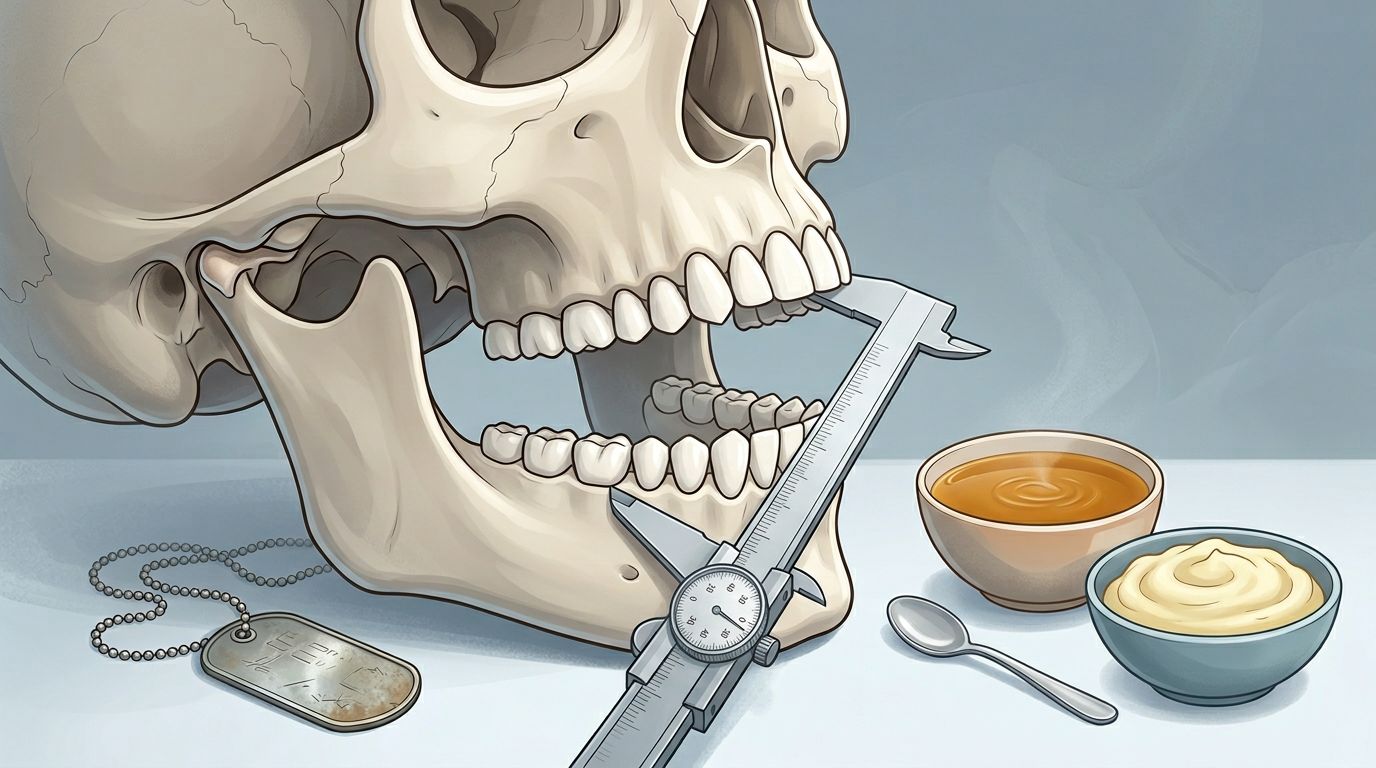
Jaw pain can look small on paper and still make every meal hard. For many veterans, TMJ is the kind of problem that gets dismissed until the record shows how limited the jaw really is.
In 2026, VA TMJ ratings turn on measured jaw motion and doctor-backed diet limits. That means a claim rises or falls on what the exam actually records.
If you know what the VA measures, you can spot weak proof fast. The sections below break down the numbers, the diet evidence, and the records that matter most.
How VA TMJ ratings work in 2026
The VA rates TMJ under Diagnostic Code 9905. It looks at how far your mouth opens without help, how far it slides side to side, and whether the condition forces a mechanically altered diet. The examiner measures everything in millimeters, so the difference between 28 mm and 32 mm matters.
If you want the broader system behind the numbers, see how VA disability ratings work. The main point is simple, the VA uses the finding that best fits the loss. It does not stack the same jaw limitation twice under this code.
| Measurement or proof | Typical result |
|---|---|
| 30 to 34 mm opening or 0 to 4 mm side movement | 10% |
| 20 to 29 mm opening | 20% |
| 11 to 19 mm opening | 30% |
| 0 to 10 mm opening | 40% |
| Physician-verified mechanically altered diet | Can raise the rating higher |
Painful motion can still support the minimum compensable rating under 38 C.F.R. section 4.59. So a veteran does not need a crisis-level exam to have a valid claim. The key is showing what the jaw does on an average day, not only on the best one.
Jaw motion measurements that matter most
Interincisal range is the vertical opening between the front teeth. Lateral excursion is the side slide. Both are measured at the exam, and the VA wants the unassisted maximum. In plain terms, the examiner records what your jaw can do on its own, not what you can force through pain for a few seconds.
That detail matters because TMJ symptoms often change during the day. You may open wider after rest, then tighten up after talking or chewing. The rating still depends on the measured limitation and the history in the chart.
The VA’s TMD treatment page notes that chewing trouble and soft-food changes are common parts of treatment. That helps explain why exam notes should describe more than pain. They should show locking, popping, fatigue, flare-ups, and how long the jaw stays sore after use.
The number matters, but the notes around it matter too.
If your jaw locks during flare-ups, that history belongs in the record too. A short exam note cannot capture every bad week, so earlier treatment notes often fill the gap. When the evidence shows a repeat pattern, the claim is easier to read and harder to dismiss.
Soft diet evidence that can raise the rating
Soft-food evidence helps only when it shows function. A veteran who chooses soup for comfort is different from a veteran who cannot chew chicken, bread, or raw vegetables without pain. The VA’s TMJ compensation worksheet explains that mechanically altered foods are foods changed by blending, chopping, grinding, or mashing so they are easy to chew and swallow. It also says the diet change has to be recorded or verified by a physician.
That is why a note from a dentist or doctor carries more weight than a grocery receipt. A lay statement can help describe daily life, but it works best when the medical record already points in the same direction. The claim gets stronger when the diet limit is tied to jaw pain, limited opening, or flare-ups after chewing.
Soft diet evidence can move a claim into a higher bracket when the motion findings and the diet findings match. For example, a jaw that opens only 15 mm and a chart note that says the veteran needs pureed food tells a clearer story than pain alone. The VA uses that kind of match to decide how much the condition interferes with eating and speaking.
A follow-up note that says the restriction continued for months is stronger than a one-time comment. If the record only says “soft foods” without a reason, the evidence is thin. If it says why the diet changed and how long it lasted, the file starts to build real weight.
Records that usually strengthen a TMJ claim
Strong TMJ files usually look plain. They list the measurements, the date, and the reason for the restriction. If TMJ started because of another service-connected problem, VA secondary service connection may matter just as much as the rating code. That is common when a doctor links jaw trouble to trauma, grinding, or another condition already accepted by the VA.
Useful records include:
- dental or oral surgery notes with exact millimeter measurements
- C&P exam reports that list opening and side movement
- treatment notes that mention locking, pain, or flare-ups
- physician notes about soft, chopped, or pureed food needs
- lay statements that describe how meals change at home
The best records are the ones that sound boring. They name the problem, the date, and the restriction. That is what the VA can use. A pile of vague records is harder to sort, while a few direct notes are easier to trust.
Chronology matters too. The VA needs to see when symptoms began, when they worsened, and when a doctor changed the diet or treatment plan. If the current exam does not match how bad things have become, save the new records and build from there. The file has to show a change, not just a diagnosis.
Common mistakes that weaken TMJ claims
TMJ claims often slow down for the same few reasons. The first is simple, the file never shows exact millimeter measurements. The second is diet proof that lives only in a statement and never appears in a medical note. The third is waiting too long to ask for an increase after the condition gets worse. If that’s where your file sits now, evidence for higher VA disability is the part that matters most.
A few problems show up again and again:
- the exam records pain, but not the jaw opening
- the chart says “soft foods,” but no one explains why
- the veteran talks about flare-ups, but the doctor never ties them to TMJ
- the claim ignores how the condition affects the rest of the rating picture
The VA reads TMJ claims like a set of measurements, not a story of frustration. That is why the strongest files stay close to the criteria. They show motion loss, they show physician-backed diet limits, and they show how often the symptoms return. Once those pieces line up, the rating has a much better chance of matching the real limitation.
Conclusion
TMJ claims turn on two things in 2026, jaw motion and documented diet limits. If the record shows how far the jaw opens, how it moves side to side, and why soft or mechanically altered foods are needed, the rating picture becomes much clearer.
That is the main lesson from VA TMJ ratings, the VA pays for measurable loss, not broad descriptions. A clean exam note and a physician-backed diet restriction often do more than a long explanation.
When the symptoms change, the file should change with them. A claim that tracks the numbers is easier to defend, and easier for the VA to rate correctly.