
Florida Occupational Asthma: Workers’ Comp and Breathing Claims
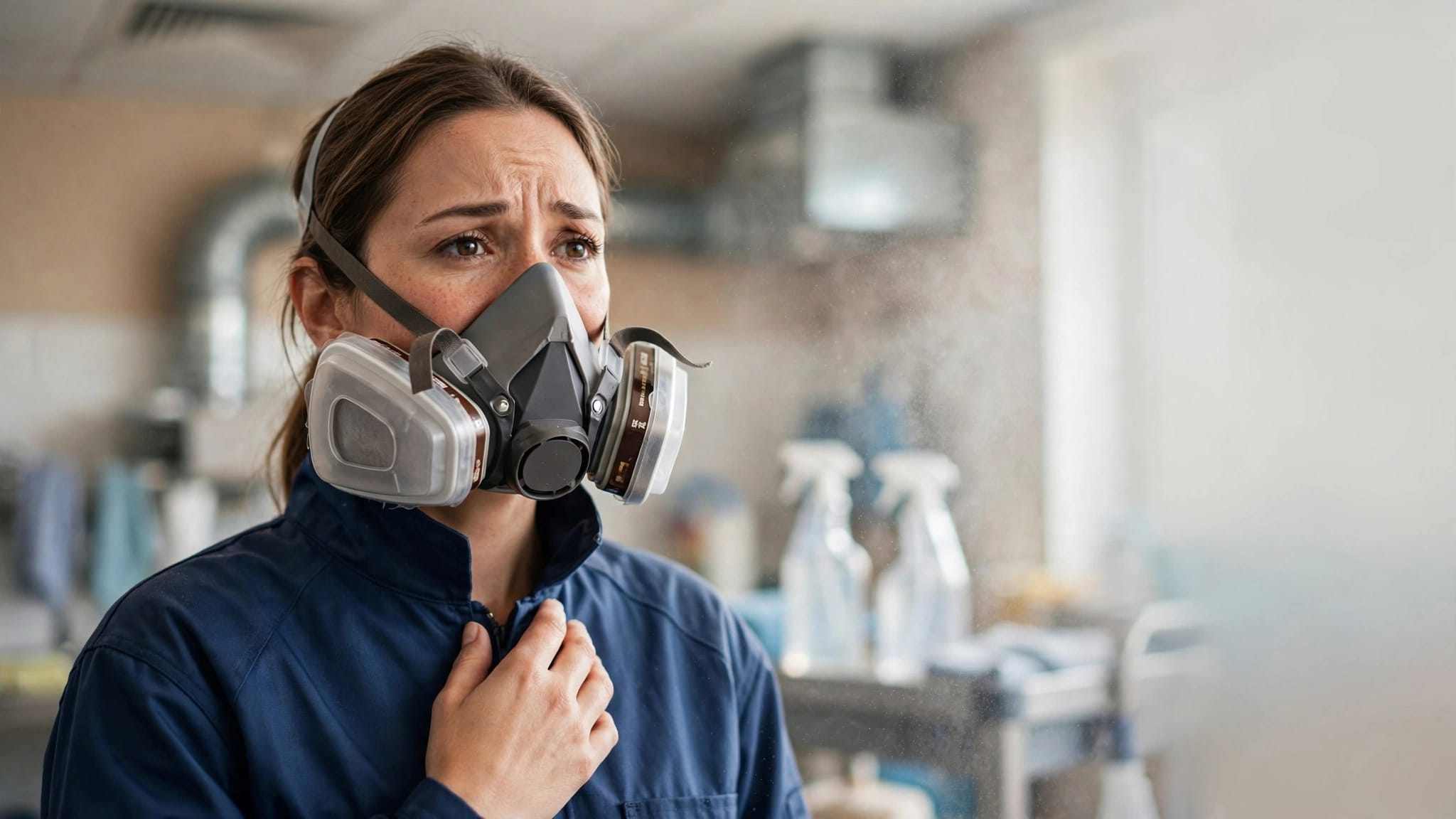
A job can make breathing difficult long before a worker realizes the symptoms may be connected to the workplace. Coughing after shifts, chest tightness near cleaning products, wheezing around dust, or shortness of breath after smoke exposure deserve prompt medical attention.
Florida occupational asthma claims can be difficult because asthma also has many causes outside work. A successful workers’ compensation claim needs medical and workplace evidence that tells a consistent story. The steps you take after symptoms start can protect both your health and your right to seek benefits.
Key Takeaways
- Florida workers’ compensation may cover asthma or another respiratory condition when work exposure caused it, made it worse, or created a hazard distinct to the job.
- Occupational asthma often develops gradually. A chemical splash, fire, or smoke event may instead create a sudden workplace injury claim.
- A medical diagnosis alone does not establish that an illness is work-related. Exposure details, medical records, and a timely report matter.
- Florida’s occupational-disease reporting rules can differ from the usual accident rules. Workers generally have 90 days to notify an employer after learning the disease may be work-related.
- A Petition for Benefits may face a two-year deadline. A long gap without authorized care or indemnity benefits can also create a limitations problem.
When Florida Occupational Asthma May Qualify for Benefits
Florida workers’ compensation covers illnesses and injuries arising out of work and occurring during employment. For an occupational illness, the condition must be tied to hazards that are characteristic of, and peculiar to, the work.
The current Florida workers’ compensation statutes address occupational diseases under Chapter 440. The analysis depends on the diagnosis, the timing of symptoms, the job’s exposure history, and medical evidence connecting the condition to employment.
Occupational disease versus a sudden inhalation injury
Occupational asthma can appear after repeated contact with an irritant or sensitizer at work. Symptoms may worsen during shifts, improve on weekends, and return when the worker resumes the same duties. This pattern can help a doctor assess a work connection.
A one-time event may follow a different path. A worker who inhales smoke during a workplace fire, fumes after a chemical release, or dust after an equipment failure may have an acute injury. The date, location, witnesses, and incident report are often central in those cases.
A prior asthma diagnosis does not end the claim
Preexisting asthma does not automatically prevent workers’ compensation benefits. The key question is whether job conditions caused a new respiratory problem or materially aggravated an existing condition.
Medical records should accurately describe the worker’s earlier symptoms, medications, and treatment. They should also explain what changed after the workplace exposure. Consistency is more persuasive than overstating symptoms or guessing about the cause.
Workplace Exposures That Can Trigger Breathing Problems
Respiratory claims occur in many work settings. Construction, manufacturing, health care, hospitality, food service, agriculture, cleaning, maintenance, and warehouse work can all involve airborne hazards.
The exposure does not need to produce immediate collapse to matter. Repeated coughing, nighttime wheezing, missed shifts, or a need for more inhaler use may show a condition has become harder to control.
Chemical fumes, sprays, and dust
Cleaning agents, solvents, disinfectants, adhesives, paint products, industrial chemicals, and airborne dust can irritate the lungs. A worker should record product names when possible, along with the task being performed, ventilation conditions, and whether protective equipment was available.
Work-related chemical exposure and breathing problems can lead to immediate lung irritation or illnesses identified later. However, the diagnosis must still be tied to the work exposure through reliable evidence.
Smoke, fire, and acute respiratory events
Smoke inhalation can damage airways and may cause breathing trouble that persists after the initial emergency. Workers should seek urgent care for serious shortness of breath, chest pain, confusion, facial burns, or symptoms after a fire.
Florida workers’ comp for smoke inhalation injuries may apply when smoke exposure occurred during a workplace burn event. Emergency records, fire reports, witness accounts, and photographs can help establish what happened.
A worker does not need to wait for a final diagnosis before reporting a workplace breathing problem. Early notice creates a record while the details are still clear.
Medical and Workplace Evidence That Supports a Claim
A respiratory claim is strongest when medical records and job evidence match. The carrier may question whether allergies, smoking history, infection, home exposures, or prior asthma caused the symptoms. A clear timeline helps address those issues.
Tell the treating provider about every relevant work condition. Describe when symptoms began, what tasks caused them, whether they improved away from work, and which duties now trigger coughing or wheezing.
Records that connect work to symptoms
Keep copies of urgent-care paperwork, pulmonary testing, prescriptions, inhaler changes, specialist referrals, work-status notes, and appointment records. A pulmonologist or other qualified provider may evaluate whether the job exposure caused or aggravated the condition.
Work records matter too. Save schedules, training documents, safety complaints, incident reports, texts with supervisors, and names of coworkers who saw the exposure or noticed symptoms. If a product label or safety data sheet is available, preserve it without taking risks or violating workplace rules.
The value of accurate symptom tracking
A simple dated log can be useful. Include the job task, location, substances or conditions nearby, symptoms, medication use, missed work, and any relief during days away from the job.
Avoid dramatic descriptions that later conflict with medical records. Instead, state facts such as “wheezing began while spraying disinfectant in a poorly ventilated room” or “shortness of breath increased after sweeping construction dust.” For gradual conditions, workers’ comp for repeated workplace exposure often requires proof that the job created a greater risk than ordinary life.
Florida Deadlines for Occupational Breathing Claims
Deadlines can end a claim even when symptoms are real and treatment is needed. Reporting the condition and filing a Petition for Benefits are separate steps.
Occupational illness cases can have different timing rules than an injury caused by one identified accident. A worker should not wait for a carrier to finish an investigation before reviewing the relevant dates.
The 90-day occupational-disease notice period
For an occupational disease, Florida law generally allows 90 days to notify the employer after the worker knew, or reasonably should have known, that the condition was work-related. This differs from the usual 30-day notice rule for a sudden workplace accident.
Report the breathing problem as soon as possible in writing. An email, text, or incident report can confirm the date you informed the employer. Include the work area, tasks, suspected exposure, symptoms, and the names of anyone who witnessed the event or its aftermath.
Petition deadlines and last exposure issues
A Petition for Benefits is generally due within two years after a worker knew or should have known the disease was related to employment. Authorized treatment and disability payments can affect the calculation. A one-year gap without authorized medical treatment or indemnity benefits may also create a serious limitations issue.
Florida law often places responsibility on the employer or carrier where the worker was last injuriously exposed to the disease hazard. A statutory dust-disease claim has added rules, including a 60-day last-exposure requirement. That rule does not apply to every respiratory claim, so the job history needs careful review.
Steps to Take When Work Affects Your Breathing
Breathing problems can worsen quickly. Get emergency care for severe shortness of breath, chest pain, bluish lips, fainting, confusion, or serious smoke or chemical exposure. Tell medical personnel that the symptoms began at work or after a specific workplace event.
For nonemergency symptoms, report the condition promptly and ask how to access authorized medical treatment. Do not assume personal health insurance should handle a condition that may be job-related.
Build a written timeline right away
Write down each exposure, shift, symptom flare, missed day, doctor visit, and communication with the employer or insurance carrier. Keep pay stubs and work restrictions if the condition reduces hours or prevents regular duties.
If the employer has not provided carrier information or a claim number, the Florida workers’ compensation coverage information can help workers locate state assistance resources. The Bureau of Employee Assistance and Ombudsman Office can be reached at 1-800-342-1741.
Respirators do not erase an exposure claim
An employer’s use of masks or respirators does not automatically resolve the cause of a breathing condition. Fit, training, equipment type, filter selection, and workplace ventilation can all matter.
OSHA’s occupational asthma solutions discuss methods for identifying and reducing common workplace asthma hazards. Its respiratory-protection standard requires employers to evaluate respiratory hazards and select appropriate protection. Those safety rules do not automatically prove a workers’ compensation claim, but they may help clarify the exposure conditions.
Frequently Asked Questions
Can I seek workers’ compensation if I had asthma before this job?
Possibly. A preexisting condition does not automatically bar benefits when work exposure causes a new injury or worsens the condition. Medical evidence must separate the earlier condition from the work-related aggravation as clearly as possible.
What if symptoms started slowly instead of after one accident?
Gradual symptoms can still support a claim. Workers should document the changes, report the condition when they recognize a possible job connection, and tell their doctor about the specific work activities that worsen breathing.
Can my employer fire me for reporting breathing problems?
Florida workers should report workplace injuries and illnesses without delay. If an employer or carrier denies the claim, delays care, disputes the work connection, or pressures a worker to return without appropriate restrictions, legal advice can help protect the worker’s position.
Protecting Your Health and Your Claim
Work-related breathing problems deserve the same attention as a visible workplace injury. Early medical care, prompt written notice, and detailed records can show how a job affected your lungs and ability to work.
For Florida occupational asthma, the strongest claims connect symptoms, medical findings, and workplace exposure without exaggeration. Acting before deadlines approach gives you more options to pursue needed care and benefits.